
Sarah Slevin 9th September 2026
A study by a research team at the University of Galway has revealed unexpected links between anti-cancer drugs and antibiotic effectiveness. It could offer a potential new approach to tackling notorious superbug infections.
The research team set out to find new ways to treat methicillin-resistant Staphylococcus aureus – better known as MRSA infections – using drugs that are currently ineffective due to antibiotic resistance – a growing challenge in healthcare.
During the study, the team tested five anti-cancer drugs, with four of them helping penicillin-type antibiotics to kill MRSA. These drugs interfere with the bacteria’s ability to make DNA, making the bacteria more vulnerable to the antibiotics.
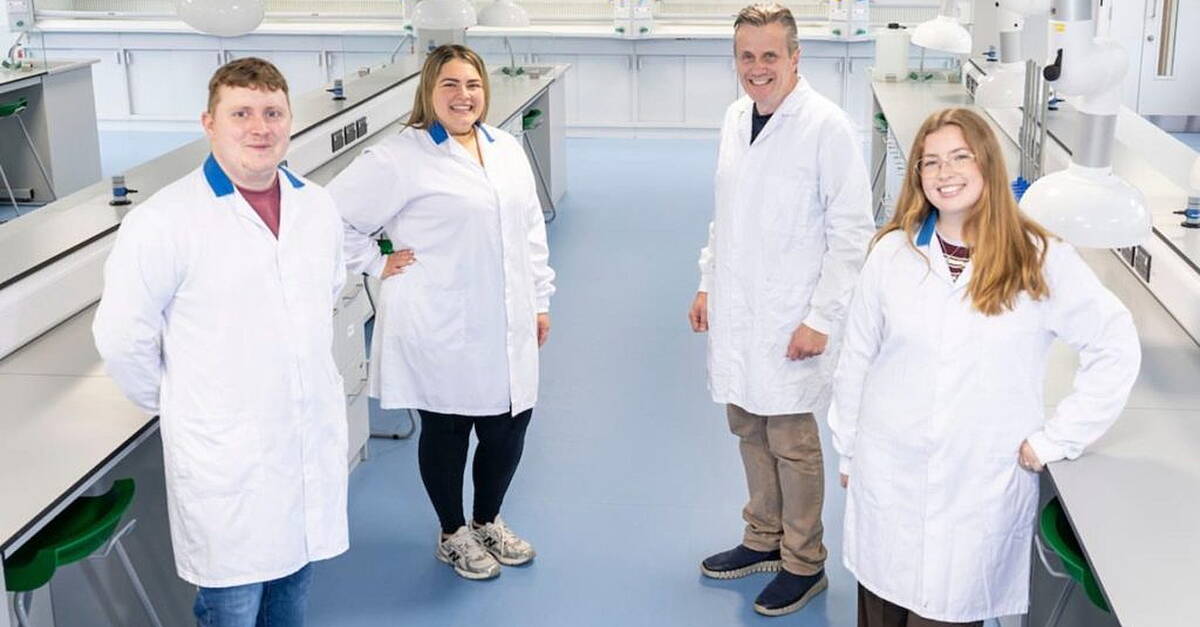
The study was carried out by researchers Dr Aaron Nolan, Sarah Byrne, Dr Merve Zeden and Professor James O’Gara from the School of Biological and Chemical Sciences at University of Galway.
Professor of Microbiology at University of Galway, James O’Gara, said: “We are excited by this discovery, which advances our long-term goal of finding new ways to boost the effectiveness of existing antibiotics against superbugs like MRSA.
“Because this approach relies on existing medications rather than developing completely new drugs, it could provide a faster route towards developing new strategies to improve patient care.”
The paper is published in mBio, the flagship journal of the American Society for Microbiology, is available here.
Galway Bay FM News
Galway Bay FM News provides trusted, comprehensive coverage and analysis of local, national, and international stories.
Tune in every hour, Monday to Friday, 7am to 6pm, with breakfast updates at 7:30 and 8:30.
Catch the multi-award-winning FYI Galway from 5pm for all your news and sport, along with traffic and business information.
Download the Galway Bay FM app to get the latest stories on the go and stay connected on Facebook, Instagram and X