
September is when lawns are more likely to be tanged in moss, but there is a really easy way to get rid of this spongy menace without harming the grass at all.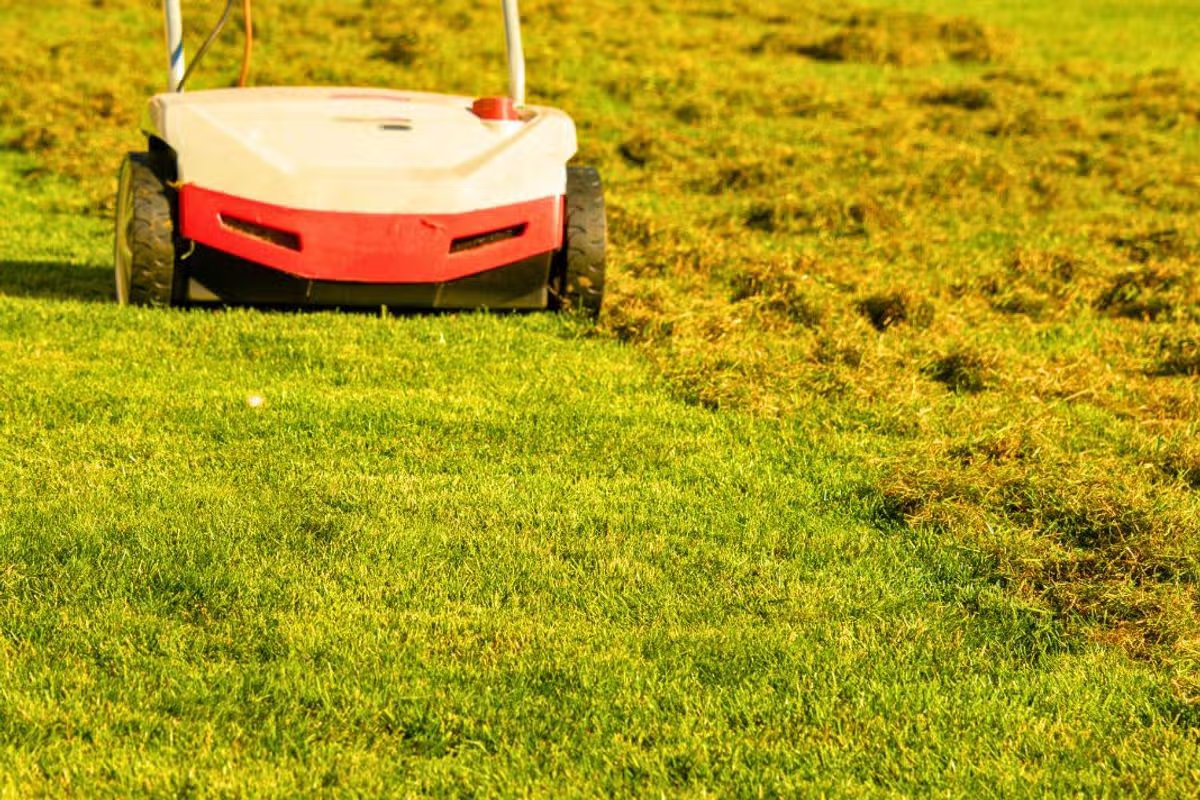
Lawns are more likely to be covered in moss in September after a hot summer(Image: Getty)
Moss can turn into a right headache for gardeners now autumn’s rolled in, but there’s a surprisingly straightforward method to banish it from your lawn without dousing the grass in nasty chemicals. Following a parched summer, lawns are likely looking rather worse for wear at the minute, creating prime conditions for moss to take hold in your garden.
Robust grass typically has the strength to fend off moss, but patches that have taken a battering from all that scorching weather will find it trickier to halt the spores in their tracks. While reaching for a shop-bought moss killer might seem like the obvious answer, numerous products prove far too aggressive and pile additional strain on the lawn, potentially hindering its proper autumn recovery.
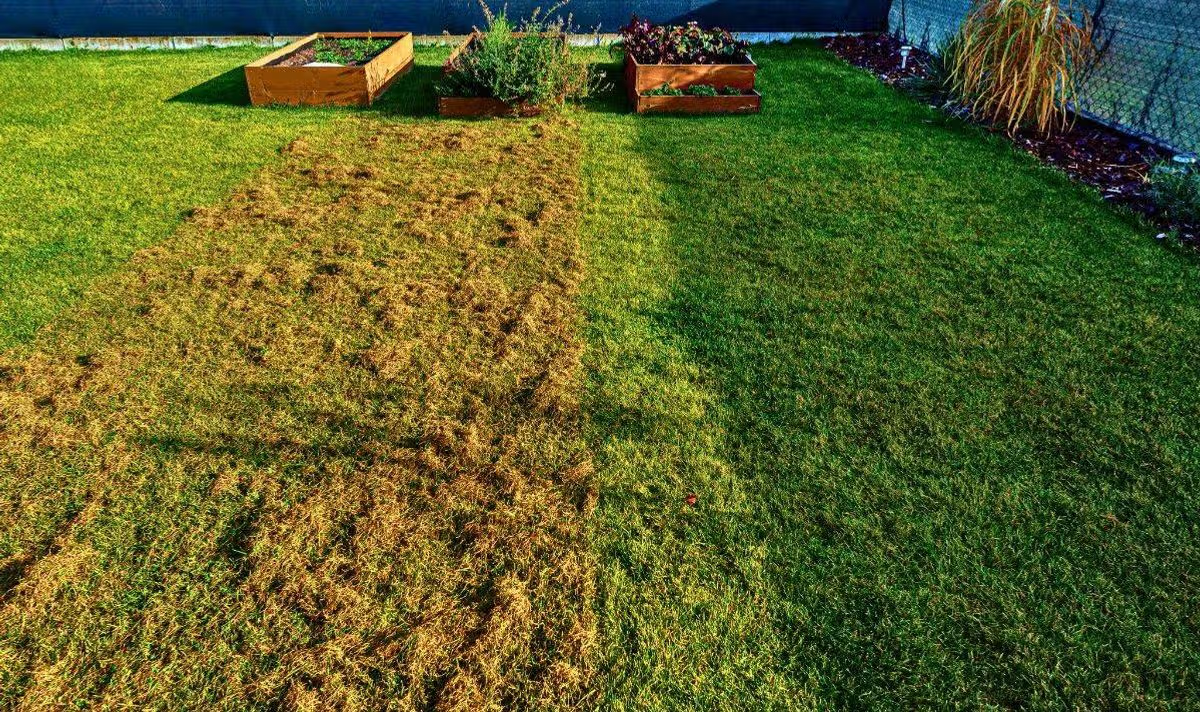
September is usually when lawns start to look really mossy and unhealthy(Image: Getty)
Thankfully, Lamara McBride from The Lawn Pack has revealed there’s a considerably gentler approach, as one of the top methods to eliminate moss and encourage grass growth involves treating a lawn with iron sulphate.
Lamara explained: “The most effective moss treatment in UK lawns is Iron Sulphate (Ferrous Sulphate). When applied correctly it treats moss quickly, turns moss black within days [and] makes removal easier.”
Iron sulphate is a naturally occurring mineral compound that provides grass with iron, supporting vigorous growth, while moss proves far more vulnerable to its effects. Iron is essential for grass to create chlorophyll, which plants require for photosynthesis and energy production.
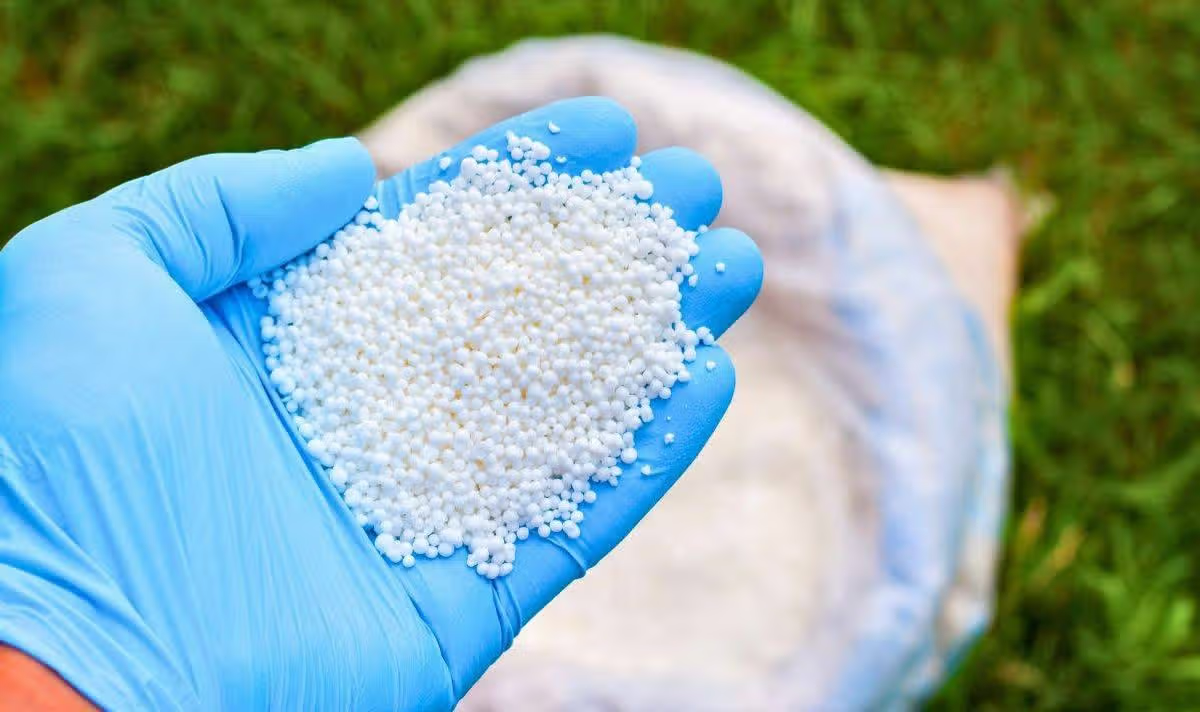
Iron sulphate will not only kill moss but feed the grass as well(Image: Getty)
It’s also what gives your lawn that vibrant green hue. Treating your turf with iron sulphate can encourage more robust growth and strengthen the grass, enabling it to better resist moss, weeds and other unwelcome invaders down the line.
Interestingly, while it benefits grass, iron sulphate has the reverse impact on moss – it dehydrates the spores and damages their cellular structure, causing them to perish naturally without the need for manual removal.
Applying iron sulphate is one of the simplest ways to eliminate moss while also benefiting your grass, helping cultivate a lush, emerald-green lawn this autumn.
How to use iron sulphate to banish lawn moss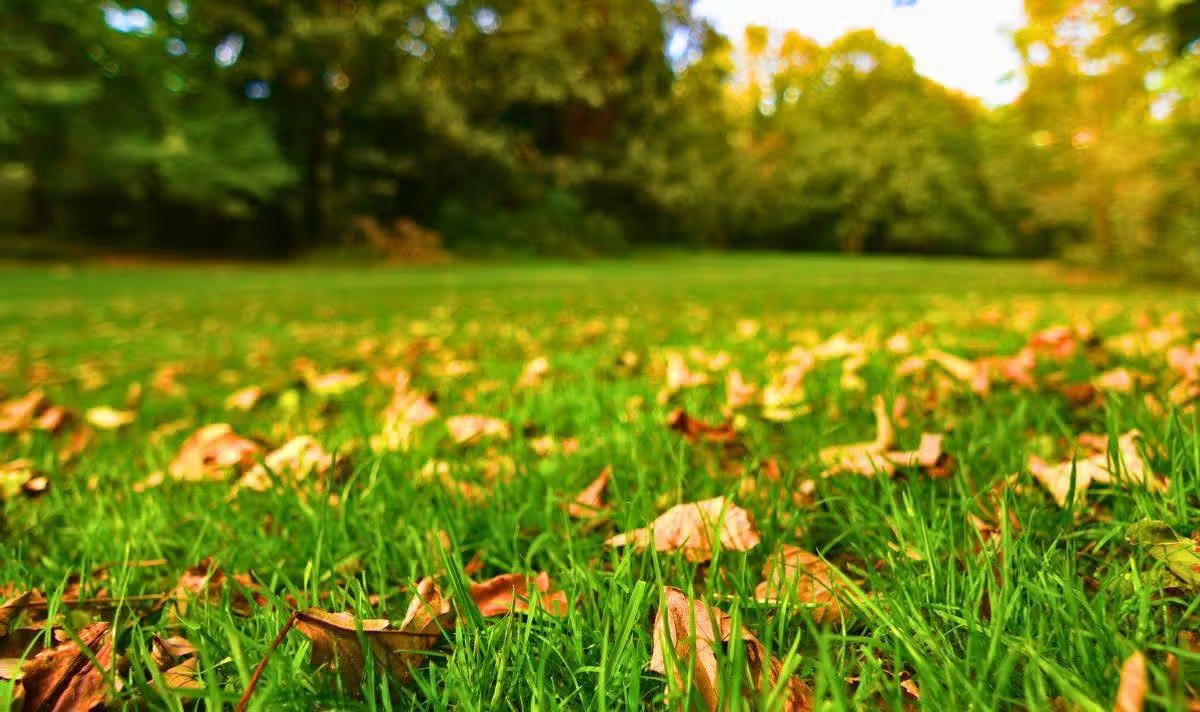
Applying iron sulphate to grass will help it become greener and healthier by the time autumn arrives(Image: Getty)
Start by mowing your lawn before you apply the iron sulphate, as this allows the treatment to penetrate the moss more effectively without getting tangled in lengthy blades.
Then, distribute the iron sulphate uniformly across your lawn using a spreader, being careful to stick to the dosage instructions on the packet. Overdoing it in any particular spot could result in scorched grass patches.
After the moss has turned black or brown, simply rake it away from the lawn and dispose of the dead material in your bin. Give your grass a thorough watering afterwards, and you should be left with a completely moss-free lawn with minimal fuss.
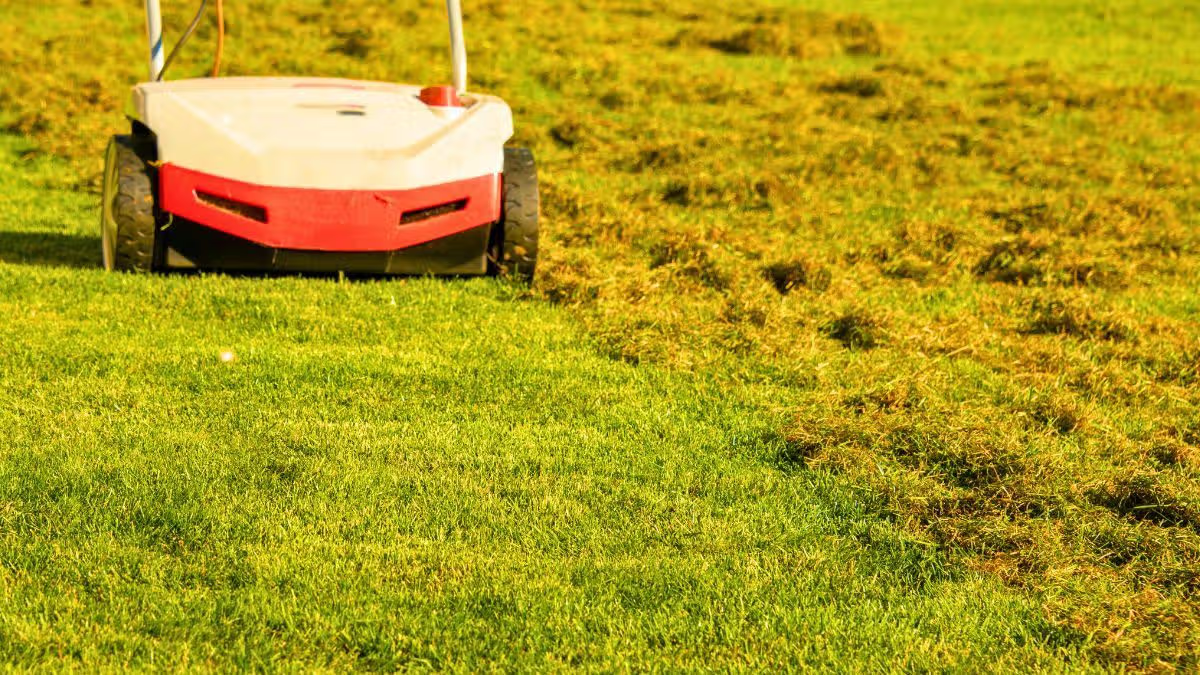
It’s worth pointing out that moss typically takes hold on a lawn when the grass is in poor condition or drainage needs improving. While iron sulphate will eliminate moss, it’s advisable to scarify and aerate the turf some time following the treatment.
This approach will help address the root cause behind the moss growth, giving your grass a better chance of becoming dense and robust before the chillier months arrive.