
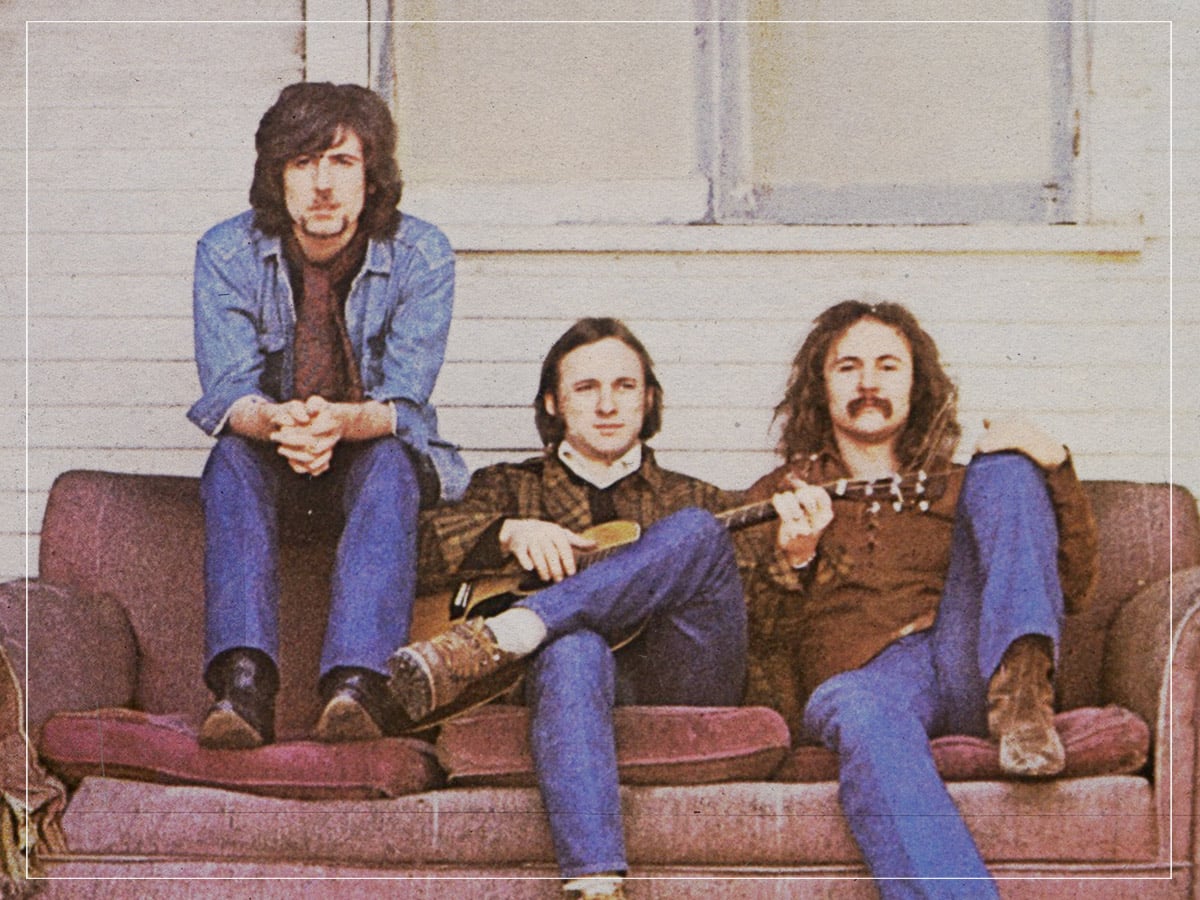
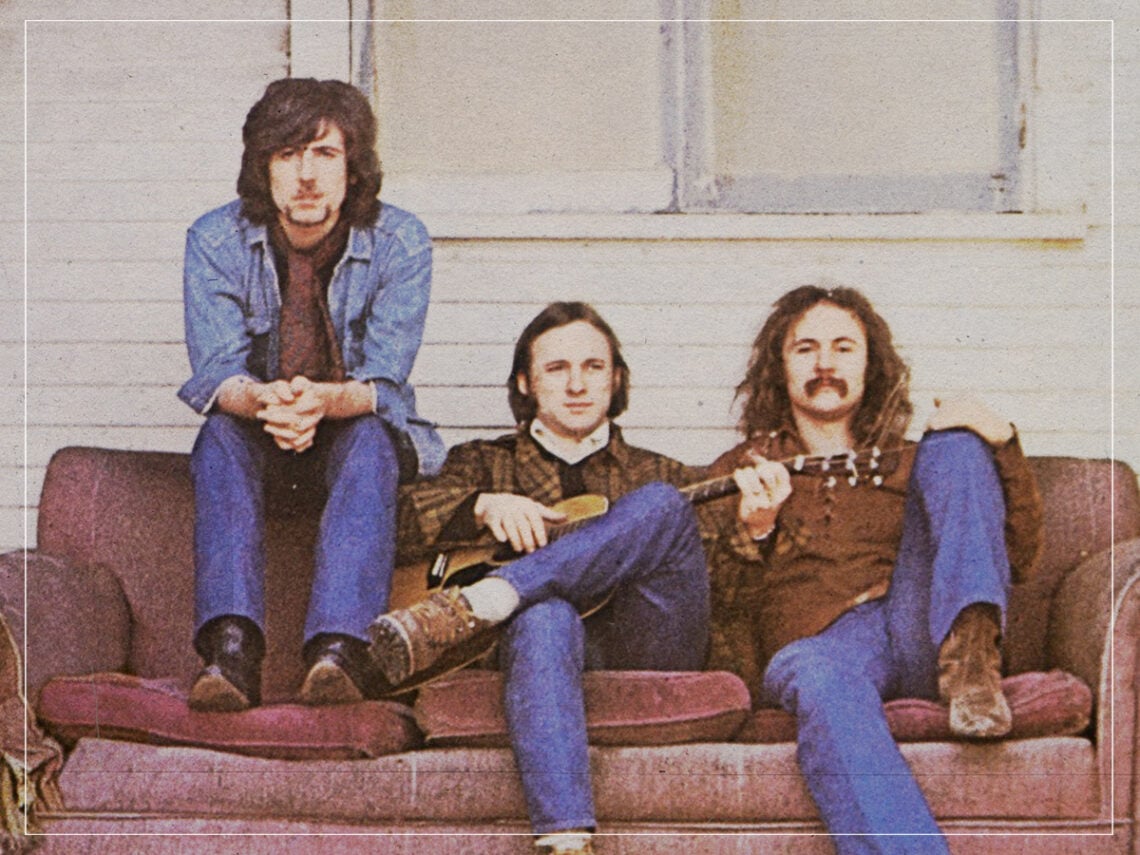
Credit: Far Out / Atlantic Records
Sun 13 September 2026 23:00, UK
Ask most artists whether they prefer playing live onstage to an audience or tinkering around in the studio, and most will go with the former.
But out on stage, there’s no possibility of fixing any mistakes, overdubbing new parts, stitching versions together or running through countless takes following all your false starts and flubbed lines.
Maybe at the most you can get away with one reprise in the night, or telling the audience you’re going to start a particular song again, but you’ve got about 90 minutes to fill and not the days, weeks, months or even years that some artists take labouring over the most minute details of every song in the studio.
On the other hand, when groups get classic tracks down in just one take in the studio, we rave about how brilliant they are, because it is impressive to capture a historic take in one go, but having the talent to do so is exactly what makes those particular artists history makers, in the first place.
Mercurial and prodigal artists like Bob Dylan, James Brown, Sinatra, Elvis or Crosby, Stills & Nash know what that is like, each capable of surprising even the musicians, producers and engineers who had worked with them most and knew them best at any given session.
But when Crosby, Stills & Nash arrived at Wally Heider’s Studio III in Los Angeles in 1969 to record their debut album, engineer Bill Halverson had no idea what to expect from the trio. He had already cut some demos with Crosby, spent some time with Stills, but knew little about Nash.
He recalled, “I had kept asking Atlantic for a setup. Was there going to be a drummer, a bass player and an entire band? All I heard back was ‘We don’t know. They’ve booked the time, and they’ll be there, so you’ll just have to wait and see’. Then, when they did arrive, it was just the three of them in David’s Volkswagen van with a couple of guitars and a bass. So, we loaded the stuff in and hung out for a bit. Graham had never been in the studio. Finally, I said, ‘So, what are we gonna do?’ and was told, ‘Stephen’s going to play a little acoustic guitar’. That’s how it started.”
Further reading: From The Vault
Halverson continued to recount how, after some time, Stills switched from seeming to be goofing around on his guitar to getting seriously into a song seemingly without warning, so quickly in fact, that he didn’t have the opportunity to stop the singer in order to properly set up the equipment and capture the magic of the moment in the way that he’d have liked to.
Quickly realising that the compressor was “way over-compressed”, Halverson couldn’t do anything to stop the song that Still had started. “Sitting there, I was already thinking about the things I could do to fix it”, he said. But, because Stills was evidently so lost to the moment and to the music he was making, Halverson would just have to wait until he was finished before explaining what had happened, what he wanted to change, and how he’d like to proceed now that he’d realised the mistakes he believed he’d made.
But he was waiting for a while. Stills sang and sang, and played on and on. When Halverson thought that the song was about to wrap up, Stills instead took it into all-new territory, starting a new section and singing some more. In reality, Stills was singing for seven-and-a-half minutes of recorded time, but it must have felt like an eternity to the engineer, who admitted that “my whole life was flashing in front of me. And, certain that my career was over, I began to sweat.”
When the take finally came to a conclusion, Halverson knew he was going to have to break the news that it was no good, they hadn’t captured it right and would have to start again. To make matters worse, he could see David Crosby and Graham Nash dancing around in celebration of what a great performance their band member had just given in recording ‘Suite: Judy Blue Eyes’.
Now was the moment of truth. Halverson admitted, “I figured he was going to come in and just blast me for the horrible recording, so I was ready with my excuses. David and Graham met him at the double doors, and while they were all high‑fiving each other Stephen turned to me and said something to the effect of, ‘Oh, that’s the sound I’ve been looking for! I love it!’ and I went, ‘Thanks.’ I was just dumbfounded. For the next 20 years, I didn’t tell him it was an incredibly happy accident, and that if I had known what I was doing he wouldn’t have got what he wanted.”
He concluded, “It still gives me goosebumps when I listen to that recording, aware that he blew through seven‑and‑a‑half minutes with all the time changes, all the pauses, all the everything in just one take. No edits, no nothing.”
ADD AS A PREFERRED SOURCE ON GOOGLE  The Far Out Classic Rock Newsletter
All the latest Classic Rock content from the independent voice of culture.
Straight to your inbox.