
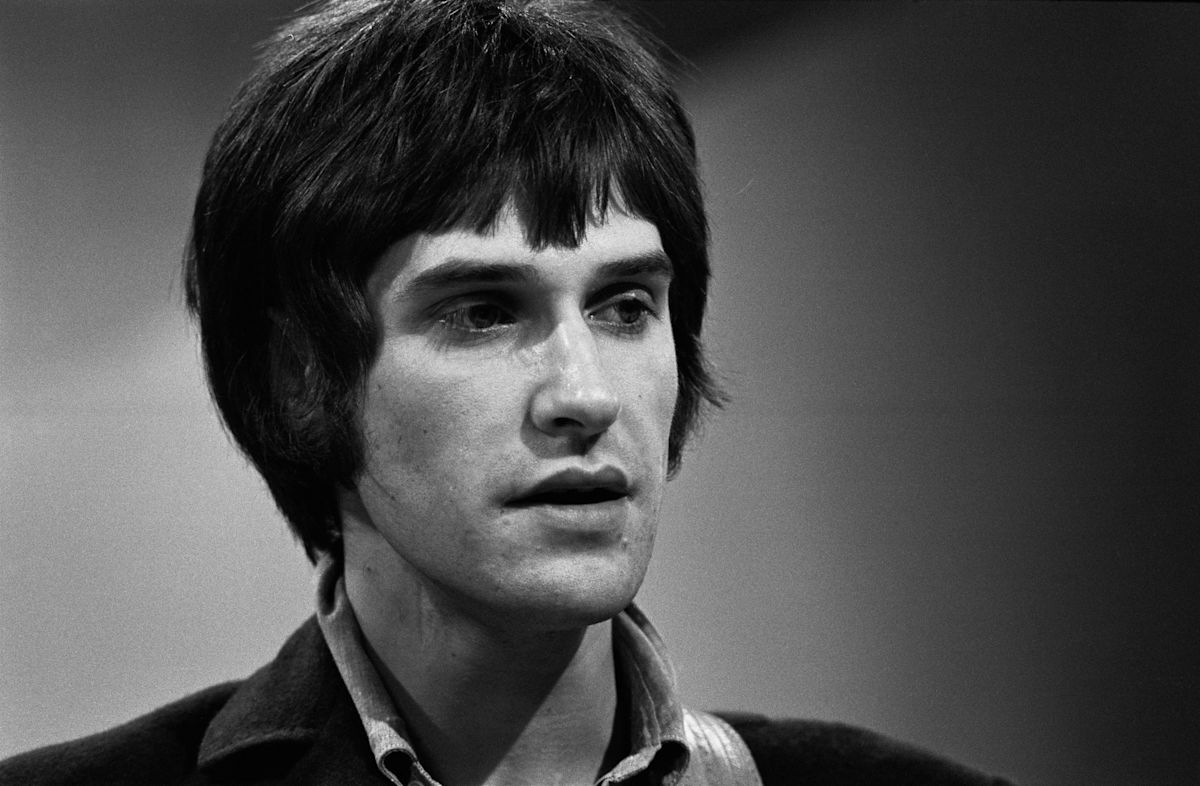
The Kinks continued their monumental success in the mid ’60s, releasing standout tracks one after the other, including the 1967 hit “Waterloo Sunset,” which went on to become one of their most enduring classics.
Decades after its release, the rock single was included in Rolling Stone’s 500 Best Songs of All Time, ranking No. 14 on the list.
The publication highlighted “Waterloo Sunset” as a deeply personal song for lead vocalist Ray Davies that would ultimately become “his most beloved creation.”
The song was featured on The Kinks’ fifth studio album, Something Else by The Kinks, and served as the record’s lead single.
Written by the frontman, “Waterloo Sunset” reflected his ability to find beauty in the mundane, drawing from his personal connection to London’s Waterloo Bridge.

The Kinks members Mick Avory, guitarist Dave Davies, singer and guitarist Ray Davies and bassist John Dalton in London, 1969. Ivan Keeman/Redferns
As a student, Ray Davies would regularly cross the bridge while attending Croydon Art College.
Moreover, he once mentioned that it was a “pivotal place” in his life.
“I saw several Waterloo sunsets,” Ray Davies told Classic Rock, as reported by Farout Magazine, adding, “I was in St Thomas’ Hospital there when I was really ill as a child, and I looked out on the Thames. Later I used to go past the station when I went to art college on the train. And I met my first girlfriend, who became my first wife, along the Embankment at Waterloo.”
Initially, he was hesitant to share “Waterloo Sunset” with the band because it was deeply personal to him, more like “an extract from a diary nobody was allowed to read,” according to his brother and The Kinks guitarist Dave Davies, in a Rolling Stone interview.
Little did they know that it would become one of the band’s iconic songs, peaking at No. 2 on the UK Singles Chart in 1967. It was also described as “the most beautiful song in the English language” by journalist and “Dean of American Rock Critics” Robert Christgau.
In addition, “Waterloo Sunset” also caught the attention of fellow musicians and icons, including David Bowie, who recorded his own version of the song in 2003 and even performed it alongside Ray Davies.
Another notable cover came from Def Leppard, who turned the song into a hard-rocking track for their album Yeah!.
This story was originally published by Parade on Sep 13, 2026, where it first appeared in the Entertainment section. Add Parade as a Preferred Source by clicking here.