
WASHINGTON (TNND) — New pressure on Middle East oil routes is already putting an additional squeeze on American consumers, as fallout from the region’s escalating conflicts ripples into everyday costs.
Iran-backed Houthi rebels have seized key parts of the Red Sea coast, forcing Saudi Arabia to shut down a critical East-West oil pipeline. (TNND)
Iran-backed Houthi rebels have seized key parts of the Red Sea coast, forcing Saudi Arabia to shut down a critical East-West oil pipeline. The disruption almost immediately sent oil prices to their highest levels since May.
“We’ve been in constant contact with the Emiratis, the Saudis, and others who are affected in the region, so it’s something the United States administration is very much on top of,” Vice President Vance said Monday. “We’ve also been engaged in direct conversations with the Houthis themselves, so we actually feel like we are on top of the situation.”
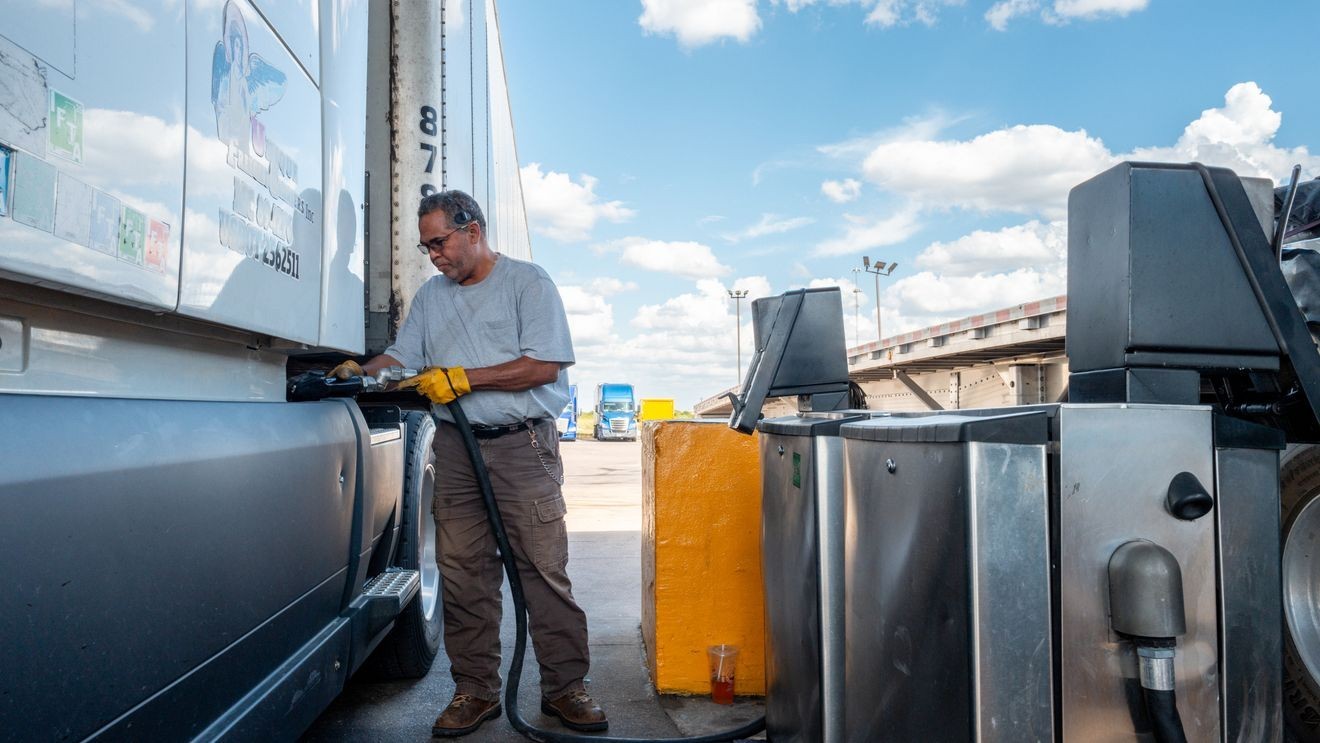
The average price of a gallon of gas in the U.S. has climbed 17 cents in the past week, reaching $4.32 on Monday. The impact is showing up on store shelves as well — Costco raised the price of its Kirkland brand motor oil to $58 for a five-quart, two-pack, up from $30 last year, and is now limiting customers to one box per week.
The broader war with Iran, and continued limits on oil shipments through the Strait of Hormuz, remain unresolved. Brown University’s Iran War Energy Cost Tracker estimates U.S. households have spent $815 more so far since the war began due to the rising cost of gasoline and diesel.
“Obviously, gas prices are too high right now. Diesel prices are too high. There’s a very simple reason for it. It’s tied, of course, to the Strait of Hormuz,” House Speaker Mike Johnson, R-La., said. “We have got to get commerce stabilized in the Strait of Hormuz, I believe. And I’ve been saying now for a couple of weeks, I believe we’re going to enter a new phase of that soon.”
With energy prices climbing, analysts are watching closely for China’s next move. Beijing slashed its oil imports when the war with Iran first began, a decision that helped keep global prices from climbing even further, aided by reserves exceeding 1 billion barrels. Now, China could reenter the market more aggressively, potentially pushing prices higher still.
“Now what we see though in recent weeks is Chinese state-owned enterprises and some of the independent refining in China returning to the market with more of a vociferous appetite for crudes from all over the world — not just the Middle East, but Latin America and West Africa and other regions as well,” Clay Seigle, a nonresident scholar focused on energy security at the Center for Strategic and International Studies, told CNBC.
Unlike China, the U.S. does not have a large cushion to fall back on. American oil reserves currently sit at 285 million barrels — their lowest level since 1982.