
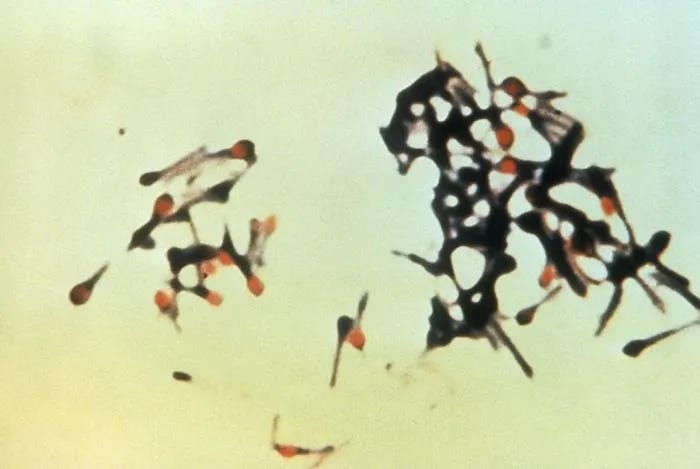
Doctors have detected the first case of tetanus infection since 2022; statistics from the National Institute of Public Health (SZÚ) show that the disease has occurred only five times in the last 20 years.
SZÚ spokesperson Štěpánka Čechová added that the infected individual is a 48-year-old man from the Moravian-Silesian Region.
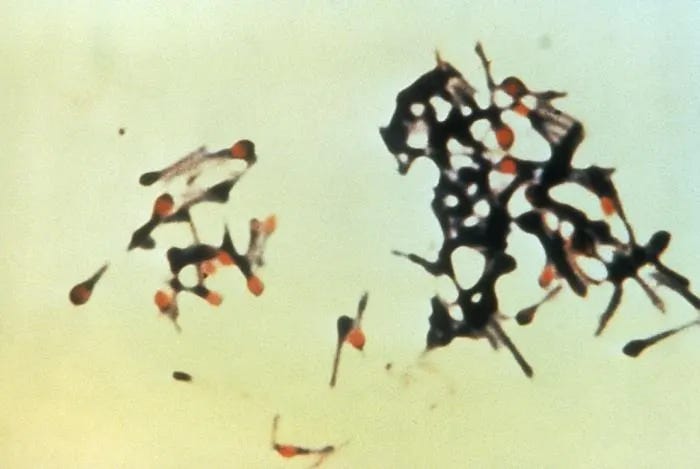 Image/CDC
According to the spokesperson, the man was treated in the surgery department for a laceration on his head. “His vaccination records cannot be traced, he does not have a general practitioner, and no death has been reported”.
Tetanus: Symptoms, treatment, prevention and more
“In the 1960s, 60 to 90 cases of tetanus were reported annually in our country. A nationwide vaccination campaign for all adults took place between 1974 and 1976 and was repeated ten years later, leading to a significant decline,” the SZÚ states regarding the incidence of tetanus.
Since the late 1990s, there has generally been no more than one case of tetanus per year. The only exceptions were 2001, when three cases appeared, and 2022, with two infections. Four years ago, two elderly individuals fell ill—one of whom died—and in 2019, an unvaccinated three-year-old child became infected. The infection entered the body through the nasal mucosa after the child inserted a rusty button battery into their nostril.
Tetanus is a rare, but a very serious vaccine-preventable disease that causes significant illness and can be fatal. Also called lockjaw, it is a disease caused by bacteria that affects the body’s muscles and nerves.
Symptoms of tetanus include muscle spasms in the jaw, difficulty swallowing, and stiffness or pain in the muscles of the neck, shoulders, or back. The spasms can spread to the muscles of the abdomen, upper arms, and thighs. Approximately 11 percent of reported cases of tetanus are fatal.
Tetanus can occur in people who have a skin or deep tissue wound or puncture and who are not up-to-date on their tetanus vaccinations.
Tetanus cannot be spread from person to person.
Vaccination is the best way to prevent tetanus. Widespread vaccination against tetanus is critical to controlling the disease.
The tetanus vaccine is part of the mandatory childhood vaccination schedule; it is included in the hexavalent vaccine administered at three months of age, with booster shots typically given at ages five, ten, and fifteen.
Adults should receive booster shots every ten to fifteen years, though doctors recommend a ten-year interval for seniors. The vaccine is also administered following injuries or wounds if the date of the last vaccination cannot be verified.