
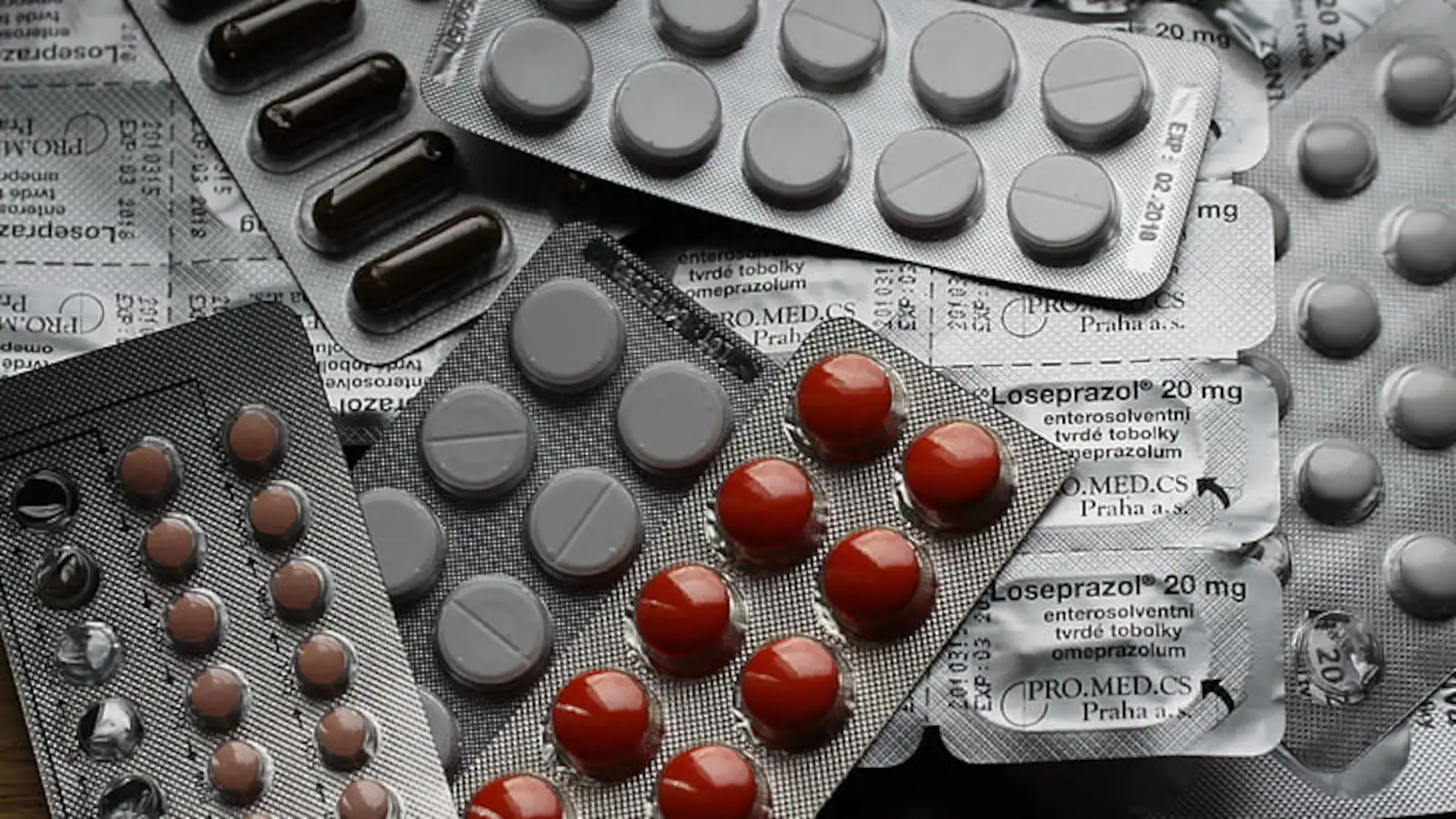
Two commonly used medicines, paracetamol and a blood pressure drug, have failed quality tests conducted by the Maharashtra Food and Drug Administration (FDA) in Nagpur. This has promoted government hospitals to stop their distribution and recall the available stock. The medicines were supplied to Government Medical College and Hospital (GMCH) and Indira Gandhi Government Medical College and Hospital. This has raised concerns about medicine quality and the importance of checking tablets before taking them.
According to reports, the FDA collected samples during routine testing, and the test results led to instructions to stop distribution and recall the affected stock. The medicines involved were paracetamol 500 mg and telmisartan 40 mg, which is used to manage high blood pressure. Reports said the affected medicines were manufactured by Indore-based Cureza Healthcare Private Ltd.
According to a report in TOI, around 1.25 lakh paracetamol tablets were recalled after the hospital received the FDA communication. The tablets had been supplied in July, and the hospital stopped their distribution after receiving the test findings. The paracetamol involved was marketed as Parasev 500 and belonged to batch PTTC-108. The remaining stock was recalled as a precaution after the sample did not conform to the required quality specifications. More than one lakh tablets had reportedly been procured by both hospitals, while GMCH alone had around 25,000 tablets from the affected stock at the time of the recall.
The second medicine was telmisartan 40 mg, which is a drug commonly prescribed to control high blood pressure. The affected batch was identified as CHPLT 416. Apart from visible spots reported on the tablets, the medicine failed the dissolution test. This is important because a tablet needs to release its active ingredient properly for the medicine to work as intended. The hospitals were instructed to stop distribution and withdraw the available stock from wards and pharmacies.
Difference Between A Substandard And Fake Medicine
A substandard medicine is a genuine pharmaceutical product that fails to meet required quality specifications. This can involve problems with appearance, strength, purity, dissolution, stability or other quality parameters.
A counterfeit or fake medicine, on the other hand, may contain the wrong ingredient, too little or no active ingredient, or misleading information about its identity or manufacturer.
How To Spot A Potentially Fake Or Poor-Quality Medicine
1. Check the packaging
Look carefully at the medicine strip, box or bottle. Spelling mistakes, poor-quality printing, unusual fonts, broken seals or packaging that looks different from previous packs can be warning signs.
2. Check the batch number
Look for the batch or lot number, manufacturing date and expiry date. These details should be clearly printed and should match across the outer packaging and the medicine strip.
3. Check the tablets
Do not take a tablet if it has an unusual colour, unexpected spots, cracks, powdering, swelling, unusual smell or changes in shape. It is also important to note that appearance alone cannot confirm that a medicine is fake.
4. Check the name and manufacturer
Make sure the medicine name, strength and manufacturer details are clearly mentioned. If the information looks altered, incomplete or suspicious, ask a pharmacist.
5. Be careful with unusually cheap medicines
A price that is dramatically lower than the usual cost can be a warning sign, particularly when the medicine is being sold through an unfamiliar source. However, a low price alone does not prove that a medicine is fake.
6. Buy from reliable sources
Purchase medicines from licensed pharmacies and legitimate healthcare providers. Avoid medicines sold loose, without proper packaging, or through unknown online sellers.
7. Do not ignore unusual reactions
If a medicine looks different or you develop an unexpected reaction after taking it, speak to a doctor or pharmacist promptly. Do not simply stop an important prescription medicine without medical advice.
Disclaimer: This content including advice provides generic information only. It is in no way a substitute for a qualified medical opinion. Always consult a specialist or your own doctor for more information. NDTV does not claim responsibility for this information.