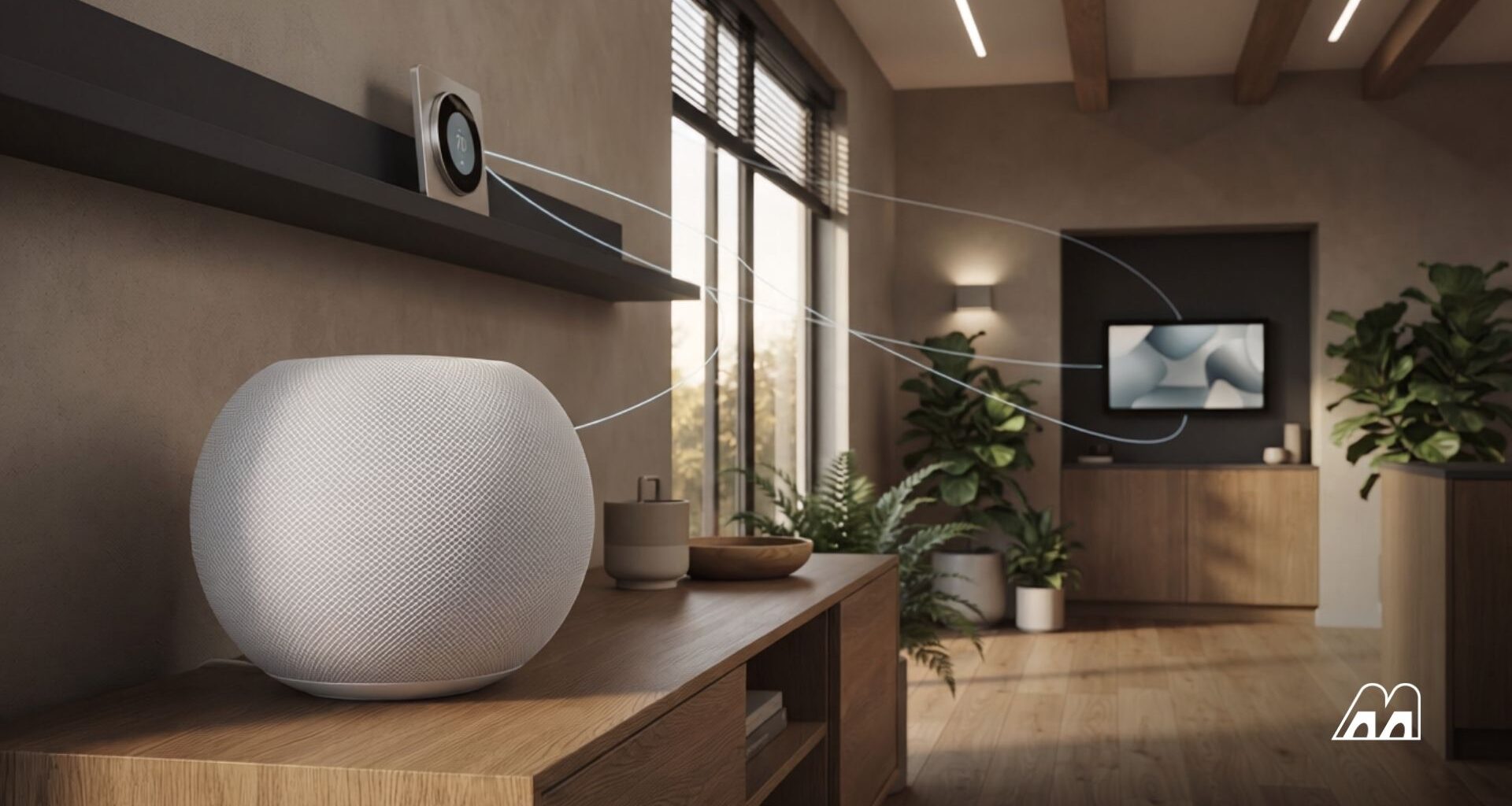
Google Home already controlled smart devices through its own AI. Home MCP changes who else can use that control layer. Outside AI agents like Claude and Hermes can now tap into it too. The early access rollout began on September 16, 2026, through a new standard called Home MCP.
What Your AI Agent Can Now Do
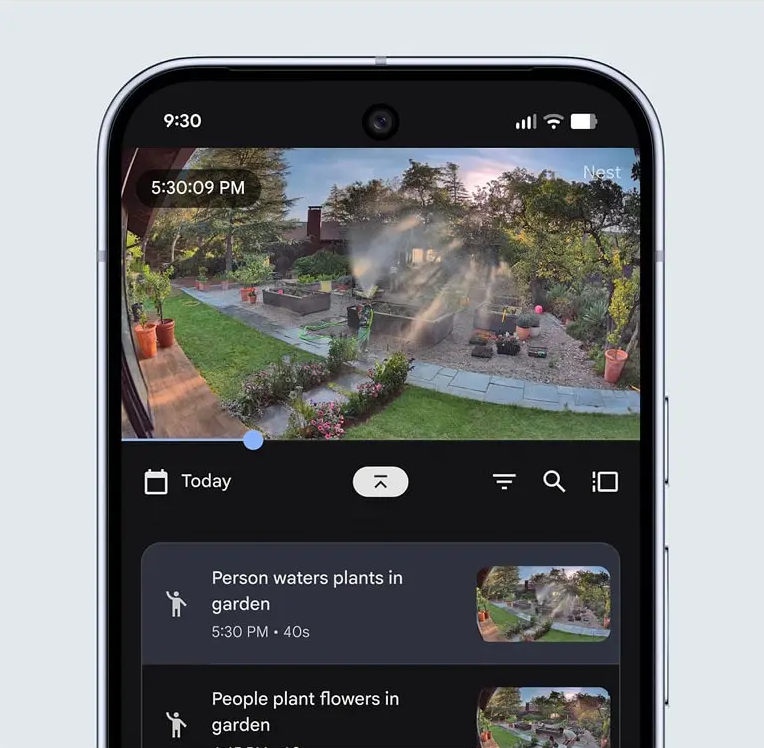
Connect an agent, and it gets access to your smart home. It can analyze activity from compatible Nest cameras and doorbells, check device states, and control supported thermostats and smart-home devices. That includes compatible third-party products already connected through Google Home.
Agents can also query home event history and create custom dashboards. Automations are not available yet. Google says that capability will arrive in a later update.
Ask an agent to review recent front-door activity, check thermostat settings, and send back a summary. It can complete those tasks from a single request. However, it still cannot create or run automations on its own.
One major restriction remains: AI agents cannot unlock doors remotely. They can check lock status, but Google has blocked remote unlocking.
Getting Access, And Getting It Running
The early-access rollout began for eligible Google Home Premium Advanced subscribers in the US on September 16, 2026. Google says availability will expand over the coming weeks. The plan costs $20 a month or $200 a year.
The setup is where things get tricky. Users must create a Google Cloud project, enable the Home API, configure OAuth credentials, connect an MCP-compatible agent, and approve permissions. Google also warns that some experimental device features may not work as expected.
That whole process feels built for developers rather than households simply trying to connect lights and cameras to an AI assistant.
The Risk Of Letting AI Touch Real Devices
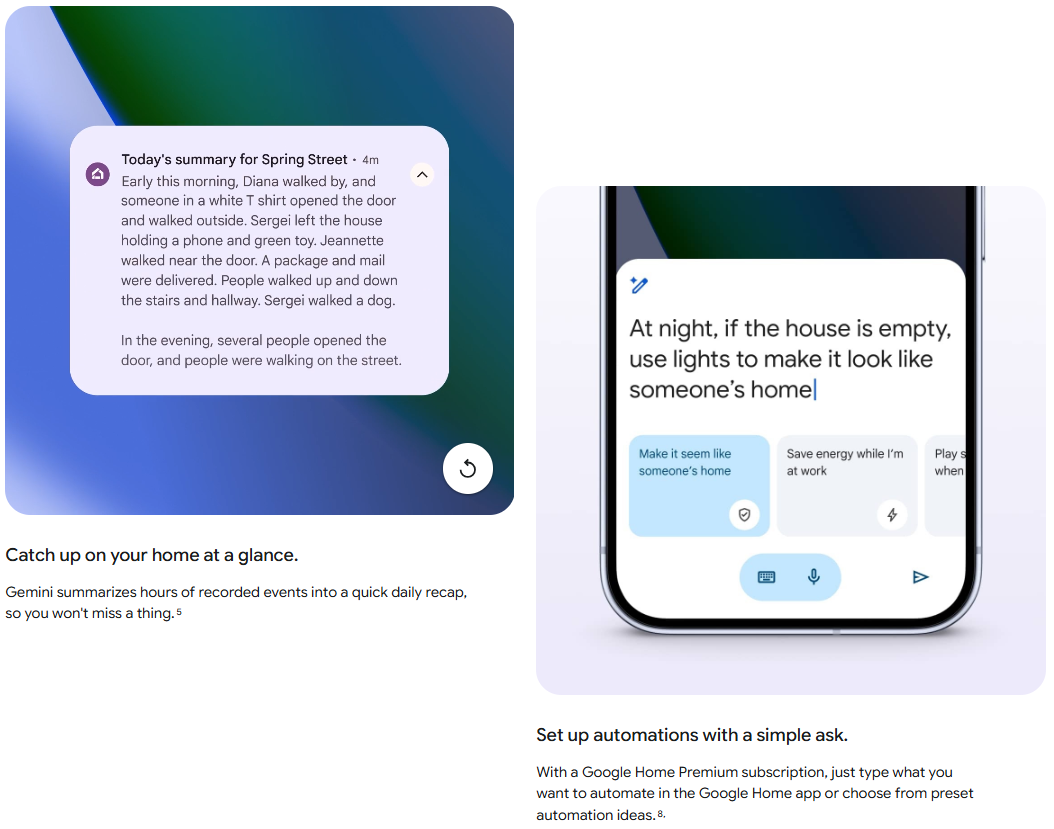
Handing AI the keys to your devices comes with real trade-offs. Google has added safety controls, including rate limits and restrictions on sensitive actions. Even so, Google admits things can still go sideways.
One important risk is prompt injection. A hidden instruction buried in an email or webpage could quietly influence what an agent does next. AI systems become more dangerous when they can access private data and control real devices. Prompt injection remains a concern whenever an AI system can process untrusted content and act on physical devices.
Google advises users to tell other household members before granting an agent access. Access can also be revoked at any time.
A chatbot mistake usually produces a bad answer. A smart-home AI mistake can trigger a real-world action.
Google’s Long-Term Plan
The move suggests Google wants to become the infrastructure layer behind AI-powered smart homes, even when users choose a third-party assistant.
By opening its device and data layer, Google can keep Google Home at the center of the ecosystem. Consumers still choose the AI agent they prefer while Google manages the hardware connections underneath. It’s an infrastructure play similar to cloud platforms that quietly power software behind the scenes.
That open approach sounds attractive, but many developers remain skeptical. Google has previously shut down projects including Works with Nest, Project Brillo, and Weave. It explains why some developers remain cautious about treating Home MCP as a long-term commitment.
How Smart Homes Are Changing
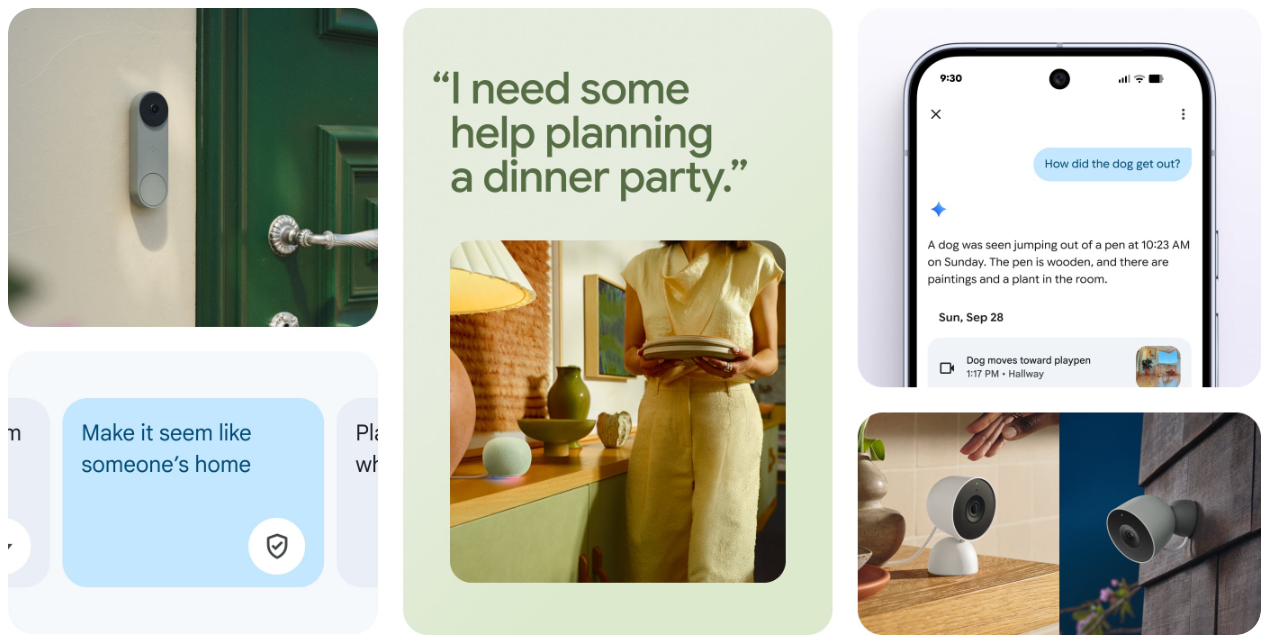
Google is not alone. Home Assistant already lets AI models control devices, while platforms such as Homey Pro and SwitchBot are building similar capabilities.
The smart-home market increasingly looks divided into two camps. One camp builds a single AI assistant. The other builds platforms that work with many assistants.
Home MCP belongs in the second group.
The feature is still limited, expensive, and aimed at early adopters. But it signals a bigger shift for Google Home AI. For years, people asked what AI could tell them. Now the more important question is what AI can actually do. Google is betting that the future of AI starts when software moves beyond conversation and begins taking action. If that bet succeeds, smart homes could become one of the first places where AI agents prove their value outside the chat window.
FAQsIs Google Home MCP safe to use?
Google has added safeguards, including restrictions on remote door unlocking. However, experts still warn that prompt injection and other AI security risks remain possible.
Will Home MCP replace Google Assistant?
No. Home MCP is an additional integration layer. It does not replace Gemini for Home or existing Google Home controls.
Who can use Home MCP right now?
Only Google Home Premium Advanced subscribers in the US can access the feature today. Google has not announced a wider rollout.
How much does it cost?
The Advanced plan costs $20 per month or $200 per year.
Is setup easy for average users?
Not currently. Users must create and configure a Google Cloud project before connecting an AI agent.
Can an AI agent unlock my doors?
No. Google specifically blocks remote door unlocking, although agents can check whether a door is locked.
Jennie is a tech and AI writer at Memeburn, where she turns complex engineering into stories everyone can enjoy. With over two years of experience as a software engineer, she has built everything from smart automation tools to large-scale data systems. Because she knows firsthand how software is created, she has a knack for breaking down tricky tech trends and AI breakthroughs into clear, natural language. At Memeburn, Jennie uses her builder’s perspective to deliver fresh, insightful coverage on the latest in tech news, making advanced developer concepts accessible and engaging for all readers.