
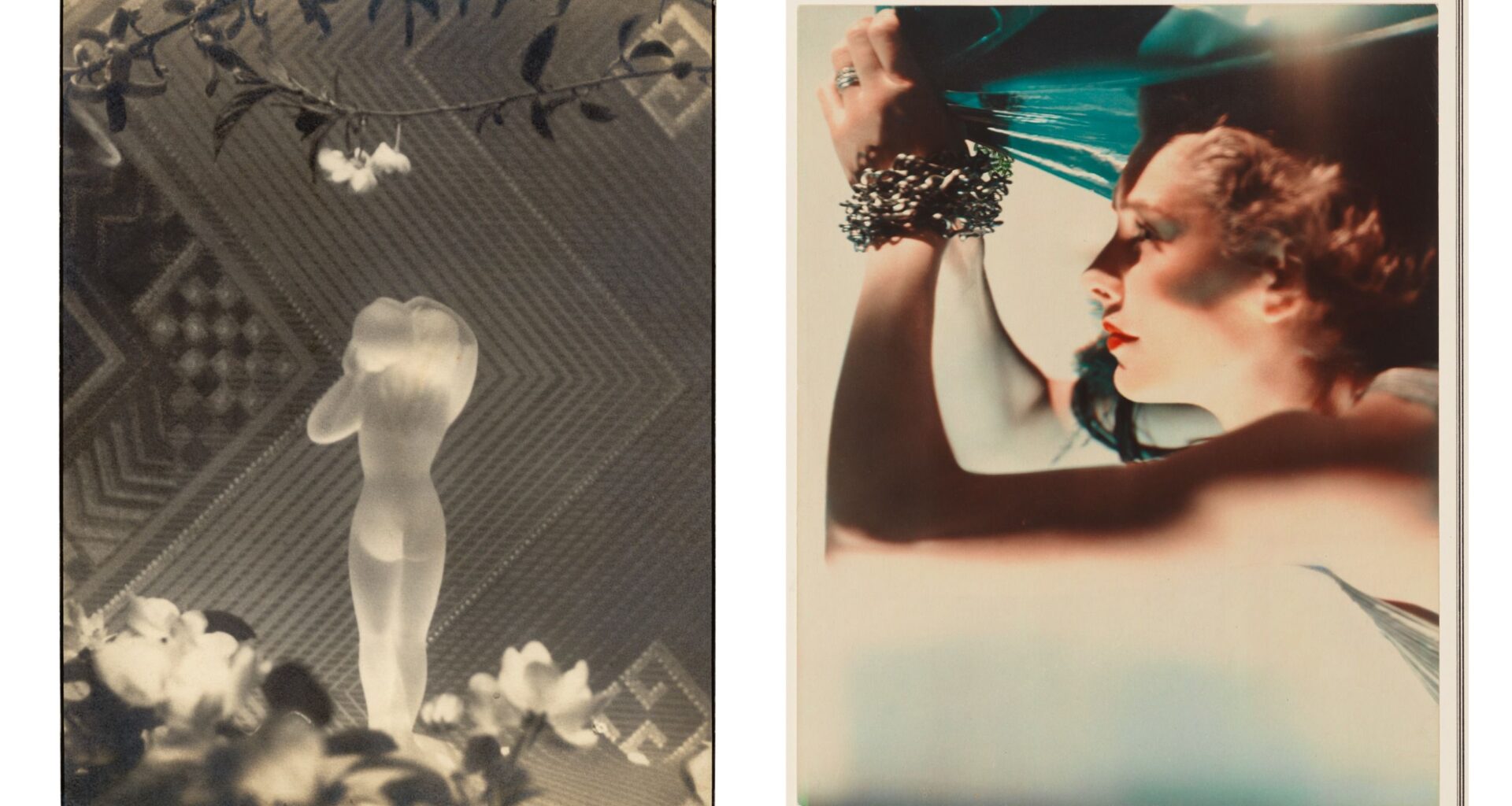
It’s funny if you think about it. Those of us who were born in the last century like to think that digital technology, the web and social media has changed everything completely (and, invariably, made everything in the world worse).
But, every now and again, you realize that the French saying “plus ça change, plus c’est la même chose” (“the more things change, the more they stay the same”) is just as applicable in 2026 as it’s always been.
For instance, there’s been a big divide on Instagram for years now between the #nofilter crowd – who feel that any artificial enhancement of a smartphone image is fake and lame – and those who love the idea that a lackluster shot can be brought to life with fun filters and effects.
Latest Videos FromDigital Camera World
Instinctively, this feels like a debate that could only be had in the 21st century. And yet, as a new exhibition shows, a variation on this argument has actually been ranging since the dawn of the medium.
From the 1880s onwards, there was one group of photographers that wanted everything to look as clear, sharp and like what you’d see in real life as possible. In the opposite corner, though, was a movement known as Pictorialism.
You may like
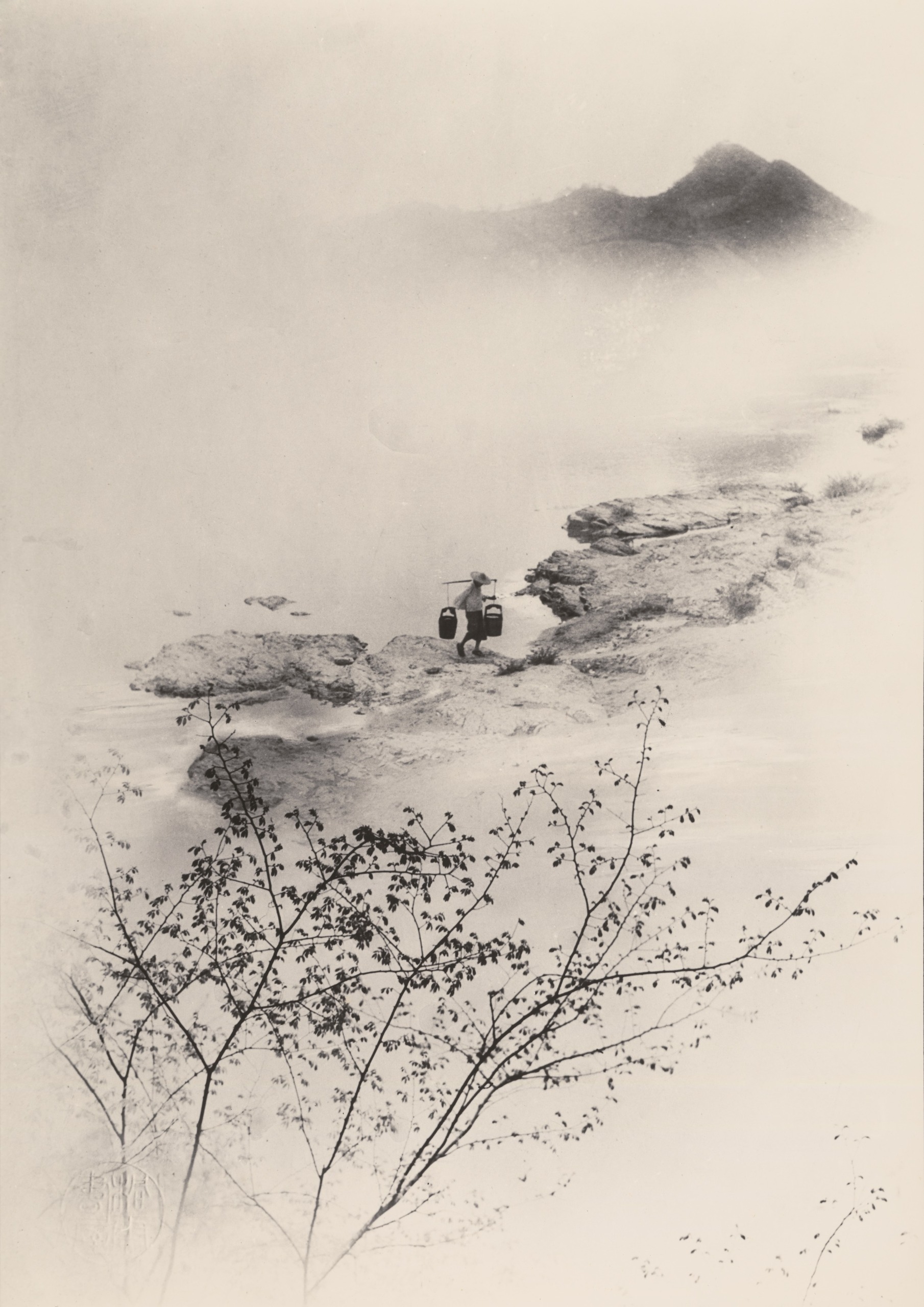
Riverside Spring, 1942, by Long Chin-San. The Royal Photographic Society Collection at the V&A, acquired with the assistance of the National Lottery Heritage Fund and Art Fund (Image credit: Courtesy the Estate of the Artist.)
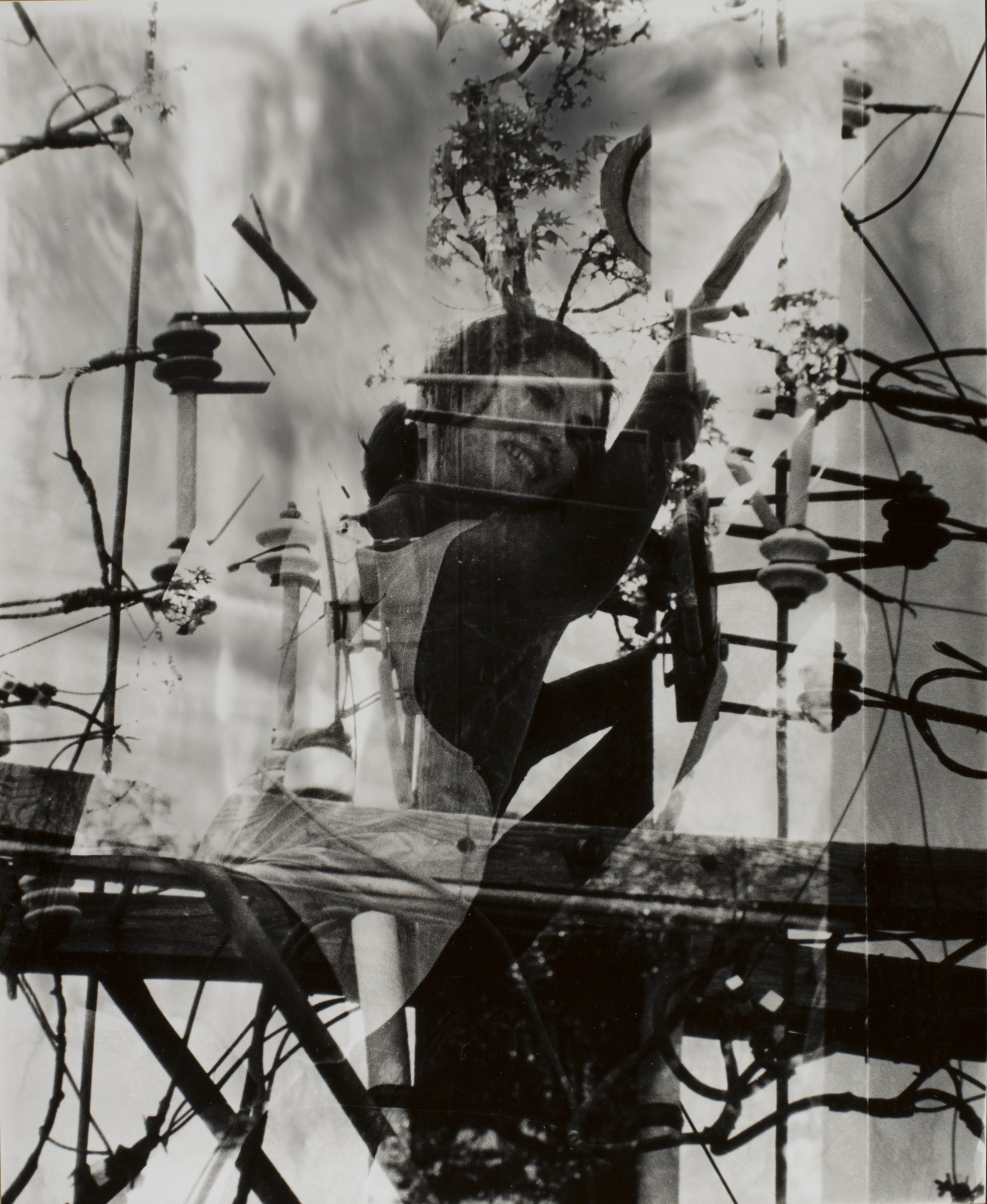
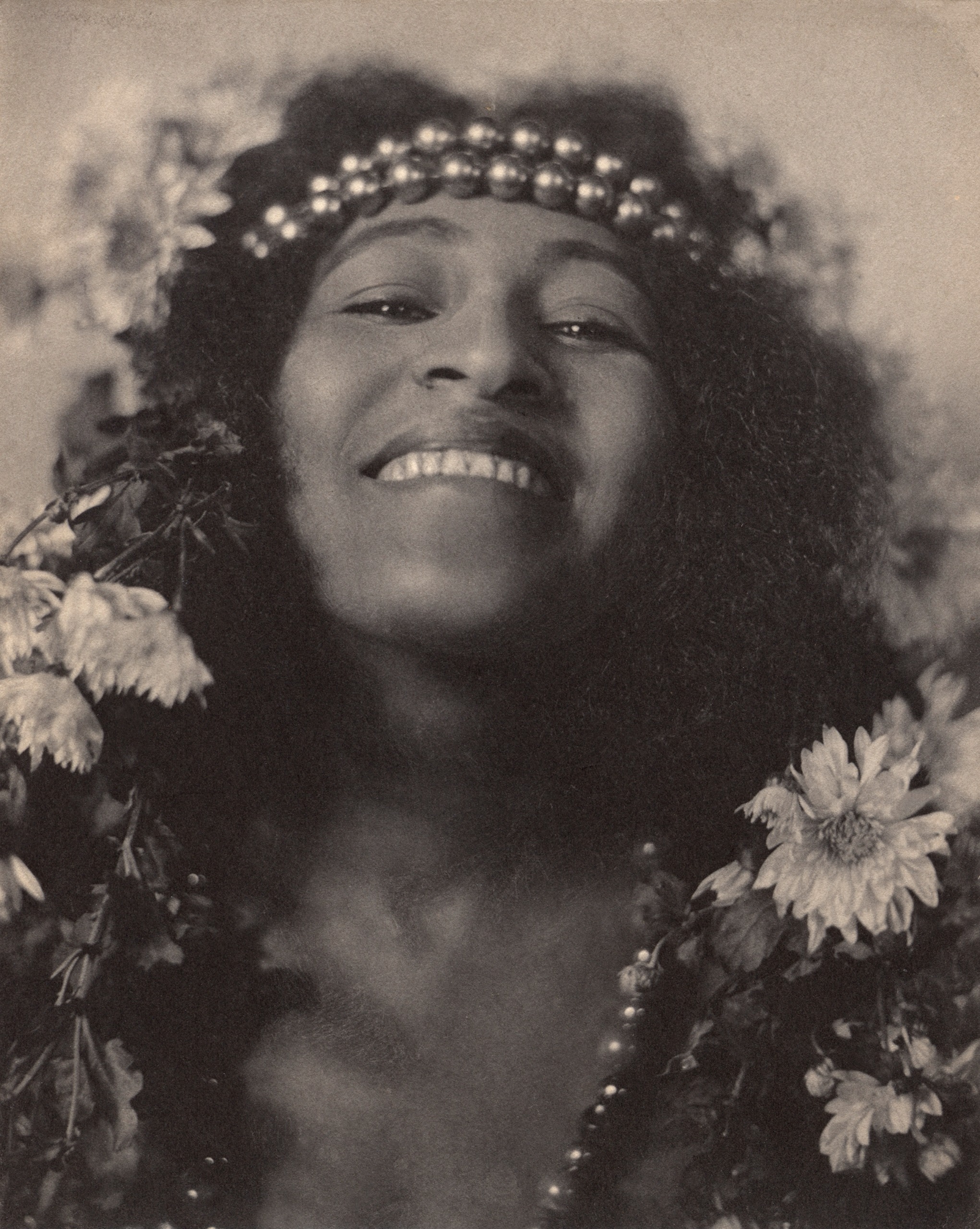
Miss Thomson, New Mexico, c.1922, by Paul Strand. Wilson Centre for Photography (Image credit: © Paul Strand Archive, Aperture Foundation.)
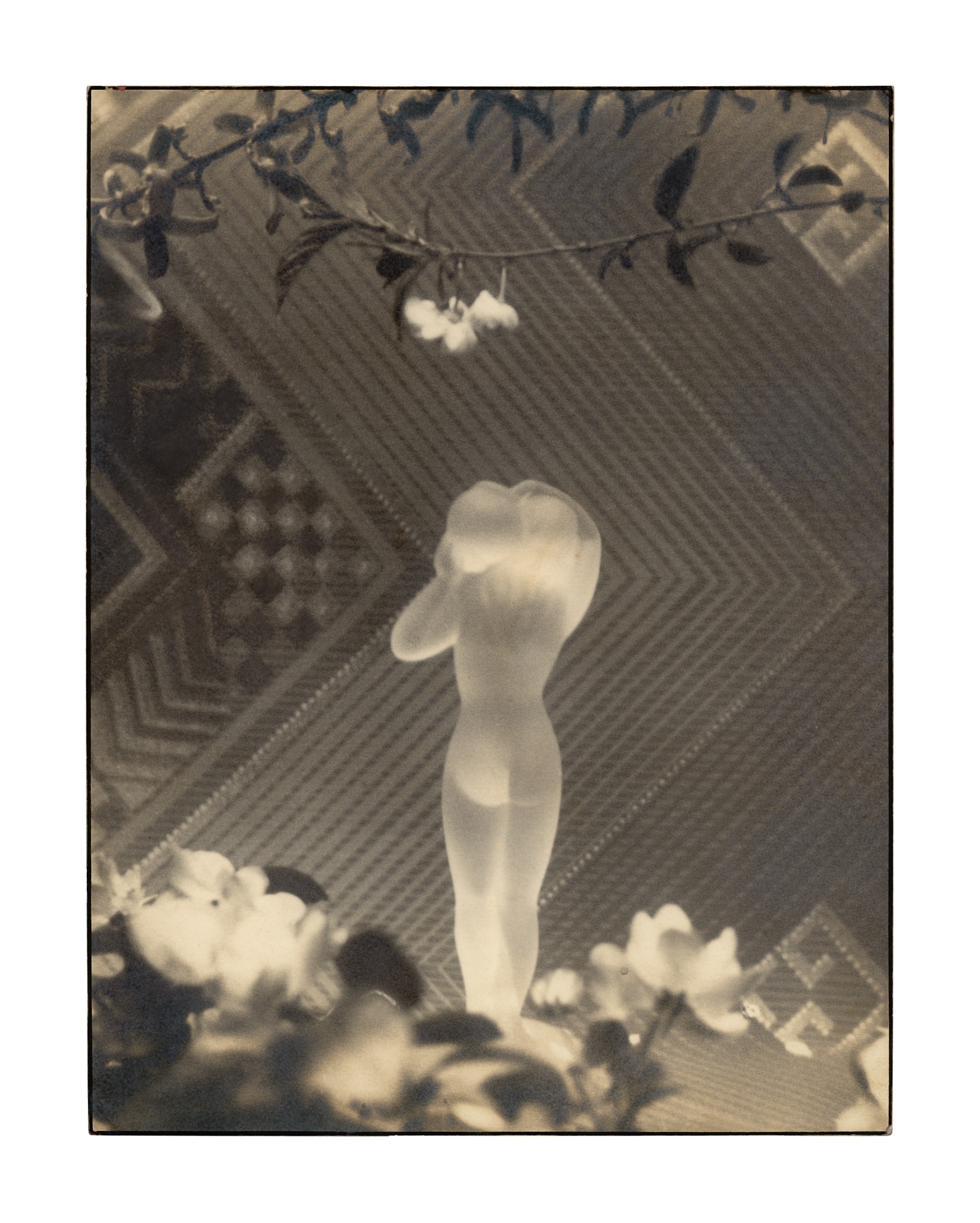
Drawing Water from a Well, May 1932, by Luo Bonian. Gelatin silver print on paper 24.5 x 18.8 cm (Image credit: ©️ Luo Bonian, Courtesy of Luo Bonian Art Foundation and Three Shadows +3 Gallery)
This school of thought believed that photography should not aim to mechanically reflect reality, but should be used as a vehicle for personal expression and evoking emotions in the viewer, just like a painting.
This could be achieved by working a print by hand, softening focus, printing on heavily textured paper, scratching or solarizing the negative, building an image up in layers and so on.
Taking place at the Tate Modern in London, England, Light and Magic: The Birth of Art Photography is a new show devoted to the Pictorialist movement.
Across 200 vintage prints from more than 80 artists, it follows the story from the 1880s through to the 1960s and features not just Europeans but photographers working in Shanghai, Colombo, Singapore and South Korea.
From printmaking to solarization
One of the exhibition’s most interesting sections focuses on printmaking itself. Pictorialists treated the darkroom, not the lens, as the mother of authorship.
What to read next
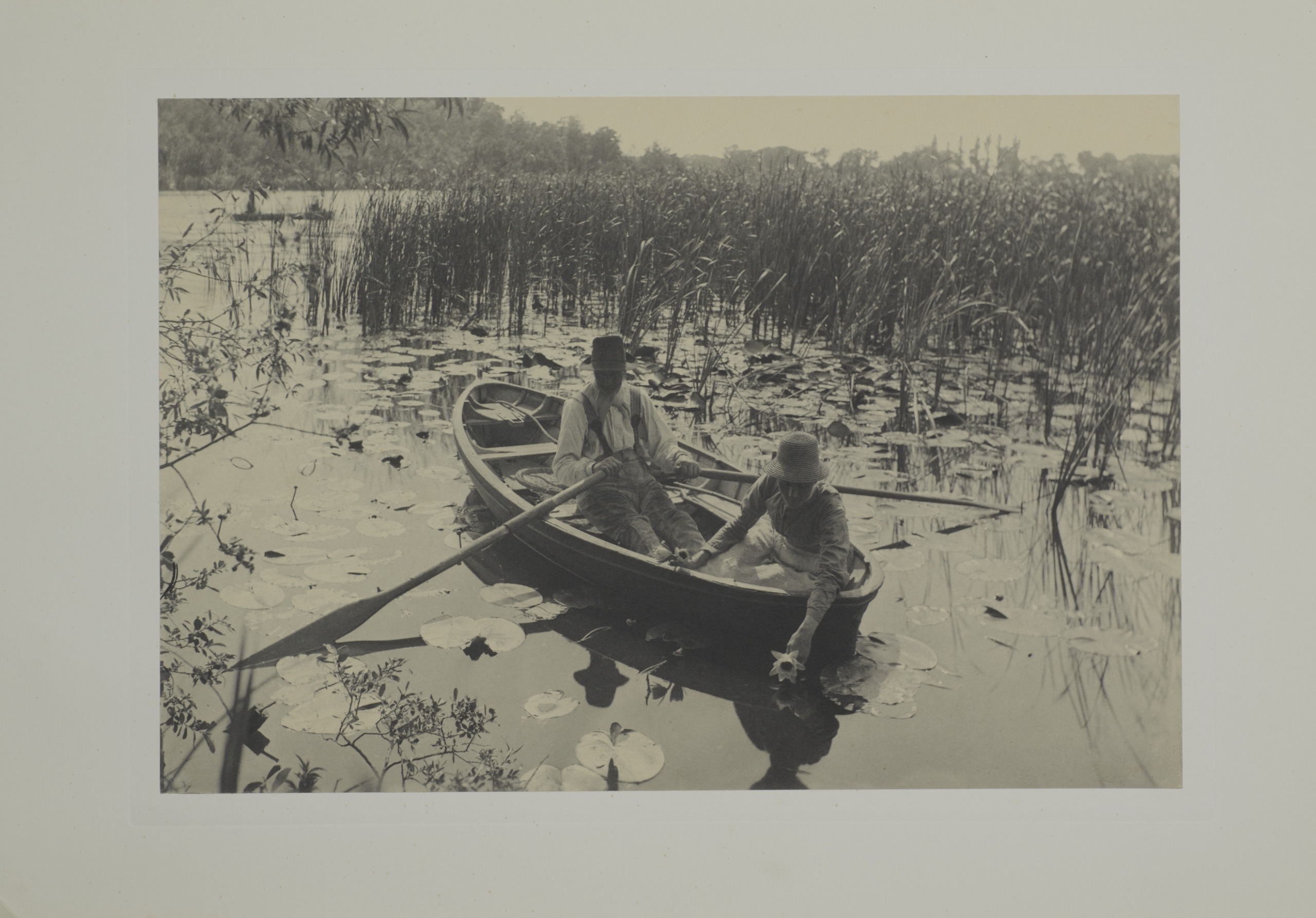
The same negative could yield wildly different final images depending on paper, process and hand-finishing. And Light and Magic demonstrates that by pairing examples, including Peter Henry Emerson and Thomas Frederick Goodall’s 1885 study Gathering Water-Lilies.
A working darkroom installed in the gallery lets visitors see the process itself. For anyone who’s obsessesed over Instagram filters, it’s a reminder that messing about with how a picture looks is in no way a modern development.
Title Unknown, c. 1950s, by Shigeru Onishi. Tate (Image credit: © Estate of Shigeru Onishi.)
Shells, 1927, by Edward Weston (Image credit: Tate. All rights reserved, DACS 2026.)
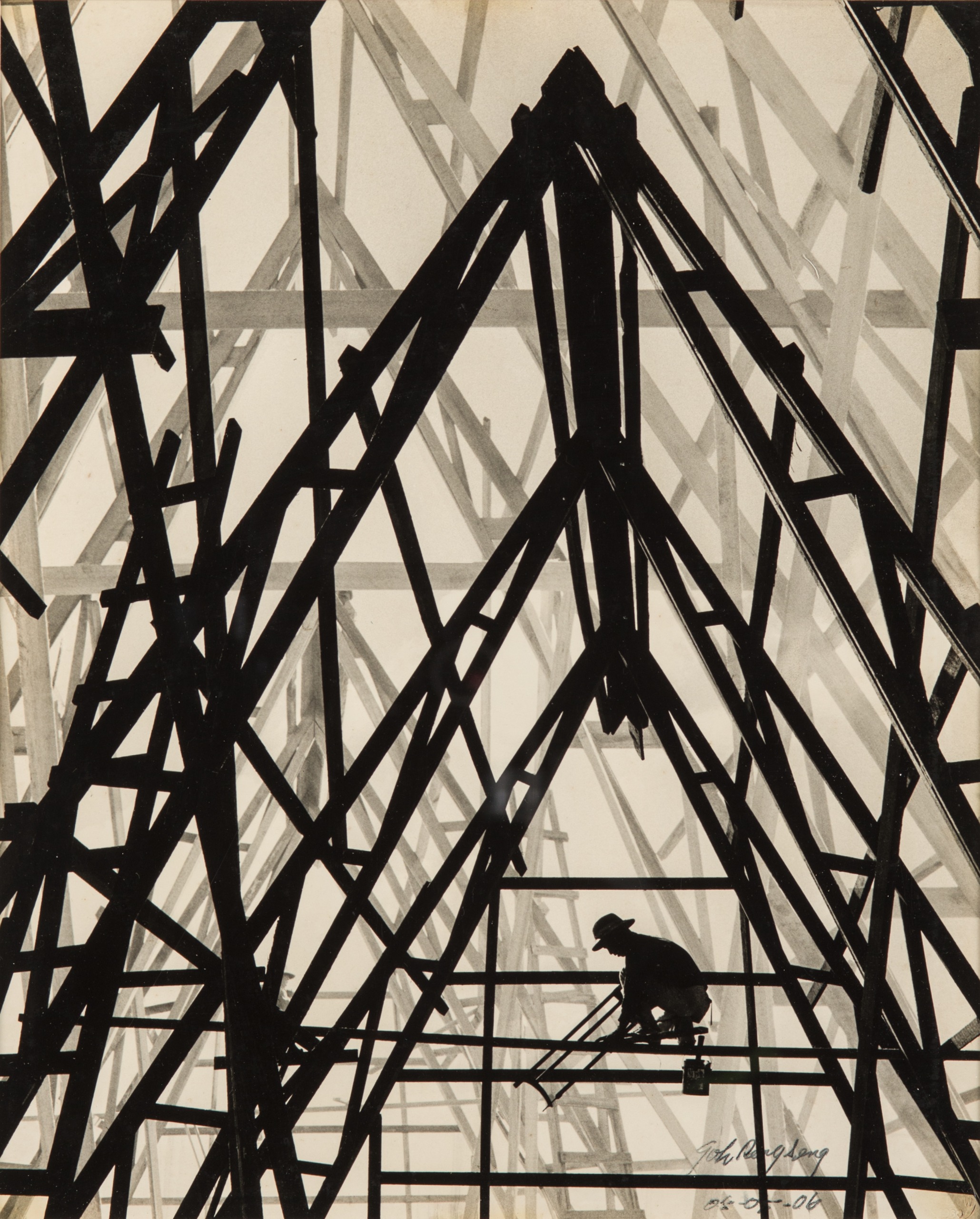
Construction, 1958, by Wu Peng Seng. Gelatin silver print on paper, 49.5 x 40 cm. Collection of National Gallery Singapore. Image courtesy of National Heritage Board, Singapore (Image credit: © Wu Peng Seng family)
The exhibition’s final section is where things get properly freaky. Sri Lankan photographer Lionel Wendt’s solarized 1930s portraits sit alongside Japanese artist Shigeru Onishi’s experimental 1950s compositions, both pushing Pictorialist technique somewhere closer to abstract painting.
It also tracks how Edward Steichen, Paul Strand and Edward Weston moved between Pictorialism and Modernism within their own careers: these were less rival camps than overlapping ways of achieving the same goals.
Overall, from hand-worked 1880s prints to 1950s solarization, Light and Magic highlights how the 19th and 20th centuries were full of people who took a photograph, but refused to accept the image captured in the camera as the final word. Plus ça change indeed…
Light and Magic: The Birth of Art Photography runs at Tate Modern from October 14 2026 to February 21 2027.
Photo finishing is just as important today as it ever was, so take a look at the best photo printers and the best photo paper to make “physical filter” choices of your own.