
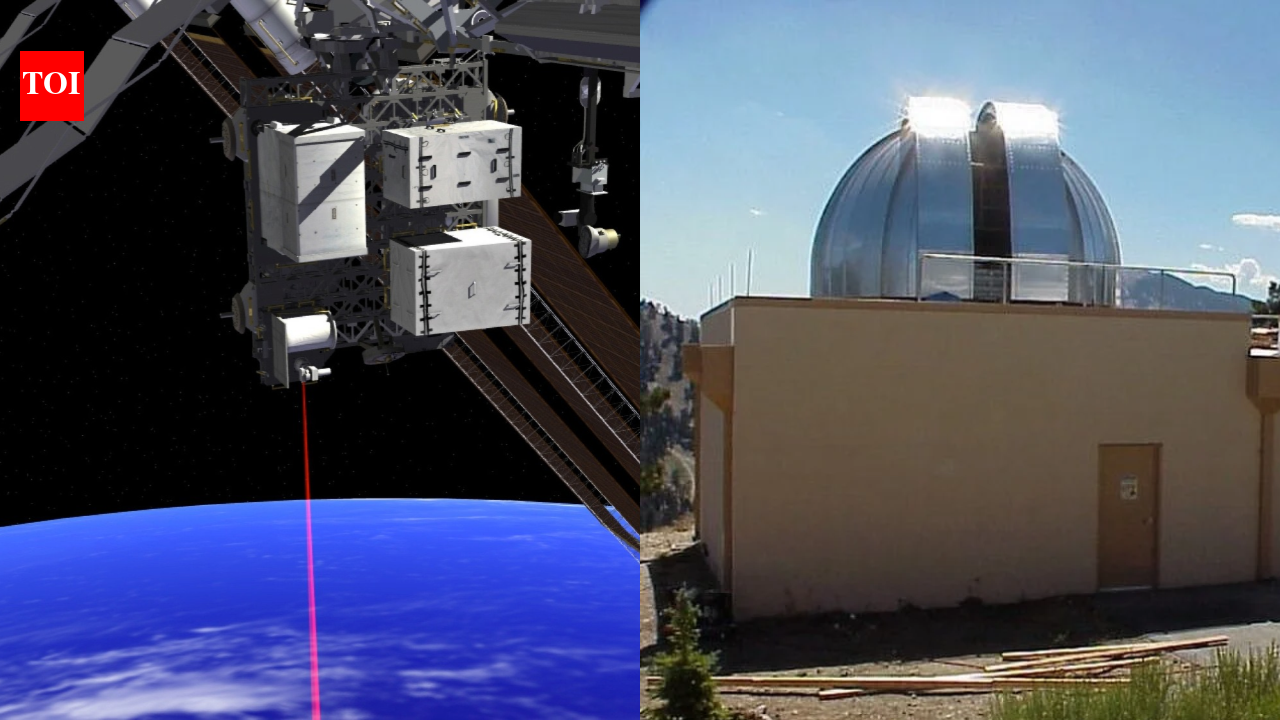
 Artists rendering of an OPALS downlink/OPALS ground system | Wikimedia Commons NASA sent a high-definition video from the International Space Station to Earth using a laser rather than a conventional radio communication link on June 5, 2014. The test was part of the Optical Payload for Lasercomm Science, or OPALS, which is a technology demonstration installed on the space station to examine whether optical communications could move large amounts of data between spacecraft and Earth. NASA said the transmission traveled about 260 miles from the ISS to a receiving station in California.The video message was called “Hello, World!” and marked the first 175-megabit communication recorded by the OPALS system. NASA described the test as a way to investigate communication rates higher than those available through traditional radio-frequency systems. High-definition video requires much more bandwidth than many routine spacecraft transmissions, which makes it a useful demonstration for a communications system designed around higher data rates. OPALS arrived at the ISS on April 20, 2014, aboard SpaceX’s Dragon cargo spacecraft, and was designed as a technology demonstration rather than a permanent communications system.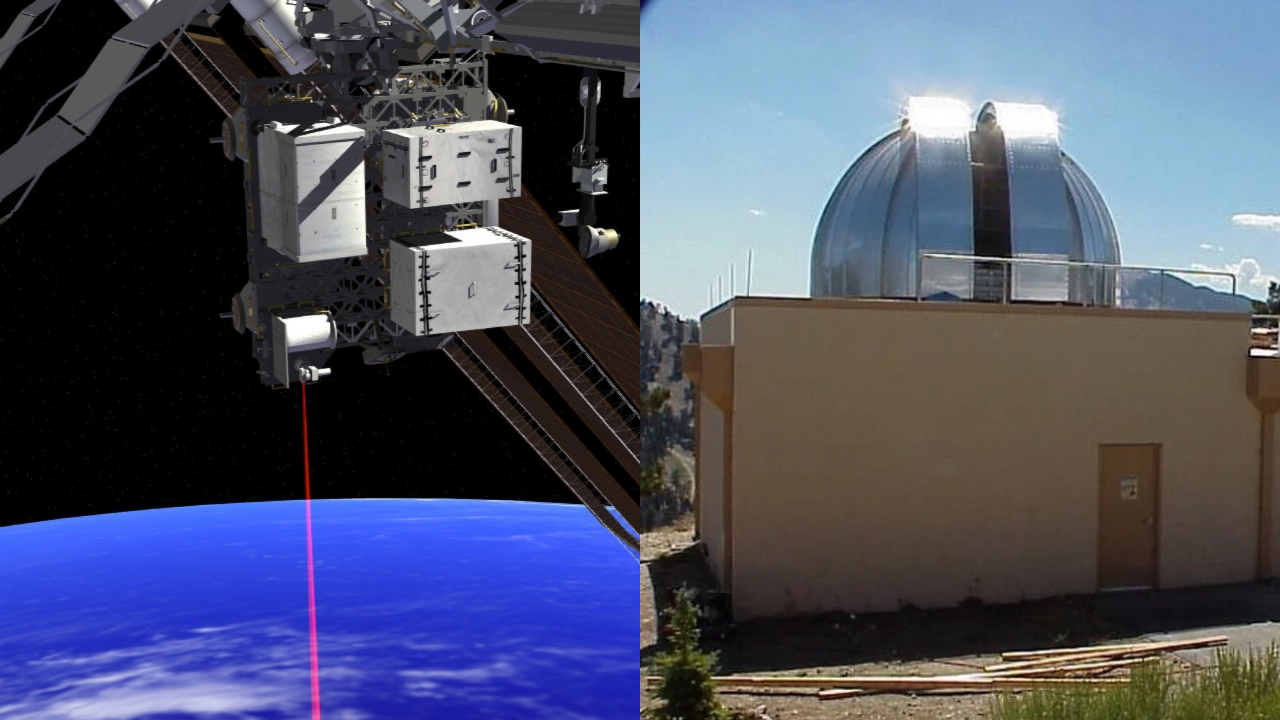
Artists rendering of an OPALS downlink/OPALS ground system | Wikimedia Commons
OPALS used a laser beam instead of a radio signalRadio waves have traditionally handled communication between spacecraft and Earth, and OPALS tested an optical system that used a focused laser beam to carry the information. The equipment that was aboard the ISS had to establish a connection with a ground station and maintain the laser link in a manner that was accurate enough for the data to reach its destination. NASA’s Jet Propulsion Laboratory described the system as an experiment in using focused laser energy for space communications. The ground terminal was located at Table Mountain near Wrightwood, California, while the OPALS payload operated from the space station.The system also required the ground station to locate and track the ISS, and a beacon helped establish the connection before the optical communications link was formed. That tracking requirement was one of the practical problems NASA needed to study, since a laser beam can carry a large amount of information, but it is much narrower than a conventional radio signal. The transmitter and receiver therefore have to be pointed at each other with considerable precision.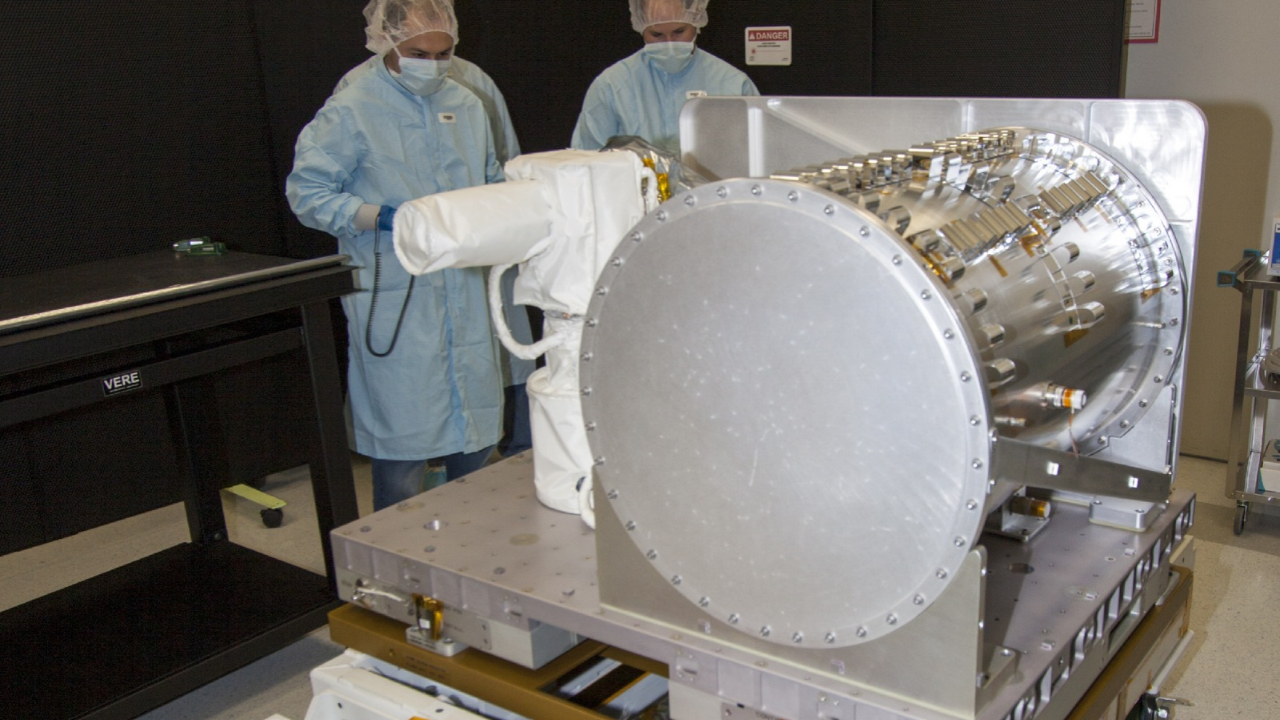
OPALS under construction | Wikimedia Commons
The test was part of a larger push for space communicationsSpacecraft generate increasing amounts of scientific data, particularly as cameras and other instruments become more capable, and sending that information back to Earth can become a communications bottleneck. JPL said that OPALS was intended to test methods for improving the data rates available to future spacecraft, and was also designed to demonstrate the potential of optical communications for missions that were operating beyond low-Earth orbit.The demonstration did not turn the ISS into a laser-based internet hub, since it was a technology test. OPALS remained aboard the station until 2017, when the payload was removed. The 2014 video transmission nevertheless provided NASA with an operational test of a different way to move information between orbit and Earth, as engineers transmitted a high-definition video through a laser link at 175 megabits per second instead of sending a conventional radio message. That could matter for future missions as spacecraft generate larger volumes of images, measurements and video while operating farther from Earth.