
When record breaking weather becomes our new normal, the detrimental effect the climate crisis is having on the entire world is indisputable. This year, the UK has faced its hottest summer ever on record, in almost 150 years. That has included five heatwaves, starting in May and temperatures soaring up to 38.1C. Even Scotland, notorious for its high rainfall, faced fires across the Cairngorms – a phenomenon unheard of until a few years ago.
Results from a poll commissioned by Greenpeace UK, says it “shows a nation fundamentally unequipped to cope with rising temperatures caused by climate change.” It’s meant a 300 per cent increase in Britons looking for air-conditioning, schools and nurseries closing, and more than 2,700 excess deaths in England and Wales according to the Met Office.
Around the world, America has seen heatwaves affecting 50 million people, with temperatures up to 40C (105F) and wildfires across France and Spain have forced hundreds of thousands to evacuate. The first scientific study into the devastating floods in Nepal found that the climate crisis was a contributing factor to the collapse of a glacier that left hundreds dead.
The evidence of the climate crisis was also laid bare on the world stage for all to see at the 2026 World Cup hosted in Mexico, Canada and the USA. Extreme heat and humidity meant air-con was installed in venues and water breaks were introduced to help keep players hydrated in temperatures of up to 33C.
The summer is not the end of it either, as more extreme weather is on the cards thanks to it being a “super” El Niño year – a natural weather phenomenon occurring every few years – that starts in the Pacific Ocean and will bring wetter and stormier weather to the UK in winter, and will see Asia and Africa hit even harder.
However, these physical extremes means attitudes are beginning to change in the face of such stark evidence – even among those previously skeptical. With that comes meaningful action too, resulting in deaths linked to London air pollution falling by 40 per cent. Meanwhile, renewables accounted for almost 50 per cent of Europe’s gross energy consumption in 2025, up from 16 per cent in 2004, according to Eurostat.
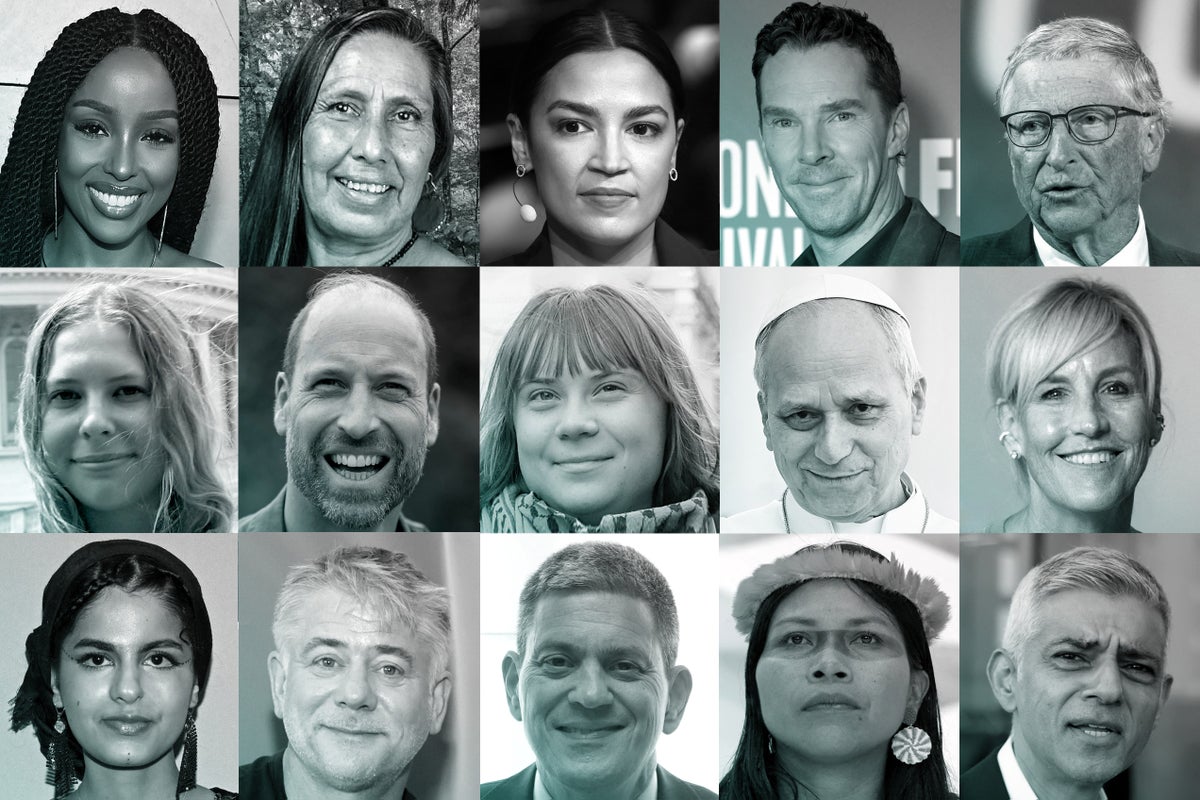
Thankfully, there are many people, groups and companies who are pushing for greater positive change all around the world. You’ll find many of them in the third edition of The Independent’s Climate 100 List, which is published today.
There’s no order of importance or ranking to this list. Instead, it’s a recognition of the individuals and companies dedicated to finding climate solutions. Some have made a splash recently with a notable contribution to the fight, while others are celebrated for their long-term – or even lifetime – commitment and contribution. We also asked you, our readers, to nominate five unsung climate heroes.
The list’s publication coincides with Climate Week NYC – one of the climate world’s biggest events – where The Independent will be hosting its own Climate 100 event. It will include a keynote speech from David Miliband, the CEO of International Rescue Committee.
So, meet the inspirational people solving the planet’s greatest challenges.
Activists1. Erin Brockovich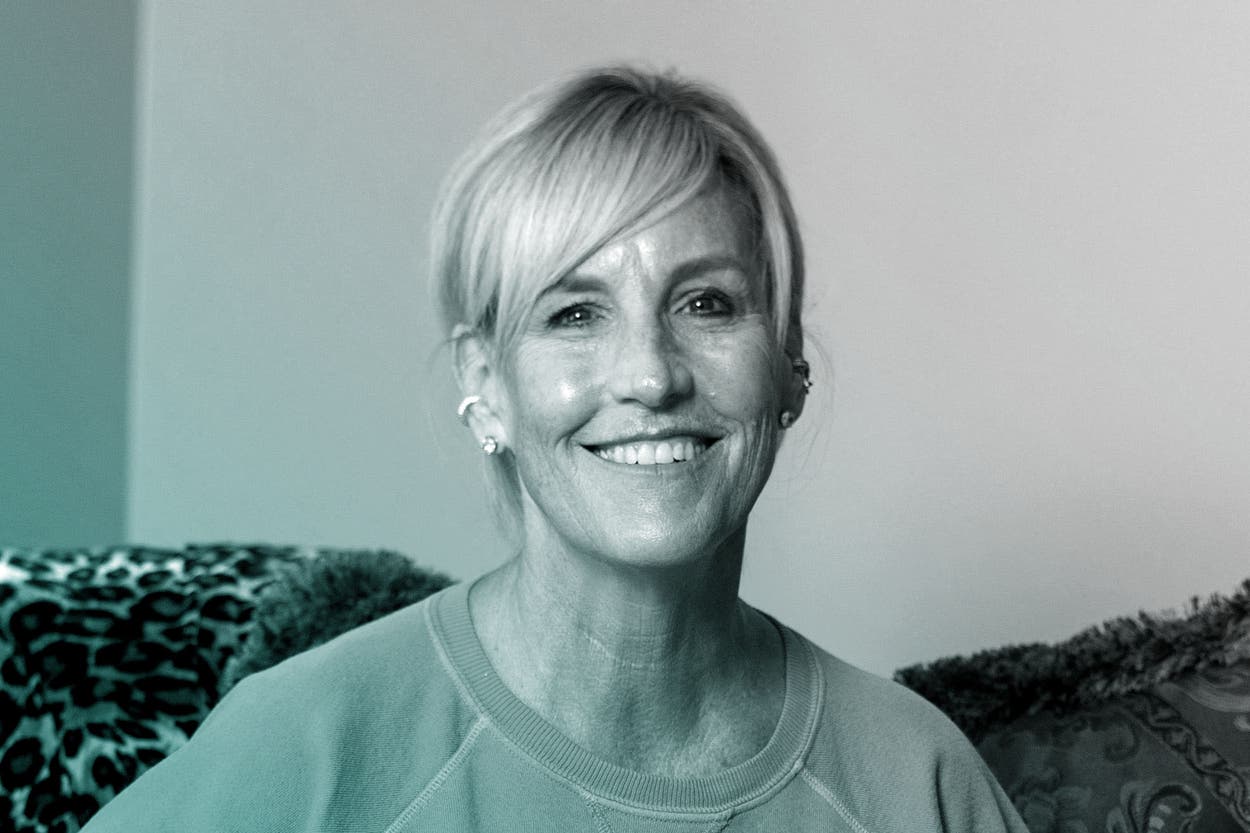 (AFP/Getty)
Erin Brockovich may be best known for being portrayed by Julia Roberts in the award-winning movie from 2000, but she has been an environmental activist and consumer advocate for “the people” for more than 30 years.
Earlier this year, she noticed a pattern in the daily series of emails she receives from people around the country concerned about pollution from manufacturing plants and other large industrial operations. Dozens were complaining about new data centres under construction and proposed in their communities – used to power the AI ambitions of giant tech companies such as Google and Amazon.
She quickly built out a map of the data centres she was aware of and published it online. Within 72 hours she had received concerned emails from all 50 states. The Brockovich Data Center Map currently shows more than 9,200 complaints across the US. Texas has the most complaints, followed by Ohio and Virginia.
Brockovich has found herself at the center of one of the most growing environmental issues in the US this year; one that is becoming a major battle among candidates in the midterm elections in November. She said in an interview with The Independent she supports “a pause” in building and planning until the true impact on these vast data centers on local power and water supplies can be studied.
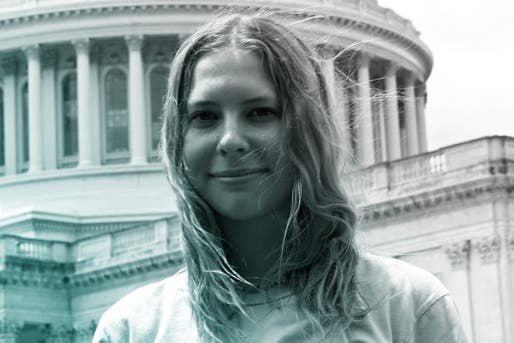
2. Eva Lighthiser
Aged just 20, climate activist Eva Lighthiser is taking on one of the most powerful figures in the world as the lead plaintiff in Lighthiser v Trump. She and 21 other young Americans are challenging the president’s plans to expand fossil fuel production and roll back climate protections. They argue the policies threaten their constitutional rights to life, liberty and a liveable future. She said in court that Trump’s plans are “sacrificing the lives of myself and my fellow plaintiffs by expanding fossil fuels for the sake of power”.
 (AFP/Getty)
Lighthiser’s activism began at 14, when she joined Held v Montana, a landmark youth-led legal case arguing that the state’s fossil fuel policies violated young people’s constitutional right to a clean and healthful environment. In 2023, the case became the first constitutional climate lawsuit in the US to go to trial, and the plaintiffs won.
Growing up in Livingston, Montana, surrounded by mountains and rivers – punctuated by mile-long coal trains travelling through it, Lighthiser has seen the effects of a changing climate first-hand. From devastating floods to increasing threats to Montana’s ecosystems. Now studying environmental issues at the University of Colorado, she is continuing to use the courts as a tool for climate action. After the Ninth Circuit rejected her latest case in June, she and her fellow plaintiffs asked the full court to reconsider it. On 10 August 2026, the full Ninth Circuit declined to rehear the case. The youth plaintiffs are assessing their next steps, including whether to bring a new case, as the constitutional questions at the heart of their case remain unanswered.
3. Genevieve Guenther
Genevieve Guenther is a climate change activist and consultant and the founding director of End Climate Silence, a media watchdog dedicated to fighting anti-climate disinformation and propaganda and encouraging more news coverage of global warming.
 (Supplied)
She is also an affiliate faculty member of the Tishman Environment and Design Center at New York’s New School.
She is also the author of books, including The Language of Climate Politics, Fossil-Fuel Propaganda and How to Fight It .
This spring, in an article in the Bulletin of Atomic Scientists, she took on a campaign from the right that said climate change was no longer dangerous because scientists had reduced their potential harm estimates due to gains in clean energy and carbon reduction.
The article was titled “Sorry, climate change is still dangerous, no matter what nonsense Trump emits.”
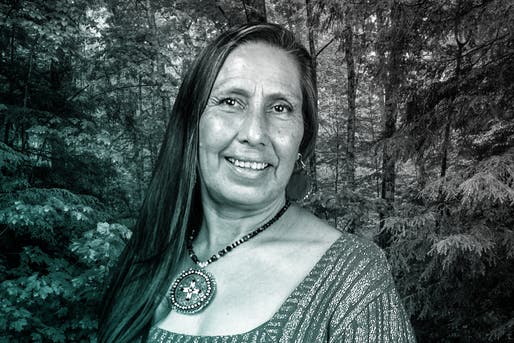
4. Casey Camp-Horinek
For Casey Camp-Horinek, protecting the planet is not solely about saving nature from humanity – it is about recognising that humans are part of it. The Ponca Tribe Nation elder and environmental ambassador has spent decades defending her people and becoming a leading voice in the global Indigenous Rights of Nature movement, which aims to legally recognise ecosystems as living entities.
 (Getty)
Camp-Horinek helped lead the Ponca Nation of Oklahoma to become the first US tribe to recognise the Rights of Nature in tribal law in 2017, giving nature – rather than simply people – legal rights and protections. In 2022, the tribe went further, enacting an Immutable Rights of Rivers statute. She now chairs the Indigenous Council of the Global Alliance for the Rights of Nature and the board of Indigenous-led organisation, Movement Rights.
Her activism is rooted in the experience of a community that has faced generations of displacement and environmental damage. The Ponca homeland in Oklahoma has been heavily affected by fossil fuel extraction, pipelines and refineries, which Camp-Horinek has called “environmental genocide”. She is helping bring Indigenous knowledge and law into the heart of the climate movement, showing that humans are not separate from nature, but part of it.
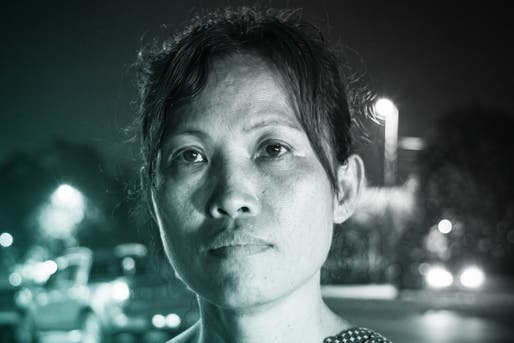
5. Pua Lay Peng
Former chemist turned activist Pua Lay Peng realised her community in Jenjarom, in the state of Selangor in Malaysia, was suffering from the devastating effects of the increased amount of illegal plastic dumping, following China banning plastic waste imports in 2018. Illegal plastic recycling factories opened, emitting fumes with an acrid smell in the air, polluting waterways, and leaving residents suffering from respiratory issues and fatigue.
 (Twin Seas Media)
To combat it, she co-founded the Kuala Langat Environmental group (Persatuan Tindakan Alam Sekitar Kuala), and rallied the community to push for action from local authorities, which she even faced death threats for.
She’s been nicknamed the Erin Brockovich of Malaysia, after successfully shutting down more than 300 illegal recycling factories by visiting sites, filming them and posting it to YouTube. But more are beginning to reappear. The group has helped improve both the air and water quality and empowered communities to succeed in regional action, not only in her community but across the country too.
During Malaysia’s chairmanship of ASEAN 2025 (Association of Southeast Asian Nations), Peng worked closely with Greenpeace Malaysia to advocate for regional human rights and environmental reforms, arguing that toxic pollution is a human rights issue. She also pushed to address the crisis that Southeast Asia is becoming the world’s plastic dumping ground.
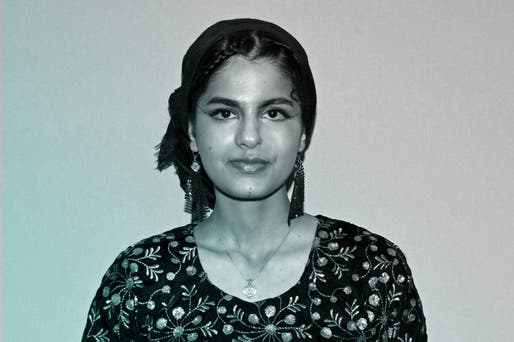
6. Ayisha Siddiqa
At 27 years old, Ayisha Siddiqa has achieved a lot as a climate justice and human rights advocate. She campaigns for Indigenous people’s rights and the rights of women, who she recognises are disproportionately affected by floods and other devastation caused by the climate crisis. Born in Pakistan, she moved to Brooklyn as a child, and believes solutions to the crisis are too often developed from a global North perspective, which doesn’t work for many of the countries worst affected.
 (Getty Images The Meteor)
At just 14, she saw the effects of climate change not only on the environment, but also on humans, after family members in Pakistan became ill from polluted river water. This led her to get involved in climate activism. She went on to found her university’s branch of Extinction Rebellion in 2019 and lead a strike involving 300,000 people. In 2020 she co-founded Polluters Out, a global youth movement, and helped create an activist training course, the Fossil Free University.
She is also a climate advisor to the UN secretary general and a UN youth envoy. She’s studying law at UCLA in Los Angeles, where she’s gearing up to tackle the climate crisis in the courtroom, not just on the streets. This summer worked at the International Court of Justice at The Hague in the Netherlands.
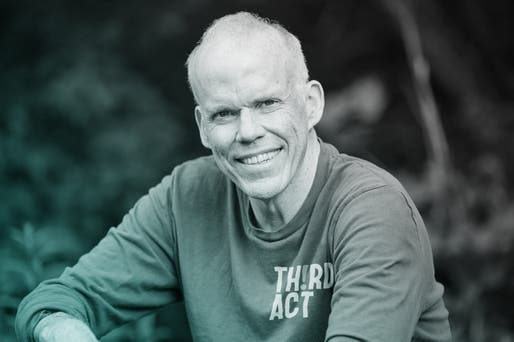
7. Bill McKibben
Author, environmentalist and activist Bill McKibben has been a key climate protest organiser for decades and has made many contributions to the fight, including being awarded the Gandhi Peace Award in 2013. In 1989, he wrote The End of Nature, which is widely recognised as the first book for a general audience about climate change and is still in print in 24 languages.
Earlier this year, he delivered an important TED talk titled Our Last, Best Chance to Cool the Earth, in which he argued that falling prices for solar and other renewable energies represents humanity’s last and best chance to mitigate the harmful impacts of global warming.
 (Storyworkz)
He co-founded the global grassroots organisation 350.org in 2008, which aims to end our reliance on fossil fuels. The name is an ode to climate scientist James Hansen, who warned that any atmospheric concentration of carbon dioxide above 350 parts per million (ppm) was unsafe. Currently, the planet’s concentration is more than 420ppm. In 2021, he founded Third Act, an activist group for older environmentalists, with the support of big names including Vermont senator Bernie Sanders and Jane Fonda.
8. Greta Thunberg
Despite being a household name for almost a decade, Greta Thunberg is still only 23. She has dedicated her life to the climate crisis and already achieved what other activists have struggled to do by bringing the severity and urgency of the climate crisis into homes across the world. So impactful has she been, it’s been dubbed the “Greta effect”.
 (Getty)
To reduce her carbon footprint, she became vegan and refused to travel by aeroplane, aged just eight. In 2018, aged just 15, Thunberg inspired a global student movement, named Fridays for Future strikes, after holding her first school climate strike outside the Swedish parliament, calling for the end of reliance on fossil fuels.
Since then, she’s consistently called out world leaders for their inaction on climate change in her sharp speeches, including protesting Cop 29 being held in Baku, Azerbaijan, saying the authoritarian petrostate was given a chance to greenwash its alleged human rights abuses.
Thunberg was nominated for the Nobel Peace Prize every year between 2019 and 2023. In 2019, she became the youngest person to be named Time magazine’s Person of the Year. In 2022, she published The Climate Book, a “book of the year” for many top publications. She has also inspired others with Asperger’s (which she calls her superpower) to feel included and take a stand.
Since finishing her schooling in 2023, Thunberg has ramped up her activism. In 2024, she was acquitted of charges of blocking an oil conference, where she said: “We must remember who the real enemy is.” In 2025 she was detained aboard an activist flotilla attempting to break Israel’s naval blockade of Gaza.
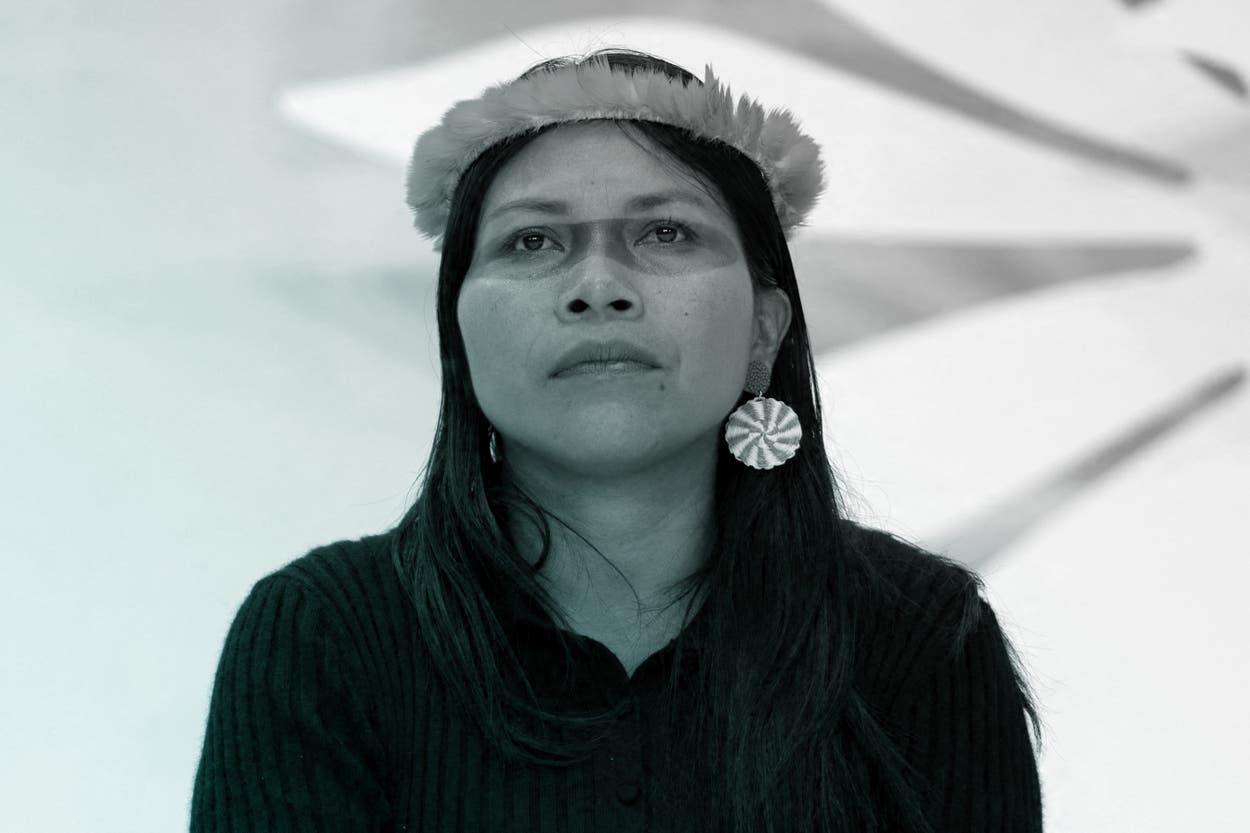
9. Nemonte Nenquimo
Since 2013, globally recognised and awarded Nemonte Nenquimo has been defending Indigenous rights and Amazonian lands against extractive industries. For it, she’s become a powerful voice in the fight against the climate crisis in Ecuador and around the world.
Nenquimo is the first woman president of the Waorani people of Pastaza and co-founder of the Indigenous-led, non-profit organisation, Ceibo Alliance – the first of its kind made between four ancestral nations within Ecuador, Peru and Colombia.
 (AFP/Getty)
She won a case against the Ecuadorian government in 2019, protecting half a million acres of Waorani ancestral land in the Amazon rainforest from oil drilling. It set a landmark legal precedent to protect a further seven million acres from planned oil auctions. But now, it’s under threat once again.
Nenquimo told The Independent in 2024: “I’ve often thought that it must be easy to destroy what you don’t understand,” which is why she co-wrote (with her husband, Mitch Anderson) her debut book, We Will Not Be Saved, a memoir of hope and resistance. It helps challenge how the Amazon is understood. Last month, in an interview she highlighted the global problem that Indigenous communities safeguard 80 per cent of the planet’s remaining biodiversity, yet receive less than 1 per cent of international climate funding.
10. Wawa Gatheru
Kenyan-American climate activist Wawa Gatheru is the founder of Black Girl Environmentalist, which supports women of colour and gender expansive people. Its aim is to create a representative and inclusive climate movement, and to champion Black women as the leaders they already are. It is now one of the biggest Black youth-led climate organisations in the US, making her a powerful voice for underrepresented communities.
In 2024, she spoke at The Independent’s inaugural Climate 100 event and told the audience: “There’s no such thing as a perfect environmentalist,” hitting back at the idea that people who care about the climate crisis must be perfectionists. She is currently working on her first book, an environmental publication called “Soul of Our Planet,” which is expected to be published in the spring of 2028.
 (Getty)
She was aware of the climate crisis while growing up, but came to the realisation that those most affected by it – people of colour – were generally not the same people making the decisions. She saw that the narrative for people of colour was more likely to be “victim” than “problem solver”, and also recognised that women had even less of a voice. Instead, she works to ensure Black voices are also at the centre of the climate movement too.
11. Desmond Alugnoa
Climate activist and co-founder of the Green Africa Youth Organization (GAYO), a Ghana-based NGO, is Desmond Alugnoa, who is tackling waste, air pollution, and environmental injustice. In 2024, GAYO won the Earthshot Prize in the “Clean Our Air” category for its Zero Waste Model, an innovative community-based system that reduces landfill use, stops open waste burning, and creates dignified green jobs for waste workers.
The organisation’s work not only improves public health and air quality but also helps build local, circular economies and climate-resilient communities. With the £1 million Earthshot funding, Alugnoa planned to reduce air pollution by up to 70 per cent and divert thousands of tonnes of waste by 2030.
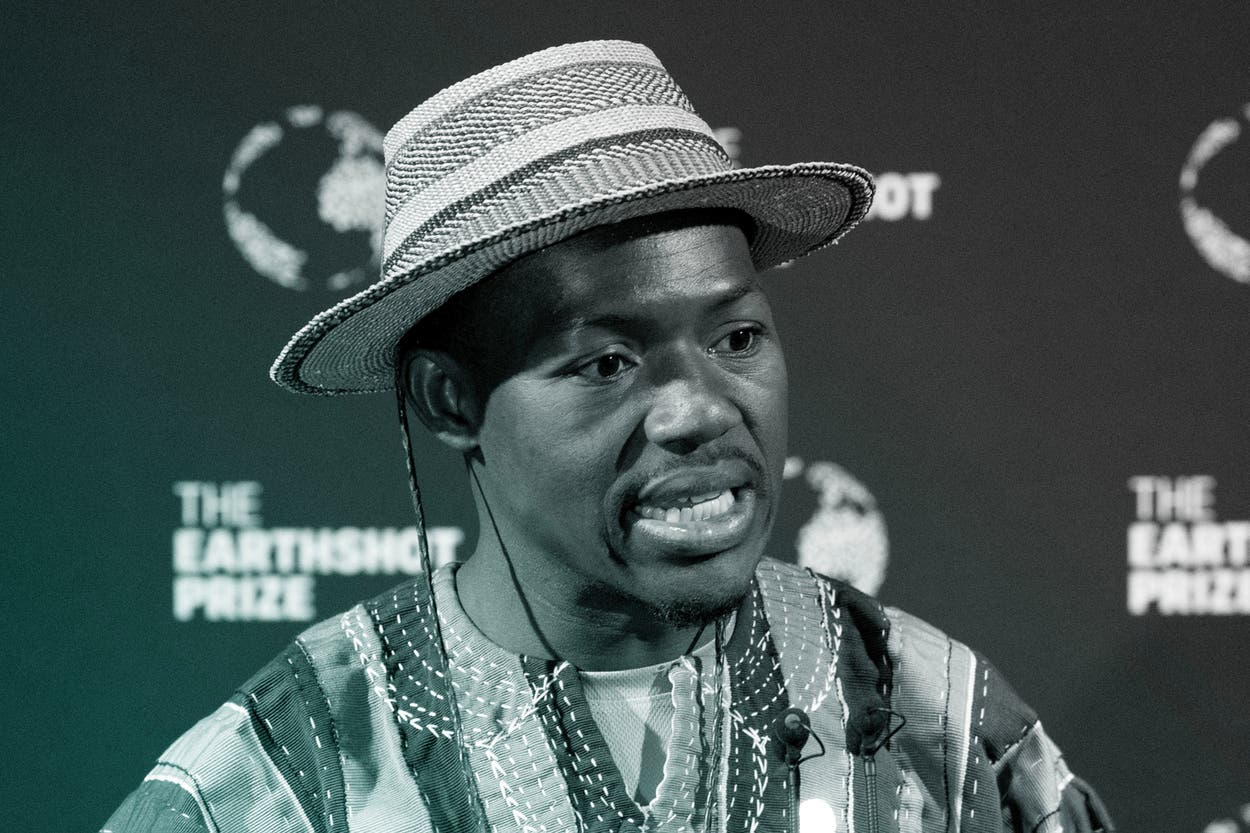 (AFP/Getty)
Alugnoa is also Africa programme manager for the Global Alliance for Incinerator Alternatives (GAIA), a global network campaigning for zero-waste systems and against polluting waste-disposal methods. At Cop 30 in Brazil, Alugnoa helped launch the first composter at a UN climate conference, highlighting the link between waste, methane emissions and climate change. In August 2026, he co-authored a piece on the growing African zero-waste movement, arguing that solutions are already being developed by communities across the continent and need to be connected and scaled.
12. Raoni Metuktire
Spending his lifetime protecting the Amazon, the chief of Brazil’s Kayapo tribe, Raoni Metuktire is now 94 years old. One of Brazil’s most influential people, he’s often referred to as the most effective protector of the Amazon. Yet growing up following a nomadic lifestyle in the Amazon, he didn’t encounter the outside world until age 22.
Even a decade ago, as reported by The Independent, Metuktire said the developed world was intent on “destroying everything” and urged its citizens to fundamentally change the way they think.
At last year’s Cop 30 in Belem, Brazil, he led a 100-boat flotilla on the Amazon to protest oil drilling and industrial infrastructure projects in the region. The chief called on global leaders to reflect on their responsibilities to help end extractive and illegal mining and logging, which are making way for increasing droughts and wildfires.
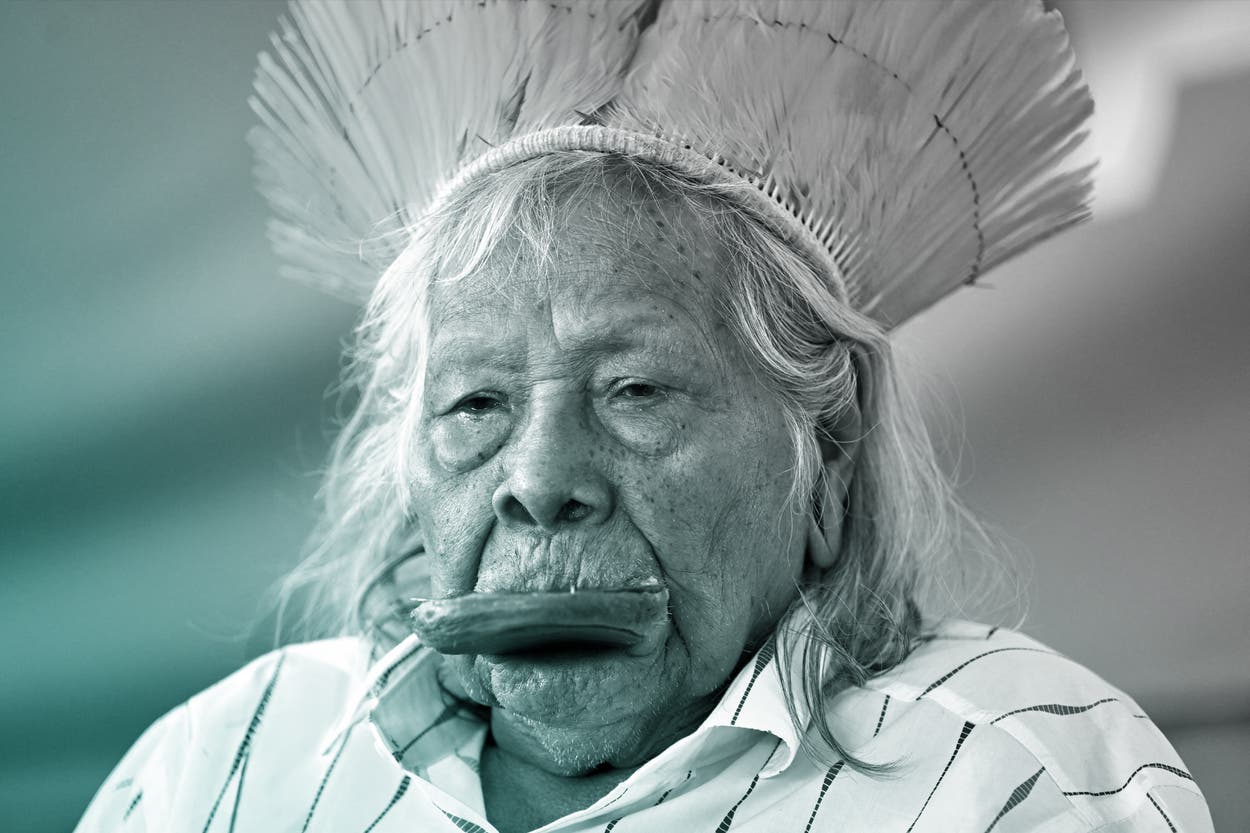 (AFP/Getty)
He became famous after campaigning with pop star Sting and his wife Trudie Styler in the late 1980s, to prevent hydroelectric dams being built on the Xingu River, a major tributary of the Amazon. Their campaign was a huge success, but the threat resurfaced since then when a plan for 60 hydroelectric dams was submitted – thankfully it was rejected in 2016 due to the strong opposition, especially from Indigenous groups.
His memoir, Memórias do Cacique (The Chief’s Memoirs) was published last year, where he claimed Brazil’s previous right-wing president, Jair Bolsonaro, wanted to exterminate the country’s Indigenous people. He has met with Brazilian president Luiz Inácio Lula da Silva and warned him of the devastating effects of oil drilling. Metuktire was also awarded the Grand Cross of the National Order of Merit, Brazil’s highest civilian honour, recognising his lifetime of defending the environment and Indigenous rights.
Business & Finance13. Vicky Moffatt 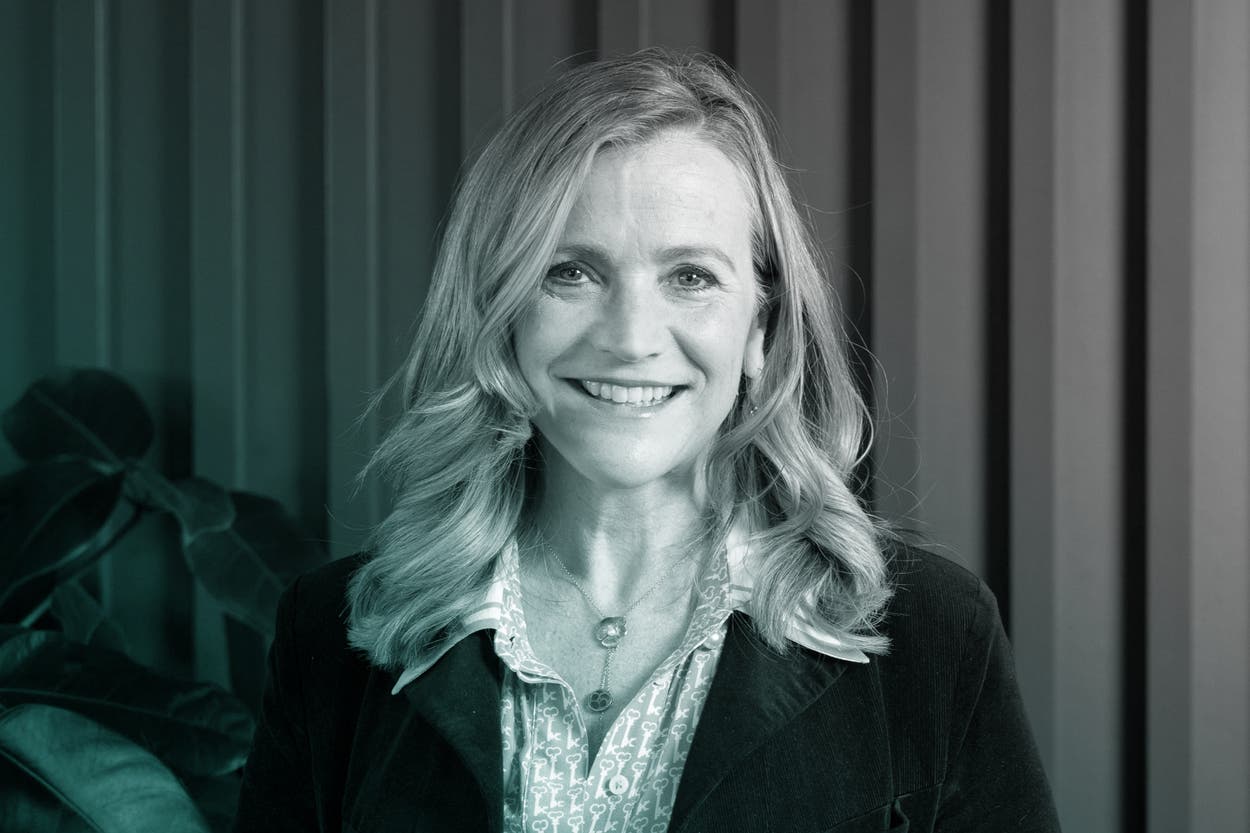 (Chapter Zero)
Vicky Moffatt is CEO of Chapter Zero, a UK non-profit focused on integrating energy efficient and climate fighting strategies onto the boards of some of the largest public companies in Britain.
Moffatt became CEO of the seven-year-old organisation in 2022. It claims to have more than 3,500 members, many of them directors on boards, with representation on more than half of the FTSE 100 companies.
In July, Chapter Zero announced a partnership with Euronext, the European trading platform for stock exchanges to make climate education and strategies easier to implement among public companies across Europe.
14. Tom Steyer
Tom Steyer was already a billionaire when he broke away from an investing company 14 years ago to found his own climate investing practice.
Since then, the founder of Galvanize Climate Solutions in California has invested billions in clean technologies to fight pollution and climate change.
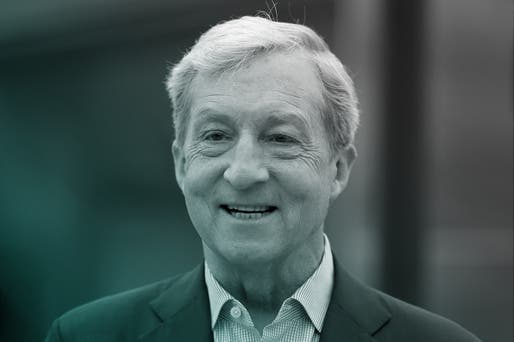 (Getty)
Along the way, he has ran unsuccessfully for president of the United States in 2020 and most recently for California governor this summer, when he was defeated in the Democratic primary.
Steyer based almost his entire candidacy on reducing energy prices for residents and battling what he sees as climate injustice at the hands of the giant local energy company.
Despite the political setbacks, Steyer remains a prominent force in both the state and national Democratic parties and his company is among the most sought after investors in new renewable technologies. It recently joined a $100m (£74m) investing round in an emerging uranium company in Boston.
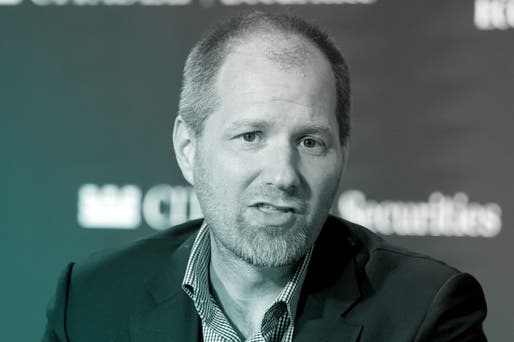
15. Bob Mumgaard
Among the biggest speculative plays in energy investing in the last few years have been the developers of fusion energy – the energy used to power the sun – and Bob Mumgaard is on the crest of the investing wave.
The co-founder and CEO of Commonwealth Fusion Systems has raised more than $4bn (£3bn) to date for the company, which spun out of the Massachusetts Institute of Technology in 2018 and is based in Cambridge, Massachusetts.
 (Getty)
While no fusion developer has yet cracked the technology, which involves fusing atoms together rather than splitting them as in nuclear fission, to build an energy company at scale, Commonwealth Fusion is far enough along that it has already sold future power purchase agreements to tech giants such as Google and Italy’s Eni.
The renewable energy company is using its funds to build a plant to develop the energy commercially, which is set to begin construction next year. It has an eye towards developing clean fusion energy for clients by the early 2030s.
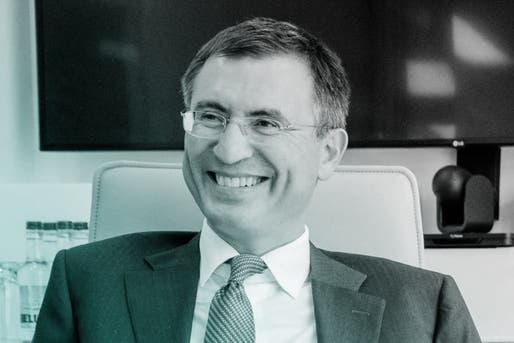
16. Chris Hohn
Hedge-fund manager Chris Hohn this year became the first Brit to donate more than £1bn in a single year. Worth an estimated £8.6bn, it’s a significant proportion of this wealth, and in light of UK and global governments reducing their aid spending, he’s encouraging other billionaires to give away more of their wealth too,
 (CIFF)
He founded the Children’s Investment Fund Foundation (CIFF) in 2003, having seen the disproportionate injustice and problems the climate crisis has on the next generation, and it supports vulnerable children around the world.
Some initiatives it helps fund include solar power and clean energy across Asia and sub-Saharan Africa, and ClientEarth, an environmental law group which has taken the government to court over air pollution.
Nicknamed the green billionaire, he has considerable influence and uses it to push companies towards faster climate action. He sees decarbonisation as key for all businesses to be successful. He had also been a donor to the environmental movement, Extinction Rebellion.
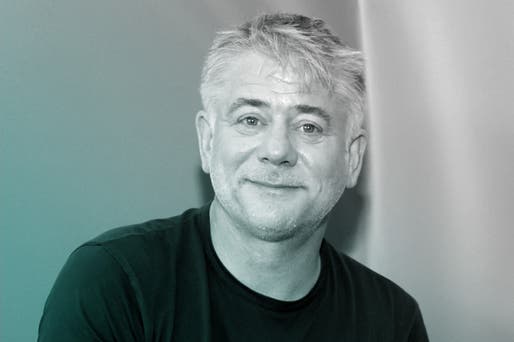
17. Greg Jackson
Paving the way for modern energy companies in the UK is the founder and CEO of Octopus Energy, Greg Jackson. With a long-standing interest in the climate from a young age and having been a member of Greenpeace aged 16, he went on to create Octopus in 2016. It sources a large portion of its energy from renewables. Jackson has turned green tech into a formidable force and wants to make renewable energy smart, affordable, and undeniably consumer-friendly.
 (Getty)
Octopus is currently the UK’s largest energy supplier, thanks to Jackson’s attitude of not being afraid to shake things up, mainly with dynamic pricing.
It is investing heavily in wind and solar, where most of its renewables also come from, and it uses a tech platform to incentivise customers to use energy when more renewables have been generated, or when it’s at its cheapest and cleanest. For his services to the energy industry, he was awarded an OBE in 2024.
This past year, Octopus has invested widely in foreign markets, announcing several deals in California, Italy, and a purchase of as many as 17 onshore wind sites in France, Germany and Poland.
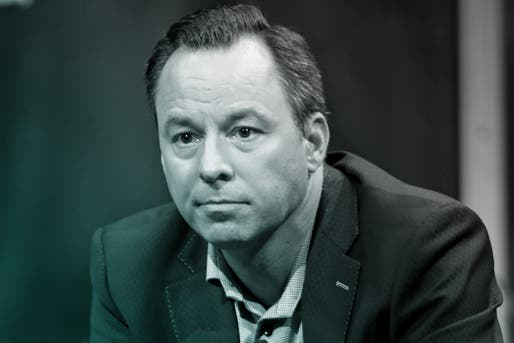
18. Scott Strazik
Scott Strazik is the CEO and president of GE Vernova, one of the largest producers of electricity in the world. Since being named to run the power division of General Electric when it was spun off into a separate company in the spring of 2024, Strazik has presided over a more than sevenfold gain in the company’s stock price.
 (Getty)
GE, based in Cambridge, Massachusetts, is one of the biggest players in the renewable energy business, managing sizable operations in wind, nuclear, hydropower, and electricity generation. It has become a favourite of investors who are looking to cash in on the booming business for AI – and in particular powering data centres for technology giants.
Strazik is a career GE executive, having previously run both its gas power business and aviation commercial engine business. He never loses sight of his company’s roots 144 years ago with Thomas Edison, and he has spent the last several months talking up the electrification of the world’s energy systems as being the catalyst for future growth.
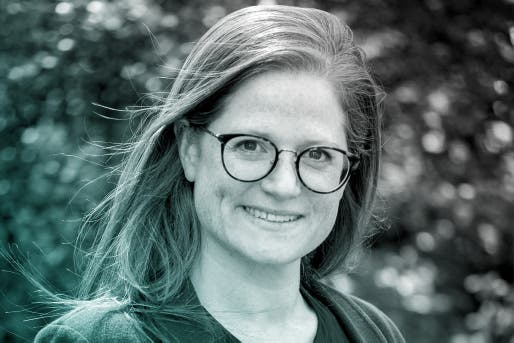
19. Eva Zabey
Eva Zabey is the CEO of Business for Nature, a Geneva-based group of more than 100 organisations seeking to work with business and policymakers on behalf of the environment.
She has argued in the last several months that policy changes against sustainability by the US and other governments should not dictate the fundamental commitment of companies and organisations to adopt nature into their business strategies.
 (Getty)
The group refreshed its ambitious plans to achieve a nature-positive economy for all by 2030 last year. It now focuses, among other things, on national deep dives with local partners in places such as South America, Africa and Asia. Within this plan, Zabey is calling for it to become mandatory for all companies to report on their impact on nature, part of the Target 15 initiative, which calls on companies and financial institutions to assess, disclose, and transparently reduce their nature-related risks, dependencies, and impacts.
Before joining Business for Nature, Zabey was a senior member of the World Business Council for Sustainable Development for 15 years. As an ecologist, she has long been associated with work to reverse the loss of important natural systems, as well as biodiversity initiatives.
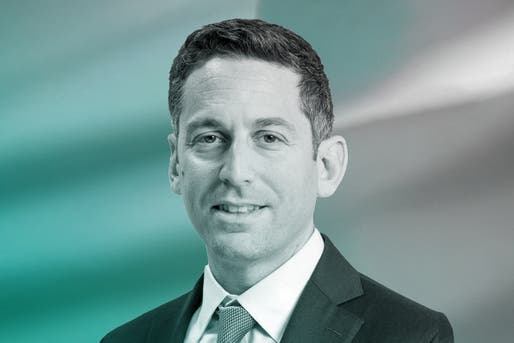
20. Jonathan Maxwell
The British investment banking entrepreneur Jonathan Maxwell created Sustainable Development Capital LLP almost 18 years ago to seek opportunities in the booming market for energy efficiency. Since then, it has been at the forefront of creating value from wasted heat and gas.
Maxwell notes that up to a third of global emissions are caused by the construction sector, from cement and steel to inefficient lighting and air conditioning systems.
 (SDCL)
From steel mills in the US, to olive presses in Spain, the company works with large commercial operations to find ways for them to save energy by reducing waste.
In the past five years, assets under management at SDCL have more than doubled, to $2.5bn. An investment last October in an Irish biomethane production facility is among the latest of its projects. Another project, a fund called the SDCL Efficiency Income Trust, was forced to wind down and sell assets this spring after its board rejected a transformation plan to boost performance.
Maxwell has become a mainstay on the UK television news circuit to alert viewers to the dangers of cuts to climate funding.
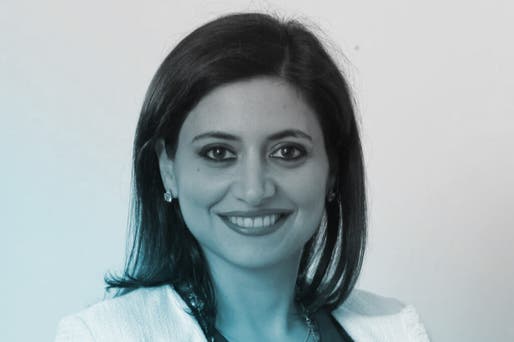
21. Stefania Di Bartolomeo
Stefania Di Bartolomeo is the founder of Physis Investment, a Boston-based asset manager with an mostly-woman executive team dedicated to making investing in the fight against climate change profitable and transparent.
A Harvard graduate who grew up in Italy, she became focused on sustainable finance in her early twenties after taking a call from an investor asking how her money, specifically, was making a difference.
 (Physis Investment)
Di Bartolomeo conceived a software portfolio package that would show investors not just how much money they were making or losing on a stock, but also how that company uses money on things like water security, energy efficiency, corporate philanthropy, or to increase the number of women in its senior management ranks.
In the last year Physis has been working to transform its business into a data infrastructure play, using AI, that focuses on sustainability as well as financial analysis.
Physis, a fintech company whose name is Greek for nature or law of nature, is dedicated to advocating the position that there are important metrics to investing in companies beyond just profit and loss. Over the past year, it became one of the first sustainable investing companies to incorporate AI into its algorithm for picking stocks in a transparent manner that would benefit the environment and be good investments.
22. Nick Mabey
As the founder of global think tank Leading E3G, (which stands for Third Generation Environmentalism), and CEO since 2006, Mabey has steered the company in climate policy and diplomacy towards transitioning to a greener future. He was also an early adopter of the idea that the climate crisis poses serious risks to national and global security, back in the 1990s.
 (Supplied)
As part of this, he launched the annual London Climate Action Week (LCAW) event in 2019, in partnership with the Mayor of London, which is now held every June. Since then, it’s gone on to become one of the world’s largest independent climate-focused events. June’s LCAW was the largest yet, with 1,300 events and 75,000 participants. It came as the city suffered its first major heatwave of the summer, with United Nations Secretary General Antonio Guterres declaring that’s “London’s not calling; it’s cooking.”
Mabey has also authored and co-authored several books and reports, including Argument in the Greenhouse: The International Economics of Controlling Global Warming back in 1996. He was awarded an OBE in 2022, for his climate leadership and role in supporting the UK Cop 26 in Glasgow, where he served as a “Friend of Cop 26”, advising the UK Cop presidency.
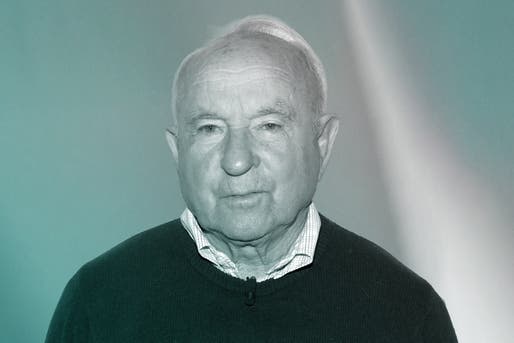
23. Yvon Chouinard
Yvon Chouinard is one of the most influential businessmen in the climate world. A rock climber, environmentalist and philanthropist, he became a billionaire after founding Patagonia, the California-based maker of outdoor recreation clothing, in 1973.
 (Getty)
In 2022, Chouinard stunned both the environmental and corporate worlds by donating all of Patagonia’s investing stock (while keeping control of its voting stock) to a trust to ensure that future profits are used to address the climate crisis. Since then, the trust has directed more than $71m (£53m) to environmental causes, including a campaign to encourage its outdoor enthusiast customers to vote for climate candidates in local and national elections.
In the 1950s and 1960s, Chouinard was a well-known mountain and ice climber in Europe and the US, and started out making steel pitons (spikes) for climbing. In the 1970s, when he learned that the steel pitons were cracking the rock faces in Yosemite National Park, he changed the material to aluminium and, in the process, invented what is now called “clean climbing”.
At the age of 87, Chouinard remains active in environmental advocacy. In his last few public appearances, he has criticised corporations for not doing enough to stem environmental erosion and climate change.
24. Michael Bloomberg
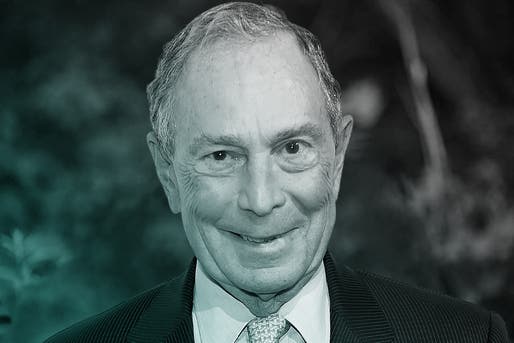
Billionaire businessman Michael Bloomberg, former mayor of New York and founder of Bloomberg Philanthropies, has a two-pronged approach to fighting the climate crisis – policy advocacy and financial innovation.
 (Getty)
During his 11 years as mayor, he reduced the city’s carbon footprint by 13 per cent.
Since leaving politics, he has continued to call for the phasing-out of coal power and through Bloomberg Philanthropies, created a $500m (£372m) fund dedicated to closing coal plants and transitioning to cleaner energy sources.
In June, Bloomberg Philanthropies said it would fund $590m in investment toward new projects in clean energy, ocean conversation and improving air quality in cities.
25. Kathryn Murdoch
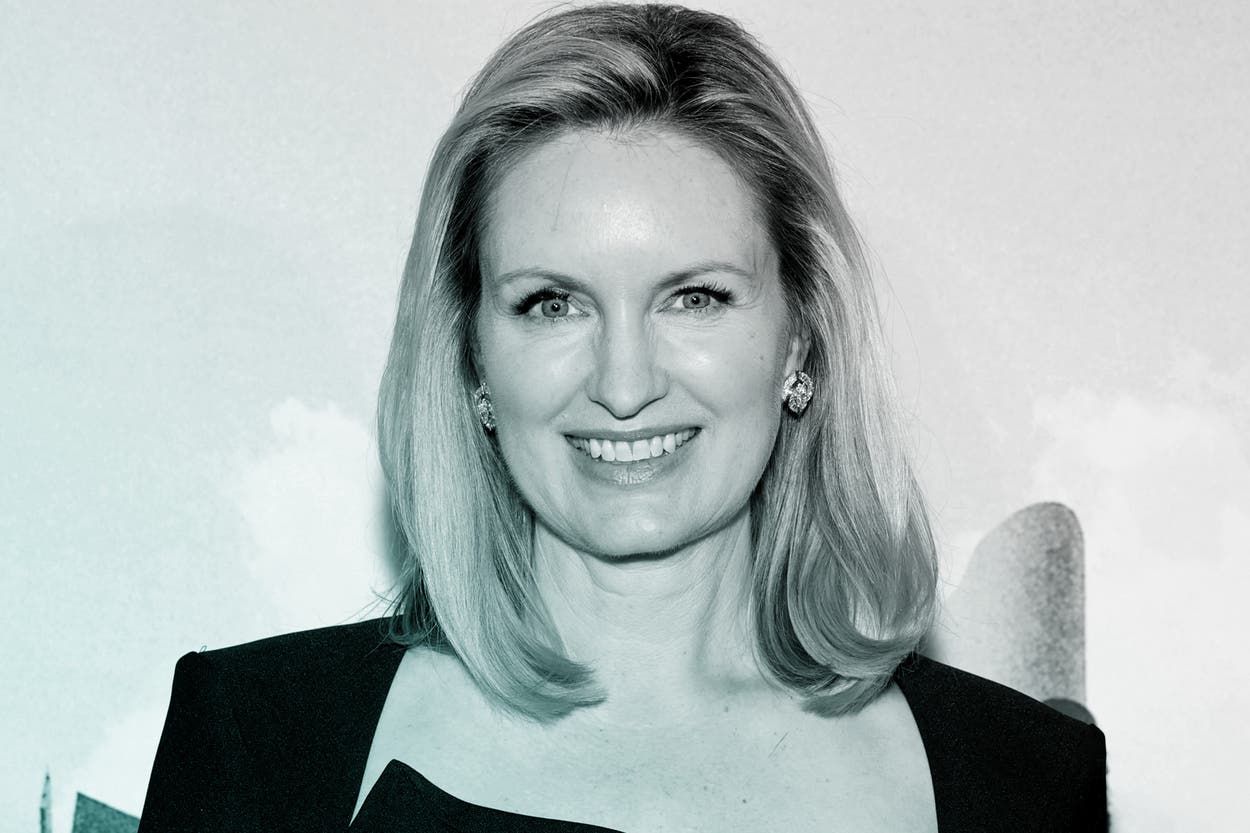
Kathryn Murdoch isn’t just funding climate action, she’s also playing a part in reshaping it in a push for systemic environmental change. As co-founder and president of the Quadrivium Foundation, she backs science-backed initiatives that drive climate action, strengthen democracy, and promote ocean health.
A former strategist at the Clinton Climate Initiative, Murdoch has spent over a decade pushing for better climate solutions.
 (Getty)
She sits on the boards of the Environmental Defense Fund, Climate Central, and the Climate Leadership Council, informing high-level climate strategy.
In 2023, she co-launched Futurific Studios to tell hopeful, solutions-focused stories about the planet’s future, including the PBS documentary series A Brief History of the Future, showing what a better world could actually look like.
Earlier this year, Quadrivium backed a project by the Rockefeller Foundation to use stem cells to improve the resiliency of coral reefs against ocean pollution.
Food & Agriculture26. Claire Mackenzie and Colin Ramsay
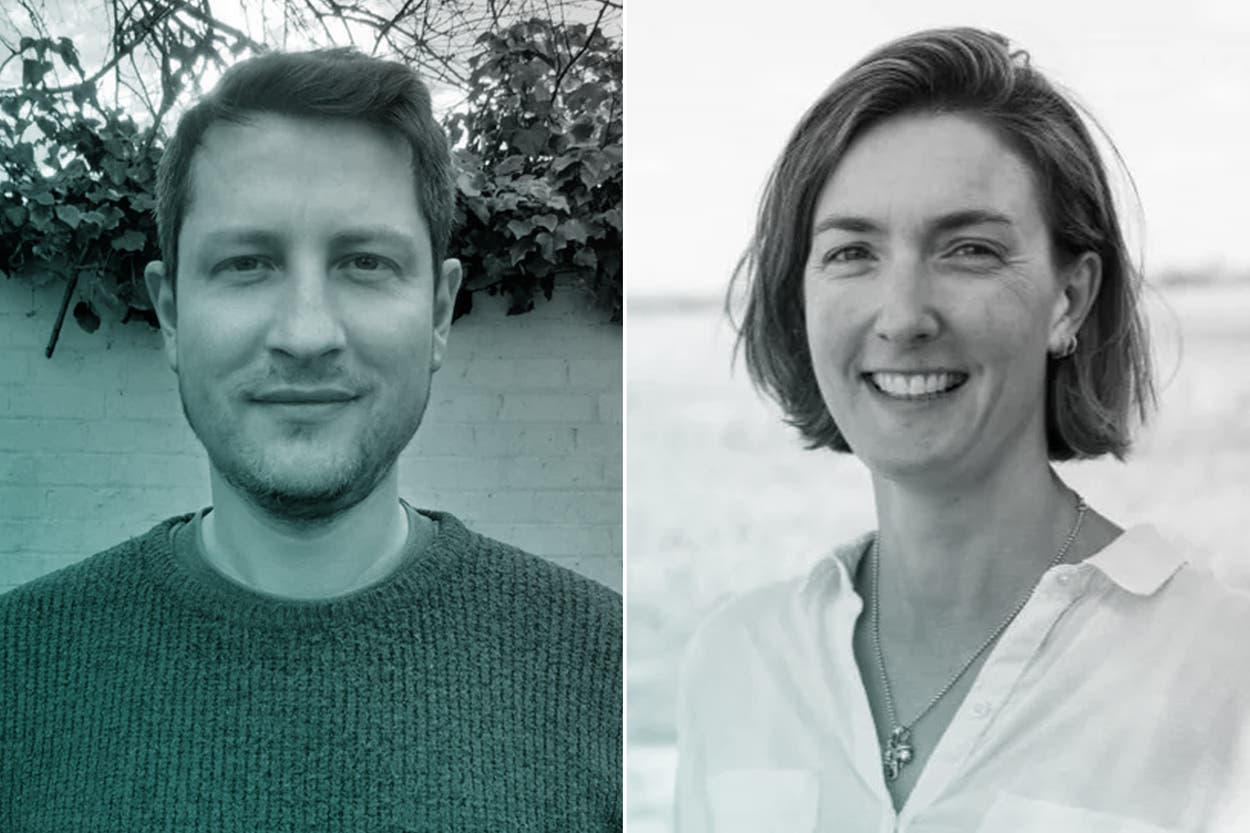
Six Inches of Soil, the documentary made by producer Claire Mackenzie and director Colin Ramsay, has grown roots of its own by becoming a wider education project in schools, universities and online – filling a gap in the curriculum and publicly accessible information. The aim is to help young people explore soil health, regenerative agriculture, food production and climate change through snippets of the film.
 (Six Inches of Soil)
Released in 2024, the film follows three British farmers – Anna Jackson, Adrienne Gordon and Ben Thomas – as they move away from conventional farming methods in an attempt to restore their soil, build viable businesses and create a more sustainable food system.
The project has also grown into Six Inches of Soil – The Podcast, bringing together farmers, scientists and other voices together regenerative agriculture, soil health and the future of food. Mackenzie has helped establish environmental groups in London and Cambridgeshire. Ramsay also makes films exploring science and nature and is passionate about nature-based solutions to climate change.
27. Huub Lelieveld
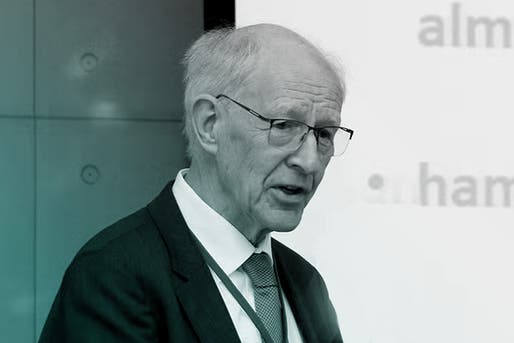
When food aid was desperately needed in Southern Africa in 2002, shipments were left sitting in ports as governments debated whether donated grain met their differing safety regulations. For Dutch food scientist Huub Lelieveld, the crisis highlighted a problem that would become the focus of the next chapter of his career: good science is of little use if countries cannot agree on how to apply it.
 (World Food Prize Foundation)
After four decades as a researcher at Unilever, Lelieveld could have retired. Instead, in 2004, he founded the Global Harmonization Initiative (GHI), bringing together global food scientists and experts to develop science-based food safety standards and reduce barriers to the safe movement of food, forming a network that now spans 113 countries.
Now 82, Lelieveld has been awarded the 2026 World Food Prize for his six decades of work. His achievement is a reminder that food security is not simply about producing more food – it is also about making sure safe, nutritious food can actually reach the people who need it.
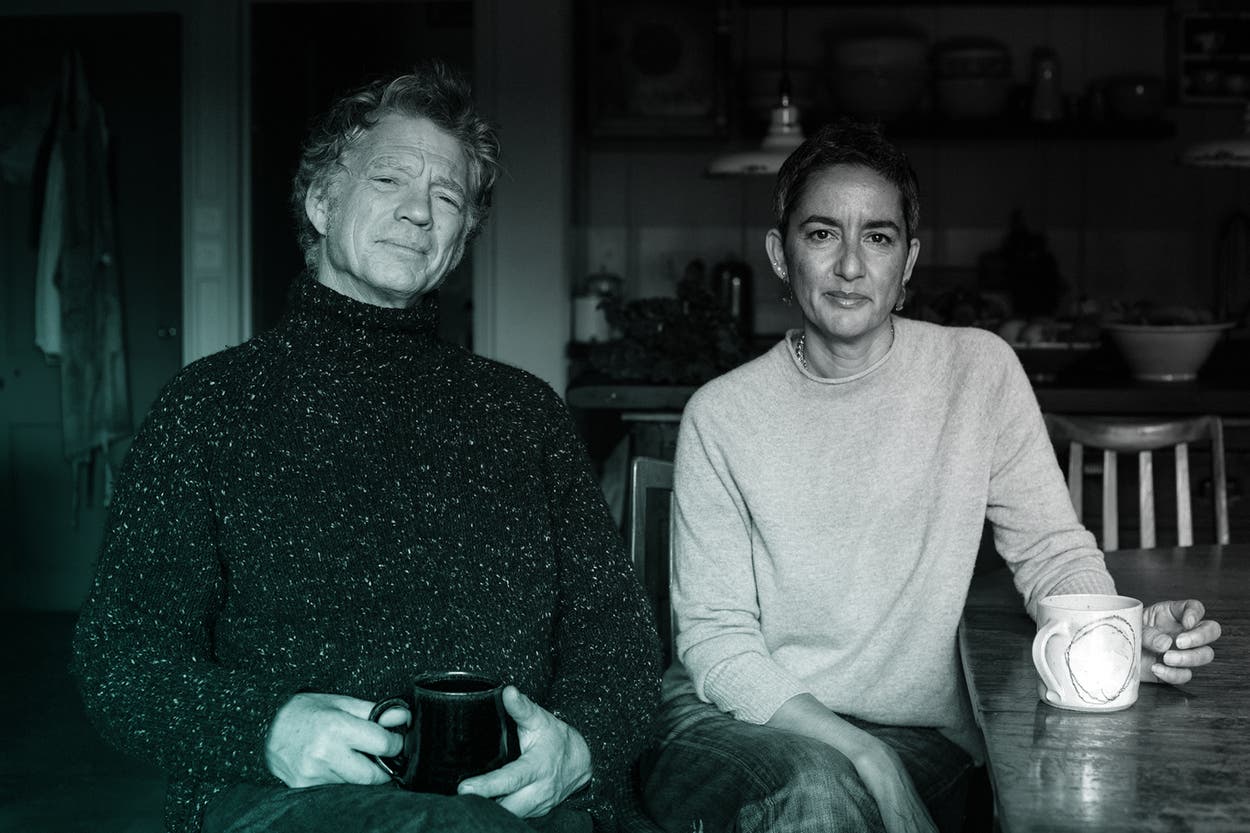
28. Guy and Geetie Singh-Watson
Between them, Guy and Geetie Singh-Watson have spent decades challenging the idea that sustainability and commercial success are incompatible. Guy founded Riverford, turning a single field of organic vegetables into one of Britain’s best-known veg box businesses, which has been employee-owned since 2018. This year he celebrates four decades of farming.
 (Emma Stoner Photography)
Geetie founded the UK’s first certified organic pub, the Duke of Cambridge in London, in 1998. Now she has four organic pubs, with the latest addition The Bull Inn in Totnes, Devon, in 2019. Together with the Sustainable Restaurant Association and the Apricot Centre (a nearby biodynamic farm), the pub has launched a qualification in regenerative and sustainable hospitality which Guy lectures on and is held at Guy and Geetie’s Devonshire farm.
It’s designed to equip the next generation of hospitality leaders with the knowledge to run businesses more responsibly. Their message is simple: hospitality has enormous power to influence what we eat, how we farm and, ultimately, the kind of food system we build.
29. Trevor Clough
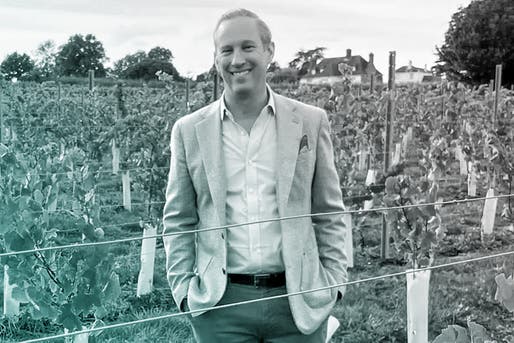
A bottle of wine may look innocuous, but for Trevor Clough, its weight is a serious climate issue. The founder and CEO of Digby Fine English wines has made reducing the carbon footprint of English sparkling wine a central part of his business, focusing particularly on the glass bottle – one of the biggest sources of emissions in wine production.
 (Digby Wines)
Clough co-founded Digby with his husband, Jason Humphries, in 2013. Alongside the quality of the wine, he has studied the environmental impact of getting it from vineyard to glass, which has a huge carbon footprint. To reduce it, Digby uses 835g Ecova bottles that are 15 per cent lighter than traditional Champagne bottles, cutting the emissions associated with manufacturing and transporting them.
Digby estimates that each bottle has a footprint of 1.2kg to 1.75kg of CO2, depending on where it is consumed. He has also reduced emissions through lower-carbon foils, recycled packaging and shipping wine by sea rather than air. He continues to promote English sparkling as a lower-impact (though not inferior) alternative to imported sparkling wine.
30. Chantelle Nicholson
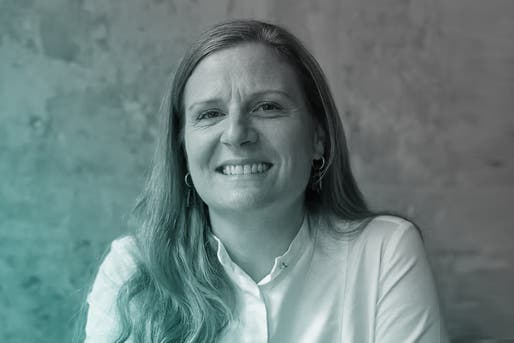
A long-standing leader in regenerative practices in the food world is Chantelle Nicholson, owner of Mayfair restaurant Apricity. Her regenerative ethos runs through everything,
 (Chantelle Nicholson)
She’s a powerhouse for championing seasonal and local produce, innovatively minimising food waste and excess packaging, and avoiding unnecessary energy use. That is down to details like using rechargeable candles instead of single use and switching off unused fridges, preventing energy waste, which is rife in busy working kitchens. She’s a driving force in working towards decarbonising menus, by following regenerative practices and sourcing and a low-waste approach, which follows an entire supply chain, not just the end product.
Nicholson is also encouraging other chefs to make an important, but overlooked, change when it comes to energy use and pollution – swapping from traditional chef-favoured gas cookers to electricity. In addition, it heats up kitchens unnecessarily, an issue heightened during the UK’s many heatwaves. Induction also prevents excess heat loss.
31. Caroline Bennett
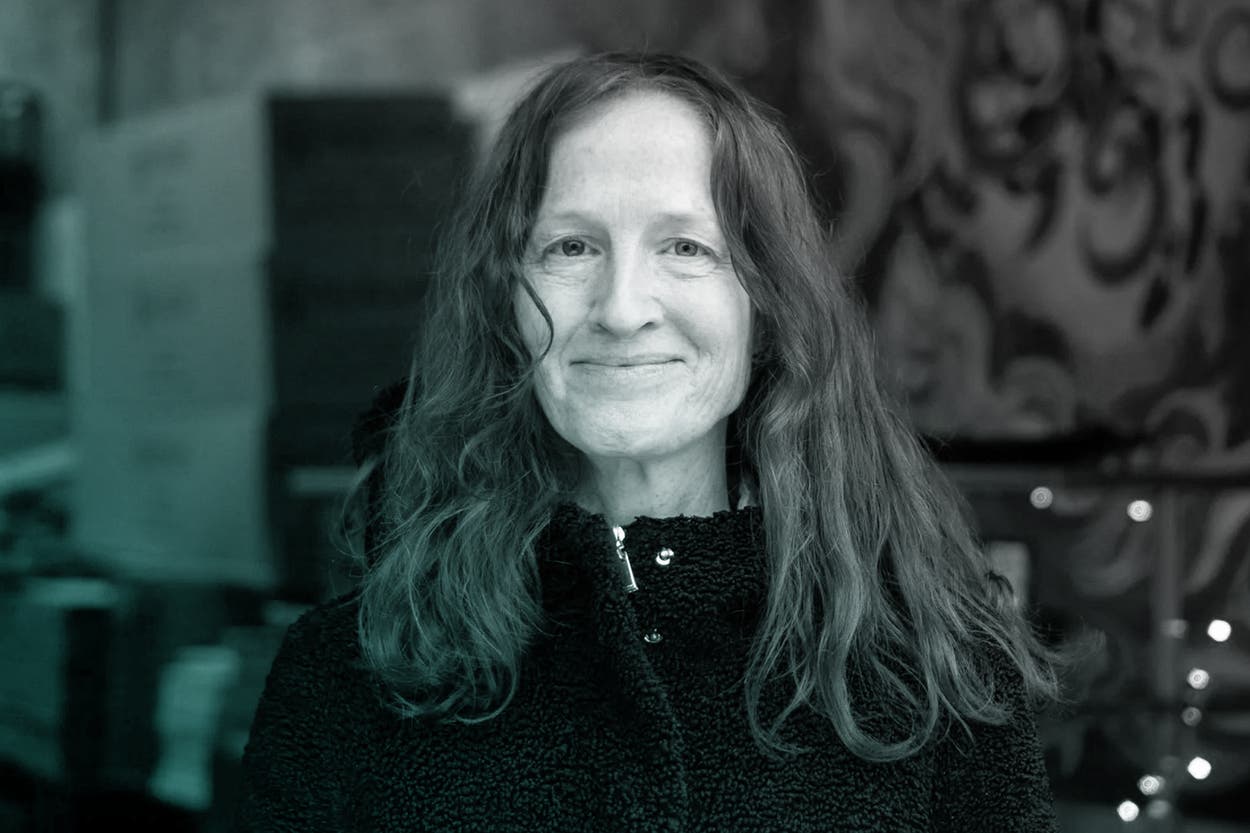
After struggling to source sustainable and ethically caught fish for her sushi restaurant, Moshi Moshi in London’s Liverpool Street station, Caroline Bennett took a leap of faith, and did it herself.
Setting up community-interest-company Sole of Discretion in 2016, an ethical online fishmonger, she connected the dots between fishers in Plymouth harbour with not only her London restaurant, but also people at home who could buy quality British fish, knowing exactly where it came from.
She’s turning the industry on its head, by supporting small-scale, low-impact fisheries, only working only with small day boats that don’t have the same damaging impact on the ocean as industrial boats do. Each fish is traceable, labelled with information on where it was caught, the method, the name of the skipper and the boat.
 (Mat Arney)
Bennett is incredibly knowledgeable when it comes to ethical fishing, and has long been trying to get Brits to eat more than just the big five (tuna, salmon, cod, haddock and prawns) – fish such as pouting or dogfish, a campaign she worked on with Plymouth university to use for fish fingers in schools.
She’s been working with Scottish charity, Open Seas, on its #DivedNotDredged Campaign, which is amplifying the intense desolation dredgers cause to the ocean bed, which can take up to 10 years to recover after just one dredge. Instead, it champions the far less impactful hand-dived scallops. The campaign reflects an important message of Sir David Attenborough’s seismic documentary Ocean, which focuses on this very issue. This year, she has also been shortlisted by BBC Radio 4’s The Food Programme’s prestigious Food & Farming Awards, which champions producers across the UK.
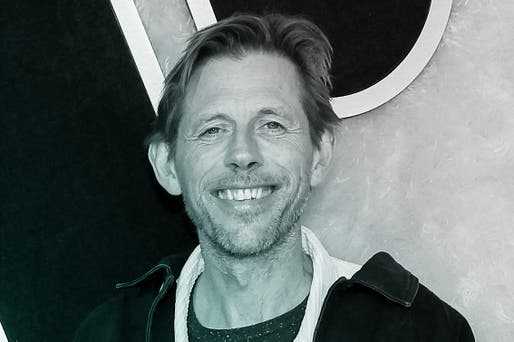
32. Andy Cato
Former musician and half of Groove Armada, Andy Cato, made an unexpected shift from music to farming more than a decade ago. After selling his music rights, he bought a farm in France and became deeply invested in soil health, biodiversity, and access to better food systems. This led him to become a voice for regenerative agriculture, where he advocates for the importance of farming sustainably and food security.
 (Dave Benett/Getty)
Cato brought this message to a mainstream audience through a guest appearance on Clarkson’s Farm, where he successfully encouraged Jeremy Clarkson to trial regenerative practices, which he’s continued.
In 2018, Cato co-founded Wildfarmed with former broadcaster George Lamb and finance expert Edd Lees. The company now works with more than 100 farms across the UK and France, all adhering to regenerative methods, including maintaining crop cover, integrating livestock, and avoiding synthetic pesticides.
Wildfarmed produces flour and bread for both wholesale and consumers, aiming to make regenerative food systems affordable and accessible to all. The bread is available in supermarkets including Tesco and Waitrose, and highstreet names such as Franco Manca and Nando’s use their products. Their work blends innovation, ecological responsibility, and social equity in the quest for a healthier food future.
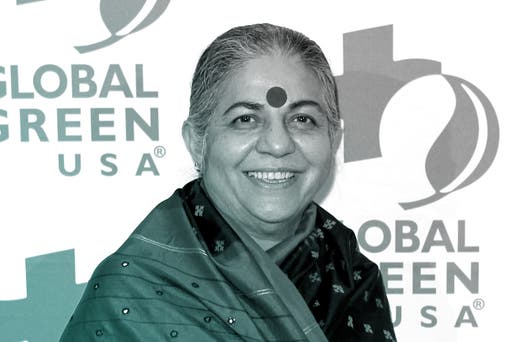
33. Vandana Shiva
A former physicist, Dr Vandana Shiva became an activist in the 1970s and has gone on to focus her work on protecting seeds and food sovereignty, which she’s regarded as the leading voice on. She famously campaigned against laws in India that would prevent farmers saving, sharing, or replanting seeds, which would give big corporations ownership of seeds and destroy traditional farming. To protect them, she set up more than 150 seed banks in India.
 (Getty)
In her work, she also advocates for ecology, environmentalism and eco-feminism – a branch of the movement that combines feminism with political ecology. A key part of that is the “invisible” work women do that goes unnoticed, but is key to protecting the environment, such as water collection.
She believes an intersectional approach is key to climate adaptation and justice, which she sees as a biodiverse women- and community-led approach to agriculture, especially in more climate-vulnerable regions. To promote this, she set up her own NGO, Navdanya.
This year, she co-authored a book, Slow Living: What You Can Do About Climate Change by Dr Vandana Shiva and Ms Shreya Jani, calling to think about the consequences of a world driven by speed, consumption, and constant growth.
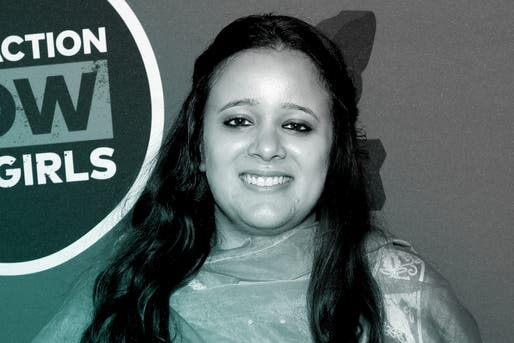
34. Nidhi Pant
Combating food waste, rural poverty and gender inequality – three of the Indian farming community’s biggest issues – is S4S Technologies, which was co-founded in 2013 by Nidhi Pant and six university friends.
It creates pioneering solar-powered dehydrators, which are used to prevent food waste. By drying food out without using electricity, it enables rural smallholder farmers to financially benefit from being able to sell their entire crop.
 (Getty)
Previously around 30 per cent could be lost due to bad weather, being misshapen or market price fluctuations. It’s a life-changing move for rural farmers living in poverty.
Since it began, S4S Technologies has helped provide sustainable incomes for around 300,000 rural farming women across 400 villages, vastly improving gender inequality in the process. Pant was awarded the Earthshot Prize in 2023, and the team has prevented 60,000 tonnes of food waste and averted 300,000 tonnes of C02 emissions.
This year, S4S Technologies, scaled its operations to include surplus and “ugly” produce from over 500,000 farmers, turning food waste into high-quality value-added ingredients. She also won the Social Entrepreneur of the Year, India 2026 award.
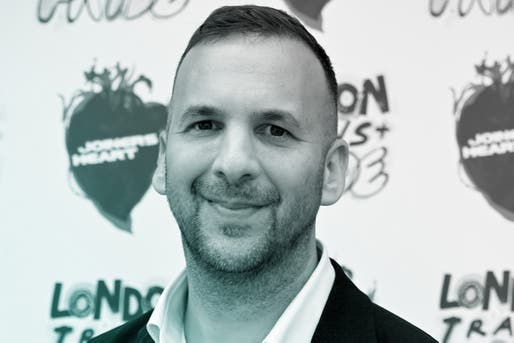
Politics & Government35. Zack Polanski
Since becoming leader of the Green Party in 2025, Zack Polanski has made the links between climate change, inequality and the cost of living central to his politics, arguing that environmental action must also make people’s lives better.
This summer, as the UK faced its hottest summer ever and wildfires swept across the UK and the rest of the globe, he called for oil and gas companies to pay higher taxes to fund climate adaptation. That is alongside investment in cooling homes and public spaces and bringing water companies into public ownership.
 (Getty Images)
More recently, he’s taken aim at the rapid expansion of AI data centres, calling for a halt to new developments because of their huge demands for electricity and water at a time of increasing climate pressure. The Greens have proposed a moratorium on all but small, community-focused centres.
Polanski describes his approach as “eco-populist”, seeking to connect environmental concerns with frustrations over housing, bills and wealth inequality. His rise has helped propel the Greens into their strongest electoral position yet – and put climate politics firmly back at the centre of Britain’s political conversation.
36. Ralph Regenvanu
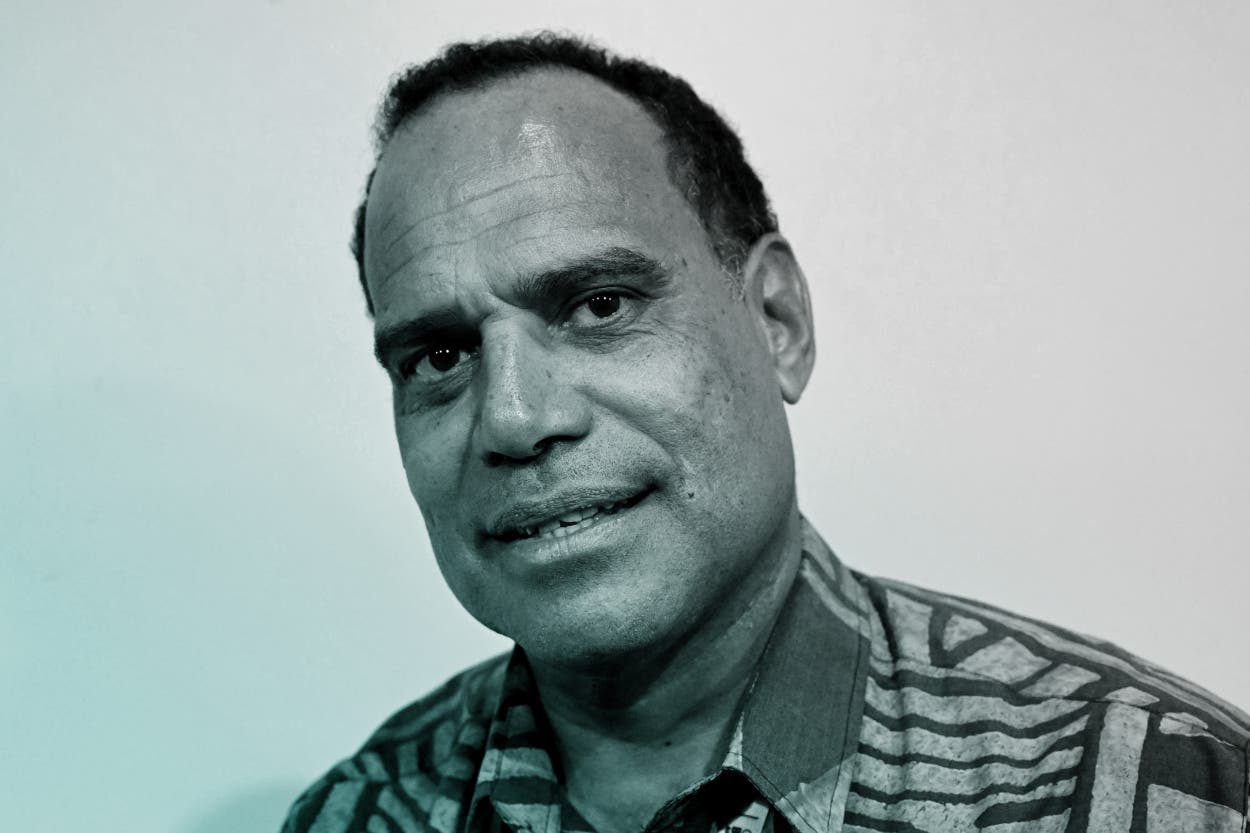
As Vanuatu’s minister for climate change, Ralph Regenvanu has helped turn the small Pacific island nation into one of the world’s most forceful voices on climate justice – taking the fight against global warming from the conference room to the world’s highest court.
Regenvanu was instrumental in Vanuatu’s campaign for an advisory opinion from the International Court of Justice (ICJ) on countries’ legal obligations to tackle climate change. In December 2024, he stood before the court in The Hague, arguing that the climate crisis threatened the survival of Vanuatu’s people and that nations had a legal, not simply moral, duty to act.
 (AFP/Getty)
The ICJ’s landmark opinion, delivered in July 2025, affirmed that states have obligations under international law to protect the climate system and that failing to meet them can carry legal consequences. Vanuatu is now working to turn that ruling into political action at the United Nations, with Regenvanu pushing for a new resolution to give the findings practical force. He has also backed the Fossil Fuel Non-Proliferation Treaty, calling for a managed global transition away from coal, oil and gas.
37. Carlos Fernando Galán
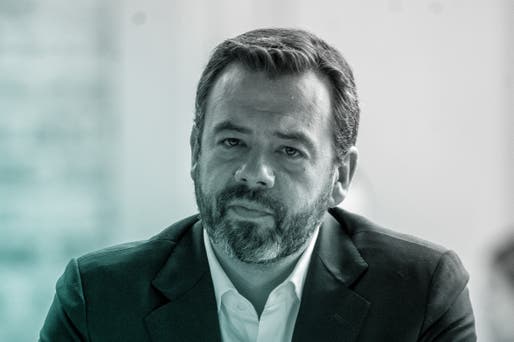
Bogota’s mayor, Carlos Fernando Galán’s work on one of the country’s most persistent problems has earned him the recognition of the Earthshot Prize. He won the “Clean Our Air” award after drastically improving the city’s air pollution by almost 24 per cent despite a growing population.
 (Getty)
The near $20m (£14.8m) investment plan spanned green public spaces, transport and air quality and included Urban Zones for Clean Air, targeting some of its most polluted and economically vulnerable neighbourhoods. It has seen more than 20,000 trees planted, a robust rethinking of the city’s transport network, the largest cycle path network in Latin America, an electric bus fleet of 1,400 (also one of the biggest in the world), more than 100 km of dedicated low-emission bus lanes, and three new cable car lines.
In 2024, Bogotá’s reservoirs fell to dangerously low levels, and Galán introduced water rationing to protect them. His government has invested in protecting páramos – high-altitude ecosystems crucial to the city’s water supply – while paying rural families to conserve and restore land around watersheds. By June 2026, more than 5,400 hectares had been secured through conservation agreements.
38. Murat Kurum
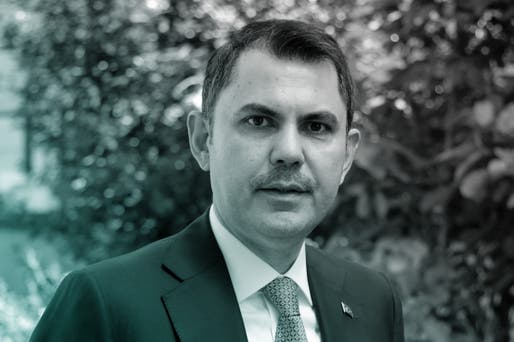
As Türkiye prepares to host Cop 31 in Antalya this November, Murat Kurum, the country’s environment, urbanisation and climate change minister and Cop 31 president-designate, has put climate finance, renewable energy, circular economy and climate-resilient cities at the heart of Türkiye’s agenda.
 (AFP via Getty Images)
A civil engineer by training, Kurum has spent much of his career working on urban development and transformation.
As environment minister, he has overseen policies ranging from Türkiye’s zero waste movement to efforts to make cities more resilient to disasters.
Kurum’s presidency could help determine whether the global climate process can move from pledges to progress – and whether Türkiye can broker agreement in an increasingly fractured geopolitical landscape.
39. Zohran Mamdani
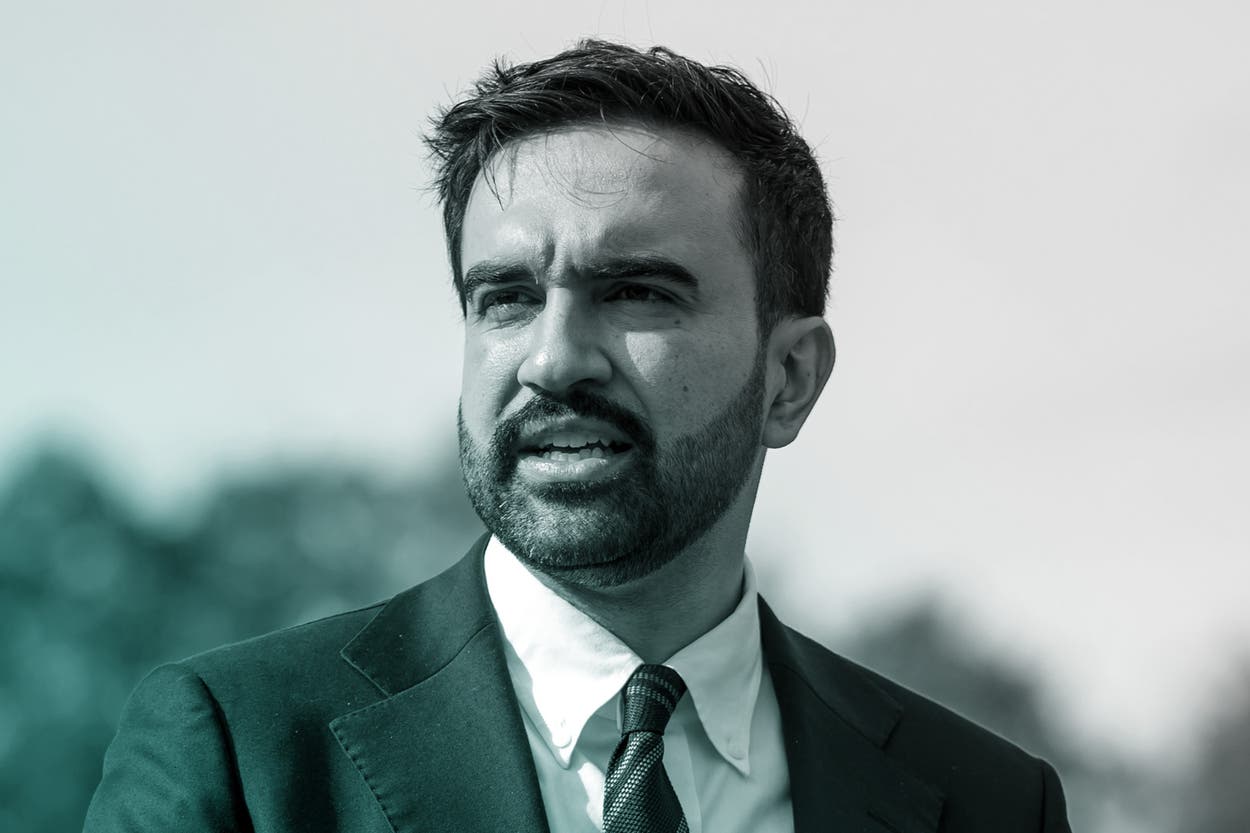
No Democratic politician in America has been at once more supported and more reviled than New York City Mayor Zohran Mamdani, who swept into City Hall last year on an agenda of affordability and lowering prices for blue-collar New Yorkers. Free bus services, free groceries for struggling families, and a climate plan that includes renewable energy and decarbonisation in all public offices and schools were among his many promises.
 (Getty)
Mamdani and his climate officer Louise Yeung combine their environmental goals with projects that bring prices down for working New Yorkers and raise money by finding new ways to tax the city’s wealthy elite. Expanding the city’s green spaces and the amount of trees it has to help soak up harmful carbon emissions are also part of their agenda.
Mamdani has been a constant opponent of fossil fuel growth, and has supported New York’s new congestion fees, which seek to limit traffic into the city. He argues that the best way to fight climate change is to promote strategies that improve people’s quality of life. For these goals he has suffered the wrath of Wall Street hedge fund leaders and right-wing politicians, though he has maintained a cordial, even positive relationship with President Trump, himself a native New Yorker.
40. Wopke Hoekstra
When Dutch politician Wopke Hoekstra took over the role of EU Climate Commissioner from the hugely popular Hans Timmermans in 2023, he inherited a portfolio at a turning point.
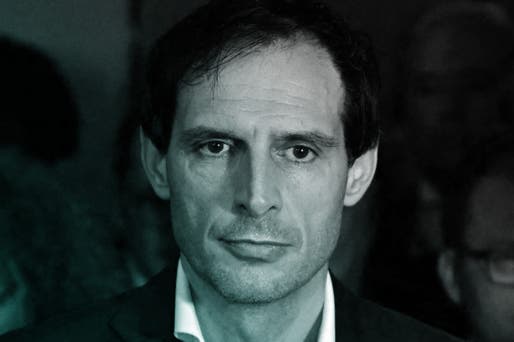 (AFP/Getty)
After five years of progress on pushing decarbonisation efforts and net-zero policies, Europe’s governing body faced a cost crisis as oil prices surged following Russia’s invasion of Ukraine the previous year. Suddenly politicians across the spectrum wanted to abandon clean energy efforts because they were too costly, citing energy security over energy transition.
Hokestra has spent the last three years fighting the good fight in Brussels, as members of the EU have slowly chipped away at some of the body’s most ambitious climate plans, such as carbon trading reforms and a 90 per cent reduction in regional emissions by 2040. The Iran war this year has only made the calls to limit reforms louder.
This summer, Hoekstra has stepped up his urgency, calling on large global climate summits and the United Nations to prioritise environmental issues such as extreme heat. He has also teamed up with the World Health Organisation to fight to make heat stress a year-round healthcare issue.
41. Hadja Lahbib
As the EU’s commissioner of crisis management, Hadja Lahbib spent the summer leading the Brussels effort to fight extreme temperatures and raging wildfires.
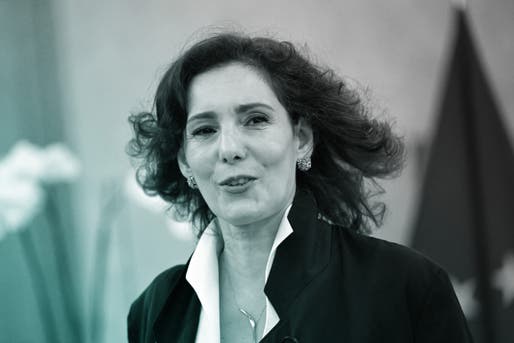 (AFP via Getty Images)
The Belgian politician, and former journalist, needed all her negotiating skills to promote her agenda of humanitarian readiness and civil protection at a time when the affordability crisis has politicians clamoring for more budget cuts.
Lahbib argued that this summer’s wildfires and extreme heat across Europe were more than the drastic effects of a hot season; they were a “wake-up call” for the continent that current strategies of relaxing climate regulations and goals would lead to disaster.
A former Belgian foreign affairs minister, and before that a foreign television correspondent in the Middle East, Lahbib is used to covering disasters and responding to regional confrontations. Her biggest challenge this year is in fighting to prevent the EU’s budget for disaster prevention and forest management from being slashed.
42. Claudia Sheinbaum
Mexico’s president, Claudia Sheinbaum, is a climate scientist with a strong background in renewable energy projects. She has contributed to the United Nation’s Intergovernmental Panel on Climate Change (IPCC) and as mayor of Mexico City she worked to put solar panels in public places and electrify the city’s transportation system.
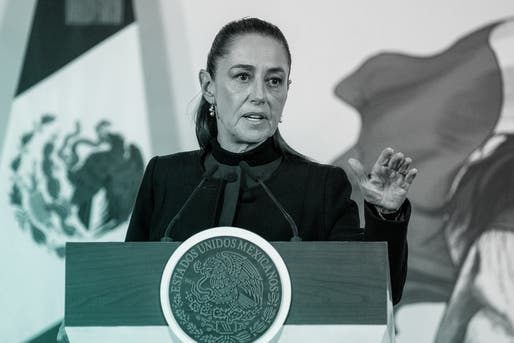 (Getty)
Her presidential campaign included a commitment to invest more than $13bn (£10.4bn) in clean energy by 2030, but in her first two years as president she faced challenges in weighing her climate-fighting desires against the importance of Mexico’s oil-producing legacy. In particular, she has maintained funding support this past year for Mexico’s state oil company, Pemex, despite criticism from climate advocates.
Sheinbaum has also been a force behind designing a 30-year water plan for the country, to help manage water supply for its vital agricultural industry.
43. Sir Sadiq Khan
Throughout London mayor Sir Sadiq Khan‘s tenure, he’s put the climate crisis at the forefront and has made significant strides in reducing the city’s carbon footprint. Now in his third term and celebrating a decade in the role, he’s focused on tackling air pollution with Ulez (Ultra Low Emission Zone) and 20mph areas. This month, work begins on pedestrianising Oxford Street, one of the city’s busiest shopping areas.
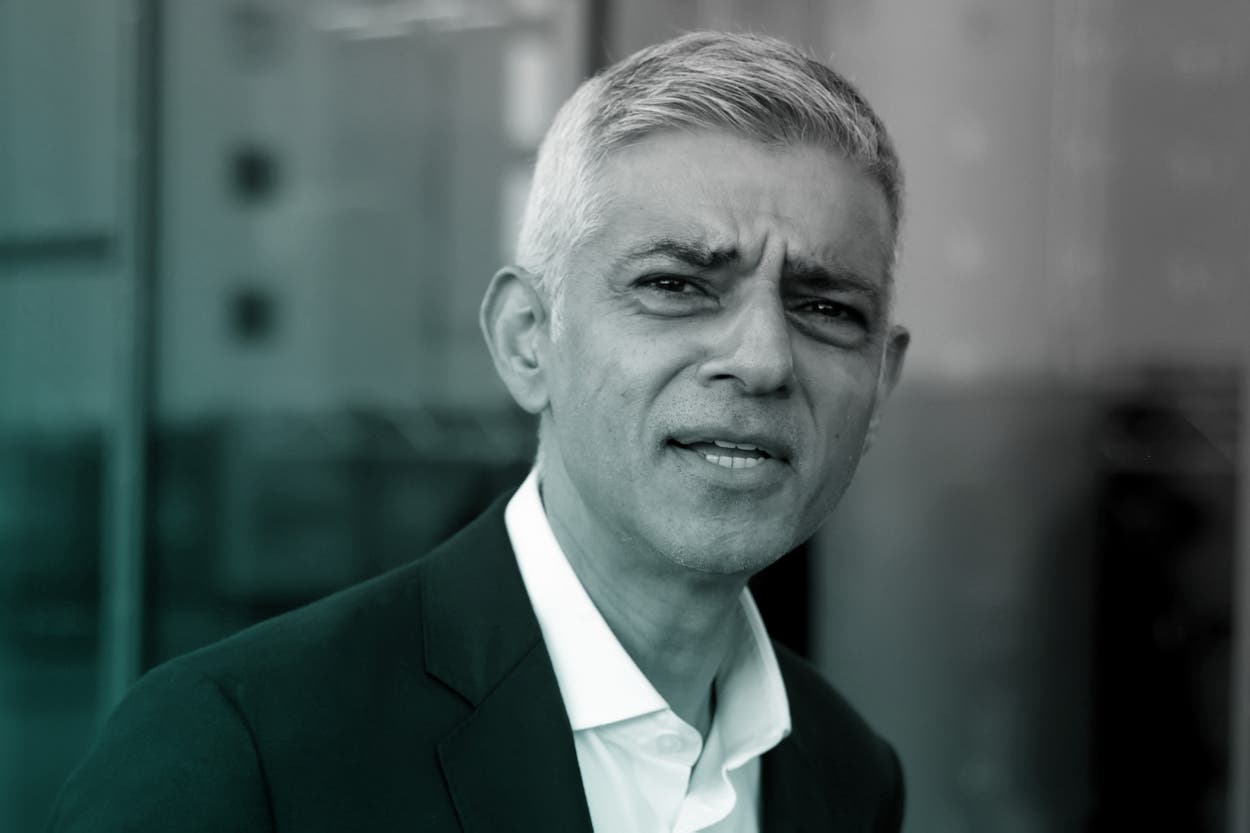 (Getty)
This year, he’s launched a 10-year strategy to clean up London’s waterways, and now, after the country’s hottest summer on record, he is set on expanding cool and green spaces. This comes after “The Heat Ready London Technical Report”, commissioned by the Mayor. It told how climate-related damage could cost the capital up to £36bn a year by the 2050s.
In an opinion piece he previously wrote for The Independent’s Climate 100 series, he called London’s air pollution the “gravest environmental threat to human health… with our poorest citizens and minority ethnic communities suffering the worst effects”.
Under new Ulez rules, roadside nitrogen dioxide levels have been halved since 2016, pollution has been cut by more than 20 per cent in outer London, and the capital’s “air quality is improving at a faster rate than the rest of England’s average,” he has said.
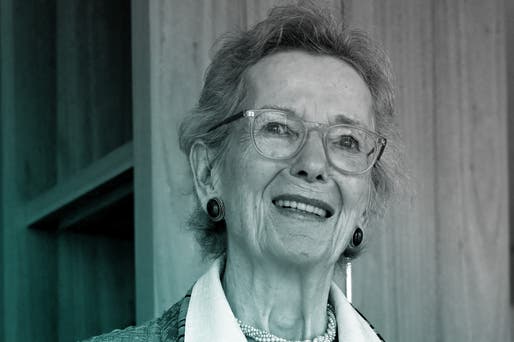
44. Mary Robinson
After serving as Ireland’s first female president, Mary Robinson, a lifelong champion of human rights, has established her own climate group, Project Dandelion, which pushes for women to be prioritised within the climate crisis response. The group launched a short film, We Are Dandelions, which premiered at the virtual Unite for Climate Solutions: A Women-Led Summit event, ahead of Cop 28.
 (AFP/Getty)
As well as advocating for women, the 82-year-old also emphasises the need for inclusive solutions that properly serve the needs of marginalised communities. She has become one of the most highly respected people in the climate conversation for her advocacy work.
In her humanitarian work, she’s vocal in speaking out against Israel’s aid block and has been to the Rafah Crossing as a member of The Elders, founded by the late Nelson Mandela in 2007. The group is made up of global leaders working together for peace, justice, human rights and a sustainable planet, which she is the chair of. At Cop 30 she criticised the heavy presence of fossil fuel lobbyists.
In an interview with The Independent in 2023, she explained that she thinks the US, which is responsible for the largest share of historic greenhouse gas emissions, could do more in the fight against the climate crisis.
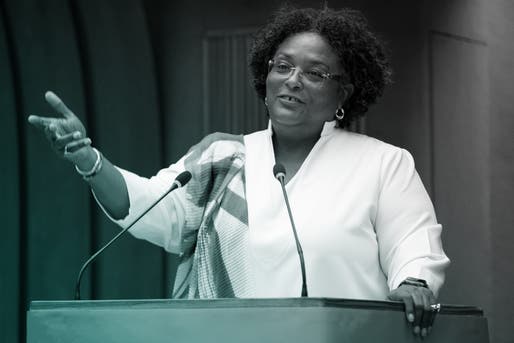
45. Mia Mottley
Mia Mottley is a woman of many firsts. In 2018, she became the first female prime minister of Barbados, and then, the first prime minister to serve after Barbados became a republic in November 2021. The following year, she announced her landmark Bridgetown Initiative, which proposes to entirely reform how global debt works.
 (UNCTAD)
The plan calls for wealthier nations to contribute far more financially to the global climate fight, as poorer nations are bearing the physical and financial brunt despite having contributed the least to it. It’s her central call, and one she spoke about at Cop 29 in Baku in 2024, emphasising the need for global financial architecture reforms as the planet was “hurtling towards catastrophe” with increasing extreme weather events.
After floods, hurricanes or droughts, poorer nations struggle to financially rebuild due to their high debt. This can be as much as 12-14 per cent in poorer nations, compared to 1-4 per cent for wealthier countries. Mottley argues that if these high repayment interest rates are not paused or even cancelled – as was done for some countries after the Second World War – then they could be a death sentence for countries like hers. For her Bridgetown Initiative, Barbados was a Earthshot Prize 2025 finalist.
In December 2024, Barbados benefitted from its first “debt for climate resilience swap”, meaning it replaced expensive debt with more affordable financing, generating $125m (£93m) in savings, which has been turned into a water and sewage project to help mitigate the effects of climate change. At the UN’s General Assembly last September, she demanded that world leaders secure $1.3 trillion annually by 2035 to fund the green transition for developing nations.
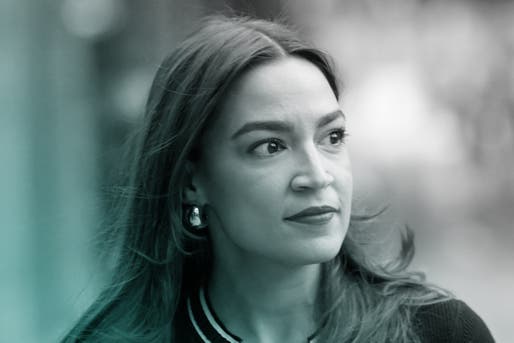
46. Alexandria Ocasio-Cortez
A champion of the Democrat progressive left and congressional representative from New York, Alexandria Ocasio-Cortez quickly established herself as a lightning rod for climate change criticism after she was first elected in 2018 at the age of 29.
Also known as AOC, she was a co-sponsor of a bill called the Green New Deal, which called for a series of initiatives to combat global warming and housing inequality to support a transition from fossil fuels to renewable energy.
 (Getty)
The Green New Deal became an attacking point of President Trump in his first term and remains so to this day, even though it has largely been put aside by Democrats. AOC, now a seasoned insider on Capitol Hill, is still a leading spokesperson for environmental efforts and has positioned herself as one of the greatest critics of Trump’s attempts to attack renewable energy in his second term.
She was instrumental in getting New York City’s progressive mayor, Zohran Mamdani, elected last year and has been frequently mentioned as a possible progressive candidate for president in 2028.
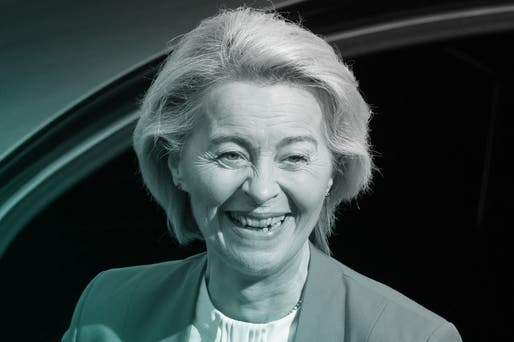
47. Ursula von der Leyen
As President of the European Commission in Brussels, Ursula von der Leyen has made climate change a central focus of her efforts since she was first elected in 2019. But her efforts have been challenged since the wars in Ukraine and now Iran have ushered in a power crisis across the continent.
 (AFP/Getty)
Working toward a European Green Deal with other like-minded members of the EU, she pushed through policies and legislation designed to reduce harmful carbon emissions on the continent by 90 per cent by 2040 and completely by 2050, which would make Europe the first carbon-neutral continent.
This year as an affordability and power cost crisis both bite, however, she has faced calls from member countries, such as Italy and Poland, to water down climate policies to help the EU reduce its overall budget. In particular, both the EU’s carbon emissions trading system and its goals for net-zero face efforts to weaken restrictions, cut costs and extend timelines.
48. António Guterres
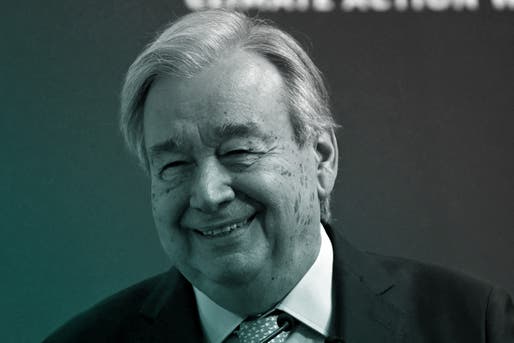
Under the leadership of Secretary General António Guterres, the United Nations has intensified efforts to push for ambitious climate action, urging countries to meet and exceed the goals of 2015’s legally binding Paris Agreement, which was enforced the following year.
Guterres frames the climate crisis as the defining issue of our time, and has championed the need to transition to renewable energy, reduce carbon emissions and protect vulnerable communities.
He continues to push for global net zero by 2050, though he now thinks richer nations should aim for 2040, and calls for greater international cooperation to address biodiversity loss and environmental degradation.
 (AFP/Getty)
His advocacy often runs into conflict with governments that are hostile toward investing in climate mitigation or providing money to nations hit hard by global pollution – such as in the US this year.
This summer, Guterres used the raging wildfires and extreme heat in Europe and the US to warn that the Earth is burning and that conditions will continue to get worse unless governments take immediate action to rein in fossil fuel production. He said this summer’s wildfires may be just a “warm up.”
49. Al Gore
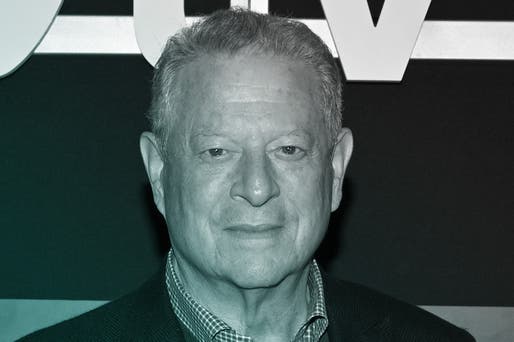
After leaving public office as US vice president in 2001, Nobel Peace Prize laureate Al Gore has become one of the best known leaders of the climate fight.
In 2006 he founded the Climate Reality Project, which has trained more than 3.8 million people worldwide, empowering them to devise climate solutions for their communities. The same year, Gore’s documentary An Inconvenient Truth brought the realities of climate change to the fore and sparked a global conversation. He also kicked off an international tour last year in Paris for the Climate Reality Project, to use training centres and youth programs in other countries to expand public support for renewable alternatives to oil and gas. Gore said the strategy is designed to help support climate activism in parts of the world where there is still motivation to mitigate extreme heat and weather, despite setbacks in the US.
 (Getty)
This year marks its 20th anniversary of An Inconvenient Truth, with programmes reaching Chile and Singapore for the first time, enabling the creation of networks and tools to push for further climate action.
Last year, Gore was a headline speaker at San Francisco Climate Week, where he blasted the Trump administration for its attack on government subsidies for renewable energy, and for its attempts to override Congress on its traditional taxing and spending powers. This year, he criticised the Trump administration for repealing the Environmental Protection Agency’s “endangerment finding”, which established that greenhouse gases threaten public health and welfare.
Arts & Fashion50. Helen Phillips
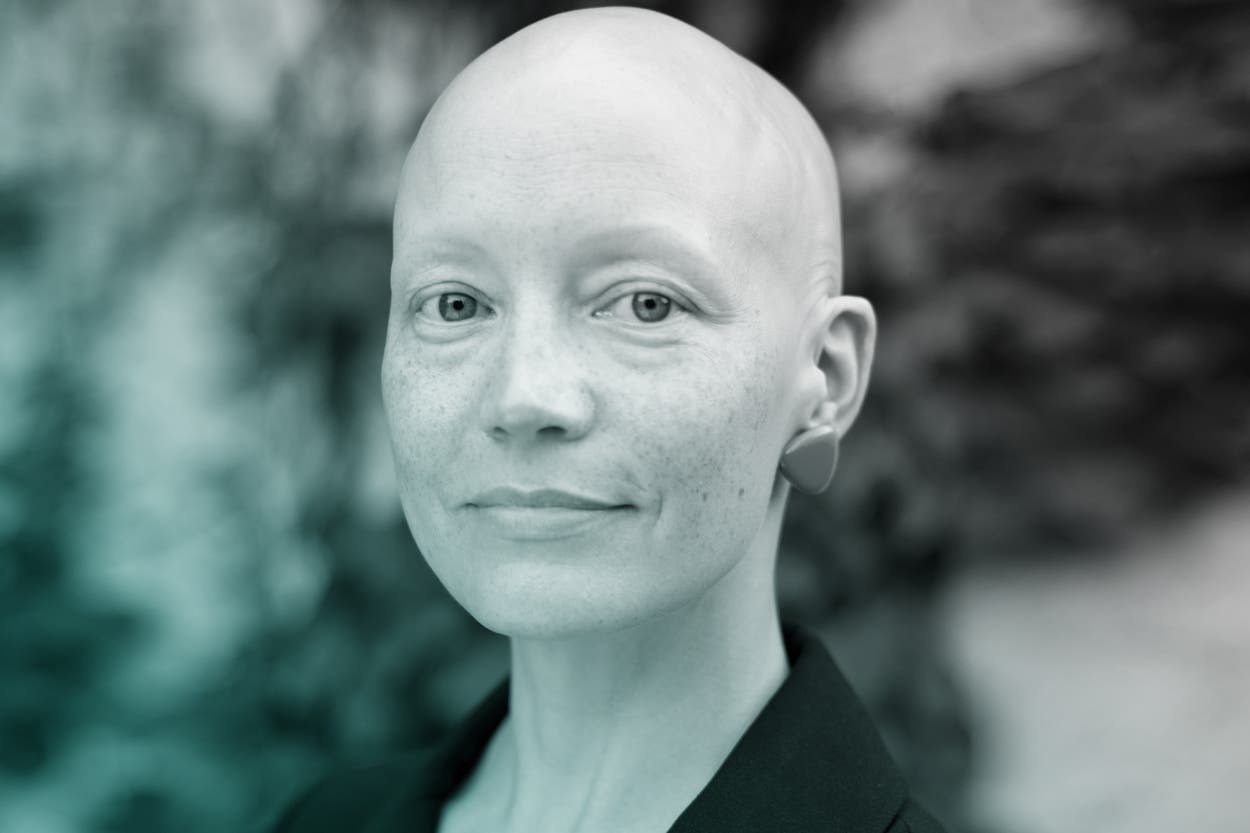
American author Helen Phillips’ sixth novel won the Climate Fiction Prize 2026, which is now in its second year. The book, Hum, depicts one of the troubling topics of our age – human jobs being replaced by robots, and contains a stark take on the current issues with AI.
Phillips has said she was inspired to write the book when she was walking home, and thought she needed to remember to buy dishcloths, then opened her laptop at home to find that dishcloths were being advertised to her.
 (Andy Vernon-Jones)
The story follows protagonist May when her job is replaced by a “hum”, and instead she becomes a guinea-pig for testing to evade facial-recognition in surveillance. It’s been dubbed the Disneyfication of nature by one of the prize’s judges, Kit de Waal, “turning nature into a rare place that we have to pay to see”.
Chair of Judges for the £10,000 prize, Arifa Akbar – the former literary editor of The Independent – said: “Hum deals with love, community and family in the face of the climate crisis, privilege and the age of AI.” Judge Friederike Otto, who is also a climate scientist, said the book “tackles the central reason nothing is done about the climate crisis – privilege”.
51. Kathy Jetñil-Kijiner
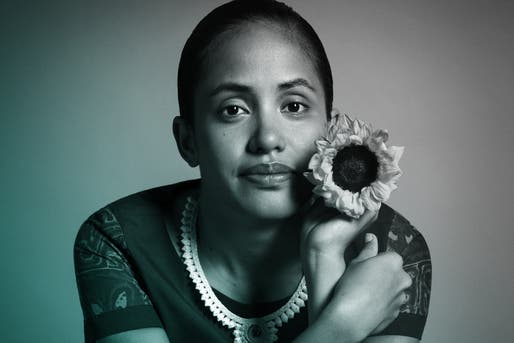
When Kathy Jetñil-Kijiner performed a poem about climate change at the opening of the 2014 UN Climate Summit, she gave the global climate crisis a deeply personal voice. Addressing her young daughter, the Marshallese poet warned of the rising seas threatening her homeland – and challenged world leaders to act. The performance earned a standing ovation and made her an international climate activist.
 (Kathy Jetñil-Kijiner)
More than a decade later, Jetñil-Kijiner is still fighting for the future of the Marshall Islands, but her work has moved beyond poetry. She serves as climate envoy for the Marshall Islands Ministry of Environment, representing the country in international climate negotiations and helping develop national adaptation policies. She recently completed a PhD examining the relationship between climate adaptation policy and poetry.
She also co-founded Jo-Jikum, a Marshallese youth organisation that supports young people to tackle climate and environmental challenges affecting their islands. Her creative work continues to explore the intertwined legacies of climate change, colonialism and US nuclear testing.
52. Jack Harries
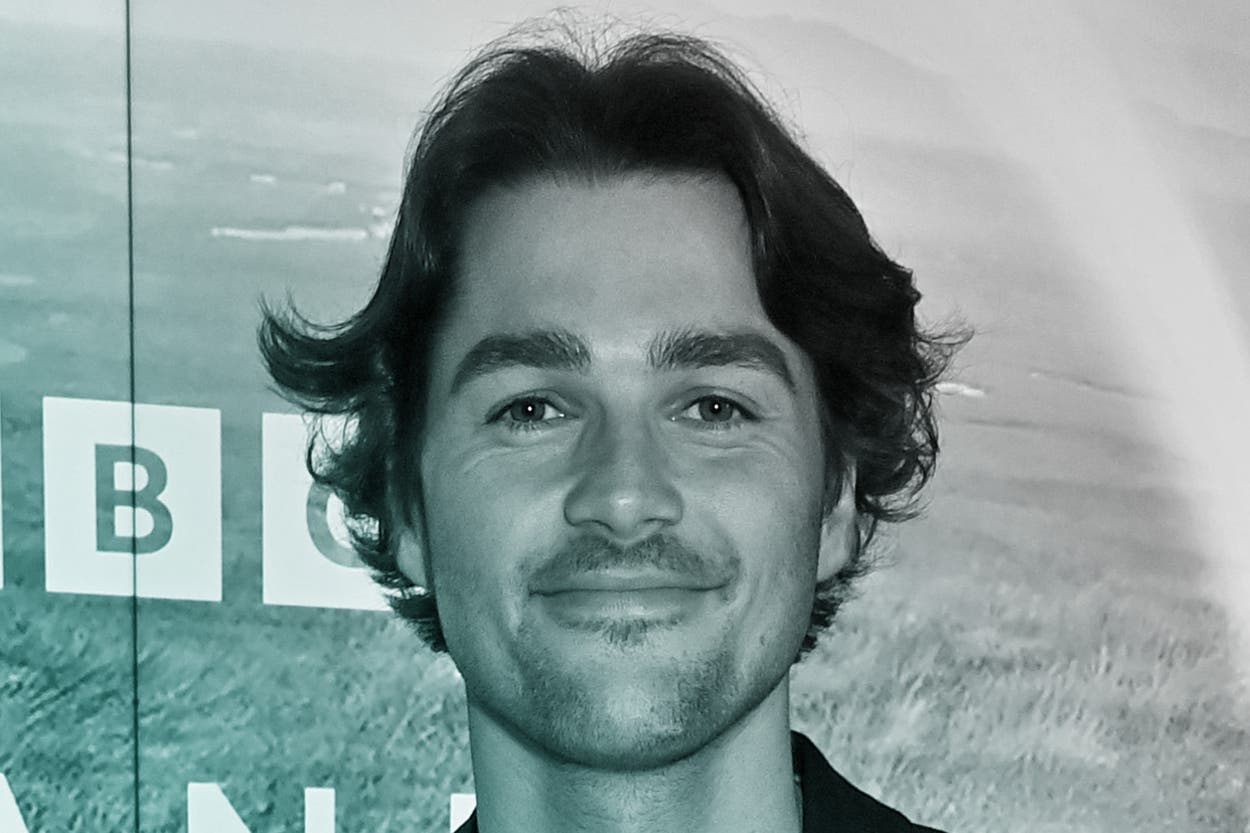
Former YouTube star and Extinction Rebellion member Jack Harries created Earthrise Studio with his twin brother, Finn, and filmmaker and activist Alice Aedy. Its films aim to make the climate crisis more accessible – reaching more than 100 million people – while moving away from the sense of doom that can surround environmental issues. Instead, Earthrise focuses on stories that show what is possible and give people a sense of agency.
The film Power, presented by Harries, explores who controls the world’s energy systems and what a transition away from fossil fuels could look like, while We Are Antarctica asks audiences to reconsider their relationship with one of the planet’s most fragile ecosystems. Earthrise’s wider campaigns have also tackled climate justice and Indigenous rights, putting people and communities, rather than statistics, at the centre of the climate story.
 (Dave Benett/Getty)
One of Harries’ most powerful projects was Seat at the Table, which brought together figures including David Attenborough, Jane Goodall and Barack Obama as he travelled the length of the UK to reach Cop 26, held in Glasgow.
Most recently, he created Wild Tales, a community for sharing skills including growing, foraging, fermenting and traditional crafts. The project aims to reconnect people with nature while giving them practical knowledge to live more sustainably – turning climate concern into something people can act on in their everyday lives.
53. Omoyemi Akerele
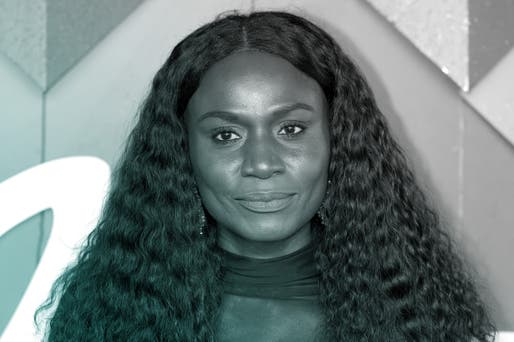
The founder of Lagos Fashion Week, Omoyemi Akerele, is helping to positively change one of the world’s most polluting industries from within.
What started in 2011 has grown into Africa’s largest and most influential fashion platform, using its influence to make sustainability a requirement rather than an optional extra. And now, she’s the winner of the Earthshow 2025 Prize for its “Build a Waste-Free World” category.
 (Getty)
Every designer showing at Lagos Fashion Week must demonstrate responsible practices, from sourcing and dyeing materials to production and transport. Alongside the runway, Akerele has developed skills programmes that strengthen local supply chains, revive traditional craftsmanship and turn waste materials into valuable resources. The aim is to create a fashion economy rooted in circularity, cultural identity and community empowerment.
The approach is already influencing the industry beyond Lagos. Akerele and her team plan to use the £1m Earthshot prize to replicate the model at fashion weeks in Kigali in Rwanda, Dakar in Senegal and Accra in Ghana, extending its sustainability standards across the continent.
54. Anna Heringer
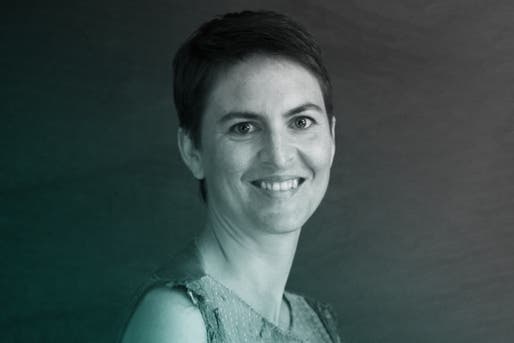
German architect Anna Heringer has spent two decades challenging the construction industry’s reliance on energy-intensive materials. Instead, she’s championing earth and traditional building techniques as tools for a more sustainable build.
Her latest project, Campus St Michael in Bavaria, brings that philosophy home. Completed in 2026, its central forum is Germany’s first weather-exposed, load-bearing rammed-earth building, constructed with walls made almost entirely from earth excavated on site. If the building is ever demolished, its walls can be returned to the ground.
 (Anna Herringer Architecture)
Heringer’s approach was shaped by her time in Bangladesh, where she first saw how locally available materials and traditional skills could support both sustainable development and local economies. Her award-winning Modern Education and Training Institute (METI) Handmade School in Rudrapur, built from earth, bamboo and straw, established the principles that have defined her career.
Now an honorary professor of the UNESCO Chair of Earthen Architecture, Building Cultures and Sustainable Development, Heringer says sustainability should not be an add-on to architecture but its starting point.
55. Carry Somers
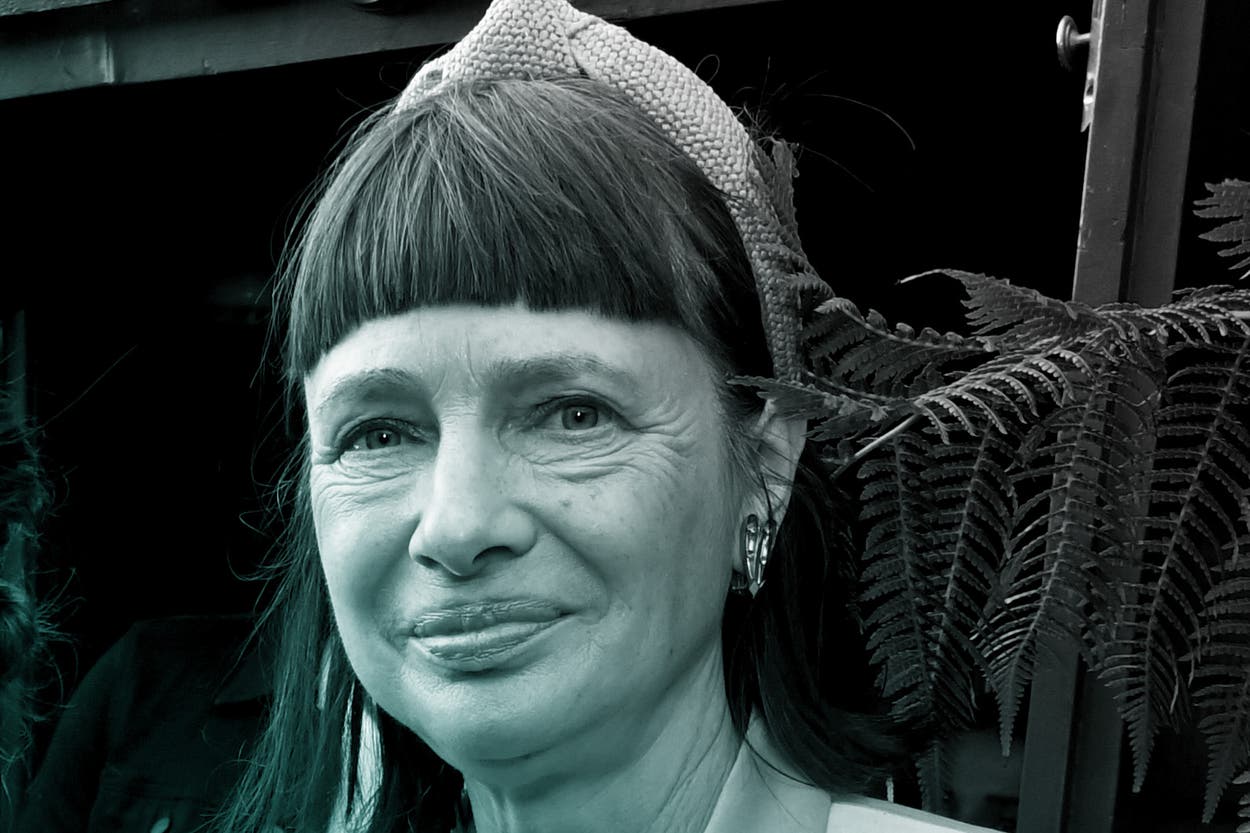
When the Rana Plaza factory collapsed in Bangladesh in 2013, killing 1,134 people, Carry Somers decided the fashion industry needed to change. So, she co-founded Fashion Revolution with designer Orsola de Castro, turning outrage over the disaster into a global movement campaigning for greater transparency and better working conditions that don’t exploit people or the planet.
Somers had already spent two decades challenging the industry’s status quo. In 1992, she founded Pachacuti, an ethical fashion label working with artisan communities in the Andes that pioneered supply-chain transparency.
 (Alan Chapman/Dave Benett/Getty)
Today, Fashion Revolution operates as the world’s largest fashion activism movement, pushing brands and governments towards greater accountability. Somers has also investigated microplastic pollution and textile waste, including sailing 2,000 miles across the Pacific in 2020 to document plastic and chemical pollution.
Her latest work is probing the environmental assumptions behind natural materials. Last September she published The Nature of Fashion, which she co-authored and challenges the idea that natural fibres such as cotton simply biodegrade.
56. Samata Pattinson
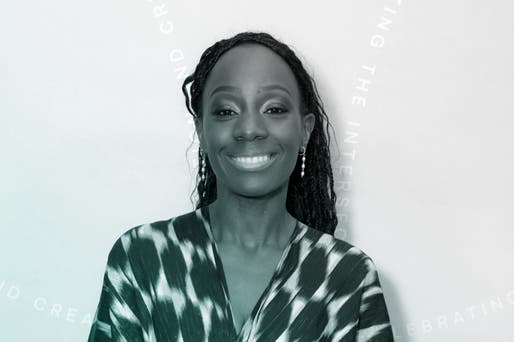
British-born Ghanaian entrepreneur Samata Pattinson has spent more than a decade working to make fashion and entertainment part of the climate conversation. She thinks changing what people aspire to can be as powerful as changing what they consume.
Pattinson won the Red Carpet Green Dress (RCGD) competition in 2011, going on to become its global campaign director and later CEO of RCGD Global.
 (Getty)
She helped bring sustainable fashion onto the Oscars red carpet, working with designers and celebrities to demonstrate that environmental responsibility need not come at the expense of glamour.
She has since worked with megastars including Billie Eilish, helping develop sustainability initiatives around her Overheated climate events and world tour.
She also founded the Black Pearl, a cultural sustainability organisation in 2023, which works across fashion, music, entertainment and education. This year, she founded Culture@ project which uses fashion and photography to explore the relationship between sustainability, identity and cultural heritage.
Scientists & Academics57. Dan-Bi Um
Expanding the use of solar power without sacrificing the forest canopy’s need to absorb carbon has been at the heart of exploring how the transition to clean energy can coexist with the protection of natural ecosystems. Now, thanks to the work of South Korean environmental lawyer and Korea Maritime Institute senior researcher Dan-Bi Um, that’s being answered.
Um’s research shows the potential of what are being called “solar trees” – very tall structures of curved panels that look like opened umbrellas and reach above the tree tops. Importantly they don’t disrupt the forest’s ability to absorb carbon, and will help prevent deforestation.
Her work also extends beyond renewable energy. Um has researched blue-carbon rights for coastal fishing communities, exploring how communities that protect carbon-rich coastal ecosystems such as mangroves and seagrass can share in the financial benefits of carbon markets. She has also investigated forest carbon trading and land rights in North Korea, and contributed to international discussions on Arctic governance and South Korea’s Arctic policy.
58. Erik Murchie
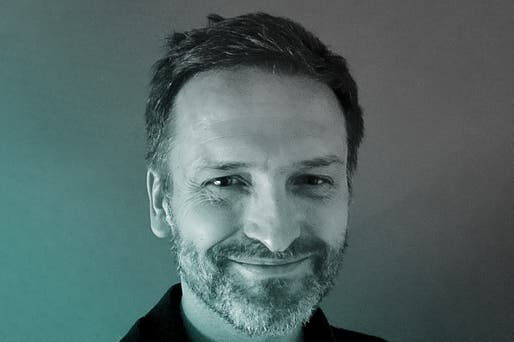
Professor Erik Murchie of the University of Nottingham is among the leading scientists developing a new type of rice that can be resistant to long periods of drought. A long-time researcher and lecturer on crop science, Murchie said that climate change is a major threat to global food systems and we will soon need crops that can resist its worst impacts.
 (Supplied)
More than half the world’s population eats rice every day, yet it takes massive amounts of water to grow it. As global warming gradually results in longer periods of drought, as the UK saw this summer, Murchie and his colleagues are experimenting with the gene sequences of rice as well as its roots to find ways to grow it in dry conditions.
Murchie told journalists earlier this year that a one degree Celsius increase in global temperatures will lead to a 6 per cent reduction in global rice yields each year, illustrating the scope of the threat to worldwide food systems.
59. Dr Toby Kiers
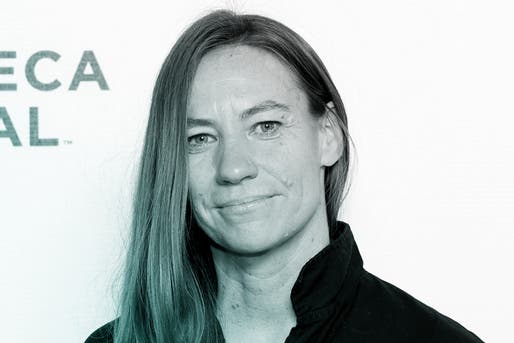
Evolutionary biologist Dr Toby Kiers, who specialises in the study of fungi and how they react with the environment, was the winner of this year’s Tyler Prize for Environmental Achievement, sometimes referred to as the Nobel Prize for the environment.
 (Getty)
Kiers, an American, was awarded the prize by the University of Southern California for her work on how fungi helps carbon sequestration and soil regeneration.
She is currently a researcher at Vrije Universiteit Amsterdam.
Kiers said the vast majority of fungi networks are unprotected from global warming, and that rapid research is vital to making sure that climate change doesn’t force the collapse of the system, which could lead to the erosion of important soil for food crops.
60. Alexandra Bech Gjørv
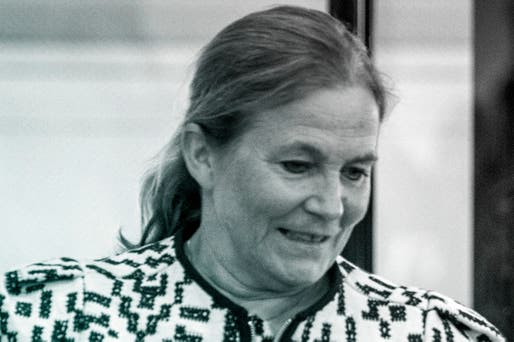
For Alexandra Bech Gjørv, Norwegian scientist and CEO of research institute SINTEF, the climate transition is not simply about cutting emissions.
It is about finding new ways to use the resources around us – including the oceans – to build industries that can thrive without exhausting the planet.
Gjørv has championed research into Norway’s vast potential for cultivating kelp and other seaweeds, which can grow without freshwater, fertilisers or agricultural land.
 (Getty)
SINTEF estimates that products based on Norwegian seaweed and kelp could become a multibillion-pound industry, with applications ranging from food and animal feed, to biomaterials and ingredients that could replace fossil-based products.
It is part of a broader approach at SINTEF, one of Europe’s largest independent research organisations, where Gjørv has led efforts to accelerate the development of technologies for the green transition since becoming CEO in 2016.
Her career has also included senior roles in new energy at Norsk Hydro and Statoil, working across wind, solar, bioenergy, hydrogen and carbon capture.
61. Sir David Attenborough
No one has been a greater force in raising awareness of the climate and environmental crises than Sir David Attenborough. The British documentarian and naturalist is behind dozens of TV series, beaming unforgettable portraits of animals and plants in their natural habitats into the homes of millions around the world, while also painting a very vivid picture of the disastrous realities the planet faces at the hands of humans. His enthusiasm and respect for our uniquely diverse planet has inspired generations of scientists, academics, conservationists and activists.
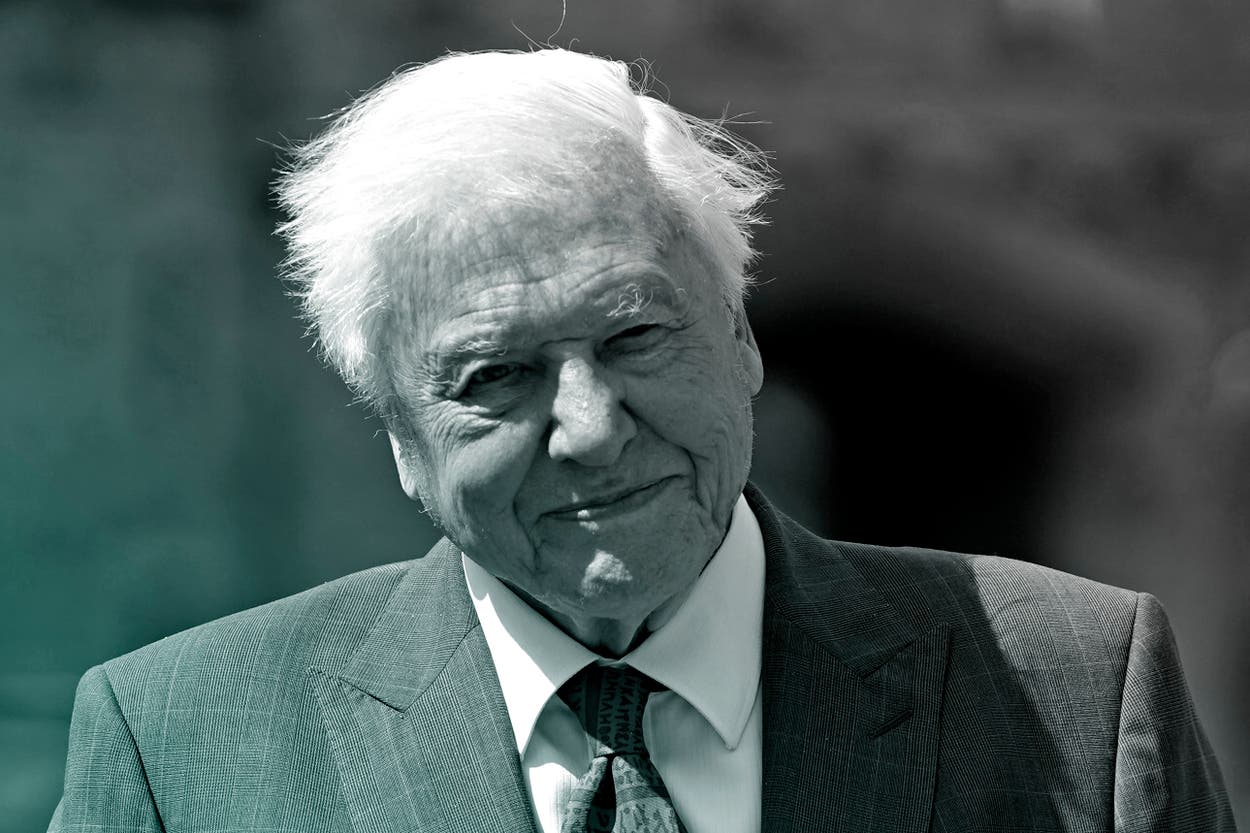 (Getty Images)
Known as “the voice of nature”, Sir David is still working and broadcasting with his signature eloquence at the grand age of 100, which he celebrated this year. He has reported from some of the world’s toughest environments, and at every opportunity, uses his platform to advocate for immediate action to combat environmental degradation through programmes including Natural World, Wildlife on One and the Planet Earth series. The Blue Planet is regarded as having drawn attention to the global problem of plastic pollution, and The Life of Mammals explored the threat humanity has posed to every other species on Earth.
This year, it was announced he would once again narrate Blue Planet when it returns for its third installment later in the year. In 2025, he narrated two documentaries, Parenthood and Ocean with David Attenborough. The latter was released on his 99th birthday – one critic called it the “greatest message he’s told” – and it described the startling effect dredging has on the ocean floor, and how important the oceans, which he calls “our life support system and our greatest ally against climate catastrophe”, are to the future of our world
In a video message to mark World Environment Day 2020, he said: “Suddenly, saving our planet is within reach. We have a plan. We know what to do. Stop the damaging stuff, roll out the new green tech, stabilise the human population as low as we fairly can, keep hold of the natural wealth we have currently got, and we’ll have built a stable, healthy world that we can benefit from forever. We now have a choice to create a planet that we can all be proud of – our planet. The perfect home for ourselves and the rest of life on Earth.”
62. Gretchen Goldman
Gretchen Goldman is an American environmental scientist and president and CEO of the Union of Concerned Scientists (UCS), a non-profit advocacy group that uses scientific research to push for solutions to environmental problems.
Before that, she was director of climate change research and technology at the US State Department, after holding a leadership role at the White House Office of Science and Technology Policy under President Joe Biden.
 (Getty)
Since starting her role in February 2025, Goldman has been a leading voice among scientists increasingly concerned by President Trump’s anti-environmental policies and attacks on renewable energy. This February, UCS joined a coalition suing the Trump administration over its repeal of the EPA’s “endangerment finding” – the scientific determination that greenhouse gases threaten public health and the environment. In June, UCS launched Science Rising, bringing researchers together to resist political interference in science and defend independent research. Goldman has said scientists must become more organised and vocal as the federal scientific infrastructure is dismantled.
63. Fatih Birol
Fatih Birol is executive director of the International Energy Agency (IEA), which helps countries to form energy policy. He is known for championing the transition to a sustainable, low-carbon future, and has emphasised the need for urgent, coordinated global efforts to limit global warming to 1.5C.
The use of renewable energy has grown rapidly in the past few years and Birol has said the IEA expects it to increase by 2.5 times by 2030. However, that that would still fall short of the tripling that nations agreed at the Cop 28 climate summit three years ago. He added that the goal is still reachable, though success hinges on increasing funds for clean energy in developing countries.
 (Getty)
Birol said this summer that solar power in particular was leading renewable energy growth and that he is encouraged that oil demand continues to slow. But he warned that environmental policy differences between major powers, especially the US and China, are holding back the pace of a global energy transition at a time when it needs to accelerate.
Birol must also navigate increasing pressure from the fossil fuel industry and from governments such as the US that want to drill more. He has said existing oil and gas fields do require investment but that must not detract the world from its mission to transition from oil and gas to clean energy.
64. Dr Jane Goodall
Jane Goodall passed away last year at the age of 91, but her work and legacy continues, which is why the editors of The Independent agreed she should remain on this year’s Climate 100 list.
Goodall’s name is synonymous with her groundbreaking work on the study of chimpanzees, which she began in 1960. She was a renowned conservationist and ethologist (the study of non-human animal behaviour) who demonstrated an unwavering commitment to conservation until the day she died.
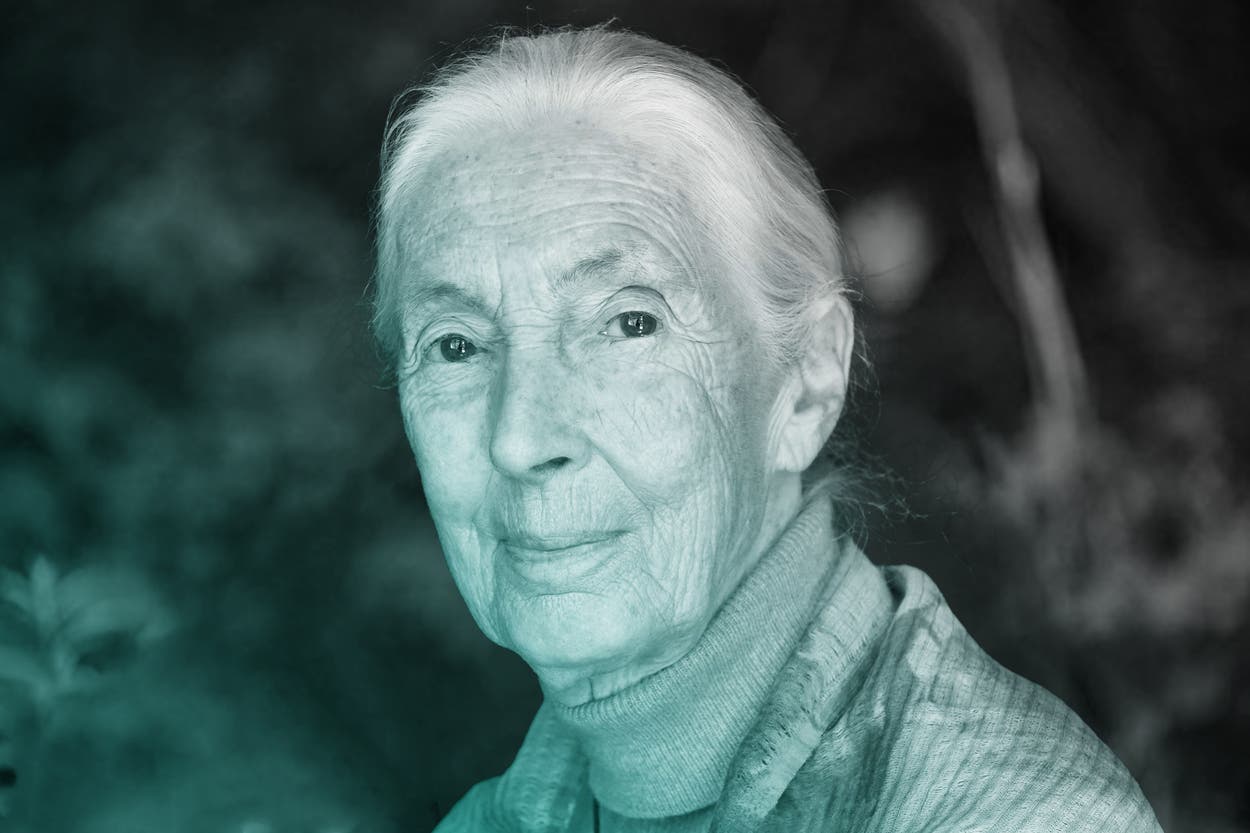 (Getty)
Through the Jane Goodall Institute, her vision to focus on education and community conservation projects carries on. In 1991, she set up Roots & Shoots, supporting young people to work on environmental, conservation and humanitarian issues. In 2023, Goodall launched the Trees for Jane campaign, promoting tree planting and forest preservation worldwide.
Speaking in London at the South by Southwest festival just last year, Goodall reflected on the horrors of war in Gaza and Ukraine and the damage the environment has suffered from them. However, she added that she is still hopeful that the younger generation, who make up a large section of her supporters, will change things while there is still time.
She also commented on the surge in AI usage and said it was a tool whose impact on the world will depend on how it is used by society.
65. Dr Kimberly Budil and team
For 70 years, scientists have attempted to replicate the energy process that powers the sun. Four years ago, a team in California finally managed to do it after 13 years of trying.
Physicist Kim Budil is the director of Lawrence Livermore National Laboratory in California. She is the first woman to hold the position, and it is under her leadership that her team made its historic breakthrough in nuclear fusion.
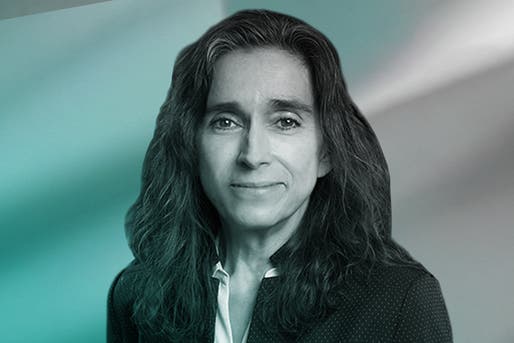 (Lawrence Livermore National Laboratory)
Since then, investors have poured money into fusion technologies – and companies purporting to be on the cusp of a breakthrough – to scale up the process. The Trump administration recently said the US was committed to all forms of nuclear energy, including fusion.
Nuclear fusion offers the promise of providing nearly limitless clean energy, which could revolutionise efforts to meet the world’s energy needs sustainably, changing the trajectory of the climate crisis. Known as a “net energy gain” – producing more energy in a fusion reaction than was used to ignite it – the experiment delivered 2.05 megajoules (MJ) of energy to the target, resulting in 3.15 MJ of energy output. The team achieved a new record last year, producing 8.6 MJ and this year Budil is continuing to accelerate this transition through the new Livermore Institute for Fusion Technology, bringing together expertise with private companies working to develop commercial fusion.
Entertainment, Royalty, Sport & Religion 66. Benedict Cumberbatch
Bringing hope rather than perpetuating a feeling of helplessness is a key message of the documentary How to Live on Earth, presented and narrated by actor Benedict Cumberbatch.
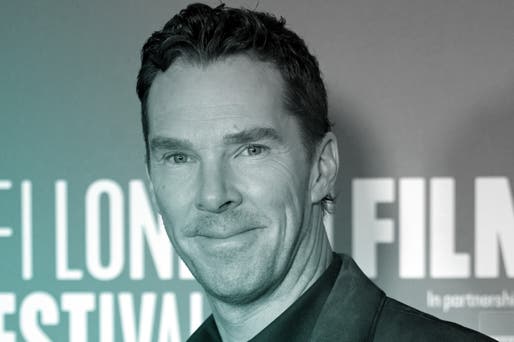 (Getty)
It turns away from familiar images of environmental destruction to explore how people around the world are working with nature to build a safer future. It was released in line with London Climate Action Week in June.
Directed by Fredi Devas, a filmmaker who worked on Planet Earth II and III, the film travels from Singapore to South Korea and Mexico, documenting scientists, Indigenous activists, farmers and entrepreneurs developing nature-based solutions – from greener cities and forest restoration to changing how we produce food.
Cumberbatch – a longtime environmental campaigner – guides viewers through these stories, aiming to make the climate crisis feel less like an abstract catastrophe and more like a problem for which solutions already exist.
67. Hector Pardoe
Olympic open water swimming, Hector Pardoe, has turned his sporting platform into a campaign for cleaner rivers and lakes, after he’s continually come face-to-face with water pollution that’s made him, along with his fellow swimmers, unwell.
In August 2025, Pardoe became the first person to swim Britain’s three largest lakes – Windermere, Loch Lomond and Bala Lake – back-to-back in under 24 hours. The 55km challenge raised money for Surfers Against Sewage and highlighted the pollution threatening the waterways on which his sport depends.
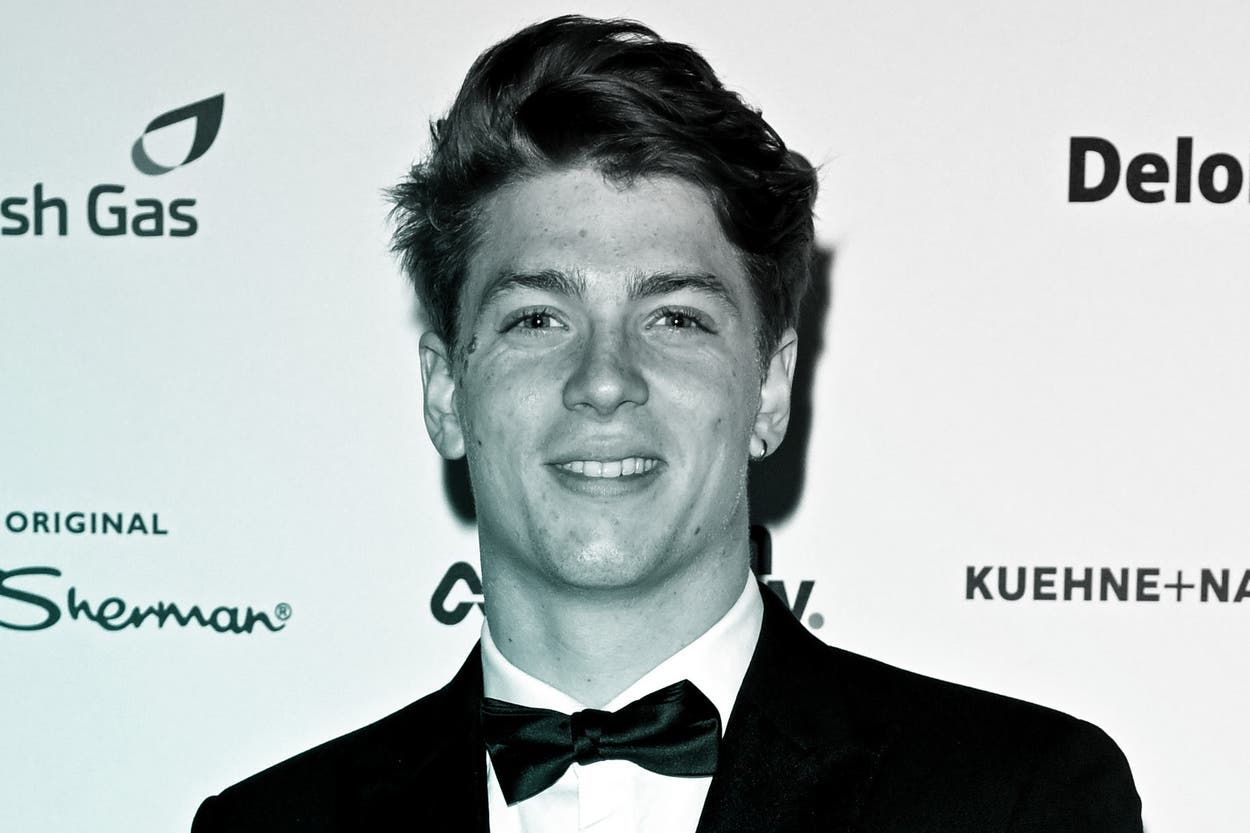 (Getty Images)
Pardoe is calling for water companies to be held accountable for sewage discharges, and his call has gained momentum in tandem with his successful sporting career. He won bronze at the 2024 World Aquatics Championships and finished sixth in the 10km marathon swim at the Paris Olympics. Named Athlete of the Year at the 2025 BBC Green Sport Awards, Pardoe is demonstrating how elite athletes can use their visibility for something beyond medals.
68. Federico Addiechi
Federico Addiechi is the head of sustainability at FIFA, the global football body that organised the World Cup in the US this summer in some of the most dangerous heat conditions yet.
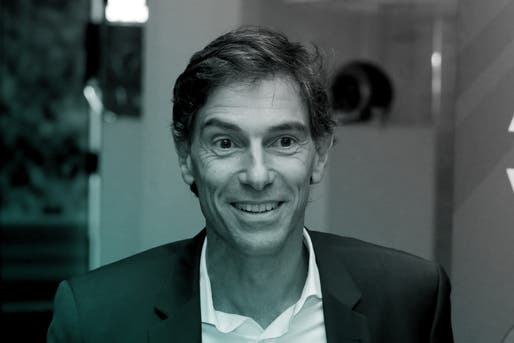 (Getty)
Like the Olympics, the quadrennial World Cup tournaments are typically criticised as being a polluter’s dream, with fossil fuel sponsors, teams flying around on planes, and sometimes massive construction to make venues ready for the sporting event. This year’s World Cup was no different, but the addition of extreme heat made it especially tricky.
Addiechi and his team had to manage the timing of games to avoid the hottest parts of the day, ensure venues without roofs had cooling systems and air con, and controversially, introduce mandatory water breaks each half to ensure the health of the players.
While the World Cup in Qatar in 2022 introduced the threat of extreme heat (and so was moved to the autumn), this year’s World Cup illustrated how climate change will alter the game for years to come, and cast a spotlight on FIFA’s sustainability efforts.
69. Jessie Diggins
As a board member of Protect Our Winters (POW), one of the world’s largest climate advocacy groups, American cross-country skier Jessie Diggins vocalises how increasingly warming winters are changing not only winter sports, but also the lives of the communities who live on and around the snow and have a reliance on it.
 (Getty Images)
As an Olympian and World Cup champion who has been competing for 15 years, she’s seen winters change dramatically and speaks about the severity of winter environments disappearing before our eyes. In an interview in November 2024, she said: “I will not shut up and ski” – highlighting the importance of the voices of people who see climate issues first hand too. She previously wore a race suit featuring melting glaciers, an impactful visual no one could ignore. She also endorsed the ban on PFAS chemicals in ski wax on the World Cup circuit, marking a major step toward reducing the environmental footprint of snow sports.
Diggins retired from professional sport in March this year, and spends more time on her advocacy work. In June she joined fellow Olympians from POW on Capitol Hill calling for cleaner air, water and to reverse environmental rollbacks made under the Trump administration.
70. Mark Ruffalo
The anti-fracking movement’s most famous face, actor Mark Ruffalo has been an environmentalist for years, and uses the term “fractivists” to describe this particular branch.
In 2016 he, Colin Firth and the late Vivienne Westwood wrote an open letter to then-prime minister David Cameron to oppose fracking. In 2013, he co-founded The Solutions Project, an organisation committed to promoting 100 per cent renewable energy.
 (Getty)
In February 2024, Ruffalo worked with politicians to ban a new type of fracking, which swaps the use of water for pressurised carbon dioxide to get at methane trapped in shale. Fracking companies say this is a carbon-neutral fuel operation, but “fractivists” disagree.
Last year, he joined fellow members of SAG-AFTRA (Screen Actors Guild and American Federation of Television and Radio Artists) in calling for their pension fund to divest more than an estimated $100m (£74m) from fossil fuel stocks, and instead reinvest in green funds.
This month, a new documentary which he narrated, Solwata (pidgin for salt water) premiered at the Venice International Film Festival. It focuses on how the climate crisis is affecting the Solomon Islands in the South Pacific.
71. Pope Leo
Ever since Cardinal Robert Francis Prevost became Pope Leo XIV last year, he has adopted climate change and the environment as one of his major focuses, in the same vein as his predecessor, Pope Francis, who was known as the “climate pope”.
 (Getty)
Leo has actively addressed the destruction of the environment, and in particular its effects on the poor. He has celebrated “green masses” to emphasise the Church’s responsibility to the Earth, and is even attempting to build a solar farm in the Vatican.
Shortly after becoming Pope, he celebrated the 10th anniversary of Francis’s Laudato si’, a 184-page letter to bishops that tied climate change to the Church’s social mission and condemned the destruction of the environment for financial gain, asking for a “relationship of reciprocity” with the environment.
This past summer, in a video address to the Austrian World Summit in Vienna, he sought to frame protection of the environment as a moral issue and part of the global social fabric that requires humanity to work together for survival, as opposed to an isolated problem for individual governments.
72. King Charles III and Prince William
Since he was a young man, King Charles III has been a champion of green initiatives and organic, long before sustainability became a buzzword. It’s a trait that appears to have been passed down to his son and heir, Prince William, who has picked up the baton and launched his own initiative to tackle the climate crisis, the Earthshot Prize.
For his unwavering focus on green issues, Tony Juniper, chair of Natural England and former director of Friends of the Earth, praised the king as “possibly the most significant environmentalist in history”. It is something that he has continued since ascending to the throne, installing the first solar panels on Windsor Castle and using biofuel in royal cars as he strives to reach net zero within the palace walls.
In 2026, Prime Video released Finding Harmony: A King’s Vision, a documentary charting his decades-long commitment to working with nature, from sustainable communities in India and forests in Guyana to the work of his King’s Foundation at Highgrove and Dumfries House.
 (Kensington Palace)
Prince William has followed in the footsteps of his environmentalist father and philanthropist mother, and has called for urgent action on climate change. Earlier this month, he wrote exclusively for The Independent and said: “The crisis demands urgency”. He believes change is possible, and calls for it to be faced with “urgent optimism” – which he describes as “seeing the danger clearly while believing in our ability to respond”.
His flagship initiative is the Earthshot Prize, launched six years ago. It will be held in India for the first time later this year. It supports young innovators from more than 156 counties in their ambitious attempts to solve our biggest environmental problems – from ocean pollution to poor air quality – by awarding five winners with £1m each.
Prince William previously supported Dartmoor peatland restoration and launched a documentary series, Guardians, spotlighting wildlife rangers working in perilous conditions. This year, during London Climate Action Week, he rode London’s 3,000th electric bus and gave a speech detailing cutting 18 million tonnes of emissions and protecting millions of acres of land and sea through Earthshot Prize initiatives.
Reader’s Choice73. Kalpana Arias
On a mission to make cities greener by planting more trees, Kalpana Arias is an urban gardener who understands the power of grassroots movements. Arias recognises the act of giving local residents agency over decisions about where they live can be such a powerful tool to help make practical and accessible change.
She uses technology to help solve problems she sees around here, and founded Nowadays on Earth, an organisation that focues on reconnecting people with nature in urban environments.
 (Getty)
Arias also founded Glitch, an app where users can learn about and log biodiversity they see in their area, as well as find spaces they think could do with more trees – whether that’s for all-important shade or habitats They are then encouraged to plant a digital tree. This notifies the National Trust, and works as a digital plan for where Londoner’s want more trees.
74. Faraz Khan
Faraz Khan MBE is an entrepreneur, investor, and climate strategist with 25 years experience in sustainable finance. He is CEO and partner at Spectreco, a global sustainability technology and advisory firm, and founder and director of Social, Entrepreneurship & Equity Development (SEED) Ventures, one of Pakistan’s pioneering impact development funds.
 (BCR)
(BCR)
Faraz also contributes globally as a board member at Lincoln Business School, a visiting professor at St. Mary’s University – both in the UK – and as special advisor to the Islamic Chamber of Commerce and Development on climate finance, biodiversity & carbon credits and tokenisation.
In 2023, he was awarded an MBE by King Charles III, in recognition of his services to strengthen UK-Pakistan relationships in the fields of social impact; Environmental, Social, and Governance (ESG) work; and climate advocacy.
75. Christine Egan
Christine Egan is a specialist in energy efficiency, a major part of fighting climate change that advocates reducing waste in high-use appliances, such as washing machines, dishwashers and refrigerators to cut harmful carbon emissions.
 (Clasp)
As CEO of CLASP, a global non-profit, Egan provides analysis, consulting advice, and some financing to appliance makers and buyers in more than 90 countries to help reduce energy waste in common everyday machines.
Egan founded CLASP more than 25 years ago, but in the last few years she’s expanded into a financing strategy that works with suppliers to provide appliances to low-income communities and poorer countries to increase their usage and save more energy.
76. Pam Warhurst
Pam Warburst has been an activist in Northern England for more than 40 years, but it was an idea inspired by her frustration with government sustainability efforts almost two decades ago that propelled her to launch Incredible Edibles and gain worldwide attention.
Calling it propaganda gardening, or guerilla gardening, Incredible Edibles is an expanding group of community gardeners who grow food on unused public land.
 (Supplied)
Warhurst sees it as a way for the people to take the climate change and sustainability fights into their own hands, as well as show governments examples of making sustainable progress.
The group started out in the town of Todmorden in West Yorkshire, and now comprises as many as 100 groups throughout the UK, and others in Europe and as far away as Australia and Argentina. Warhurst currently serves as chair of the Incredible Edibles Network.
77. Cindy Forde
Author, activist and entrepreneur Cindy Forde believes changing the world starts with the stories we tell about it. Her climate career spans more than 20 years, and includes environmental education, ocean conservation and children’s literature.
Her book, Bright New World Building a Better Planet, is beautifully illustrated and aimed at children aged eight and upwards turns the usual gloom and doom narrative of the climate crisis on its head. Here, she offers solutions, giving hope to a new generation, and hopefully forming positive lifetime habits.
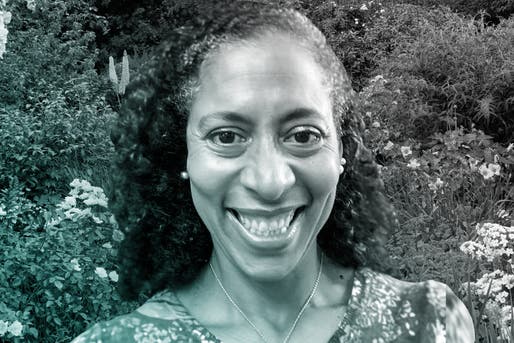 (Supplied)
Forde is also the co-founder of Planetari, a learning platform designed to equip children to become innovators and entrepreneurs, and Kando, an app helping people into climate-related work.
She previously led the Cambridge Science Centre and was managing director of the Blue Marine Foundation, where she helped form the Great British Oceans Coalition and push for greater marine protection.
NGOs, Non-Profits & Philanthropists78. Runa Khan
Bangladeshi entrepreneur Runa Khan founded social purpose organisation, Friendship, in 2002, and was awarded the 2026 Earthshot Prize for the “Fix Our Climate” category. Her work is centered around an integrated approach to the country’s most isolated and climate-vulnerable regions, who are facing changing coastlines and loss of jobs. Many are also forced to migrate multiple times because of the change the climate brings.
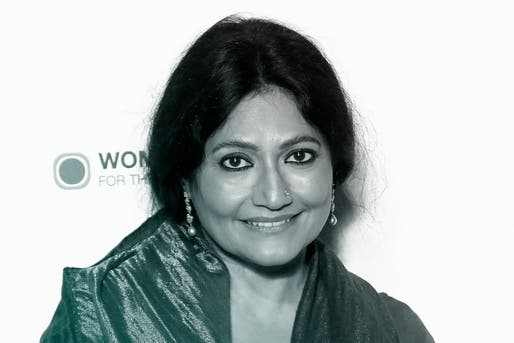 (Getty Images For Diane Von Furst)
Friendship’s holistic approach combines education and healthcare, with jobs creation and culture preservation. One of its most ambitious projects is restoring mangrove forests along Bangladesh’s vulnerable southern coast. Friendship has planted more than 650,000 trees across more than 200 hectares, helping protect shorelines, store carbon, restore biodiversity and provide livelihoods for local communities.
The model shines when communities are given the tools and agency to shape their own future, and not just protected from the climate crisis. “We cannot act for others to come and save us. We act today,” she says.
79. Kaveh Madani
Kaveh Madani, former head of the environment in Iran, is currently the director of the United Nations think tank on water, advising governments on water policy and fighting scarcity worldwide. This past spring he was awarded the prestigious Stockholm Water Prize, given annually to someone for contributions to the protection and conservation of water resources.
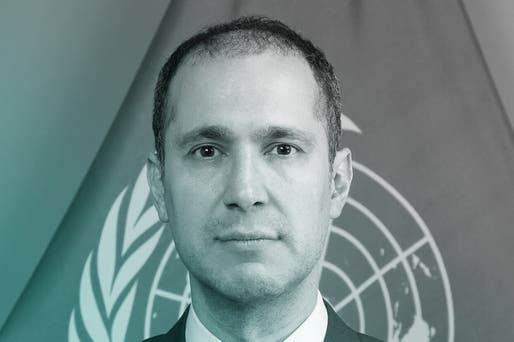 (United Nations)
He argues that water shortages and the breakdown of water systems, which have led to crises in Iran, South Africa and India, among other countries, are not as much the result of climate change or global warming but of water mismanagement by governments. He claims governments must stop living beyond their means with water systems or face “water bankruptcy.”
He was invited to become Iran’s environmental minister in 2017, but his passion for revolutionising the country’s water systems made him cross Iran’s Revolutionary Guard, which arrested him in 2018 and accused him of being a water terrorist and a foreign spy. He was released and now lives in exile in Toronto, where the UN’s water institute is located.
80. Anna Dworakowska
A decade ago, Kraków was one of Europe’s most polluted cities. Today, it has become a model for how grassroots pressure can transform urban air quality. Anna Dworakowska helped make that change happen after asking why the county is still breathing such polluted air. In 2012, after discovering the scale of the pollution caused by coal and wood-burning household stoves, she co-founded Kraków Smog Alert, turning public anger into a campaign for cleaner air.
 (Polish Smog Alert)
It helped persuade the regional government to introduce a ban on burning coal and wood for home heating, which came fully into force in 2019. Nearly a decade on, the result reported this year have been dramatic: pollution fell by about a fifth, while research suggests the changes have prevented almost 6,000 premature deaths.
Dworakowska went on to co-found Polish Smog Alert, which now brings together around 50 grassroots groups campaigning for cleaner air across the country. Since 2012, she has helped shape legislation covering coal quality, boiler emissions, clean-transport zones and financial support for replacing polluting heating systems.
81. Giles Bristow
This year has brought the Surfers Against Sewage (SAS) charity further to the forefront of the country’s minds than ever before, thanks to former environmental lawyer and its CEO since 2023, Giles Bristow.
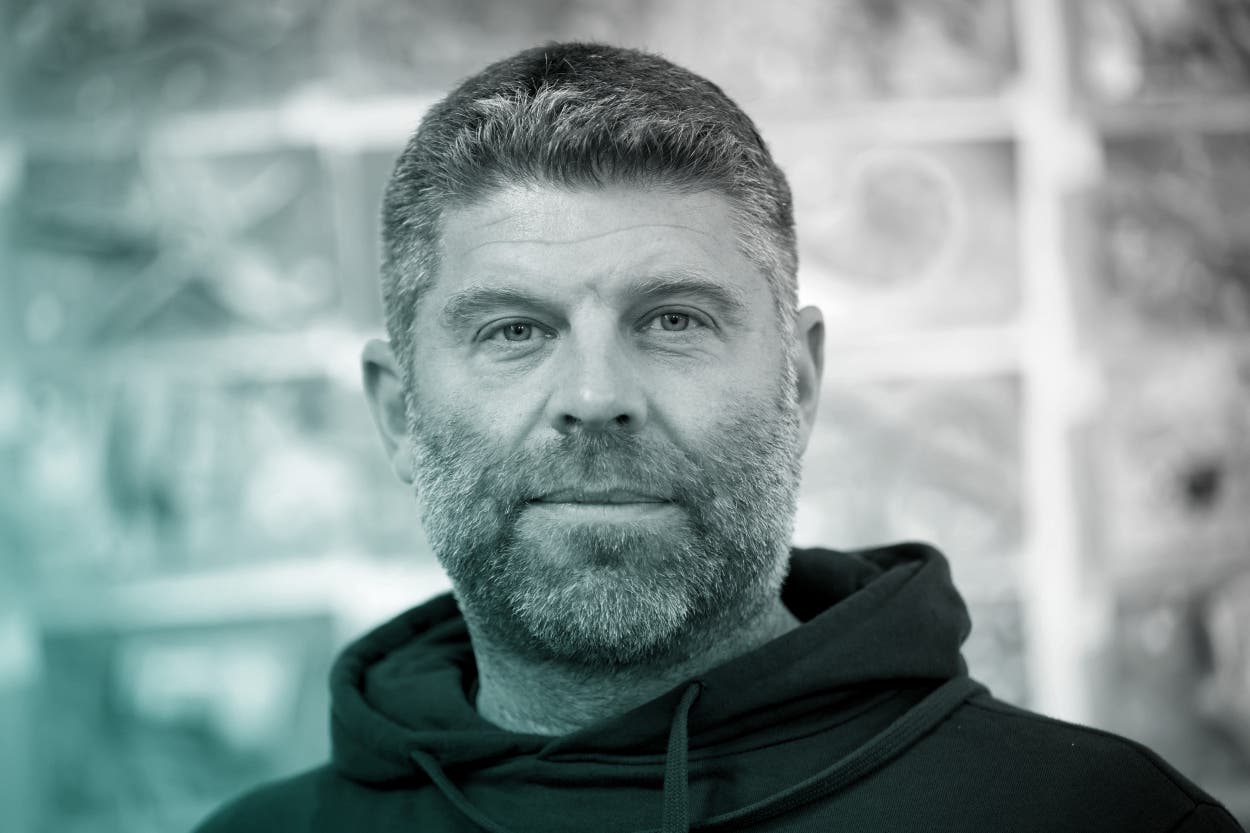 (Getty)
In February, the charity helped bring the human cost of water pollution to London’s South Bank, where Channel 4’s Dirty Business docudrama was launched alongside the “Fountain of Filth” sculpture, modelled on real people affected by sewage pollution. The three-part series, based on a decade-long investigation into England’s water companies, put the stories of victims and whistleblowers at the centre of the scandal.
Now, SAS, which began life in 1990, has become one of the most influential voices demanding reform of England and Wales’s water industry.
Climate 100: Giles Bristow on turning the tide on the UK’s toxic water pollution (THE INDEPENDENT)
It’s exposed thousands of hours of illegal sewage discharges into supposedly clean bathing waters, including at beaches officially rated “excellent”. Its investigation found 2,263 hours of discharges from unpermitted overflows in England during 2025, prompting Bristow to accuse water companies of putting public health at risk.
Bristow has also helped take the campaign from beaches to parliament. SAS mobilised hundreds of thousands of supporters through its Paddle Out protests and has been pushing for the government’s Water Reform Bill to deliver what it calls transformational change, rather than simply tinkering with the existing system
82. David Miliband
As president and chief executive of the International Rescue Committee (IRC), former UK foreign secretary David Miliband has put the human consequences of climate change at the heart of the organisation’s humanitarian work. The IRC operates in more than 40 countries, many of them affected by conflict, poverty and climate shocks, recognising that those least responsible for global warming are often the least equipped to adapt to it.
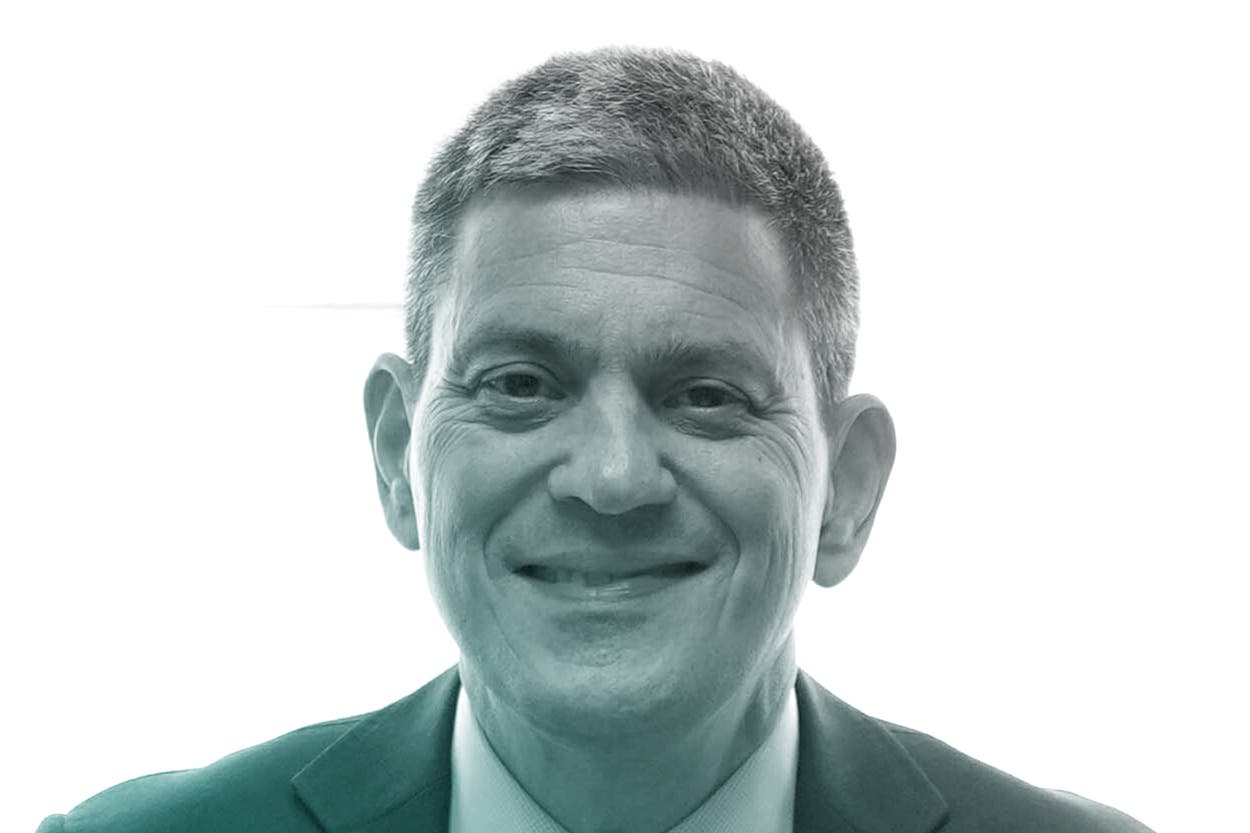 (PA)
(PA)
Under his leadership, the IRC is increasingly moving from responding to climate disasters to preparing communities for them. In 2026, it secured funding to expand its “anticipatory action” programme across Africa, using weather forecasts to identify likely droughts and floods and getting support to vulnerable households before a crisis strikes, such as in Somalia when the IRC used forecasts of poor rains to plan an emergency response in advance.
Miliband has also used his platform to campaign for more climate-adaptation finance to reach fragile and conflict-affected countries. The IRC argues that climate funding is too often directed towards more stable countries, leaving communities on the frontlines of climate change without the resources to prepare. Its 2025 Emergency Watchlist found that climate shocks displaced 45 million people in 2024 alone.
83. Bill Gates
Though best known for founding Microsoft and his philanthropy through the Bill and Melinda Gates Foundation, Bill Gates is pouring a significant amount of his time and wealth into tackling the climate crisis. He founded the investment firm Breakthrough Energy in 2015, which backs tech companies focused on climate solutions.
His approach to net zero is grounded in his tech background. In an interview with Fortune he said “planting trees will not solve the climate problem” and added that “doing climate policy by brute force will not work either”.
 (COP 28/Getty)
He believes the answer is to “invest in new technologies for carbon removal, clean energy, and electric vehicles and to implement policies like carbon taxes that could fund future green technologies”.
Over the past year, Gates has shifted his climate efforts from simply trying to lower harmful carbon emissions to focusing more on how to help poorer nations adapt to climate change and prepare for the dramatic changes to come. He argues that much still needs to be done to lower emissions, but that adaption and mitigation should now be the top priority.
In his 2021 book, How to Avoid a Climate Disaster, he outlined a comprehensive plan for reaching net zero emissions, emphasising the importance of global cooperation and innovation.
84. Mithika Mwenda
Mithika Mwenda is the co-founder and executive director of the Pan-African Climate Justice Alliance (PACJA), a collection of more than 70 non-governmental organisations that have come together to address problems around the climate crisis.
Mwenda has worked in the climate sector for more than a decade and has a strong influence over climate policy. He advocates for sustainable solutions that are specifically tailored to the needs of African countries rather than those of the Western world, while also ensuring Africa’s development.
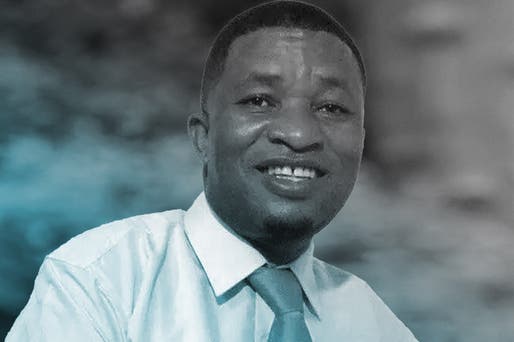 (PACJA)
Over the last year Mwenda has led the calls for the Pan-African Parliament to change the focus on mining critical minerals across the continent from one of extraction and sale to one of expanding industrialisation. In particular, he’s focused on solar energy, which he says Africa enjoys in abundance though it lacks the access to cheap capital to build out solar farms and electric grids.
In 2023, the PACJA criticised the decision to appoint oil executive Sultan al-Jaber to lead Cop 28, a move it called the “lowest moment” for the UN. In May last year, the PACJA hosted the UN Civil Society Conference in Kenya – the first time the event has been held there – as a precursor to the Summit of the Future at the UN in New York this month.
85. Boyan Slat
Dutch inventor and entrepreneur Boyan Slat founded non-profit The Ocean Cleanup in 2013 when he was just 18 years old, after he went scuba diving off the coast of Greece and noticed more plastic in the ocean than fish.
The project centres around a giant plastic tube with a thick nylon screen that can trap plastic as small as a millimetre in size but won’t ensnare any sea creatures.
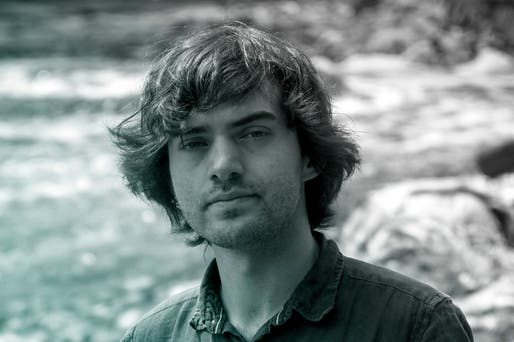 (AFP/Getty)
Slat, now aged 32, recently announced pivoting from taking rubbish out of the oceans, to working on preventing plastics entering them in the first place.
Last year, The Ocean Cleanup launched its 30 Cities programme, aiming to have its interceptor technology across 30 of the world’s most polluted cities, aiming to cut plastic entering oceans by a third. In Los Angeles, ahead of the Olympics in 2028, barriers have prevented more than 600 tonnes entering the Pacific, and in Mumbai its targeting five million kilograms of plastic that usually leaks into the Arabian sea annually.
The Ocean Cleanup announced it’s removed more than 25 million kilograms of rubbish from rivers, beaches and the ocean during 2025 alone, taking its total haul above 50 million kilograms – the equivalent weight of about 330 blue whales.
86. Mafalda Duarte
Mafalda Duarte is executive director of the Green Climate Fund, which claims to be the largest multilateral climate fund in the world. It has a portfolio of $18bn (£13.3bn) in approved funding for projects.
Born in Portugal, Duarte has spent her career working in more than 30 developing countries on climate projects. She also managed the Climate Investment Funds, a pool of more than $8bn being put to work in more than 70 developing countries.
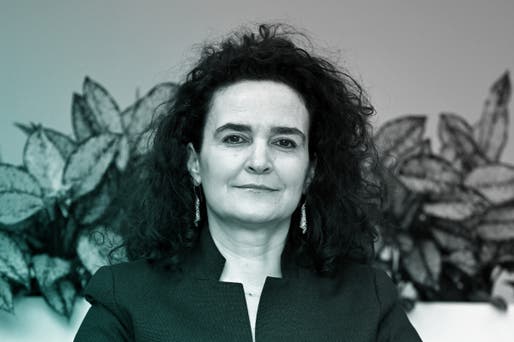 (AFP/Getty)
Before that, she worked at the African Development Bank and World Bank.
This year she has focused on rewiring the Green Climate Fund to make more money accessible to climate strategies and projects without waiting for additional donations at a time when the energy crisis has made funding tight.
A recent plan she developed by changing the financial risk and balance-sheet management practices of the fund is expected to yield an additional $4 billion.
Her goal is to manage the fund and encourage more donations so that by 2030, its total assets to invest in climate strategies is $50 billion.
87. Inger Andersen
Danish economist Inger Andersen leads the United Nations Environment Programme (Unep). Her recent achievements include leading global negotiations on plastic pollution, which have been moving ever closer towards an international, legally binding deal to tackle a burgeoning global problem, both for the environment and public health.
However, negotiations failed last year to finalise a treaty. Europe wants to reduce the creation of plastic, while oil states such as Russia want to increase recycling programmes instead.
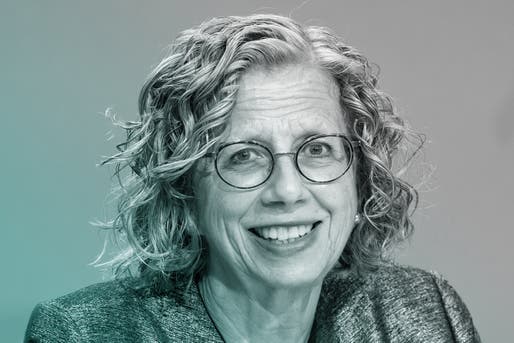 (UN)
(UN)
“To stop plastic pollution, we need to start at the start and end at the end,” she previously said at an event. “This means crafting an instrument that ensures we use fewer virgin materials and less problematic plastic. That we design for circularity. That we use, reuse and recycle resources more efficiently. This is the instrument we need to protect human and ecosystem health – while ensuring a just transition and space for the private sector to thrive in a new sustainable economy.”
Though there have been deadlocks, there’s still hope to review the treaty. For Andersen, success means tackling plastic across its entire life cycle rather than relying on recycling and waste management alone. To do this, she has called for greater private-sector investment in circular systems, arguing that money needs to flow towards redesigning products and reducing virgin plastic production, rather than simply dealing with waste once it has been created.
88. Juan Carlos Jintiach
Ecuadorian-born Juan Carlos Jintiach has dedicated his life to ensuring indigenous communities’ voices are heard on the frontlines of the climate movement. He is a member of the Shuar People of the Ecuadorian Amazon, and is calling for world leaders to listen to them, emphasising that the crisis stems from a broken relationship with nature and says indigenous people’s knowledge is integral to the solutions.
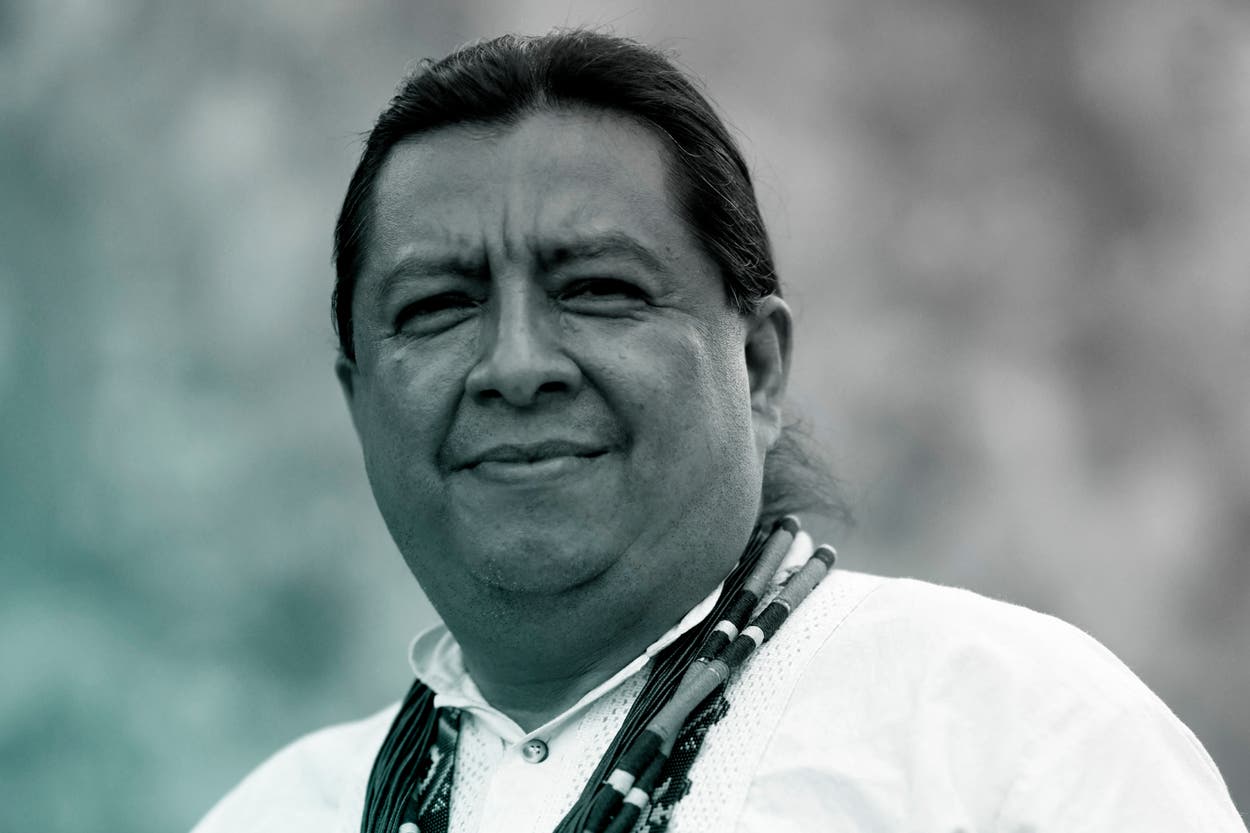 (AFP/Getty)
As executive secretary of the Global Alliance of Territorial Communities (GATC), he represents 35 million people managing vast swathes of forests across 24 countries in Asia, Africa and Latin America. He believes Indigenous communities are the best stewards of their territories, having lived in harmony with nature for generations. He argued this past summer that while climate policies from governments can sound beneficial, they need to be properly communicated to Indigenous communities so that they can be adapted within the communities’ natural environmental practices and expertise.
The GATC have established Shandia, which is a platform that is dedicated to supporting and directing Indigenous funds, and ensuring accurate tracking of them. He is also a technical adviser for the Coordinator of Indigenous Organisations of the Amazon Basin (COICA), a major Amazonian Indigenous federation. For his work, in 2023 he was shortlisted for the Nobel Peace Prize.
89. Dame Lisbet Rausing
As heiress to Sweden’s Tetra-Pak business, a science historian, co-founder of philanthropic foundations Arcadia and the Lund Trust, and a landowner in Scotland, Lisbet Rausing has many strings to her bow. Collectively, they all play a part in her environmental work.
Dame Lisbet owns the 57,000-acre Corrour Estate in the Scottish Highlands, and since 2015 has worked on environmental projects including deer management, planting native woodlands, restoring peat bogs and reintroducing red squirrels.
The Arcadia Fund has donated more than $919m (£683m) to environmental causes. She has received a damehood for her philanthropic work.
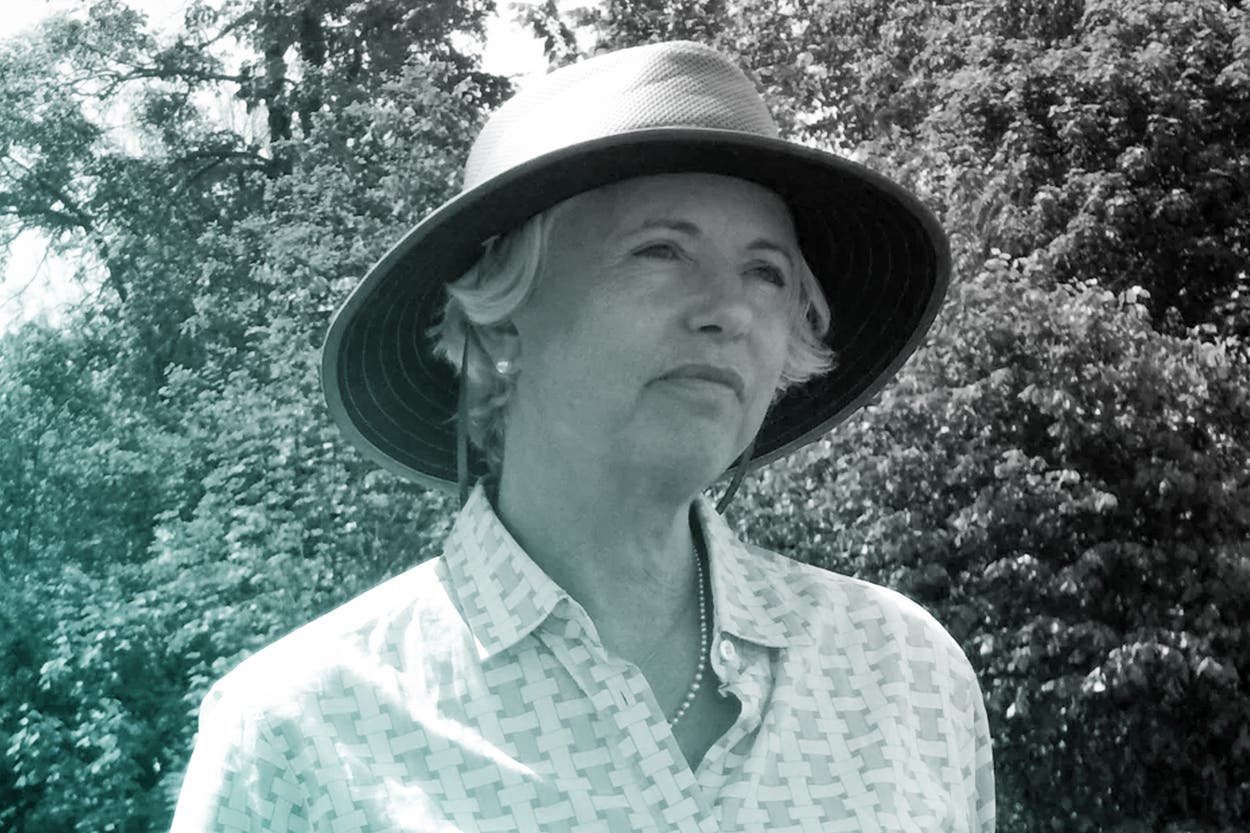 (National Trust)
In 2024, Corrour Estate joined Loch Abar Mòr, a nature preservation partnership that already included the National Trust for Scotland, Glenaladale Estate, The Woodland Trust, Glen Nevis Estate and the Nevis Landscape Partnership. Together, they will restore a large part of the Lochaber area in the Highlands to make it more ecologically diverse and so more resilient to the effects of the climate crisis over the next 50 years.
Already this year there’s tangible improvements, such as restoring bog pools to help with dry conditions which has increased Azure Hawker dragonfly larvae.
90. MacKenzie Scott
An author and philanthropist, MacKenzie Scott is still perhaps best-known for who she used to be married to – Amazon founder Jeff Bezos. But since 2019, she has emerged as a major force in environmental giving.
She has given $26bn (£19.3bn) via more than 400 grants in the past seven years, according to Fortune. In the last year, she’s given more than $1bn to climate justice programmes.
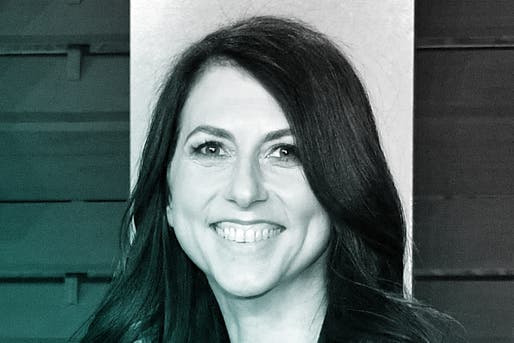 (Getty)
Scott has donated $15m to Global Fishing Watch, an independent nonprofit that creates and shares data on the ocean to increase the transparency of fisheries and help improve marine resilience. She has also donated $20m to Blue Ventures, which supports coastal communities and small-scale fishing operations.
Scott’s approach to funding is unique: her grants are “unrestricted”, which gives organisations more autonomy and helps empower grassroots groups living and working on the frontline of environmental issues.
91. Helen Clarkson
After tackling humanitarian crises while working for Médecins Sans Frontières (MSF) in countries including Sudan and Pakistan, Helen Clarkson moved her career focus to the planet’s wellbeing.
She is now the CEO of the Climate Group, a non-profit driving businesses towards net-zero emissions, which also runs the annual Climate Week event, held every September in New York.
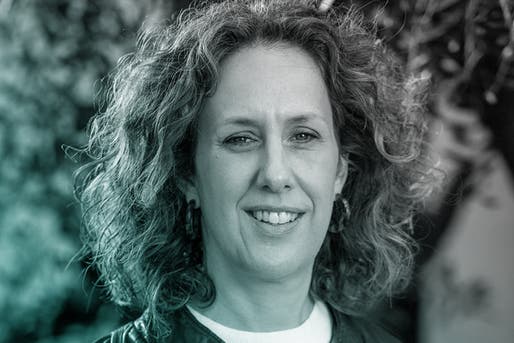 (The Climate Group)
Clarkson is responsible for taking Climate Week from its humble beginnings in 2009, as a panel discussion, to the globally important, myriad of events it is now. She advocates for systemic change, pushing for ambitious climate policies and fostering collaboration between businesses and governments.
The Climate Group launched the Opportunity Summit, held during London Climate Action Week in June, bringing together governments and business leaders to accelerate how Europe can transition away from fossil fuels – which Clarkson says leaves it vulnerable. She believes investment in clean technology and electrification could strengthen its economy.
Clarkson emphasised that energy affordability and climate action must be addressed together. In 2022, she was awarded an OBE for services to environmentalism and supporting the UK’s presidency of Cop 26.
Tech & Entrepreneurs92. Joseph Nguthiru
A university trip involving a boat becoming stuck for five hours on a river became the catalyst for Joseph Nguthiru’s climate work, and led him to create HyaPak. The Nairobi-based climate-tech engineer’s start-up works with local communities to harvest invasive water hyacinth that’s choking Lake Naivasha – creating what he calls “green jobs.”
It then turns the weed into biodegradable alternatives to single-use plastic like courier packaging and box linings. It also includes tree seedling bags, for which there is huge demand in Kenya because of the country’s ambitious tree-planting target of 15 billion by 2032.
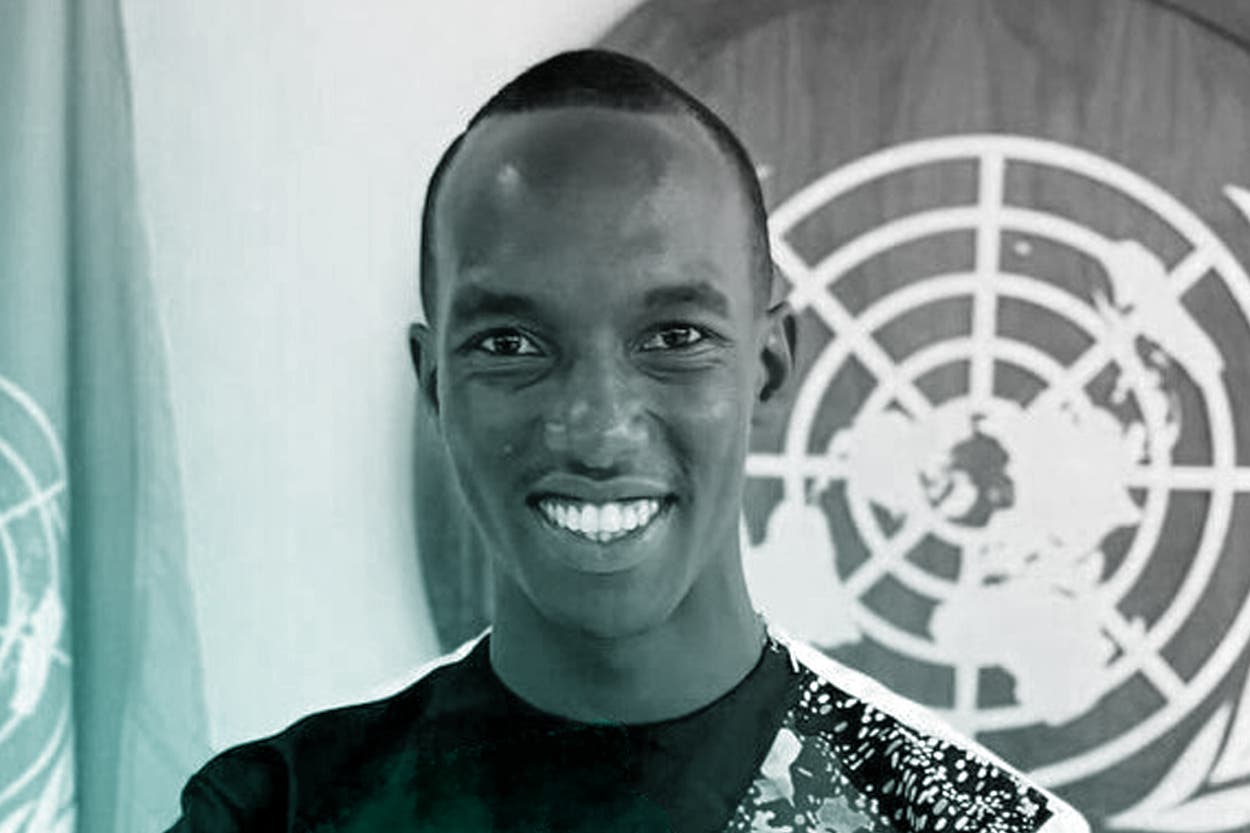 (UN)
(UN)
HyaPak now harvests water hyacinth from both Lake Naivasha and Lake Victoria, where HyaPak reports it’s cleared 20 acres of the weed and created 45 green jobs for local harvesting families. Though, the weeds grow back within days as they multiply so quickly.
In 2025, Nguthiru was named a United Nations Young Champion of the Earth for his work. He also co-founded M-Situ, which uses solar-powered artificial intelligence sensors to detect deforestation, wildfires and illegal charcoal burning. A pilot in Kenya’s Ngong Forest cut ranger response times from six hours to 15 minutes.
93. Joseph Scuderi
Gazing at the empty spaces between the railway tracks while waiting for a train six years ago, Joseph Scuderi had an idea.
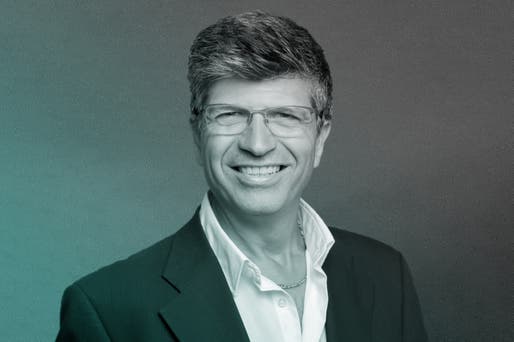 (Supplied)
What if someone laid solar panels between those tracks, making valuable use of the space while also creating new renewable energy?
Last year, Scuderi and his new company, Sun-Ways, laid the first 48 panels on 100 metres of a track in the small village of Buttes in Western Switzerland. The solar panels had to be specially designed with anti-reflection material that prevents glare from distracting the train drivers.
The company celebrated the one-year anniversary of the project this summer and Scuderi said more than 11,000 trains have passed over the panels. The company is funded by initial investors and a grant from Innosuisse, the Swiss Agency for Innovation Promotion.
94. Claude Letourneau
Claude Letourneau is a serial tech entrepreneur with at least two startups under his belt.
In 2017 he joined Canadian carbon capture and management company Svante Technologies as president and CEO.
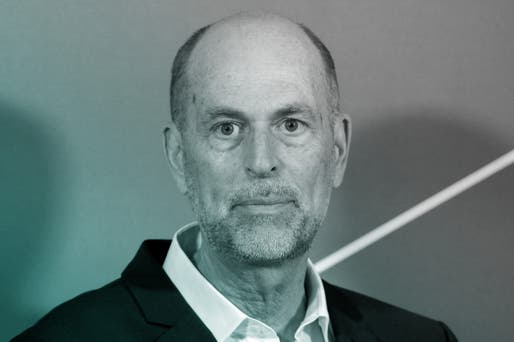 (Bloomberg/Getty)
The company captures harmful carbon and helps store and manage it for heavy industrial clients such as cement companies, paper manufacturers or steelmakers.
By managing the carbon output, Svante helps these companies reduce their pollution and increase productivity.
Svante has raised more than $500m (£370m) in the past five years from investors including industrial giants such as Chevron and GE Vernova. This year it won the Venture of the Year honour from the Canadian Cleantech Awards.
95. Klaus Moeller
Klaus Moeller has run offshore wind projects all over the world in his career, but taking on Vineyard Wind four years ago as CEO is easily among the most high profile and controversial of them.
As the face of US offshore wind at a time when the Trump administration is trying to kill all offshore wind projects, Moeller must negotiate a delicate path toward pushing the project forward without running afoul of federal authorities.
 (Vineyard Wind)
The company, which has raised more $3.5bn (£2.6bn) since it was launched more than a decade ago, is jointly controlled by Copenhagen Infrastructure Partners and Avingrid. This year it celebrated the completion of the Vineyard Wind 1 project, which laid out 62 turbines about 15 miles off the coast of Massachusetts near the island of Martha’s Vineyard.
96. Insiya Jafferjee
Making a material that would last forever has undoubtedly come back to bite us with plastic – decades have been spent looking for an alternative.
Insiya Jafferjee’s Shellworks company turns bacteria into Vivomer, a biodegradable material that behaves like plastic but is fully compostable and doesn’t create microplastics when it breaks down.
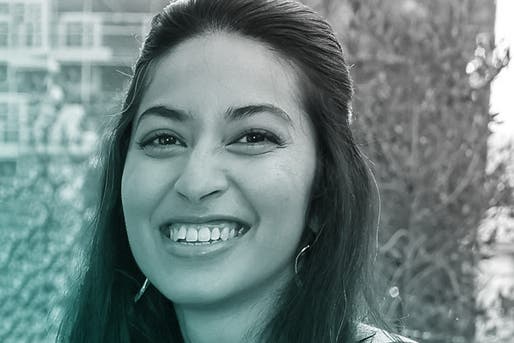 (Max Cisotti/Dave Benett/Getty Im)
Shellworks say that since its creation in 2019, Vivomer has replaced 40 tonnes of plastic and 1.2 million units of packaging. Jafferjee’s ambition is to fully replace all petroleum-based packaging.
Her achievements have been recognised by the Veuve Clicquot’s Bold Future Award, which celebrates female entrepreneurs of the future.
This spring, Shellworks raised $15m (£11.1m) in Series A funding from venture capital investors that Jafferjee said would be used to scale the technology to replace more plastic.
97. Aliou Diallo
In 2012, a discovery was made in Bourakébougou in Mali, west Africa. The businessman Aliou Diallo had funded tests of a water well in the village that had been plugged in the late 1980s after it caught fire. The tests revealed that the borehole was releasing 98 per cent natural hydrogen.
Bourakébougou subsequently became the first place in the world to get its electricity from a source of natural hydrogen, which was run through a retrofitted Ford engine. For the village, it was a gamechanger, giving people lights in their homes and public spaces for the first time. Children did better in school as they were able to study into the evening.
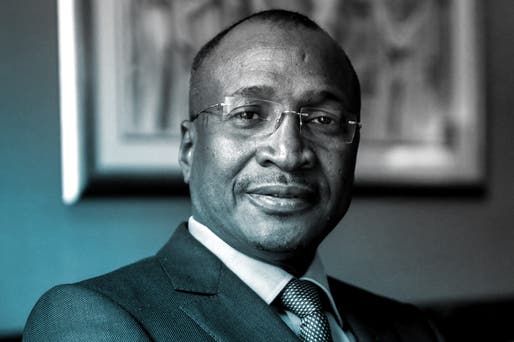 (Getty)
Diallo, his daughter and their team went on to dig more wells. Their company, Hydroma, has now drilled some 30 wells in Mali and given the country a valuable source of clean energy.
Because of political turmoil in Mali, progress has not been as quick as Diallo’s team hoped, but the company, which is based in Montreal, plans to export the natural hydrogen to neighbouring countries in Africa as soon as possible. One of its latest plans, part of its West African Big Green Deal framework, is to integrate its natural and green hydrogen into regional energy supplies and develop storage capabilities that will allow it to travel further.
98. Charlot Magayi
For many in poorer nations, the daily act of cooking can be dangerous. Not only in creating toxic fumes in small spaces, but also cooking over open fires that can be knocked over. That is what inspired the Kenyan entrepreneur and climate activist Charlot Magayi to create a better stove.
“Somebody does not have to lose their life while they’re cooking,” she said, which is what nearly happened to her daughter, who was two when she was badly burned by the family’s traditional stove.
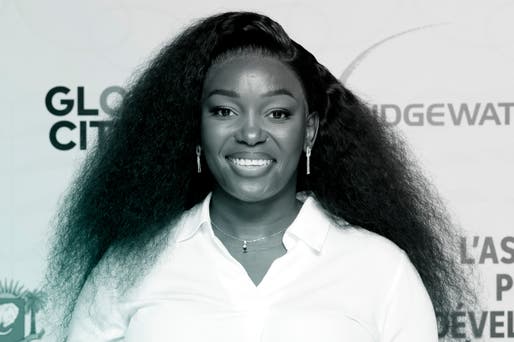 (Getty Images for Global Citizen)
This was the catalyst to setting up Mukuru Stoves in 2017. Magayi invented a cleaner stove that uses biomass to cook, reducing the pollution from charcoal fumes created by traditional stoves by as much as 90 per cent. The company has sold more than 700,000 stoves as of this summer, benefiting more than 3.5 million people. Magayi has received numerous awards, including the Earthshot Prize in 2022.
She is currently building a 30,000 square-foot clean energy campus in Kenya and working on other types of new fuels that can reduce pollution and fight disease. One new type of agricultural waste fuel comes with an infused mosquito repellant that helps prevents users from contacting malaria while cooking.
99. John Clarke Mills
John Clarke Mills is the founder of the Watch Duty app, which users can download to track wildfires in their communities across the US – as well as measure how fast and in which direction they are moving.
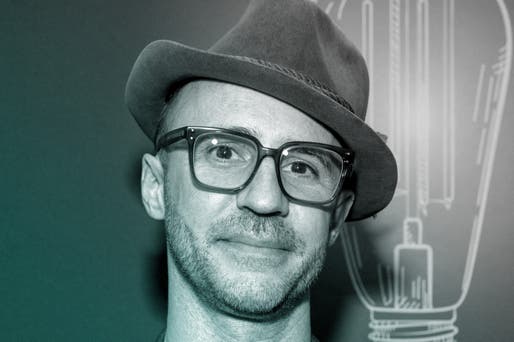 (Getty Images)
Mills started the non-profit after experiencing a wildfire first-hand near his home in Sonoma, Northern California. He found himself unable to find any information online or on broadcast news.
The app uses volunteers to track fire data, such as radio communications from firefighters, to send headlines and maps to users to help them monitor fires real-time. Watch Duty broke into the public consciousness last year after it helped thousands of residents In Los Angeles escape with their lives from the wildfires in the Palisades area. Since then, more than 23 million people have downloaded the app, including firefighters and first responders who have also come to depend on it.
In July, Watch Duty unveiled a parallel service on the app for flood disasters, which Mills said are somewhat easier to predict than wildfires – but no less important. He noted that he originally called the app Watch Duty because he wanted it to cover multiple types of environmental disasters.
100. Miranda Wang
The idea of a “circular economy” where plastic waste is recycled into materials that can be used again, has long been at the centre of climate discussions. Miranda Wang decided to do something about it while she was still at high school in Vancouver.
 (Novoloop)
The result is Novoloop, a Silicon Valley technology company that transforms plastic waste into a variety of products including footwear, sporting goods and automotive products.
Wang and her co-founder, Jeanny Yao, started the company in 2015 after working on it at the University of Pennsylvania. The company has raised more than $61.5m (£45.5m) in eight rounds of venture funding and has started steps to move into commercial relationships.
Towards the end of last year, it announced a strategic partnership with Shanghai Huide Science & Technology to help scale production of Lifecycled thermoplastic polyurethane (TPU).

Climate100 is sponsored in partnership with Octopus Energy