
Your support helps us to tell the story
From reproductive rights to climate change to Big Tech, The Independent is on the ground when the story is developing. Whether it’s investigating the financials of Elon Musk’s pro-Trump PAC or producing our latest documentary, ‘The A Word’, which shines a light on the American women fighting for reproductive rights, we know how important it is to parse out the facts from the messaging.
At such a critical moment in US history, we need reporters on the ground. Your donation allows us to keep sending journalists to speak to both sides of the story.
The Independent is trusted by Americans across the entire political spectrum. And unlike many other quality news outlets, we choose not to lock Americans out of our reporting and analysis with paywalls. We believe quality journalism should be available to everyone, paid for by those who can afford it.
Your support makes all the difference.Read more
Health officials have advised that people seeking cosmetic procedures ought to be screened for body dysmorphic disorder (BDD).
If a patient is likely to have BDD then healthcare workers should not carry out a procedure and refer the patient to a specialist, according to new draft guidance aimed to improve identification of BDD and obsessive compulsive disorder (OCD).
The National Institute for Health and Care Excellence (Nice) guidance further recommends that medical staff consider evaluating patients presenting with anxiety and depression for both OCD and BDD.
Those with autism or ADHD may also need to be assessed.
OCD is a mental health condition where a person has obsessive thoughts and compulsive behaviours.
And BDD, also known as body dysmorphia, is a mental health condition where a person spends a lot of time worrying about flaws in their appearance.
Nice said that healthcare professionals “do not routinely ask about or explore whether people have intrusive thoughts, images, urges, impulses, doubts, or worries about appearance” as it called for more to be done to help identify cases.
People with these symptoms may not disclose them unless specifically asked, Nice said.
Its new draft guideline calls on healthcare workers to consider assessing for the condition among those who are at higher risk.
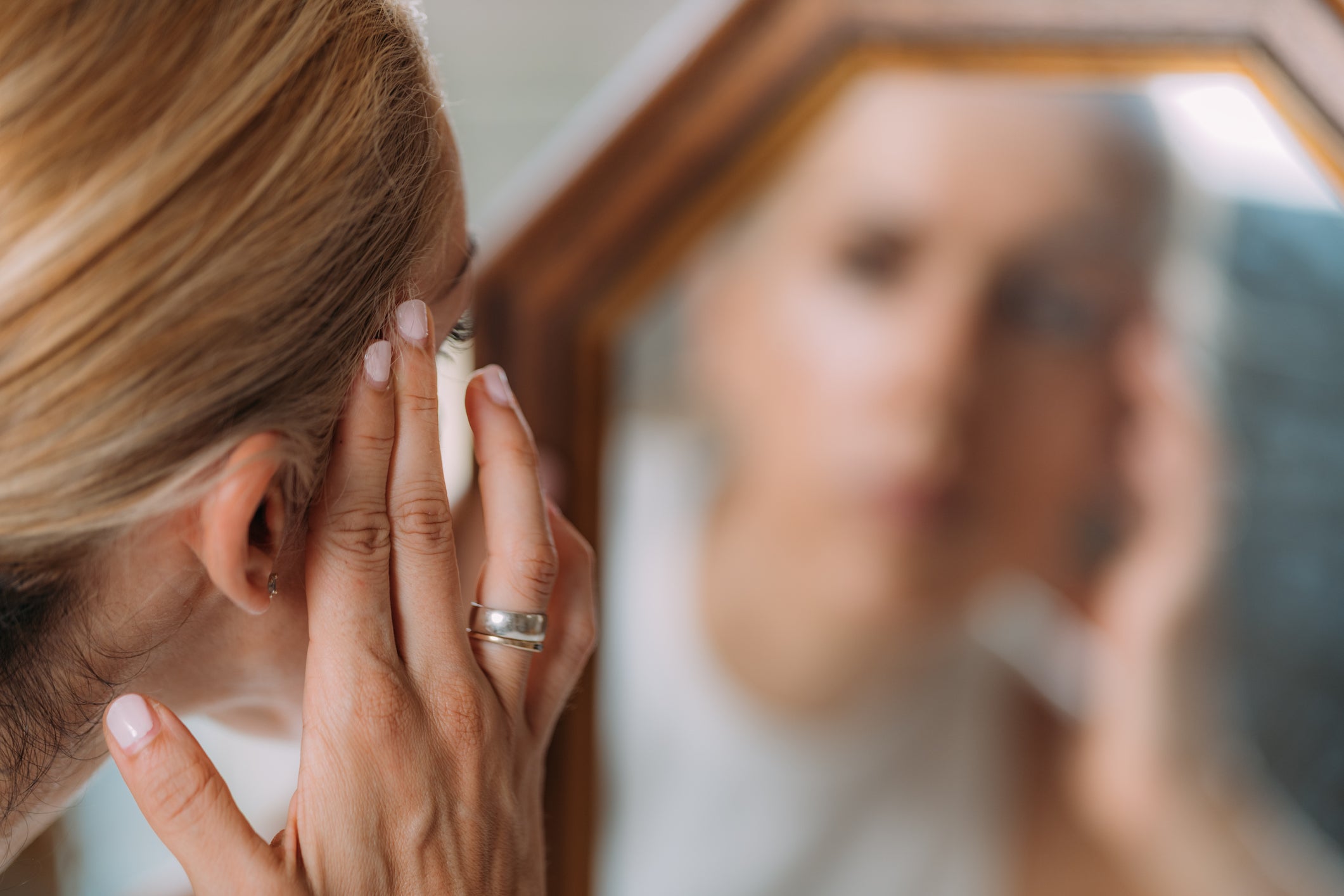 And BDD, also known as body dysmorphia, is a mental health condition where a person spends a lot of time worrying about flaws in their appearance (Getty Images)
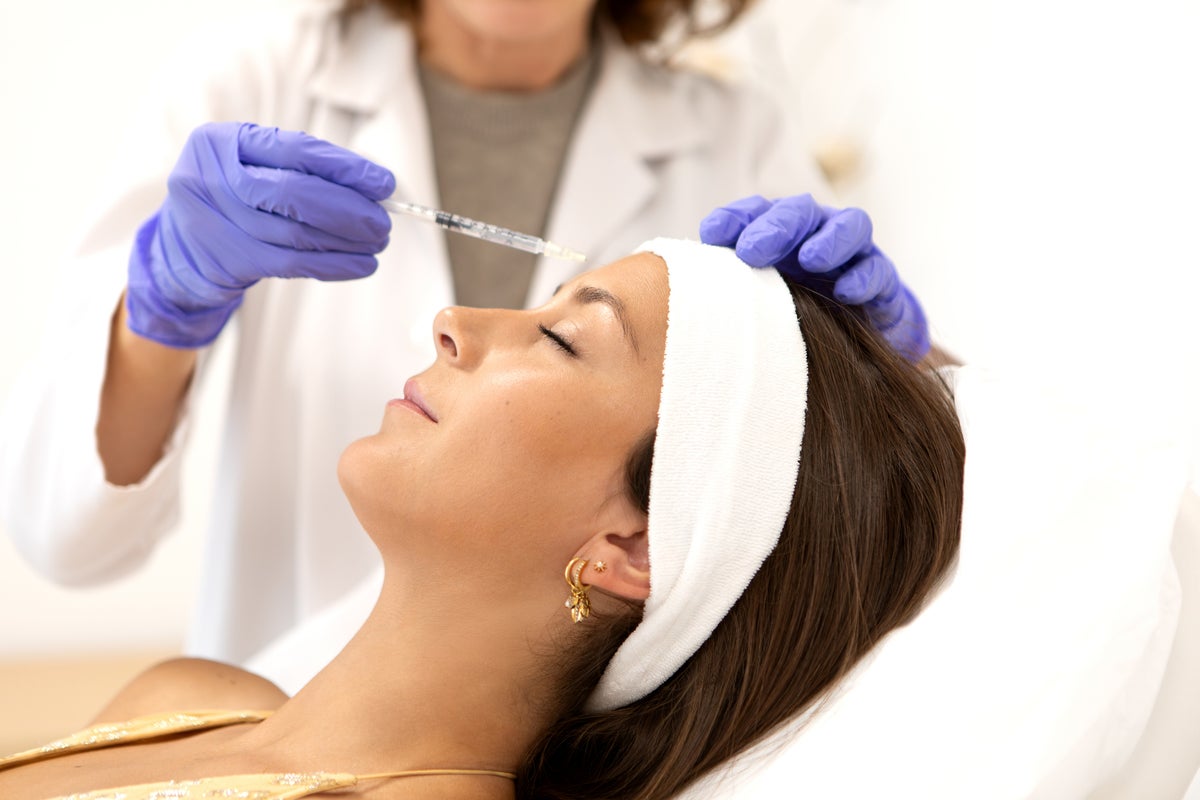
Nice said health workers who provide cosmetic procedures should ask patients structured questions about appearance-related concerns before carrying out a cosmetic procedure.
If the responses indicate a person may have BDD they should be referred for specialist assessment before proceeding with the procedure.
“If BDD is suspected, they should not perform the procedure because it may reinforce or worsen BDD-related distress and behaviours,” the guidance states.
Nice said that there is an “under-recognition” of OCD and BDD.
It called on healthcare workers to normalise people’s experiences “as much as possible” highlighting how many people can experience “stigma shame and fear of judgment”.
It if hoped that the new guideline will help people be identified sooner before their symptoms become more severe.
OCD is estimated to affect about 1.2% of people while BDD affects about 2% of the population.
Eric Power, interim director of the Centre for Guidelines at Nice, said: “People with obsessive compulsive disorder and body dysmorphic disorder can experience symptoms for a long time before they receive the right diagnosis and support.
“These conditions are often misunderstood, and many people find them difficult to talk about because of embarrassment, shame or fear of being judged.
“Our draft recommendations aim to help healthcare professionals recognise symptoms earlier, ask the right questions and support people to access appropriate treatment sooner.
“Earlier identification can help ensure people receive care that reflects their needs, preferences and circumstances, rather than waiting until symptoms become more severe or reach crisis point.”