
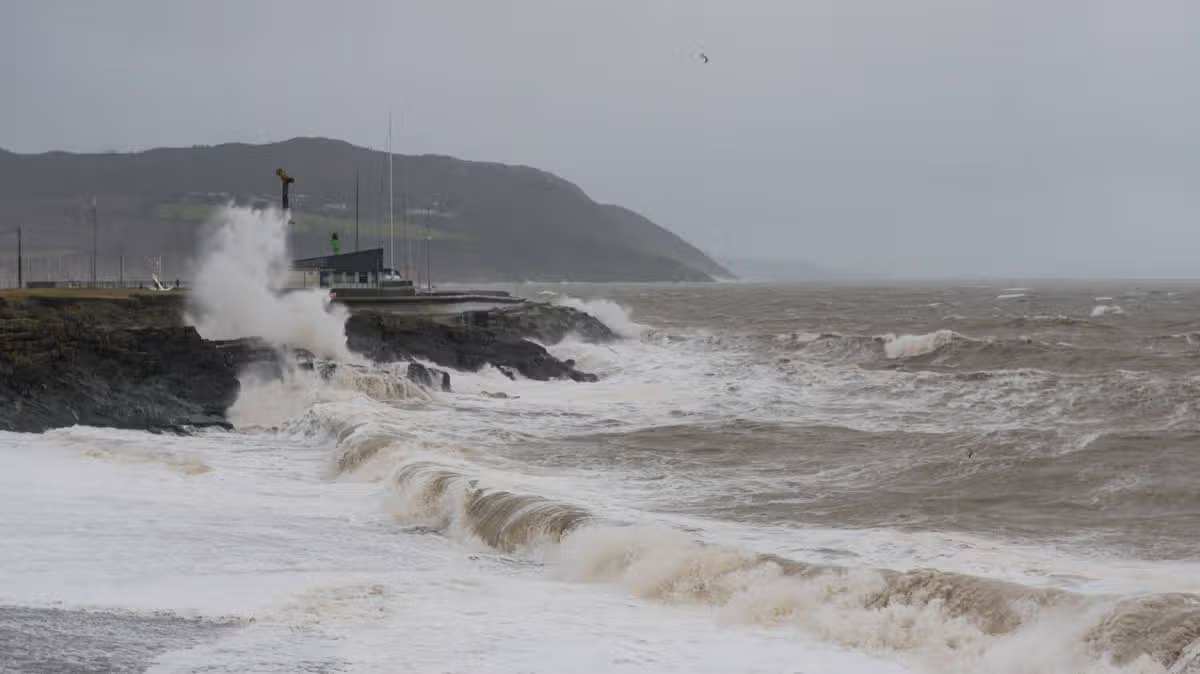
Carlow Weather’s Alan O’Reilly says models disagree over whether a storm could hit Ireland early next week. Separately, Met Éireann forecasts unsettled, wet and blustery weather.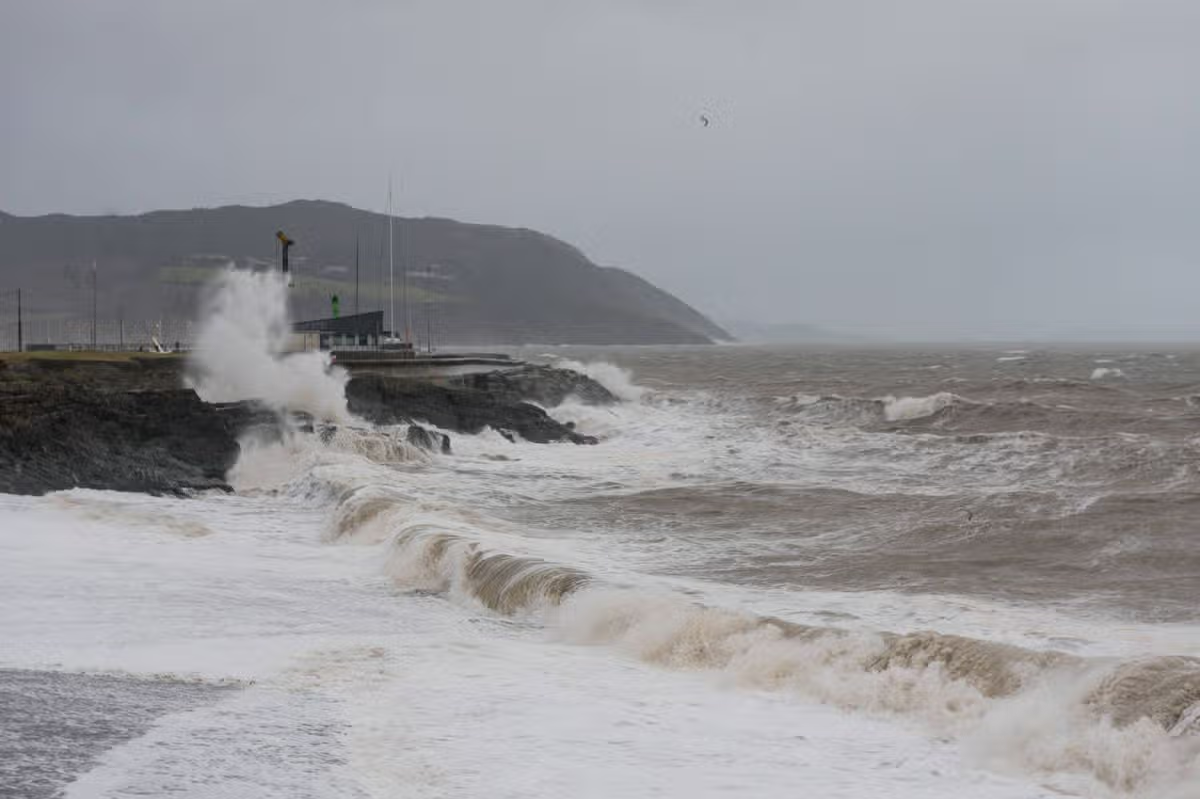
(Image: Shay Murphy Photography via Getty Images)
There’s a possibility that a storm could hit Ireland at the beginning of next week, meteorological specialists have warned.
Alan O’Reilly from Carlow Weather stated that certain forecasting systems indicate a storm heading towards the country while others suggest it will reach its peak intensity before arriving at our coastline. He noted it remains “very uncertain” at this stage regarding how it will truly evolve.
Posting on social media, he stated: “Still a lot of uncertainty around risk of storm early next week. Again the ECMWF model brings it into Ireland and strong enough into Southwest but GFS model has it peaking well South of Ireland.
“I’m sure you will see worst case scenario charts shared so bear in mind still very uncertain”, reports the Irish Mirror.
Meanwhile, Met Éireann stated: “Low pressure will remain dominant next week. It will remain unsettled with wet and blustery conditions at times. Daytime temperatures will generally be in the mid-teens.”
In September, Met Éireann unveiled the complete catalogue of designations for the 2026/27 storm season in collaboration with the National Meteorological Services of the UK (Met Office) and the Netherlands (KNMI).
Each nation contributed seven designations for a combined total of 21 names, with Ireland taking particular care to recognise legendary figures in meteorological heritage for this year’s selection.
Met Éireann contributed the following designations: Austen, Evelyn, Kilian and Miriam as the historically significant names and Heather, Laoise and Phelim as the winners of a list of nominations proposed through a public campaign run last year. Eoin Sherlock, Head of Forecasting Division at Met Éireann said: “2026 marks the 90th anniversary of the establishment of the Irish Meteorological Service.”
He added: “We are proud to be able to recognise some of the significant contributors to our history in the list of storm names this year, such as the first director of the Service in 1936, Austen Nagle, and the first woman to hold an operational role as a meteorological officer, Miriam Lyons.”
‘Kilian’ pays tribute to P. Kilian Rohan, who served as director of the Irish Meteorological Service between 1978 and 1981 and wrote The Climate of Ireland (1976).
‘Evelyn’ meanwhile, honours Evelyn Murphy, who became the first female meteorologist at Met Éireann and made history as the first woman forecaster on RTÉ television in 1983, alongside Evelyn Cusack, who was the first female head of forecasting at Met Éireann and a long-serving presenter on RTÉ television.
Typically, a storm receives a name when it could potentially cause “medium” or “high” impact across one of the three nations. This approach enables clear and unified messaging to the public, helping them get ready for and remain safe during potentially severe weather conditions.
Sherlock added: “Naming storms helps Met Éireann in our mission to protect life and property through the provision of world-class weather, climate, and flood services.
“Using consistent names and communications allows us and other public safety organisations to increase awareness of severe and impactful weather alongside our weather warnings.
“We know that naming storms makes it easier for people to track important and up to date forecast and safety-related information as we can see from the levels of traffic and activity through our website and across social media platforms during storm events.”
Last December, Storm Bram left tens of thousands of households and businesses without electricity as fierce winds and torrential rain swept across the country, with up to 25,000 properties affected.
Earlier this year, local authorities disclosed that the bill for repairing local and regional roads left damaged in the wake of Storm Chandra came to nearly €59 million.
Storm Chandra unleashed powerful winds and heavy downpours across the country, triggering widespread flooding at the end of January.
Want to see more of the stories you love from Dublin Live? Making us your preferred source on Google means you’ll get more of our exclusives, top stories and must-read content straight away. To add Dublin Live as a preferred source, simply click here.
Join our Dublin Live breaking news service on WhatsApp. Click this link to receive your daily dose of Dublin Live content.
We also treat our community members to special offers, promotions, and adverts from us and our partners. If you don’t like our community, you can check out any time you like. If you’re curious, you can read our Privacy Notice.