
Sept. 23, 2026 7 AM PT
To the editor: Coral cover on the Great Barrier Reef has increased, but that does not mean scientists have been “crying wolf” about its health (“The Great Barrier Reef refuses to die on schedule,” Sept. 6).
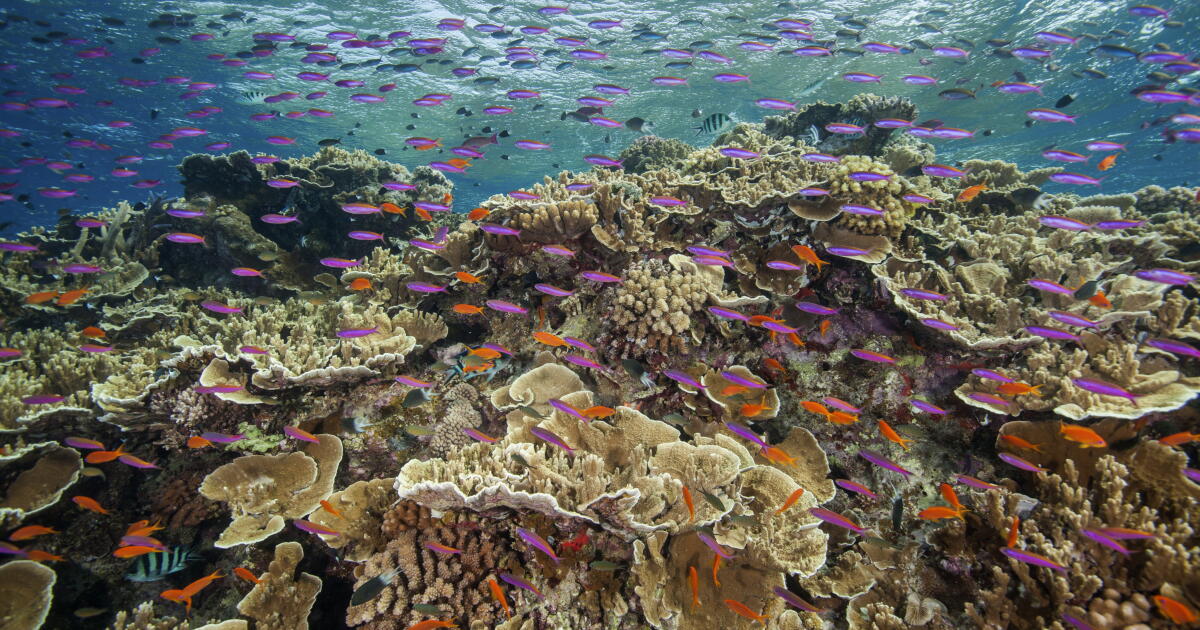
A recently burned forest where young trees have regrown is not equivalent to one filled with mature redwoods. The same is true for reefs — weedy coral can quickly regrow following a disturbance, but slower-growing, massive species cannot. The change in coral cover looks like recovery even as the reef loses diversity, with consequences for fisheries and coastal protection.
Reef scientists make predictions based on the data available. I work on Caribbean reefs where we saw similar fluctuations in the abundance of faster-growing, branching coral through the 1980s until it flatlined. Weedier coral took over for a time, but even those species are now in decline. Coral quantity should not be mistaken for reef quality.
Carly Kenkel, Los Angeles
This writer is an associate professor of marine and environmental biology at the USC Dornsife College of Letters, Arts & Sciences.