
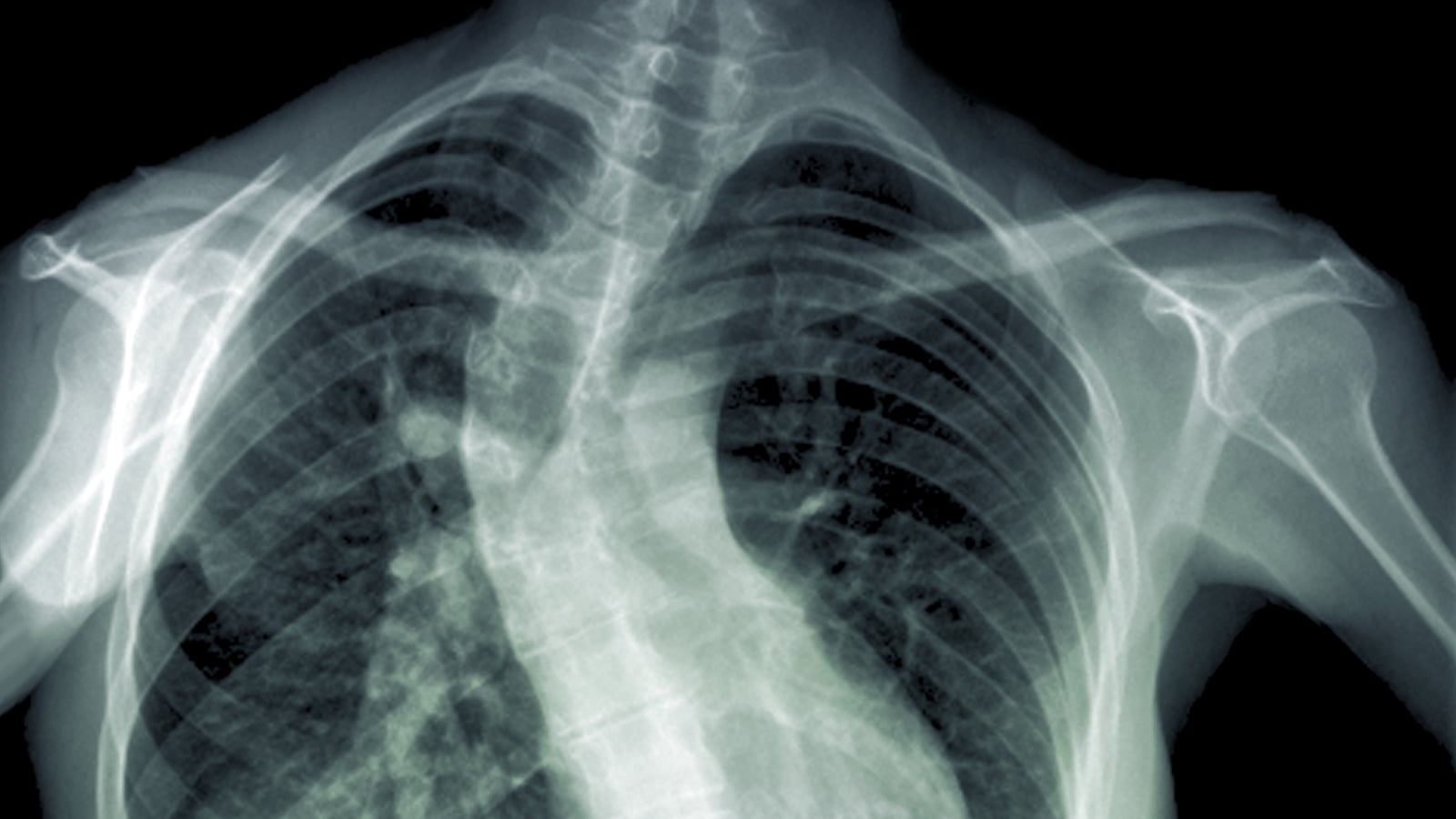
Next year should see the start of an inquiry into spina bifida and complex scoliosis care of children in Children’s Health Ireland.
It will not be a public statutory Tribunal of Inquiry, which many had wanted, but rather a private Commission of Investigation, but it will have statutory powers.
There is still the possibility that the commission might hold some proceedings in public.
This investigation will also come in a year which should finally see a new era in children’s healthcare, with the opening of the new National Children’s Hospital, following so many delays and soaring costs.
There are pros and cons for Tribunals of Inquiry and Commissions of Investigation. Commissions are generally faster, and tribunals are longer and more costly.
For the parents and children affected, they want answers to so many questions, and no-one can promise at this point that their questions will be fully answered.
Scoping exercise
In November 2025, the Government agreed to hold a statutory inquiry into spina bifida and complex scoliosis services.
Senior Counsel Remy Farrell was appointed in early March to conduct a scoping exercise on what areas should be covered.
This week, the Government accepted his final report on what type of inquiry should happen into Children’s Health Ireland.
His 136-page report was a deep reflection on the issues that have caused anxiety and anger to so many families.
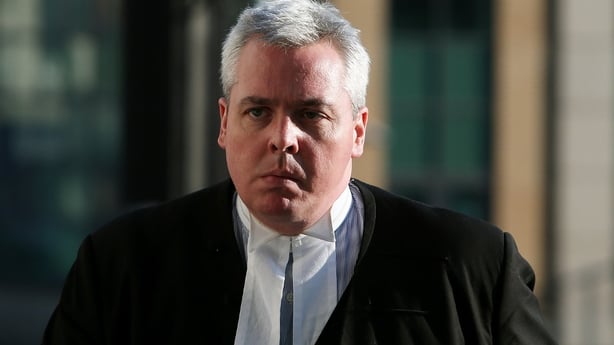
Remy Farrell said the commission should examine the years from January 2019 to December 2025
The main recommendation from Mr Farrell is for a Commission of Investigation, rather than a public tribunal. The rationale for this is that it would protect the privacy of children.
Mr Farrell has said it should examine four areas: waiting lists, spinal surgery, hip dysplasia and a group of children who were not transferred from Our Lady’s Hospital Crumlin to Temple Street after 2008.
It is also recommended that the Commission looks at the years from January 2019 to December 2025.
CHI was established in law in 2018 and the three Dublin paediatric hospitals transferred to it on 1 January 2019, so that is a reason for the recommended Commission starting point of January 2019.
The scoping exercise conducted by Mr Farrell was not tasked with resolving any factual disputes, or controversies involving CHI – that is for the Commission of Investigation.
Mr Farrell was tasked with recommending clear, workable Terms of Reference for a statutory inquiry, if the Government was minded to establish one.
We have yet to hear who will head the planned Commission, but usually it is a retired senior judge, or person of similar standing.
Previous investigations
There have been other reports into CHI, among them a Health Information & Quality Authority report in April 2025 into the use of non-EU approved spinal springs in operations.
The Nayagam review was commissioned by the HSE in September 2023 and published a first report earlier this year, which resulted in a clinical review of children.
Also, a second independent report from UK orthopaedic consultant, Mr Selvadurai Nayagam, into matters relating to spinal care by a consultant at Temple Street, who has been on leave, remains ongoing.
This is a wider lookback at the consultant’s practice, looking at surgeries between 2016-2023, including spinal, limb reconstruction, and hip dislocation procedures.

HIQA also conducted a report into CHI relating to the use of non-EU approved spinal springs in operations
With the proposed Commission of Investigation, the aim is not to duplicate or stray into areas already covered, or to be covered by other independent reviews.
Minister for Health, Jennifer Carroll MacNeill has said the Commission route is the better way to proceed. She said there would be provision for patients’ stories to be heard in public, if they wished.
Campaign groups
Mr Farrell has listed 8 patient groups affected by the issues at CHI.
The Spina Bifida & Hydrocephalus Paediatric Advocacy Group has said its members are not willing to allow the treatment of their children to be dealt with behind closed doors.
They also say the timeline to be examined is too narrow.
The Scoliosis Advocacy Network said the inquiry cannot be an administrative examination of waiting lists, processes and dates and that the scoliosis crisis did not begin in 2019.
It wants a public Tribunal of Inquiry for openness, transparency, and accountability.
The Hip Dysplasia Advocacy Group has also echoed these calls for a broader, public probe.
Labour Party Spokesperson on Health Marie Sherlock expressed serious concerns that a Commission of Investigation could take years to get off the ground.
She said this was a once in a generation opportunity to uncover systemic culture and governance issues relating to the care of children.
Deputy Sherlock added that there was no convincing evidence to exclude children of CHI hospitals who were patients prior to 2019.
Sinn Féin Spokesperson on Health David Cullinane warned that the proposed inquiry may not be broad enough to answer families’ questions.
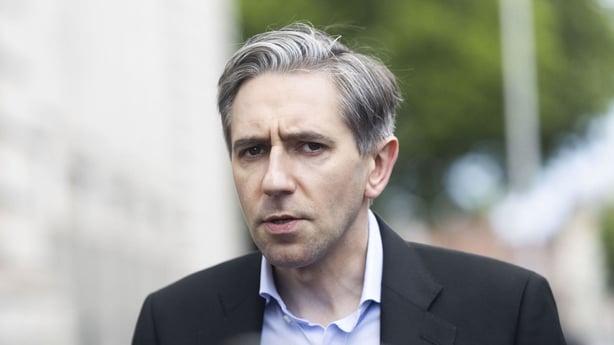
Tánaiste Simon Harris said the scoping exercise decided the timeline for the Commission of Investigation
Social Democrats Spokesperson on Health Pádraig Rice said the Commission of Investigation must not “airbrush” out promises made by Simon Harris in 2017 when he was Minister for Health. This is the commitment he made that no child would wait longer than four months for pediatric scoliosis surgery by the end of 2017.
Mr Harris has insisted the timeline of the Commission of Investigation was decided by the entirely independent scoping exercise.
The issue of waiting lists is not simply about waiting times and deferred treatment, but also the fears this raised about how a child’s condition could be seriously affected by delays and cause a significant deterioration, especially in cases of scoliosis.
Terms of reference
The Government will now work with the Attorney General on developing the terms of reference for the inquiry, which will have to go before Cabinet at a later stage.
Some medical experts have expressed to me a concern that the breadth of issues before this inquiry, and also the big problems delaying the new hospital, which will be a merger of three facilities and staff, may go on for some time, and could deter some young doctors choosing children’s surgery, which is a complex field.
Until these are seen and campaign groups have an opportunity for input, it is difficult to know whether the planned inquiry will get all the answers families want and the public deserves.