
More disruption to come across the public sector
11:04, 09 Oct 2026Updated 11:10, 09 Oct 2026
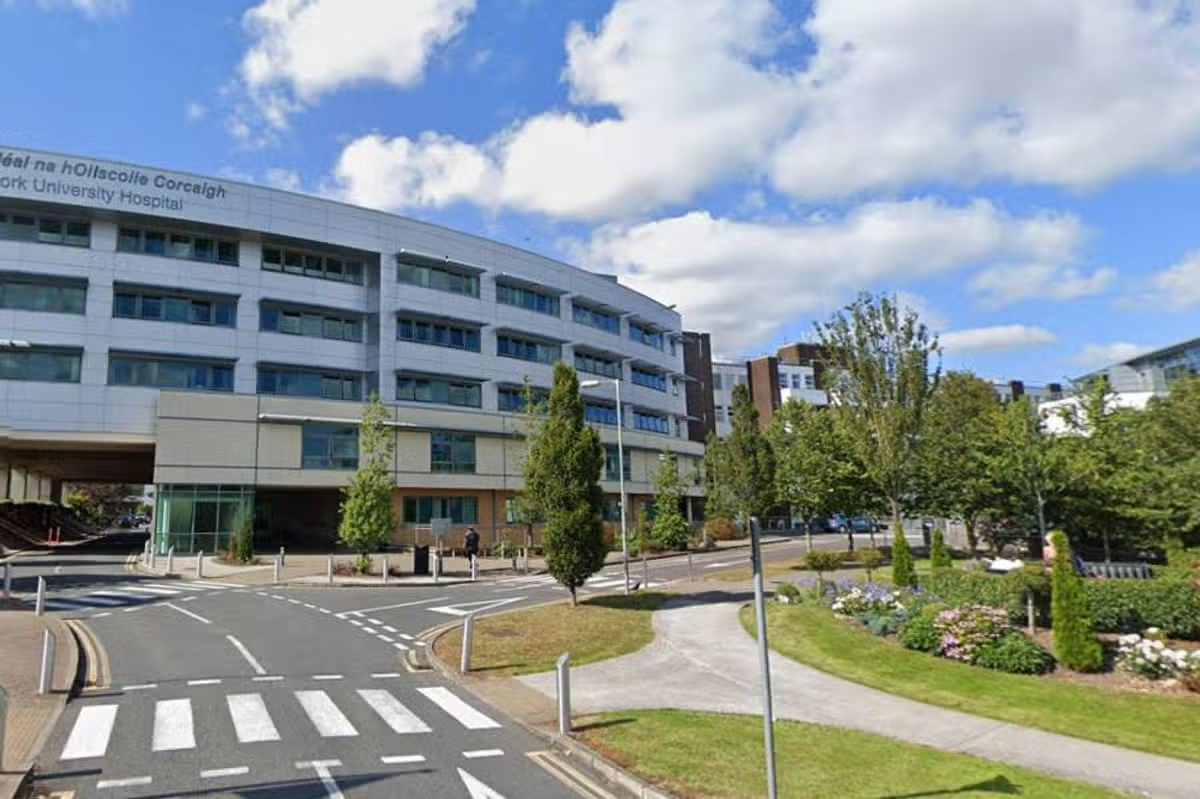
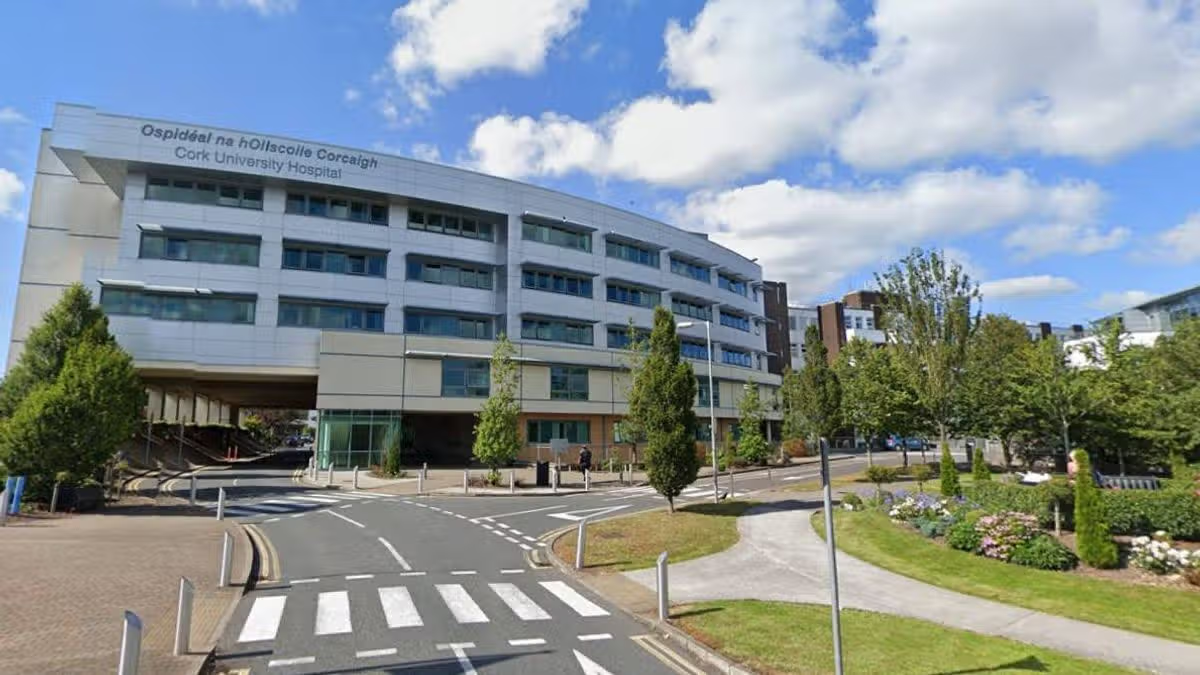
Cork University Hospital
The HSE has warned that all non-urgent healthcare appointments scheduled across Cork on Wednesday will need to be cancelled as public-sector unions threaten strike action next week. Over the last number of weeks, union members have implemented work-to-rule policies to put pressure on the Government as both sides remain at an impasse on a new public sector pay deal.
Now the unions have declared a full-on strike for Wednesday, October 14, which will see nurses, teachers, civil servants and other public sector employees suspend work and take to the streets in a united call for new pay terms. Should both sides be unable to reach a deal, we can expect industrial action to continue escalating across the public sector in the coming weeks, causing widespread disruption.
Many schools are expected to close next Wednesday, and in the healthcare sector, the staff shortage caused by the strike has forced the HSE to cancel all non-urgent appointments on the day of the strike. These include routine hospital procedures, outpatient appointments and a range of community-based services. HSE has also warned that administrative services will also be impacted by the work stoppage.
The health service is now contacting all affected patients about these cancellations, and appointments will be rescheduled as soon as possible.
A spokesperson for the HSE South-West told CorkBeo: “It is expected that there will be significant and widespread disruption to many HSE services on Wednesday, 14 October, due to public sector work stoppages.
“The HSE is currently planning for the cancellation of all non-urgent healthcare services across hospitals and community settings on Wednesday, 14 October. This includes routine hospital procedures, outpatient appointments, community-based services, such as day services, clinics in primary care services and other scheduled care services. HSE administrative services will also be impacted by this work stoppage on 14 October.
“Healthcare teams have now begun to contact affected patients directly. All appointments will be rescheduled as soon as possible.”
The HSE emphasised that critical services such as emergency departments, ambulances and other time-sensitive services like cancer treatment and dialysis will not be affected by the strikes. Those in need of urgent care should not delay seeking care and should dial 999 or 112 or attend their nearest emergency department as normal. GPs, out-of-hours GP practices and pharmacists remain available in the community.
The spokesperson continued: “Engagement on contingency arrangements is ongoing with health sector unions to develop a more complete understanding of what can continue to be delivered next Wednesday. Further updates will be provided as soon as more information becomes available.
“The HSE regrets the inconvenience caused to patients and their families and is grateful for people’s patience and understanding during this time.”
Public sector unions are also planning to take strike action the following Wednesday should terms not be agreed and this morning SIPTU confirmed its members would be joining in on the second day of strikes.
SIPTU Deputy General Secretary, Adrian Kane, said: “Our strike committees across our membership in the public sector in hospitals, local authorities, educational facilities, fire services, state agencies and many other core services have decided to join a second day of strike action on 21st October.
“The last public service pay agreement expired in June. The Government should have begun negotiations well before it ended. Instead, its failure to act has left public service workers falling further behind as rising prices erode the value of their pay.
“Unions want to enter negotiations. However, we need a guarantee that the value of members’ wages that has already been lost in 2026 will be restored. The Government must also be serious about a pay offer which will adequately address the cost of living pressures for the years covered by any possible agreement. Public service workers deliver the services on which the whole country depends. They deserve fair pay and the people who rely on those services deserve proper investment.
Nearly 70,000 SIPTU members across the public service are now set to strike on 14th and 21st October and they will be joined by a further 150,000 members of the Irish National Teachers Organisation and Fórsa.
“Suppressing public sector wages will give private employers the green light for holding down pay. Our public sector members’ stand strengthens the position of every worker struggling to pay their rent, meet their energy bills and support their family,” he concluded.