
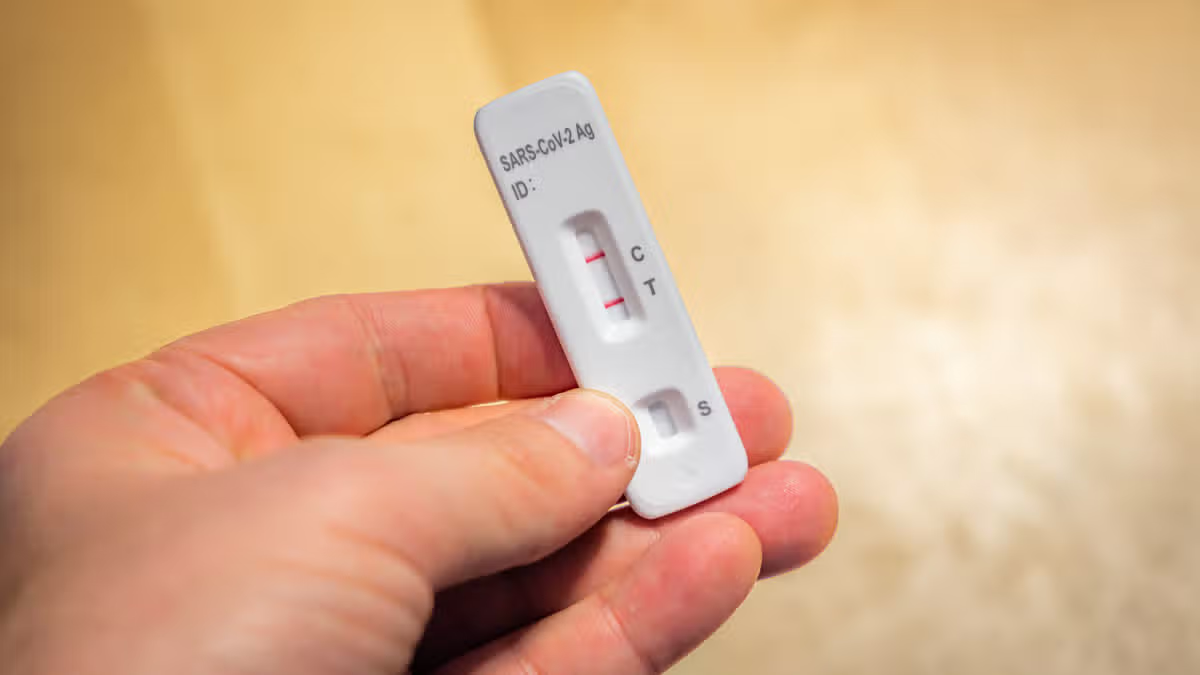
XFG Covid – known as ‘American Covid’ – is the latest strain of the virus to dominate in Ireland, and a pharmacist has shared 12 key COVID-19 symptoms to look out for
09:45, 11 Oct 2026Updated 09:50, 11 Oct 2026
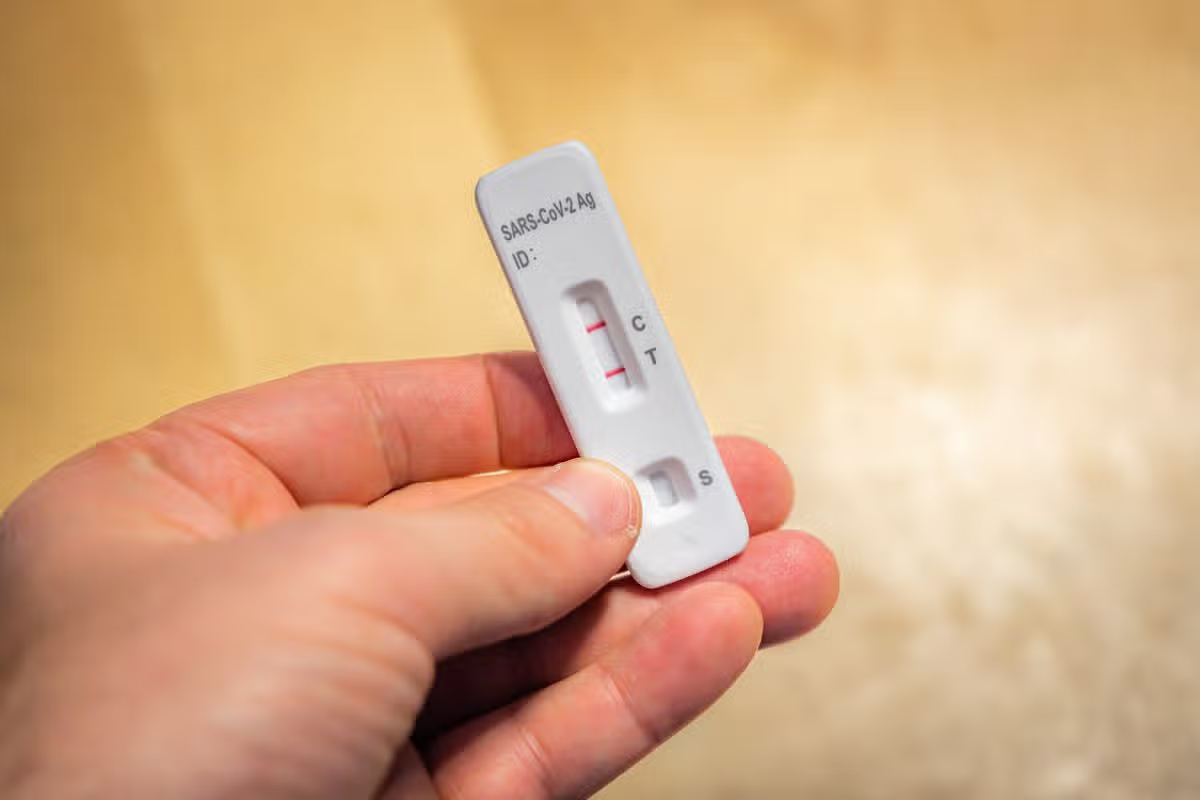
The new Covid strain has been known since last year but has now become dominant in several countries, and medical experts say it has some unique symptoms
A pharmacist has revealed the key symptoms of XFG Covid — the latest strain of the virus currently dominating in Ireland.
The XFG (Stratus) subvariant was first detected in January 2025 but earned its “American Covid” nickname after spreading rapidly across the USA last year.
Now, it’s responsible for 55% of cases here in Ireland, and experts say the variant appears to have one prominent symptom that could help you identify it.
The Health Protection Surveillance Centre says it is recording hundreds of new cases of Covid in Ireland each week now, with dozens of people being hospitalised.
Covid-19 is an illness affecting the lungs and airways, triggered by the SARS-CoV-2 virus. This respiratory condition spreads through coughs, sneezes and close proximity to infected individuals, or by touching contaminated surfaces before touching your eyes, nose or mouth.
Claire Nevinson, Superintendent Pharmacist at Boots, notes that while new variants this year, including XFG, are beginning to emerge, there’s currently scant evidence suggesting these produce symptoms any different from previous variants, reports the Mirror.

Claire Nevinson, superintendent pharmacist at Boots(Image: Boots)
XFG and Covid symptoms to watch for
Symptoms can differ between individuals and often mirror those of a standard cold or flu.
Common Covid-19 symptoms include:
High temperature or chillsNew, continuous cough or coughing frequentlyLoss of, or change to, sense of smell or tasteShortness of breathFeeling tired or exhaustedAching bodyHeadacheSore throatBlocked or runny noseLoss of appetiteDiarrhoeaFeeling or being sick
Claire advises: “Most people with Covid-19 will feel better within a few weeks and there are steps you can take to help ease symptoms, like drinking plenty of water and getting lots of rest. Pharmacy teams can also offer advice on managing cold and flu-like symptoms and may recommend over-the-counter remedies to help you feel more comfortable.”
Covid-19 vaccinations are accessible free of charge through the NHS for those who qualify. For anyone else keen to maintain their protection, private options are also available, including at Boots.
Claire has also offered some expert advice on distinguishing between colds, flu and Covid, along with methods to help ease the symptoms.

American covid is currently the dominant strain in Ireland(Image: Getty)
How can I distinguish between cold, flu and Covid-19 symptoms?
Claire breaks it down: “Common symptoms of both cold and flu include a sore throat, blocked or runny nose, sneezing and coughing. Cold symptoms tend to be milder and come on gradually. People usually start to feel better within a week or two.
“In contrast, flu symptoms tend to start more suddenly, be more severe and last longer. Common flu symptoms include a fever, aching muscles and chills.
“The main symptoms of Covid are a high temperature, a new, continuous cough and loss or change to your sense of taste or smell, but people can also get other symptoms which are very similar to colds and flu.”
What can I do to ease cold symptoms?
Claire recommends: “Whilst there’s no cure for a cold, there are several things you can do to help relieve symptoms.”
These include:
Resting, drinking plenty of fluids and eating a balanced diet, including plenty of fruit and vegetablesTaking paracetamol or ibuprofen to help relieve pain and feverTaking cough medicine may help, but it’s important to select a product that’s suitable for your symptomsUsing decongestant sprays or tablets to help relieve a blocked noseSucking medicated throat lozenges can help soothe a sore throat
She adds: “Not all over-the-counter medicines are suitable for everyone, so make sure you talk to your pharmacist or member of the pharmacy team about which treatments will be most suitable for you.”

Thousands of people are falling ill with Covid again as the weather changes and a ‘new’ variant dubbed XFG or American Covid is to blame(Image: Monty Rakusen)
How should flu symptoms be managed?
The pharmacist explained: “In most flu cases, there should be no need to visit your GP. As with a cold, the best way to recover is to rest at home, keep warm and drink plenty of water.
“The same medicines used to relieve the symptoms of a cold are also considered to help relieve the symptoms of flu. Ask your pharmacist or member of the pharmacy team for advice about medicines that may be suitable for you.”
Managing Covid-19 at home
Claire noted: “Most people with Covid-19 will feel better within a few weeks and the same medicines used to relieve the symptoms of a cold are also considered to help relieve the symptoms of Covid-19.”
She went on to recommend several specific steps to ease Covid-19 symptoms:
To help with persistent coughing, try sitting upright or lying on your side, rather than your back. Consider cough medicine to help provide some relief.If you’re feeling breathless, try your best to relax and take slow breaths in through your nose and out through your mouth until the sensation eases. If you feel your breathlessness is getting worse, call 999 or call your GP surgery for medical advice. If you are really struggling with your breathing, call 999 or go to A&E.
“If you think you may have Covid-19, have a high temperature and don’t feel well enough to do your normal activities, you should try to stay at home and avoid contact with other people. You can go back to normal activities when you feel better or do not have a high temperature.”

Cases of Covid in Ireland are surging with hundreds of people being hospitalised thanks to the virus as a new dominant strain spreads(Image: Getty Images/Stock Photo)
Preventing colds, flu and Covid-19
The expert offered this guidance: “There’s no way to completely avoid the risk of catching a cold, flu or Covid-19. However, my top advice would be to practice good personal hygiene and regularly wash your hands, eat a balanced diet, keep hydrated, get plenty of sleep, manage your everyday stress levels and exercise regularly.
“When you’re unwell, cough or sneeze into a tissue, bin it and wash your hands straight away with warm water and soap for at least 20 seconds. If you do not have a tissue to hand, cough or sneeze into the crook of your elbow.
“Avoid sharing cups, cutlery and towels with others to help reduce the risk of spreading infection. Germs can live on hands and surfaces for up to 24 hours, so cleaning your home regularly can help stop the spread. If you’re on the move, alcohol hand gels can be useful, but it’s important to wash your hands frequently when you can.”
Subscribe to our newsletter for the latest news from the Irish Mirror direct to your inbox: Sign up here.