
Analysis: Cheaper airports attract more flights and more seats can push prices down, but surging fuel prices may scupper that
Most of us never think about the airport passenger charge when booking a flight. It’s levied on the airline, not on you, and how much of it ends up in your fare is the airline’s call. Later this year the Irish Aviation Authority (IAA) will set the maximum Dublin Airport can charge per passenger for the next five years, and the draft decision has the airport and its biggest customer pulling in opposite directions.
What has the IAA actually proposed?
The draft determination sets a price cap of €8.85 per passenger for 2027, which is 15% below this year’s €10.39. The IAA says that brings the figure back to the €8.46 to €9.54 range of 2023 to 2025. The DAA had asked for an average of €12.86 over the period, rising to €14.99 by 2031. Dublin is the only airport in the State with regulated charges, so Cork, Shannon and the others aren’t affected. Submissions closed in September and a final decision is due before the end of the year, so time is short.
Will passengers see cheaper fares?
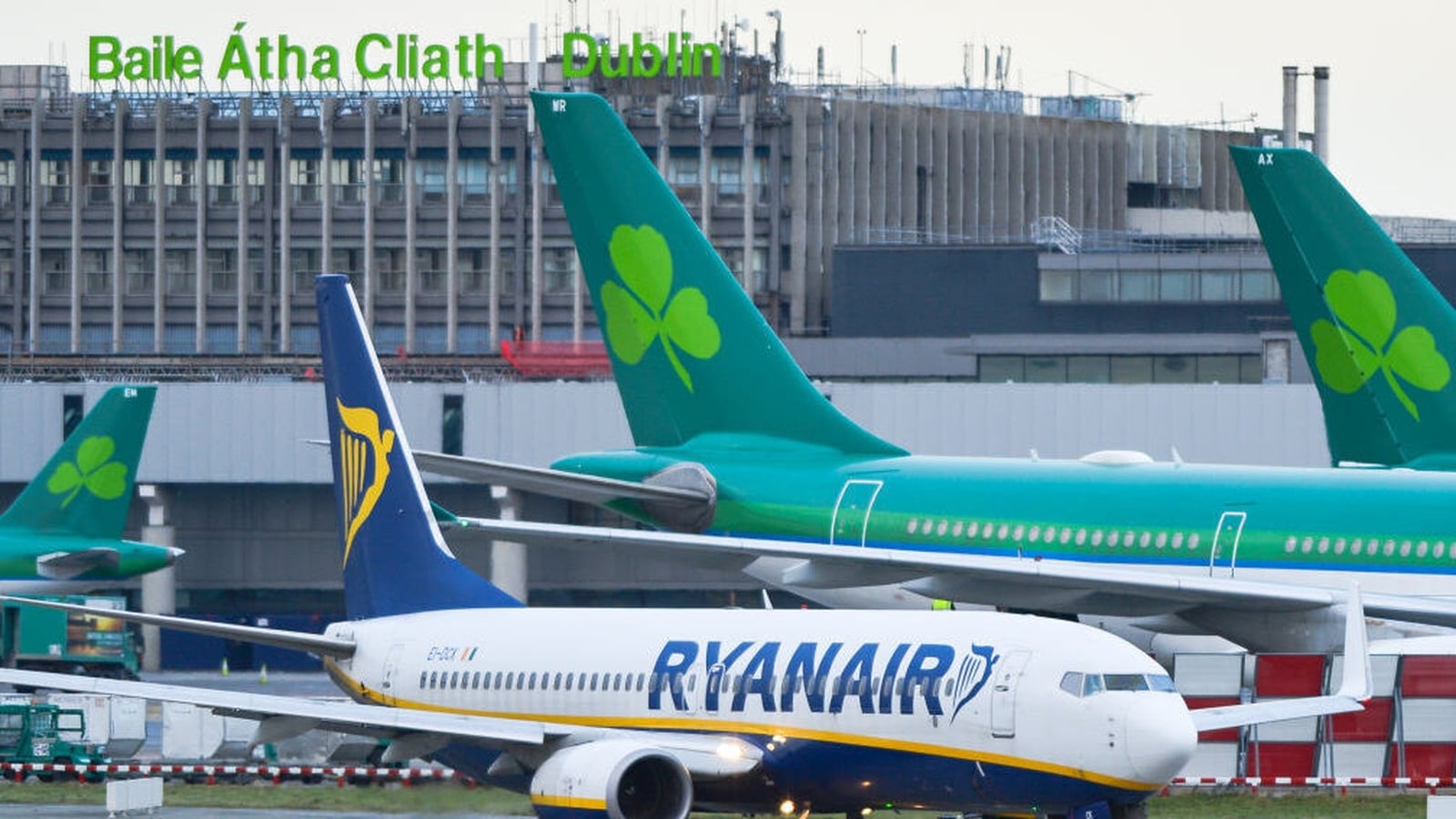
Not automatically. The cut works out at €1.54 a head, hardly an life-changing amount, and nothing obliges an airline to pass it on. The case for lower fares is indirect: cheaper airports attract more flights, and more seats on a route can push prices down. That’s the argument Ryanair is making. It says it will add two million seats at Dublin next summer if the final rates are competitive, and it has tied its 10% Dublin schedule cut this summer to rising charges.
We need your consent to load this rte-player contentWe use rte-player to manage extra content that can set cookies on your device and collect data about your activity. Please review their details and accept them to load the content.Manage Preferences
From RTÉ Radio 1’s Morning Ireland, will airlines pass on planned reduced passenger charges to customers?
It has also said it would base three more aircraft here, making Dublin the first airport to receive its new Boeing 737 MAX-10. Aer Lingus, meanwhile, described the proposed levels as “directionally reasonable” while asking for stronger guarantees that the airport delivers its projects efficiently.
There’s a catch. The DAA has told the regulator that airlines are already trimming flights because of surging fuel prices and economic uncertainty. A €1.54 saving can easily be swamped by the price of jet fuel.
What does the airport say it stands to lose?
DAA deputy chief executive Nick Cole says the reduction “may appear small” but would make it harder to sustain investment. The airport is spending almost €300m this year, its biggest programme since Terminal 2 opened, and that its charge is already among the lowest in Europe. Those are the airport’s claims, not independent findings. To be fair to the regulator, it still allows capital spending of €2.4bn to €3.8bn up to 2031, though that is well short of the €5.6bn the DAA had set out.
We need your consent to load this rte-player contentWe use rte-player to manage extra content that can set cookies on your device and collect data about your activity. Please review their details and accept them to load the content.Manage Preferences
From RTÉ Radio 1’s Drivetime, airlines hit back at EU over planned consumer rules
Could passengers pay another way?
Possibly, though not through the fare. The IAA’s numbers lean heavily on what passengers spend once they’re inside the building. It projects €2.6bn in commercial revenue over the period from retail, food and drink, car parking and lounges, against €2.3bn in operating costs and between €1.6bn and €2bn from airline charges. If that’s how the sums balance, a lower charge puts more weight on the coffee, the duty-free and the long-term car park. Nobody is predicting higher prices there, but whether passengers pay another way depends on how hard the airport leans on that side of the business. That’s the part I’d watch.
Does the growth forecast add up?
The whole structure rests on growth. The IAA expects traffic to climb from 39.4m passengers in 2027 to 44.5m by 2031, spreading the costs across more people. Yet the planning cap stands at 32m, the airport handled 36.4m last year, and the DAA has only asked the Minister to raise the limit to 40m, a process that can take up to 28 weeks. The regulator’s forecast runs beyond even that request. Reports suggest that the big US carriers have left Dublin out of their summer 2027 growth plans.
My own reading is that the €1.54 is a distraction. Lower charges are a bet, not a bargain. The regulator is wagering that cheaper access brings the flights and passengers that make the sums work, while the airport is wagering that it can’t build what’s needed on a smaller cheque.
We need your consent to load this rte-player contentWe use rte-player to manage extra content that can set cookies on your device and collect data about your activity. Please review their details and accept them to load the content.Manage Preferences
From RTÉ Radio 1’s Drivetime, Minister for Transport, Climate, Energy and the Environment Darragh O’Brien on lifting the passenger cap at Dublin Airport
Both bets have merit, and neither has been tested together at this scale. If I was a regular Dublin flyer, I’d care less about a saving of an euro or two that I’m unlikely to notice, than about whether the new capacity arrives on time, because airlines can only fill seats the airport has room to handle.
The final determination will show which side the IAA has come down on. The harder question is whether a regulator can cut the price of access and still get the airport built – and if it can’t, who picks up the tab?
Follow RTÉ Brainstorm on WhatsApp and Instagram for more stories and updates
The views expressed here are those of the author and do not represent or reflect the views of RTÉ