
A move by one member of a wealthy family does not mean that everyone else follows. Children or grandchildren may remain in other countries, and the assets may range from income-producing portfolios to an illiquid art collection. Louise Tamm Kinberg argued that the value of an insurance solution depends on understanding that wider picture and preparing for the family’s next move as well as its immediate plans.
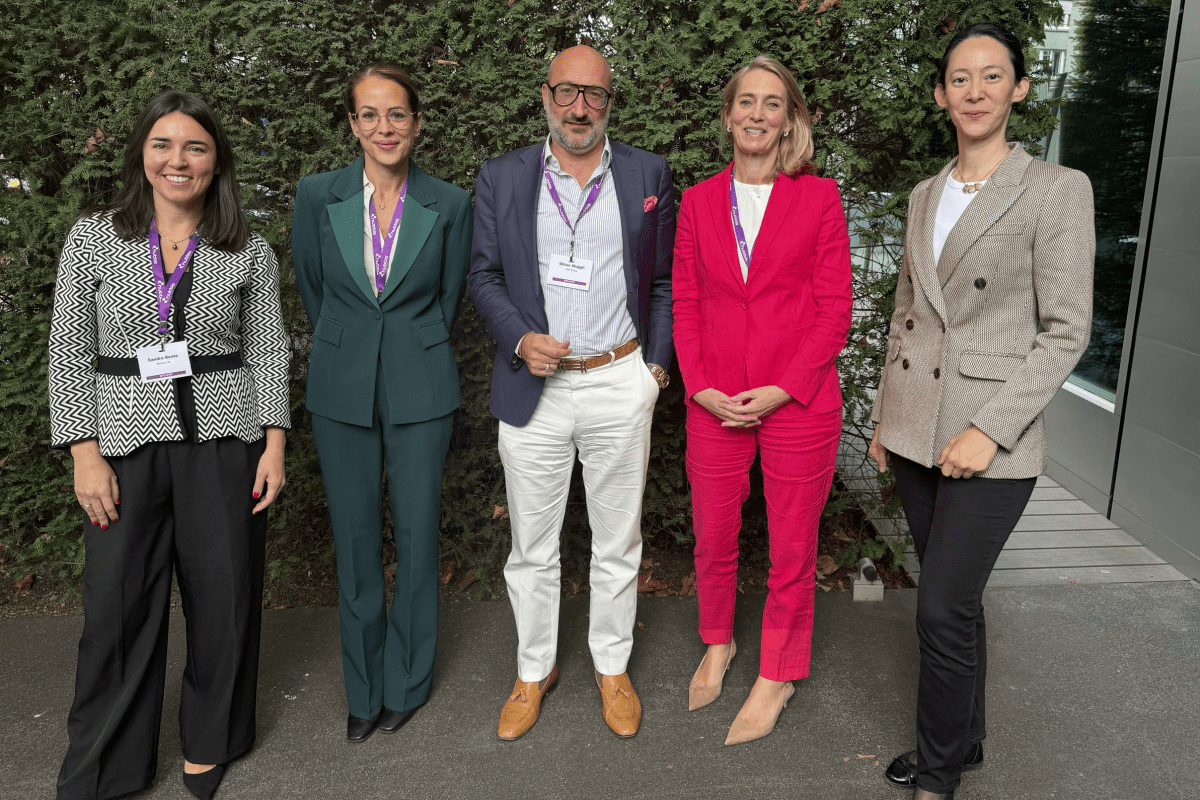
Speaking on the second panel at the Hubbis HNW Insurance Summit – Zurich 2026, Louise Tamm Kinberg, Country Manager Sweden at WEALINS, explained how family residence, asset composition and future mobility shape the insurance discussion. Her contribution combined a practical example involving an art collection with experience of Nordic clients considering successive relocations.
Key Takeaways
The tax residences of children and grandchildren need to be considered alongside those of the relocating client.
Asset composition matters, including liquidity and the level of dividend income generated by the portfolio.
Non-liquid assets such as an art collection require suitable legal or custody arrangements and careful attention to valuation.
A policy should be assessed for the next potential destination, rather than designed only around the initial move.
Insurance can work with trusts, while the overall arrangement should avoid unnecessary complexity.
Start with the Whole Family
Louise’s starting point was the family rather than the individual policyholder. Parents might move while their children remain elsewhere; grandchildren may introduce further countries into the picture. Each of those tax residences can matter when assessing an insurance solution.
“We have to consider all of these different tax residences when looking at a solution,” she said.
The assessment therefore extends beyond the destination of the person making the initial enquiry. Louise described a broad review of the family situation, recognising that large families may already be spread across several jurisdictions before any new move takes place.
The Assets Shape the Structure
Louise placed equal weight on understanding the assets. Whether the portfolio is liquid and whether it generates substantial dividends are relevant questions. Those characteristics form part of deciding how an insurance arrangement might add value.
“What are the assets? What do they look like? Are they liquid assets? Do they incur a lot of dividends?” she asked.
She illustrated the point with a recent case involving a substantial art collection. Although such assets are not liquid, she said they could still be examined for inclusion in a policy, provided the surrounding structure was appropriate.
“It needs to be within a custody or some sort of legal structure, and we are always looking at valuation issues,” she explained.
The example made the supporting arrangements central to the discussion. Considering an unusual asset for a policy requires more than identifying what the family owns; the legal or custody framework and the basis for valuing it also need attention.
Prepare for the Move After Switzerland
Drawing on Nordic experience, Louise discussed Norwegian clients moving to Switzerland who might later consider Sweden. A family may discover that the cost of living or its experience of the destination changes its plans. The insurance discussion should allow for that possibility from the outset.
She described considering a policy before entry into Switzerland and looking at how it could subsequently be adapted for a move to Sweden. The important point was the sequence of possible destinations, rather than treating arrival in Switzerland as the end of the planning process.
“Always look at the next step as well,” she said. “You are not tying a client into a solution which is not flexible.”
For Louise, flexibility is one of the relevant advantages of insurance. Its usefulness has to be assessed against the family’s likely movements and the adjustments that may be required, rather than only the circumstances at the time the contract is established.
Keep the Wider Arrangement Manageable
Louise also described working with trusts as a common part of developing a suitable solution, including arrangements in which the trust is the policyholder. Insurance can therefore sit within the family’s existing structure.
Her closing recommendation brought the family review and future planning together: “Take a holistic view and plan ahead. Do not look for complex and complicated structures.”
The practical priorities in her contribution were clear: understand where the family lives, examine the assets and the arrangements they require, and consider where the client may move next. Complexity should serve a real need rather than become an objective of the planning.