
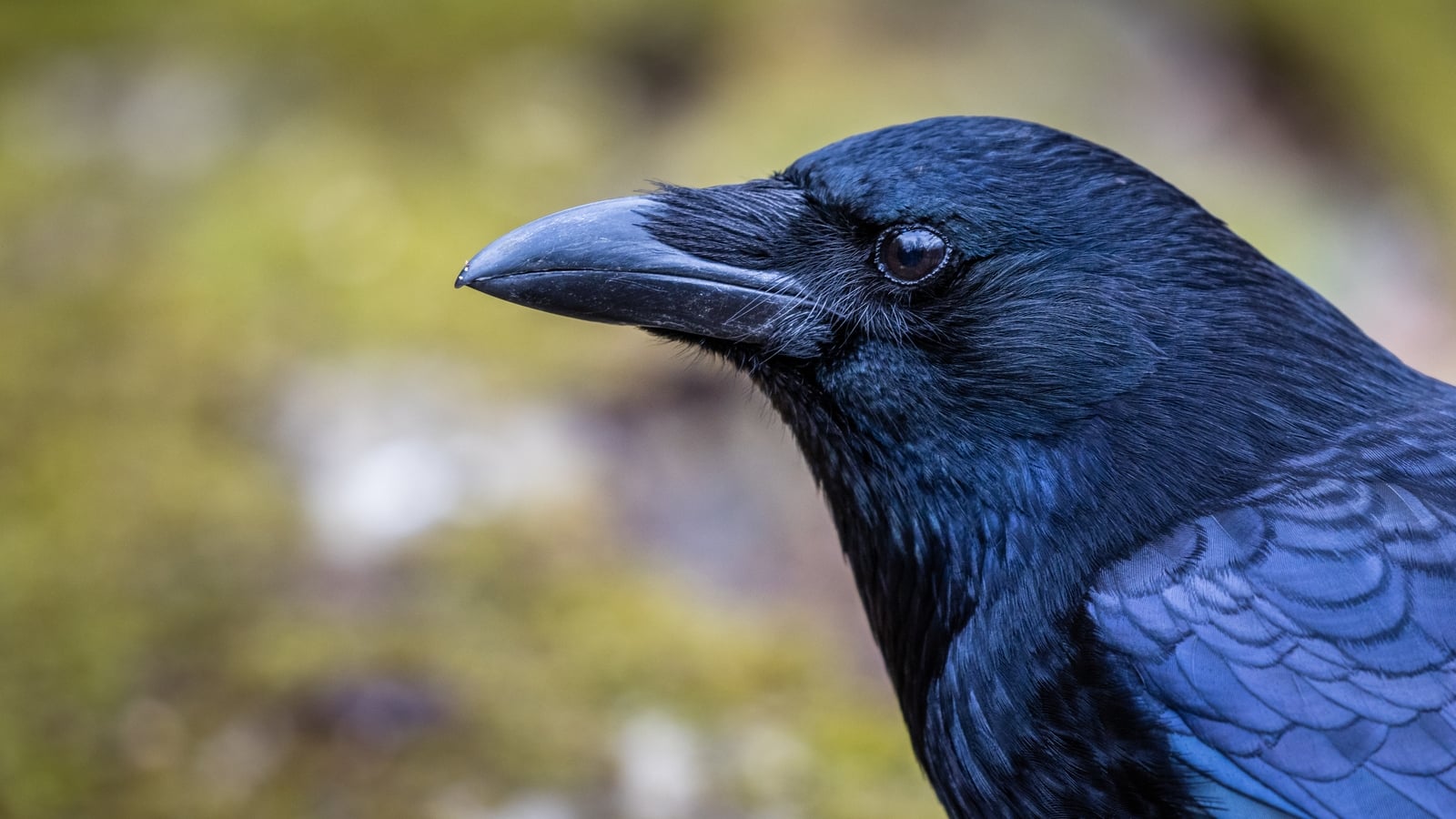
Jim Wilson, wildlife writer and conservationist, and Barry Heneghan, Independent TD for Dublin Bay North, join Today with David McCullagh to discuss the hidden depths of crows.
“When we recognise another creature on the planet doing something that sort of approximates what we’re able to do, we automatically have an affinity towards them,” Jim Wilson explains.
No matter how smart they appear, though, the conservationist insists that intelligence between species is rarely comparable and will usually lead to misinterpretation.
“I am a full believer that we shouldn’t even compare,” he insists. “You can wonder at it, but don’t compare.”
That said, Wilson admits that humans do seem to be fascinated with the cleverness of crows.
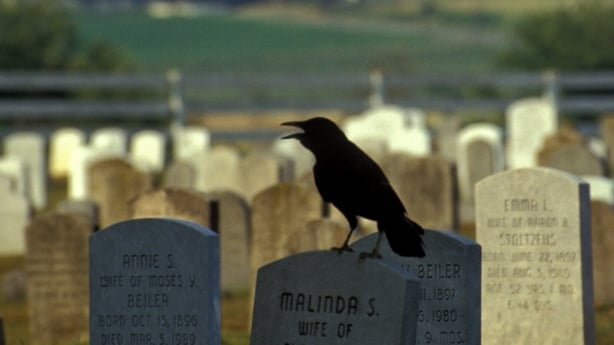
It seems that these birds are natural problem solvers, using inventive ways to solve the puzzle of food.
Not only can they use tools to access food, but they seem to have an understanding of volume displacement and have been observed using stones to raise water levels to reach floating food.
“That’s mind-boggling from our perspective,” says Wilson.
In Japan, crows made headlines when they were spotted using traffic signals at a pedestrian crossing to open particularly tough nuts.
“They would wait for the pedestrian light to come on green, and they put down the nuts. Then they know when the light goes red, the cars will drive over them. Then they can eat the nut inside!”
Crows belong to the Corvid or Corvidae family, which is comprised of hundreds of species such as Choughs, Jackdaws, Rooks, and Ravens.
Although most Corvids are known for having harsh bird calls, many are skilled at mimicry and can imitate a variety of sounds and syllables.
They are also among the types of birds that can remember faces – and behaviours.
In 2006, with the help of students, wildlife biologist John Marzluff at the University of Washington Seattle campus put this belief to the test.
While wearing a plastic caveman mask, Marzluff would walk around campus and, at certain sites, capture and tag crows. While he did this, other crows observed the activity and made their displeasure known.
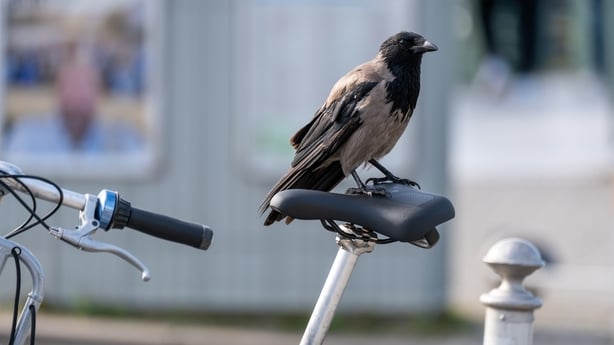
As a control, they also had students walk around campus in a plastic mask of then Vice President Dick Cheney.
After just a few weeks, it was clear that the captured crows remembered the caveman – and even shared their displeasure with others.
As Marzluff says: “We verified our results that crows recognised the humans who captured them, and we uncovered evidence that at least some birds learned about the bad actors by observing knowledgeable crows scold and mob us.”
To learn more about crows, listen back to the full chat above.