
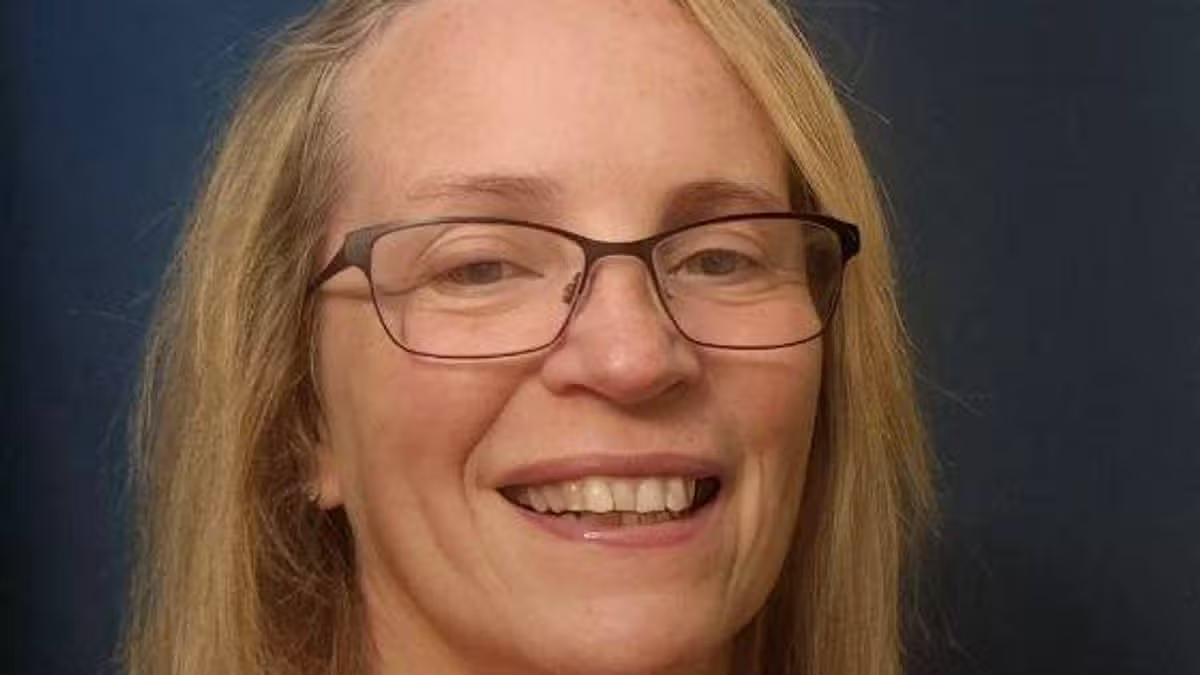
A Cork mum-of-two has shared her experience with breast cancer, encouraging other women to get checked after she had ‘no signs or symptoms’ of anything wrong.
Anna Hickey, 55, was unexpectedly diagnosed after a routine mammogram despite having no symptoms. The Ballinspittle mum’s diagnosis was a complete shock. It came following a standard breast screening in 2023. The screening had even been delayed for two years due to Covid.
BreastCheck offers free routine breast cancer screening for women between 50 and 69 years old, with women encouraged to get checked every two years. Anna said: “I should have had the mammogram in August of 2021, but it was late because of the Covid backlog.
“If I had had my mammogram on time, it would have been too early, and the diagnosis would probably have been missed,” Anna told RSVP Live. During the appointment, she fainted due to low blood pressure. When she was called for another appointment, she assumed that was why they called her back. But instead, she received totally unexpected news.
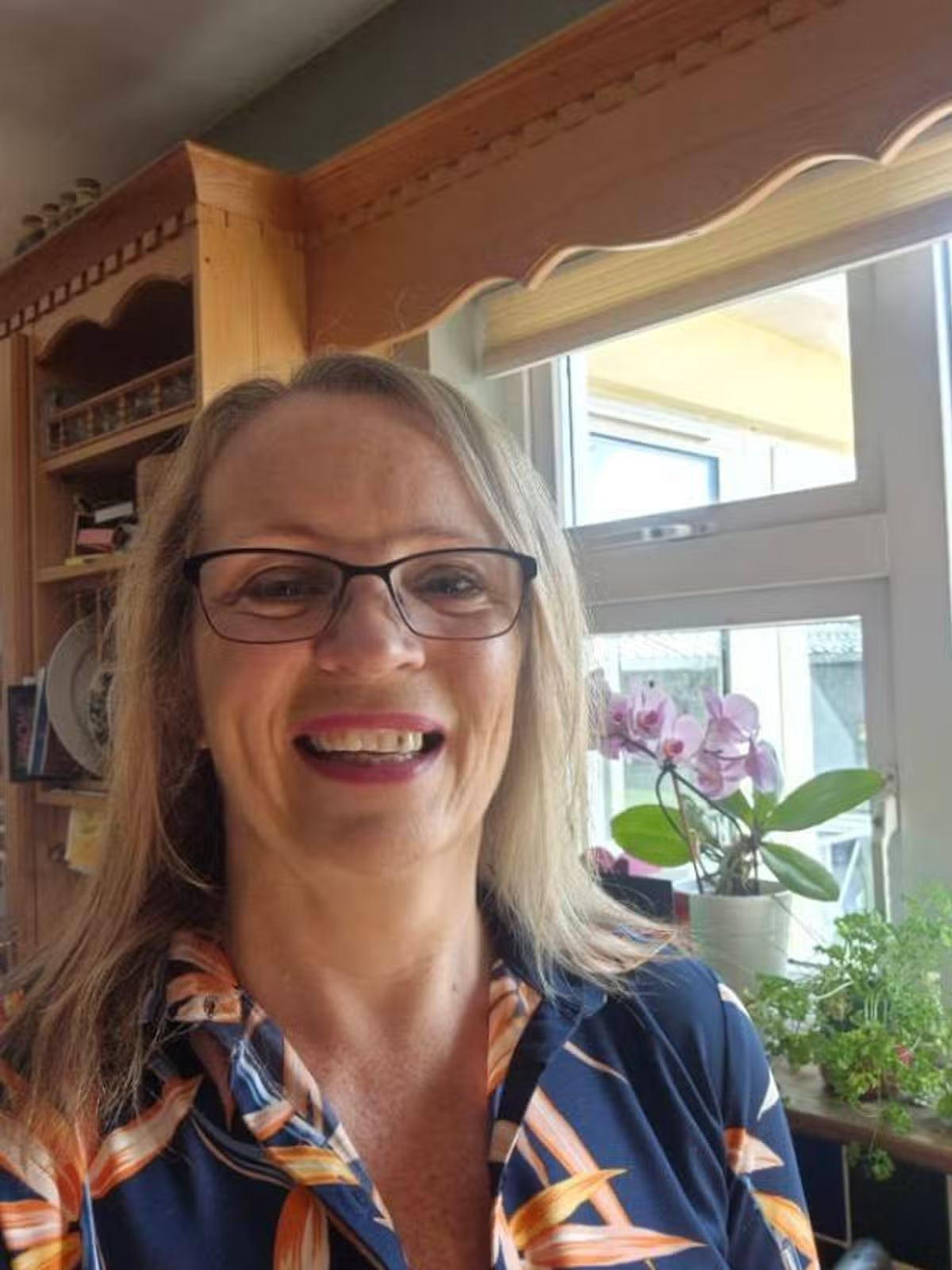
Mum-of-two Anna Hickey had ‘no signs’ of anything wrong when she went in for a mammogram
“When they called me back to look at the results, I didn’t think a single thing about it. I just presumed that because I fainted, the photos were unclear. There was not a worry in my head,” she said. She was told that there were clusters of cells in the scan that the doctors didn’t like the look of, so Anna had to come back the next time and do more tests.
She had a biopsy done, and afterwards was told that she had a form of breast cancer called ductal carcinoma in situ. “It was a big shock. I had no signs, no symptoms, nothing. The cancer was still cellular, so it hadn’t travelled at that stage. It was stage one. The doctor told me he wouldn’t have found it on a physical exam, there was nothing to find yet, it was that early,” she said.
Doctors told her the cancer was not something to be ‘hugely worried about’, but it was something that needed to be taken care of. Anna underwent her first surgery within a year.
“They removed one of my lymph nodes from my right arm, which was the big first one for me. It was to check whether the cancer had spread, which luckily it hadn’t for me. I went in the morning and could go home after, so I didn’t have to recover in the hospital.”
Because of the cluster of cells, Anna had to have a mastectomy. She had the operation in February of 2024 and opted for a breast reconstruction, which she said was “amazing.”
“I had the reconstruction at the same time, and it was amazing. When I woke up from the surgery, I actually still had two breasts. The surgery went well. I was told ahead of time that the theatre would be very busy because there were two surgical teams, one medically to remove the breast and do the mastectomy, and one to reconstruct.”
During treatment, she had been assigned a nurse, which Anna said was a “fabulous” comfort. “Once you’re in the system, you’re assigned a nurse, which I thought was fabulous,” she explained. Anna’s nurse regularly checked in on her to make sure everything was okay while she was undergoing treatment.
“Breast cancer in this country is so well managed. Even the Irish Cancer Society, I couldn’t say enough about those guys and the support they provide.”
After a week, Anna returned home from the hospital and spent the next few months recovering. She also attended physiotherapy. Anna is dedicated to raising cancer awareness and urging others to be proactive about their health.
“If you have a symptom, get a check-up. I had no symptoms at all, but when you’re asked to go to your smear tests and mammograms, I know they’re awkward and annoying, but they can be life-changing if you get them in time. It’s absolutely important to check your breasts and your limbs. If you find a lump, keep an eye on it and follow up.”
Breast cancer is the most common cancer among women in Ireland, accounting for nearly one-third of all invasive female cancers. About 1 in 7 women are diagnosed with breast cancer during their lifetime.
According to the HSE, most women diagnosed with breast cancer are over 50. However, there has been a 25 per cent increase in breast cancer in younger women over the past decade. Around 13 per cent of all breast cancers occur in women aged between 15 and 44. In younger patients, tumours tend to be more aggressive.
This October, the Irish Cancer Society is calling on the public to support Breast Cancer Awareness Month.
Typically receiving just 5% of its funding from the Government, the Irish Cancer Society’s cancer research and vital free services like the Support Line, Transport Service, Daffodil Centres, cancer information, financial grants, and Night Nursing are fuelled by fundraising. Visit cancer.ie for more information.