

The trends shaping natural products in 2027 will take us back to analog living and inspire a sense of nostalgia, play and joy. If the past few years have revealed anything, it’s that when headwinds hit—whether through tariffs, inflation, economic uncertainty or AI anxiety—the natural products industry responds with meaningful innovations and solutions that meet consumers where they are.
That’s why, this year, what’s old is new again—and sometimes, what’s new is literally brand-new. Heritage dairy and heirloom grains are being reimagined for the modern consumer; the protein craze is returning to its natural products foundations; and supplements are mixing ancient traditions like Ayurveda with cutting-edge, science-backed formulation. In personal care, in particular, products designed to engage all of our senses invite calm and fun into an otherwise hectic world.
As we push back against our increasingly digital lives, third spaces are becoming more wellness-centric, and CPG is coming along for the ride. And don’t underestimate the power of a small, budget-friendly indulgence—like a luxurious face mask or an adaptogenic matcha mix—to make someone’s day.
Pop open a can of your favorite functional beverage, scroll down and get ready to be inspired.
Heritage dairy
Global flavors and food-making traditions aren’t just trending, they’re a core pillar of the natural products industry—and now they’re giving the dairy case an exciting refresh. It makes perfect sense: Cultures across the world have been fermenting, churning, culturing and aging dairy for thousands of years. And while we’ve fully incorporated products such as Greek yogurt and skyr into our dairy lexicon, many new dairy brands are looking further afield to Eastern Europe, the Mediterranean and Southeast Asia for heritage inspiration.
Rooted in time-honored processes and authentic culinary traditions, heritage dairy satiates consumers’ appetite for bold flavors and gut-loving, nutrient-dense foods. It’s probably no surprise that, per Nutrition Business Journal data, the dairy category is estimated to grow 7.3% in 2027.
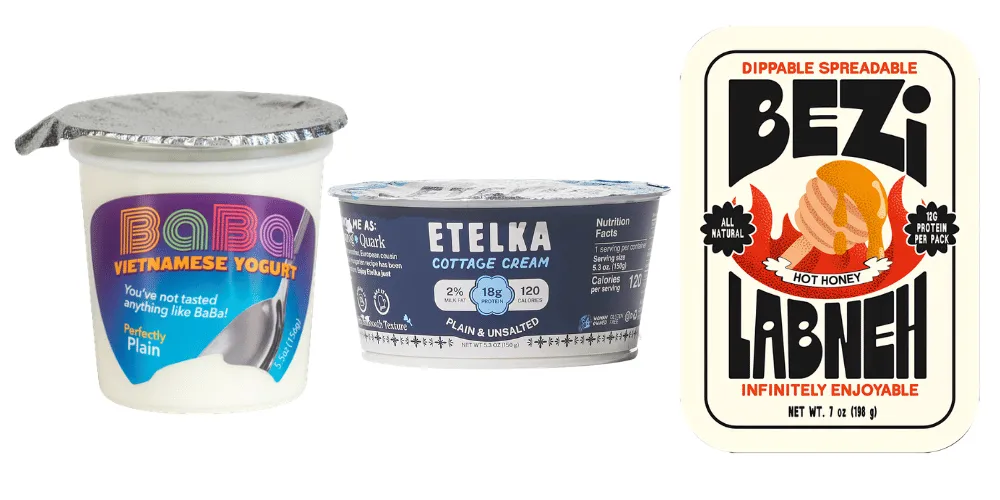
From left, BaBa Plain Vietnamese Yogurt, Etelka Plain & Unsalted Cottage Cream and Bezi Labneh Hot Honey
Ancient grains revival
With consumers looking for new ways to incorporate protein and fiber from minimally processed sources, ancient grains are back on the menu. Rooted in sustainably sourced, transparent supply chains and meeting demand for globally inspired products, these powerful grains hail from all corners of the world. Think blue corn and amaranth from Mexico and adlai from Southeast Asia. These grains are climate friendly and support rural livelihoods.
While heirloom grains may not be new (after all, heirlooms are passed between generations), an influx of these crops into CPG proves that even the oldest ingredients can still find new markets. Turns out, quinoa was just the gateway grain.
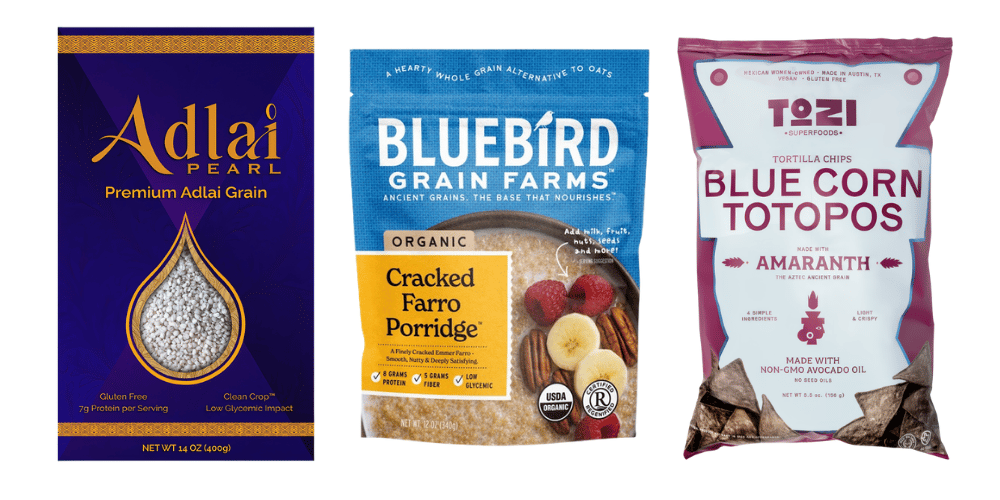
From left, Adlai Pearl Premium Adlai Grain, Bluebird Grain Farms Organic Cracked Farro Porridge and Tozi Superfoods Blue Corn & Amaranth Chips
Modern maladies
Oh, the hazard-strewn maze that is modern life. Microplastics rain down on us whether we’re walking a Manhattan sidewalk or reading on a cabin cruiser deck hundreds of miles from land—and researchers now find these tiny toxins in 90% of all sea salt.
Tick bites don’t just itch and gross us out; they can trigger Alpha-gal syndrome, a potentially deadly condition that turns any product made with mammalian ingredients into a serious health risk. Even our phones hobble us, as doomscrolling, email checking and text threading keep us distracted, dwelling on Planet Digital rather than Earth.
But modernity also fights back, delivering solutions to address the newest group of consumer concerns. On the retail front, Thrive Market added an alpha-gal filter to its site in February and now supports 3,000 alpha-gal-free SKUs; Hy-Vee, the Midwest grocery chain, tags alpha-gal-friendly products on shelves in its Springfield, Missouri-area stores.
Brands, too, are meeting the moment, such as by printing microplastics disclosures right on the label or developing novel offerings to serve modern needs. Recent innovations include salt sourced from springs far from ocean microplastics, honey-sweetened sodas for people living with Alpha-gal, and essential oils to counter digital distraction.
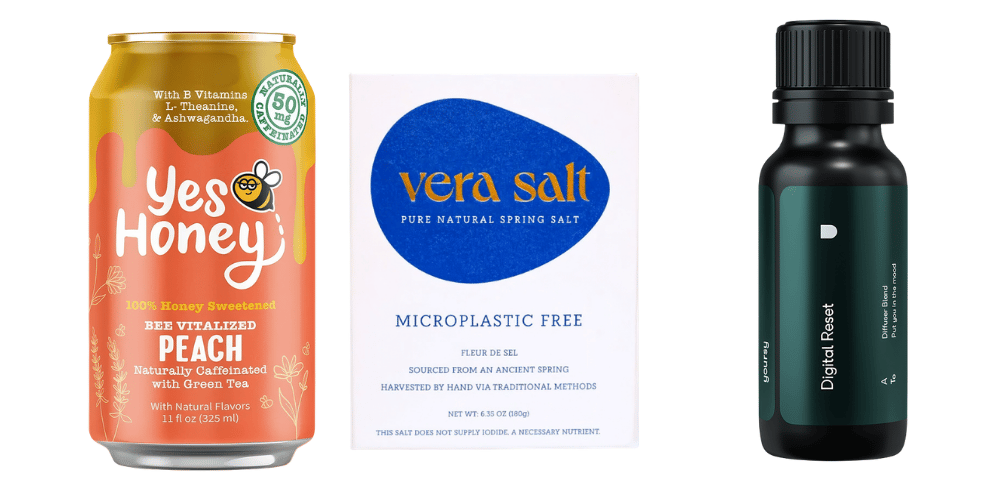
Yes Honey Peach, left, Vera Salt Fleur De Sel and Yoursy Digital Reset Diffuser Blend
What’s the beef?
Though meat, fish and poultry products comprise just 7.9% of the natural and organic food and beverage market, according to NBJ estimates for 2026, this category is leading in terms of growth, with a staggering 10.9% projected this year. The darling of this category is undoubtedly beef in its different forms. Despite persistent challenges, including prolonged drought and dwindling herds, consumer demand remains high.
And when it comes to beef, it’s a retro vibe. Organ meat is appearing in novel formats, including supplements, while meat sticks are going ultra-clean, and shoppers are eating it all up—literally. Tallow is no longer just a cooking fat or even a skin care ingredient, but is appearing in the makeup aisle too.
Third-party certifications still matter for all things beef, but where cattle are raised, slaughtered and processed is an important part of the conversation. Consumers’ understanding of terms like regenerative, pasture-raised and grass-fed is also growing. With tariff headaches and import scandals leading to mass recalls, the future of beef is about supporting local ranchers and utilizing the whole cow.
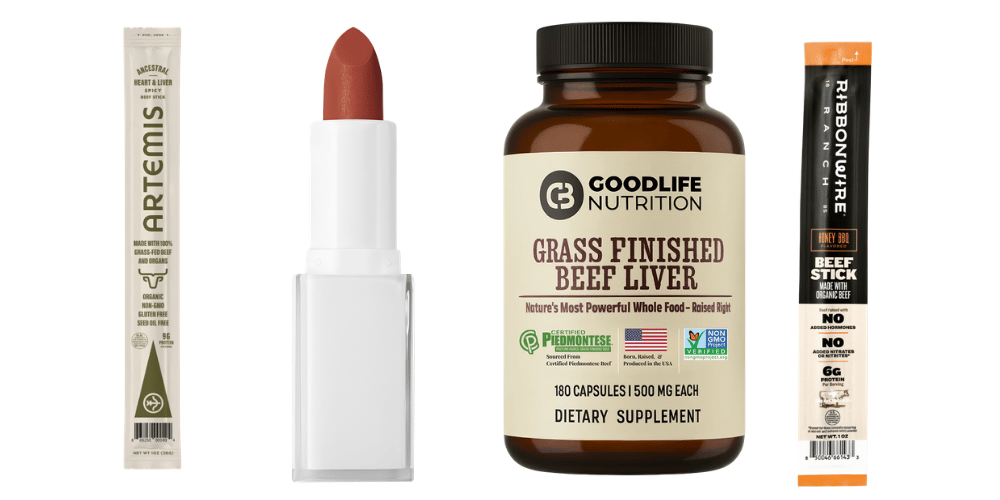
From left, Artemis Heart & Liver Infused Beef Sticks, Stone & Spear Tallow 100% Natural Lipstick, Goodlife Nutrition Beef Liver Capsules and Ribbonwire Ranch Organic Beef Sticks
Picky about protein
Protein is here to stay; we’ve tracked its rise for years. What we’re eyeing now is its next act: whole foods elbowing out formulated powders and an added-protein-at-any-cost mentality. For years, protein powder and bar markets catered to hardcore athletes and revolved around the gym set’s iron-pumping quests. That has begun to change in recent years. Now the category’s appeal has spread far and wide, to family kitchens, on-the-go workers and seniors.
That first wave of beyond-the-gym protein mania incorporated commodity protein—whey, soy—into just about anything: tomato sauce, ranch dressing, even beer. Now the momentum is moving more natural: organic whey; bone broth from regenerative livestock; and a mounting diversity of plants, many touting whole-plant bona fides like rich fiber content. The trend has crossed categories, with better-quality protein turning up in frozen, pantry and condiments, to name a few. Bars remain a protein mainstay, but even they are leaning into whole-food ingredients and organics over isolates.
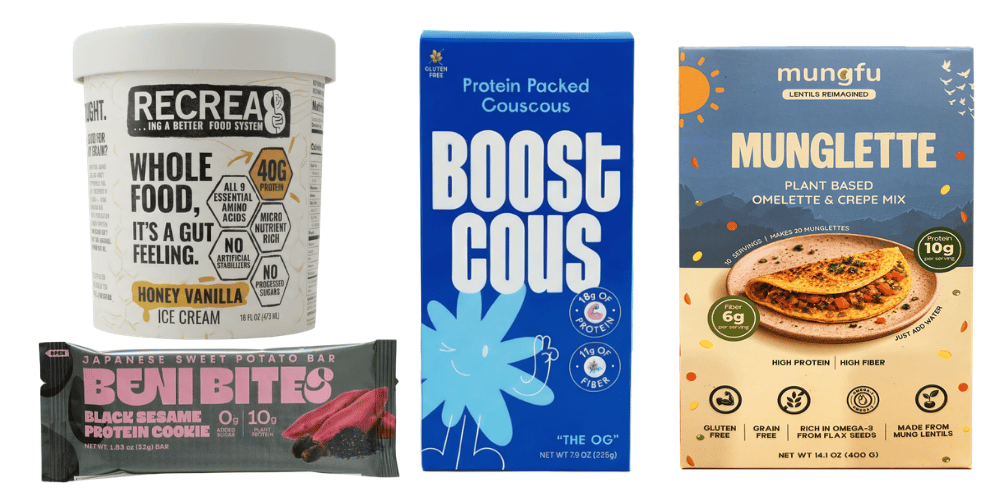
From left, Recrea8 Honey Vanilla Ice Cream, Beni Bar Black Sesame Protein Cookie, Boostcous Protein Packed Couscous, Mungfu Munglette
Acid trip
Move over, sweet. Americans’ palates—led by flavor-trotting Gen Zers—are getting a punch of sour, tangy, tart and acidic flavors, often inspired by global cuisines and condiments.
What started with puckering candies is spreading across the store. Vinegars, pickles and ferments are having a moment, extra-tart yogurts are embracing their natural tang and brands are experimenting with acidic and sour notes in everything from snacks and beverages to supplements.
And consumers aren’t just talking a big flavor game. Pickle-flavored snack sales jumped 30% over the past year, compared with just 3.8% for snacks overall, according to Circana. Meanwhile, Innova Market Insights finds that 75% of U.S. and Canadian consumers seek intense, bold flavor experiences in select beverage categories.
Part of the appeal is pure flavor adventure: Consumers are expanding beyond the familiar sweet-and-salty spectrum and seeking tastes that are sharper, funkier and more complex. But there’s a wellness story here too. Fermentation, probiotics and ingredients such as vinegar already carry health halos—and their rise asks consumers to embrace flavors that don’t need sweetness to make them palatable. After years of brands’ finding new ways to sweeten everything, sour is finding its sweet spot.
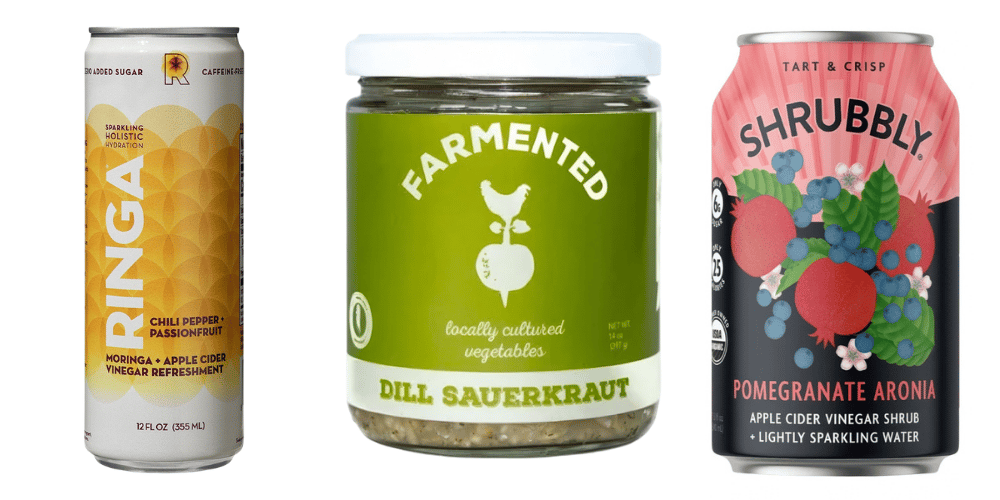
From left, Ringa Chili Pepper + Passion Fruit Moringa Apple Cider Vinegar Refreshment, Farmented Foods Dill Sauerkraut and Shrubbly Pomegranate Aronia Apple Cider Vinegar Shrub
Lifestyle hub takeover
The importance of third spaces is greater than ever. Our need for in-person connection is critical, and where we go and what we do in these places is evolving too, becoming more about wellness than staying out late and overindulging. We’re tracking the rise of functional beverages at sauna clubs, gyms, workplaces, campuses and more, as well as ready-to-drink mocktails and other social elixirs in bars.
But it’s not just CPG taking over third spaces; third spaces like kava bars and matcha cafes are also bringing their products into CPG. And it’s not just RTD beverages. Other CPG products, such as broths, are generating entirely new third spaces. More natural products and more time with friends—we’ll drink (an adaptogenic elixir) to that.
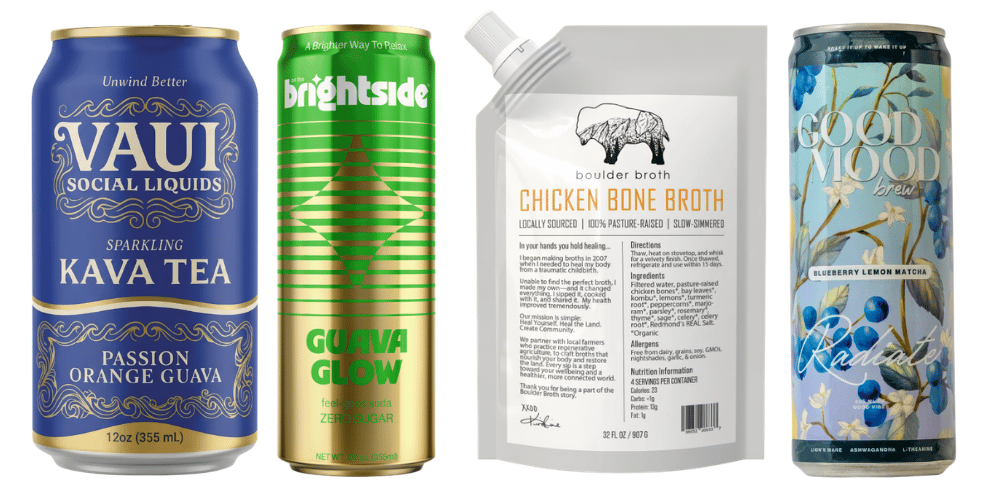
From left, Vaui Social Liquids Passion Orange Guava, On the Brightside Guava Glow, Boulder Broth Chicken Bone Broth and Good Mood Brew Blueberry Lemon Matcha
Third-wave functional beverages
Much like coffee culture, functional beverages have officially entered their “third wave.” If the first wave was highly caffeinated, artificially colored sports drinks, and the second wave included beverages intended to replace alcohol (but not necessarily delivering on taste while still mimicking the calories and sugar of a soda), then consider the third wave the renaissance of functional beverages. We’re talking about cleaner ingredients that also taste good, like a dash of honey and a little less stevia, and hyper-focused formulations for every need and condition. Women’s health, in particular, is finding a home in functional beverages, with products designed for all life stages.
What’s not part of third-wave functional beverages? Fairy dusting. Transparent dosages listed on labels give consumers science-backed peace of mind. With every sip designed to do more and taste good, stay tuned to see where functional beverages go next.
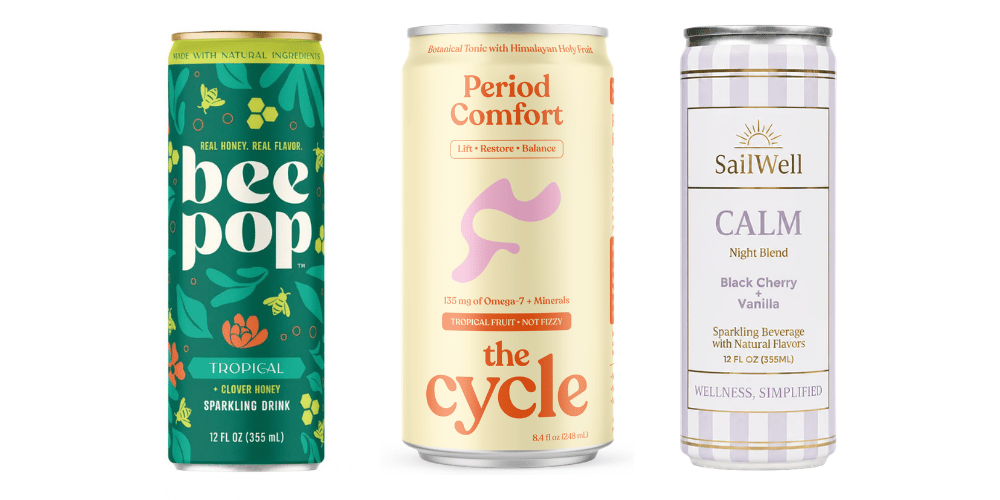
From left, BeePop Tropical + Clover Honey Sparkling Drink, The Cycle Period Comfort and SailWell Calm
Water, water, everywhere
Hydration is one of the natural products industry’s current RTD obsessions, following in the footsteps of meal-replacement shakes, cold-pressed juices and good-for-you sodas. On the hydration front, now comes the water: deep-sea mineral water, banana water, okra water, maple water, birch water.
Water’s ascendancy tracks with rising consumer demand for simple ingredient panels, and brands crow about the tidiness of their formulations. So why not just water? Functionality. To compete, these products need more than plain water offers: small doses of calories for energy and endurance, natural micronutrients for hydration. The category’s appeal is exactly that tension; stripped-down simplicity accessorized with just enough function for sex appeal.
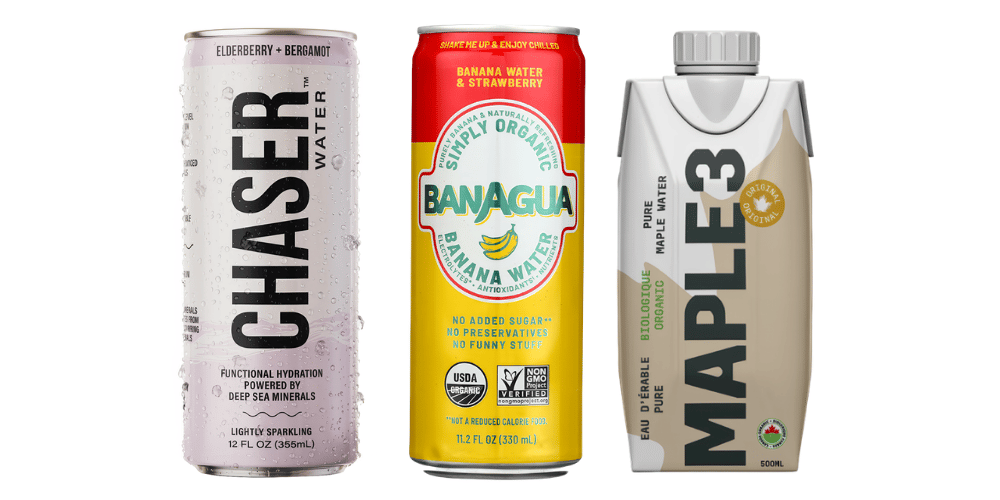
From left, Chaser Water Elderberry + Bergamot, Banagua Simply Organic Strawberry & Banana Water and Maple3 Organic Maple Water
Affordable indulgence
Economy got you down? Affordable indulgences are here to brighten the day. While buying a home or taking an expensive vacation remains out of reach for many Gen Z consumers, “treat culture” provides a more affordable way to bring luxury into daily life. Beautifully packaged products set a vibe for those doing more cooking and less eating out, while latte and matcha mixes deliver a café experience at home. Personal care products like face masks allow consumers to slow down and relax for a fraction of the cost of a facial.
When it comes to affordable indulgences, it really is the little things in life that help us slow down and enjoy the day. The future may be uncertain, but there’s almost no problem that an in-home spa day (and a bowl of pasta) can’t solve.
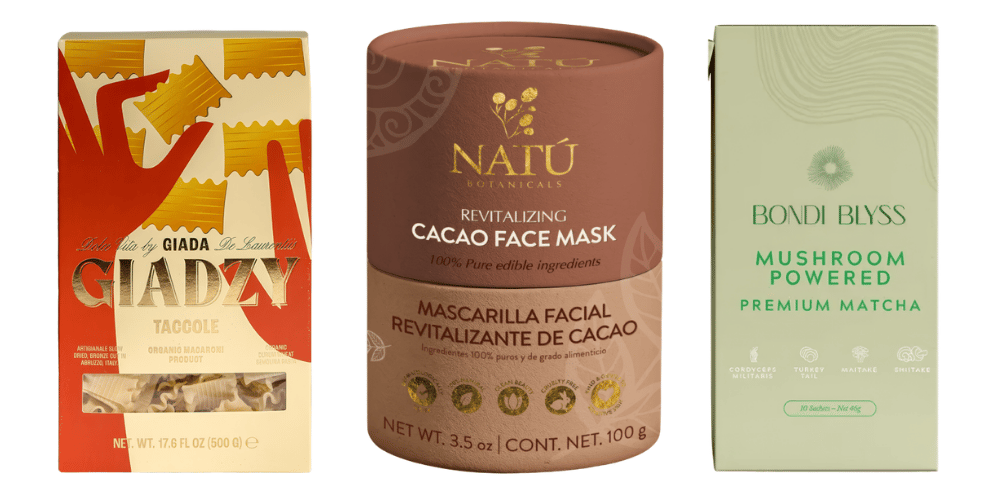
From left, Giadzy Organic Taccole Pasta, Natú Botanicals Revitalizing Cacao Face Mask, Bondi Blyss Mushroom Powered Premium Matcha
Multisensory magic
When it comes to personal care, it’s all about products that excite, delight and stimulate the senses. Take sunscreen: Nontoxic brands are getting a scent and color makeover, transforming the often-annoying task of applying SPF into a fun experience. Consumer appetite for experimentation in skin care means that formats are evolving into jellies, serum sticks and hydrogel patches. Per NielsenIQ data, jelly skincare is up 150% in 2026. Olfactory experiences are on the rise as well, with NBJ expecting sales of fragrances and aromatherapy products to grow 9.3% in 2027.
K-beauty is also blowing up, now valued at $2.8 billion in the U.S. alone, NIQ reports, up 50.6% in 2026. Popular for its affordable pricing, efficacy and social media appeal, Korean skin care captivates consumers with bright colors and playful textures that invite engagement—and it’s now crossing into the natural channel.
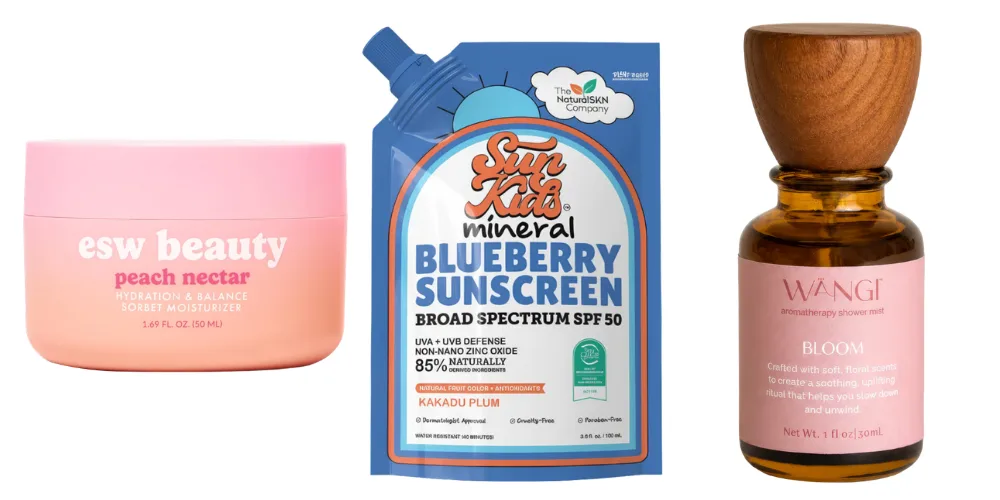
From left, ESW Beauty Peach Nectar Sorbet Moisturizer, The Natural SKN Company Sun Kids Blueberry Mineral Sunscreen and Wangi Wellness Bloom
Flavor explosion … in supplements
Once upon a time, the most exciting thing in supplements was shaped like a Stone Age–inspired cartoon character, with bright colors, fruity flavors and a chalky texture. In the decades since, wellness products have undergone exciting upgrades that make today’s offerings hard to resist. First came the gummy surge; now, interesting flavors are delighting consumers across a wide range of supplement delivery formats, from powders to liquids to chews, using no artificial colors or sweeteners. Tropical fruits, sweet-and-sour combinations and other innovative taste profiles are making wellness more delicious than ever.
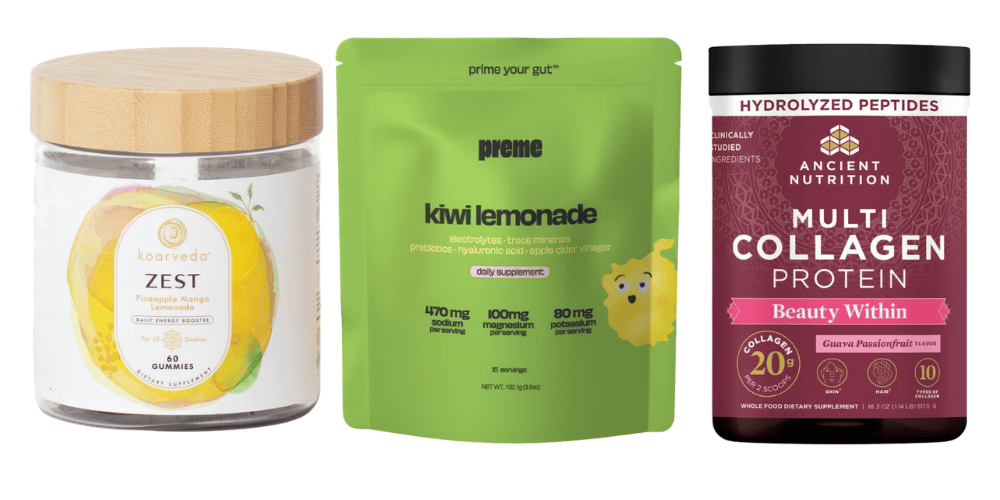
From left, Koarveda ZEST Energy Booster Gummy, Preme Kiwi Lemonade Daily Supplement and Ancient Nutrition Multi Collagen Protein Beauty Within, Guava Passionfruit
Hyper-focused supplementation
Today’s supplement consumer isn’t looking only for baseline nutritional insurance—they’re building targeted wellness arsenals, one hyper-focused formula at a time. According to NBJ, combination herbal products designed for specific outcomes are on track to claim 56% market share of the total herbs category by 2029.
This reflects a shift toward strategic curation. Consumers want science-backed combinations that can address exact health concerns: not just general “gut health” but food-intolerance histamine solutions; not overall “weight support” but muscle preservation during GLP-1 therapy; not simply “women’s wellness” but perimenopause sleep support.
What’s driving this? TikTok and AI-assisted shopping are funneling consumers toward hyper-specific solutions. Beyond just searching online for “fish oil” or “adaptogens,” many are typing in symptom clusters and health goals tracked through wearables, and they want formulations matching their needs and data.
Brands are responding with unprecedented specificity. Both emerging players and legacy labels are delivering condition-specific innovation, stacking science-backed ingredients for specific outcomes. This is precision in practice, where technology, clinical research and targeted formulation converge.
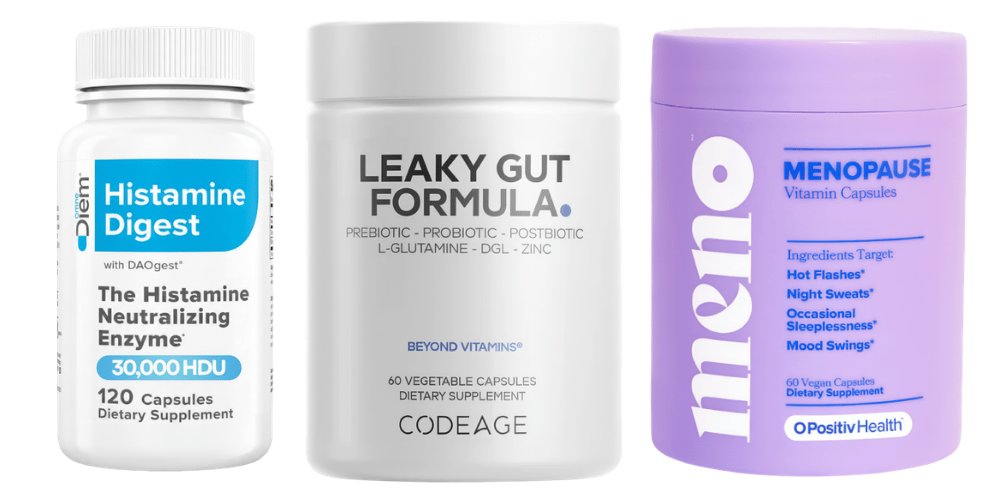
From left, Omni Diem Histamine Digest, Codeage Leaky Gut Formula and O Positiv Health Menopause Vitamin Capsules
Ayurveda à la carte
Ayurveda may be thousands of years old, but its breakout moment is decidedly modern. NBJ estimates the total combined Ayurvedic supplement market will reach $1.51 billion in 2026, growing at 15.3%, with sales accelerating. While the traditional Indian system of medicine has gained attention in the U.S., key Ayurvedic concepts like doshas have been slower to enter the mainstream. Instead, consumers are discovering Ayurveda—arguably, the OG of personalized wellness—ingredient by ingredient.
Ashwagandha and turmeric were early breakout stars, translating ancient tradition into easy-to-understand benefits. Now, a new class of Ayurvedic botanicals is following their lead. Shatavari is the category’s fastest-growing ingredient at 38.3% projected growth in 2027, driven by women’s health positioning. Ashwagandha continues its strong trajectory with an estimated growth of 18.5% in 2027, while bacopa is projected to gain ground at 16.8%.
These herbs are being positioned less around Ayurveda and more around modern problems: stress, sleep, energy, hormonal health and resilience. Brands are essentially unbundling Ayurveda—pulling out individual botanicals and putting their specific benefits front and center. For many consumers, the path to Ayurveda starts with a single herb that offers a solution they’re seeking.
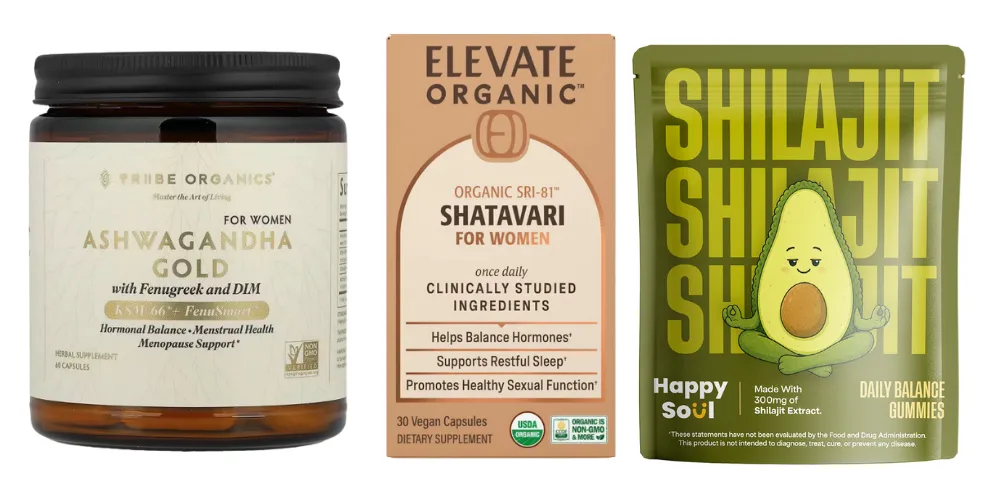
From left, Tribe Organics Ashwagandha Gold for Women, Elevate Organic Shatavari for Women and Happy Soul Shilajit Gummies
Metabolic health: The category connector
Metabolic health is emerging as a unifying platform across weight management, blood sugar support, heart health, hormonal health, energy and sleep. According to a recent NBJ survey, 51% of U.S. consumers are either very or somewhat familiar with the term metabolic health.
The rise of GLP-1 medications helped bring metabolism into the mainstream, but the opportunity extends well beyond consumers using these drugs or pursuing significant weight loss. At the same time, social media and health influencers are making concepts such as insulin sensitivity, glucose regulation and metabolic resilience more relatable and accessible to average consumers. The official renaming of polycystic ovary syndrome (PCOS) to polyendocrine metabolic ovarian syndrome (PMOS) further reflects this shift, recognizing the condition’s connections to glucose regulation, cholesterol, insulin resistance and hormonal health.
As consumers increasingly understand these systems as interconnected, metabolic health will create opportunities across supplements and food and beverage.
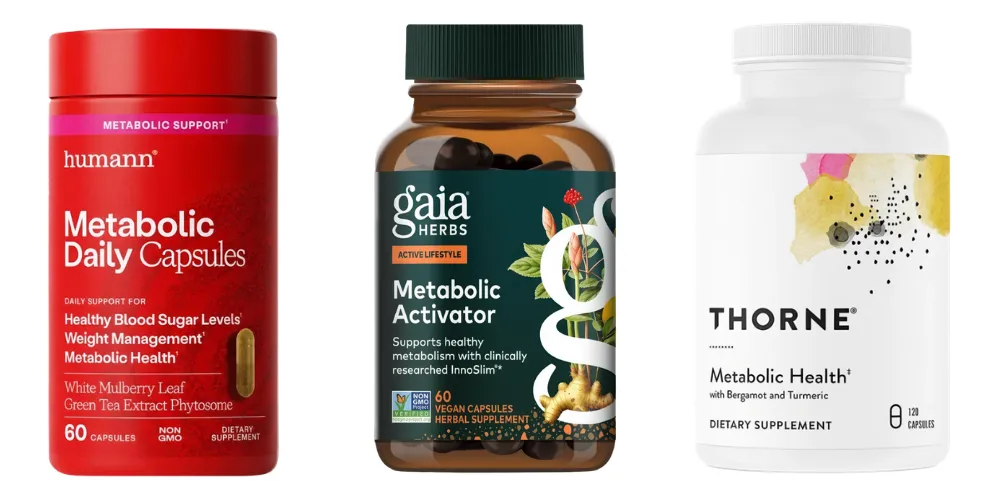
From left, humann Metabolic Daily Capsules, Gaia Herbs Metabolic Activator and Thorne Metabolic Health
Amino acids move beyond sports nutrition
Once associated primarily with muscle building and workout recovery, amino acids are breaking out of the sports nutrition aisle. As brands and consumers gain a more nuanced understanding of amino acids’ roles throughout the body, the proteins are increasingly appearing in products positioned for sleep, stress, mood, cognitive health, healthy aging and cellular protection. But their strong foundation in sports nutrition cements their scientific credibility, as many amino acids and related compounds have been studied extensively because of their use among elite athletes. This research base is helping brands translate complex biological functions into targeted, benefit-led products for a broader range of consumers.
Resurgent ingredients such as L-theanine, which grew by 17.5% in 2025, according to NBJ, and glutathione, which is expected to see double-digit growth through 2027, illustrate how innovation often moves from sports nutrition into the mainstream. Consumers’ growing interest in essential amino acid blends and bioactive peptides provide even more proof. As this crossover continues, amino acids will become increasingly relevant for everyday wellness, offering familiar building blocks in formats and formulations designed for consumers who may not identify as sports nutrition users.
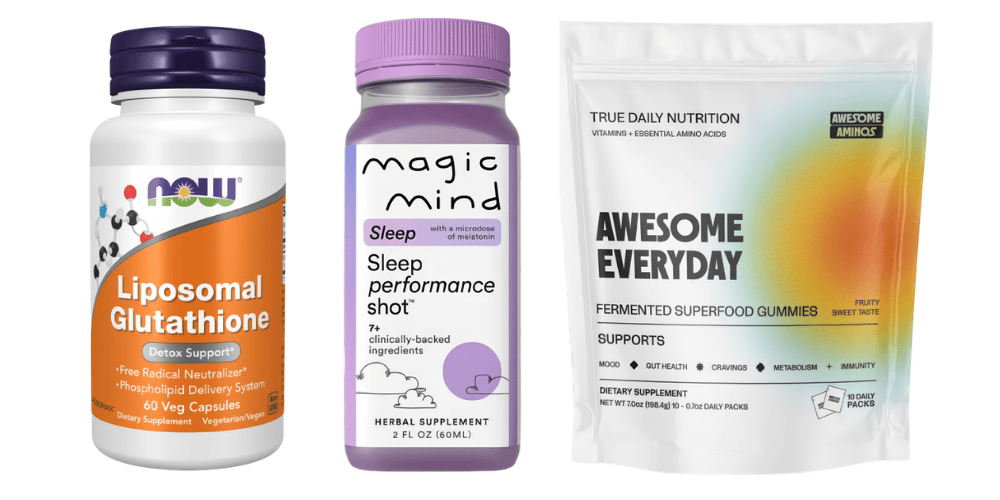
From left, NOW Foods Liposomal Glutathione, Magic Mind Sleep Performance Shot and Awesome Aminos Fermented Superfood Gummies
Reshaping men’s wellness
Men’s health is beginning to develop the same life-stage specificity and functional nuance that has reshaped the women’s health market. The category is expanding beyond generalized multivitamins, muscle building and sexual performance to address fertility, hormonal health, hair loss, stress, metabolic function, healthy aging and changes associated with testosterone across different phases of life. The emergence of men’s hair-growth supplements illustrates how concerns once considered cosmetic can become entry points into a broader conversation about internal health.
NBJ’s consumer research also shows that men are at the forefront of cutting-edge health optimization, over-indexing on identifying as “highly engaged optimizers” who use multiple tools, services or specialists to improve their health, often serving as early adopters. This creates an opportunity to develop more targeted solutions for men while replacing stereotypical, performance-driven messaging with credible, approachable support for common health concerns.
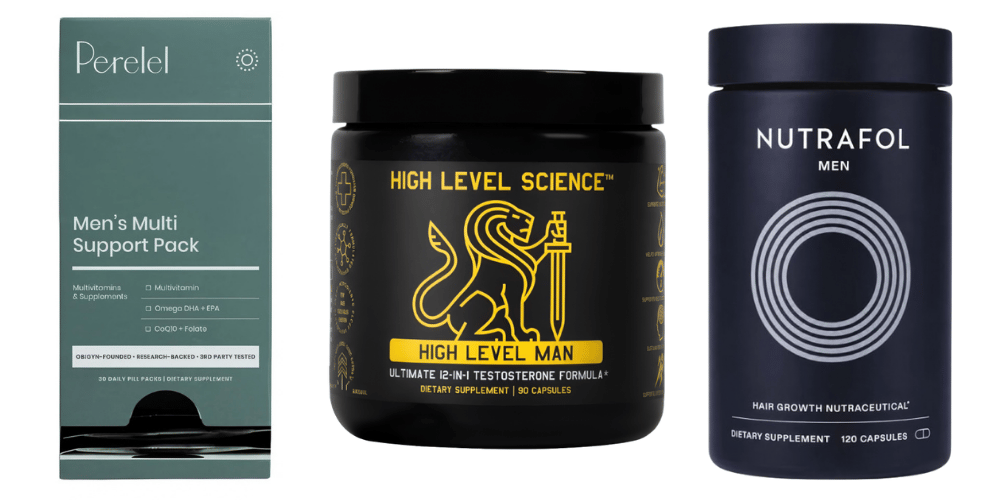
From left, Perelel Health Men’s Multi Support Pack, High Level Science High Level Man and Nutrafol Men Hair Growth Nutraceutical