
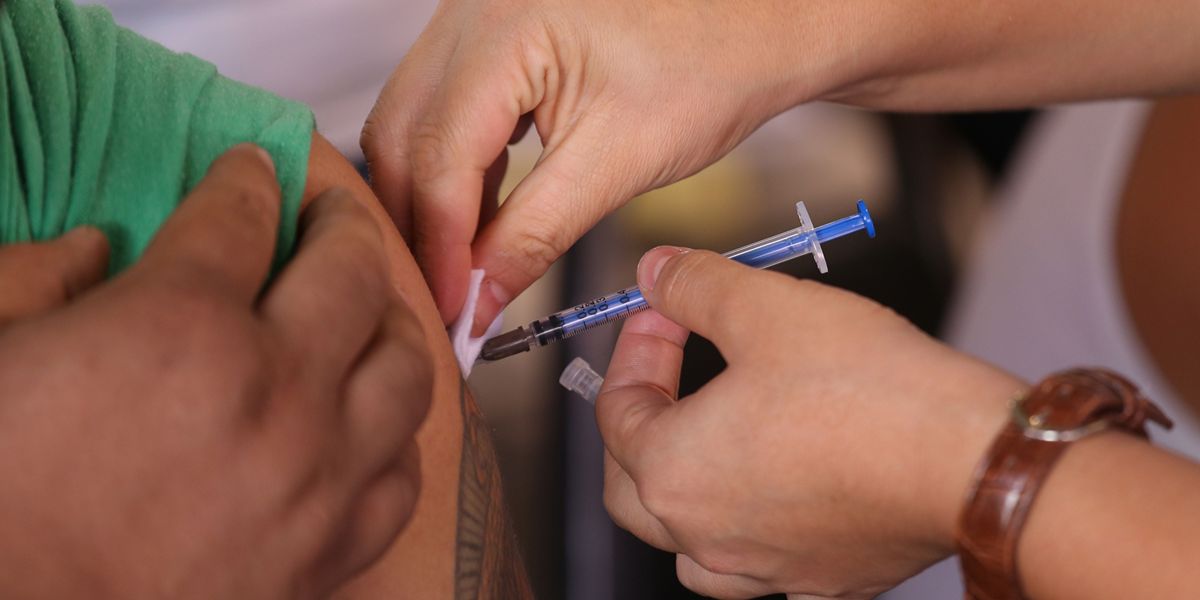
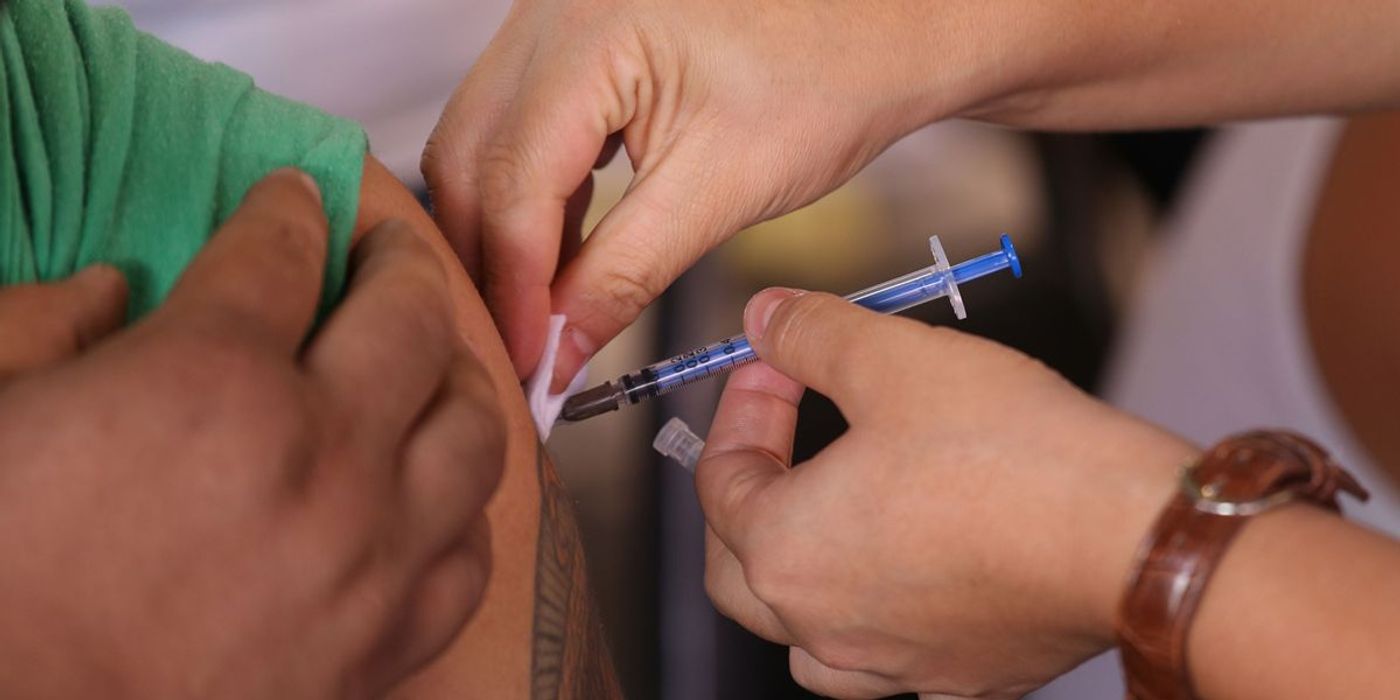
An experimental injection that triggers fat cells to self-destruct reduced abdominal visceral fat in a small analysis of participants from two phase 2 clinical trials, according to findings presented at the European Association for the Study of Diabetes (EASD) conference in Milan.
Visceral fat accumulates deep inside the abdomen, surrounding internal organs. Excessive amounts are associated with insulin resistance, type 2 diabetes and cardiovascular disease.
The drug, CBL-514, is designed to induce apoptosis, a natural process through which cells break down and die. Unlike weight-loss medications that primarily reduce appetite, the injection targets adipocytes, the cells that store fat. CBL-514 has also been investigated for reducing subcutaneous fat, which lies directly beneath the skin.
In the current study, researchers analyzed magnetic resonance imaging (MRI) data from 40 participants who received CBL-514 or a placebo. Participants received injections into the lower abdomen, with treatment continuing for up to 12 weeks.
Four weeks after the final injection, participants treated with CBL-514 had an average 12.01% reduction in visceral fat volume compared with baseline measurements. In contrast, the placebo group experienced an average 5.68% increase.
At a later follow-up, conducted eight to 12 weeks after treatment ended, visceral fat volume remained 10.45% below baseline in the treatment group. Meanwhile, the placebo group experienced an average 11.76% increase.
While promising, the findings do not establish whether reducing fat with the injection improves metabolic health or produces sustained weight loss. The analysis was based on a small subgroup of participants, and detailed results have so far been reported in a conference abstract rather than a full research paper.
The treatment’s safety also requires further investigation. Previous phase 2 research on CBL-514 found that injection-site reactions were common, including pain, redness and swelling. Although most were mild or moderate, some participants experienced severe injection-site pain.
Researchers are also investigating whether CBL-514 could help people maintain weight loss after stopping glucagon-like peptide-1 (GLP-1) medications. In animal studies, combining CBL-514 with tirzepatide reduced weight regain after treatment ended. Whether this approach works in humans remains unknown.
Ultimately, larger clinical trials will be needed to establish the treatment’s long-term safety, durability and potential health benefits. Researchers must also determine whether reducing fat beneath the skin and around internal organs affects fat storage elsewhere in the body.
Sources: ScienceDaily, Science Media Centre, Previous phase 2 study