
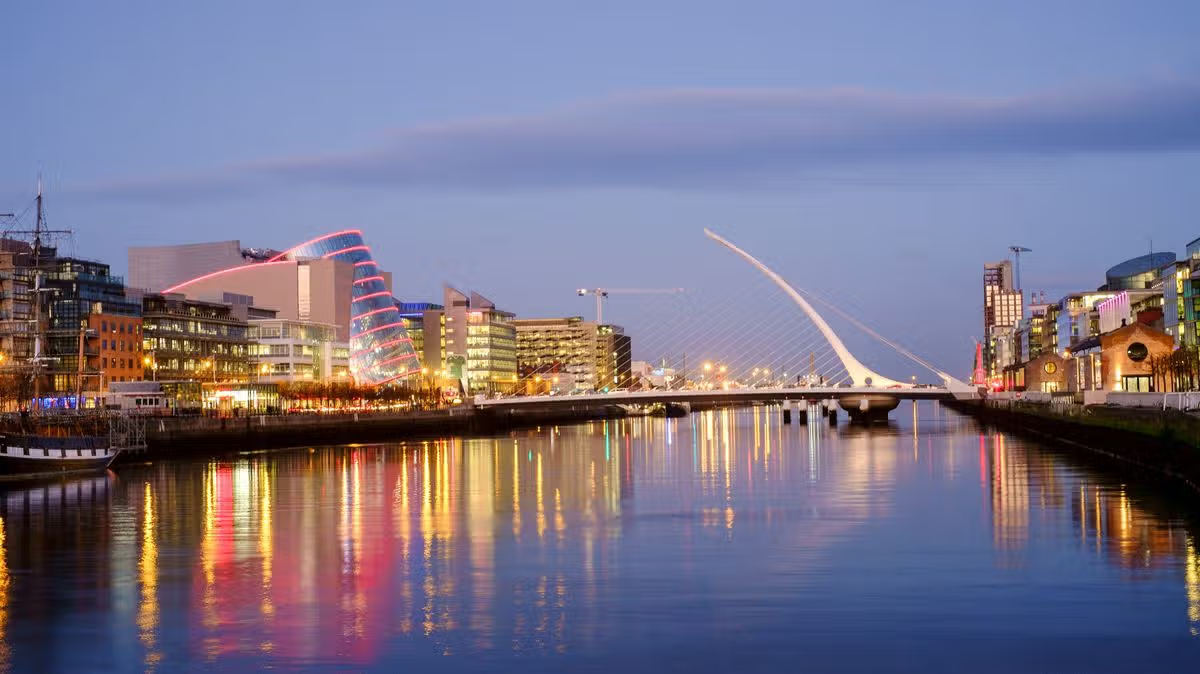
Kildare Wildlife Rescue has warned that in the past 4 years, at least 17 swans have died by crashing into the steel cables of the bridge
15:37, 28 Oct 2026Updated 15:52, 28 Oct 2026
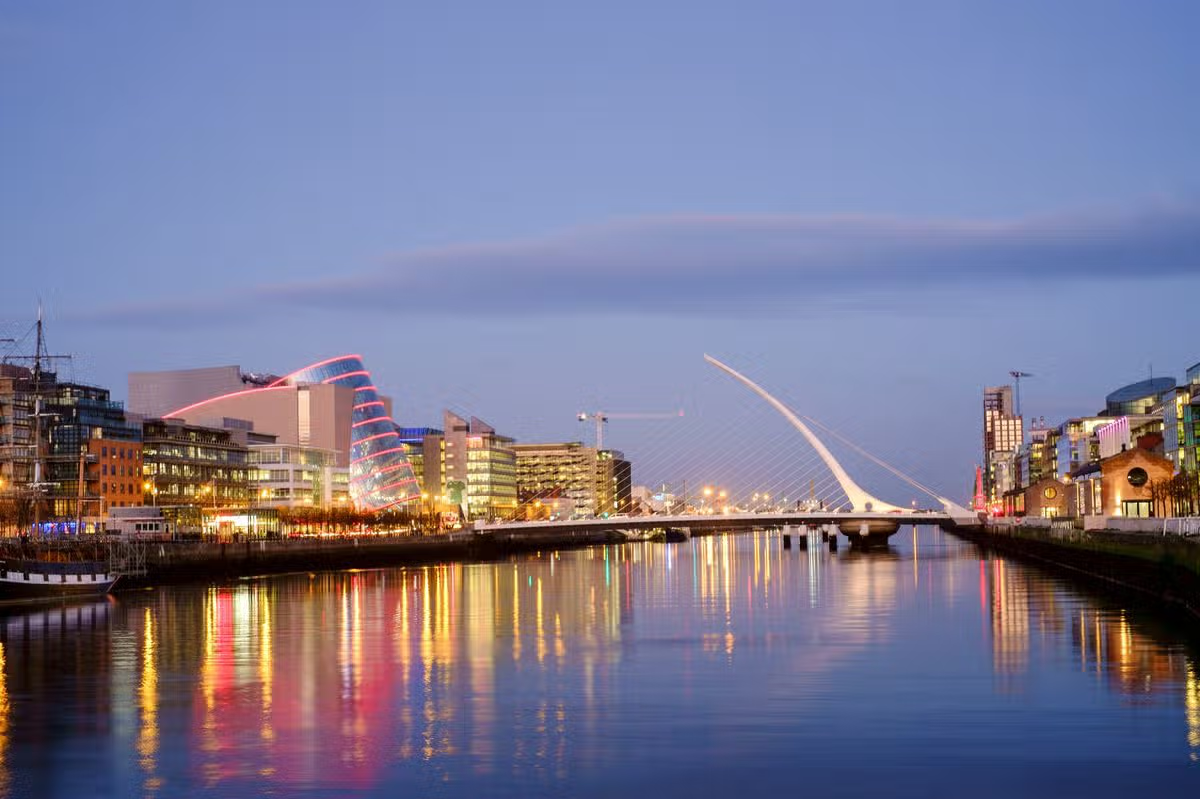
Dusk sky, business building lights and the iconic Samuel Beckett Bridge reflected on the river Liffey in Dublin, Ireland.
Dublin swans are dying due to collisions with the Samuel Beckett Bridge.
Kildare Wildlife Rescue has warned that in the past 4 years, at least 17 swans have died by crashing into the steel cables of the bridge. The Samuel Beckett is designed to look like a harp, with large cables mimicking the strings of Ireland’s national instrument.
Unfortunately for swans, their eyes are located to the sides of their heads, so they can collide directly with the cables as they just cannot see them when they try to fly through them.
Many swans have now faced catastrophic injuries and have had to be euthanised as there is no hope for recovery. Eight have died in 2026 so far.
Wildlife First Responder Andrea Porter said that because swans are quite heavy and can fly at high speeds, when they crash into things it can be devastating.
“Consider that swans are basically one of the largest flying birds that we have, they could range anywhere between maybe at full size, right up to about 15 kilos, sometimes more,” she told Newstalk.
“They would fly right up to maybe 88 kilometres per hour. So, you can imagine the impact of a swan, a very heavy bird, flying at speed, hitting cables. It’s fairly catastrophic, unfortunately.”
Kildare Wildlife Rescue are working to try to figure out what contributing factors may also be at play, and want “proper data” to identify when these incidents are most likely to happen.
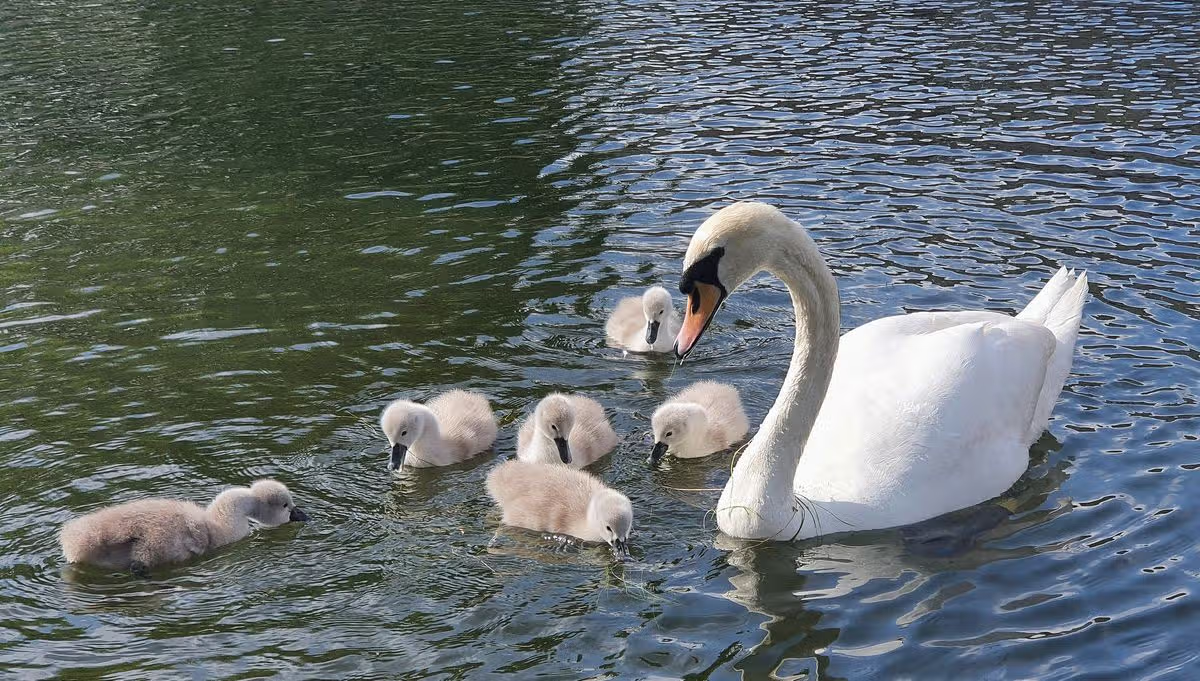
Swan and baby swans, Royal Canal, Dublin
“The swans I’ve responded to have generally been [injured] around high tide,” she said.
“So, if you can imagine the tide goes up and then that vertical space under the bridge isn’t [there], they’re not going to go under the bridge.
“We need to ascertain really whether it’s on the flight path where they’re flying in from around Greater Dublin or it’s when they’re taken off from the water.
“There’s a lot of variables, including light, flight paths, obviously, tide times; that’s something that we really need all the information for, so that maybe we could approach engineers.”
The bridge opened in 2009.
Want to see more of the stories you love from Dublin Live? Making us your preferred source on Google means you’ll get more of our exclusives top stories and must-read content straight away. To add us as a preferred source, simply click here.