

A scabies outbreak has been confirmed at Morriston Hospital in Swansea, with visiting restrictions now in place as measures to stop the spread have been introduced
17:58, 30 Oct 2026Updated 17:58, 30 Oct 2026

Morriston Hospital has been hit by an outbreak of a Victorian-era parasite(Image: Richard Youle)
An outbreak of a Victorian-era parasite has been confirmed at a UK hospital, with staff moving swiftly to contain its spread. “A small number” of cases of scabies have been detected at Swansea’s Morriston Hospital, with visiting restrictions now firmly in place.
Swansea Bay University Health Board confirmed families have been notified of the outbreak. A spokesman for Swansea Bay University Health Board, which covers Swansea and Neath Port Talbot, said: “The health board can confirm a small number of scabies cases at Morriston Hospital.
“Families have been informed and appropriate treatment or guidance has been provided to patients, staff, and relatives. Some visiting restrictions are in place, and we are grateful to relatives for their understanding.
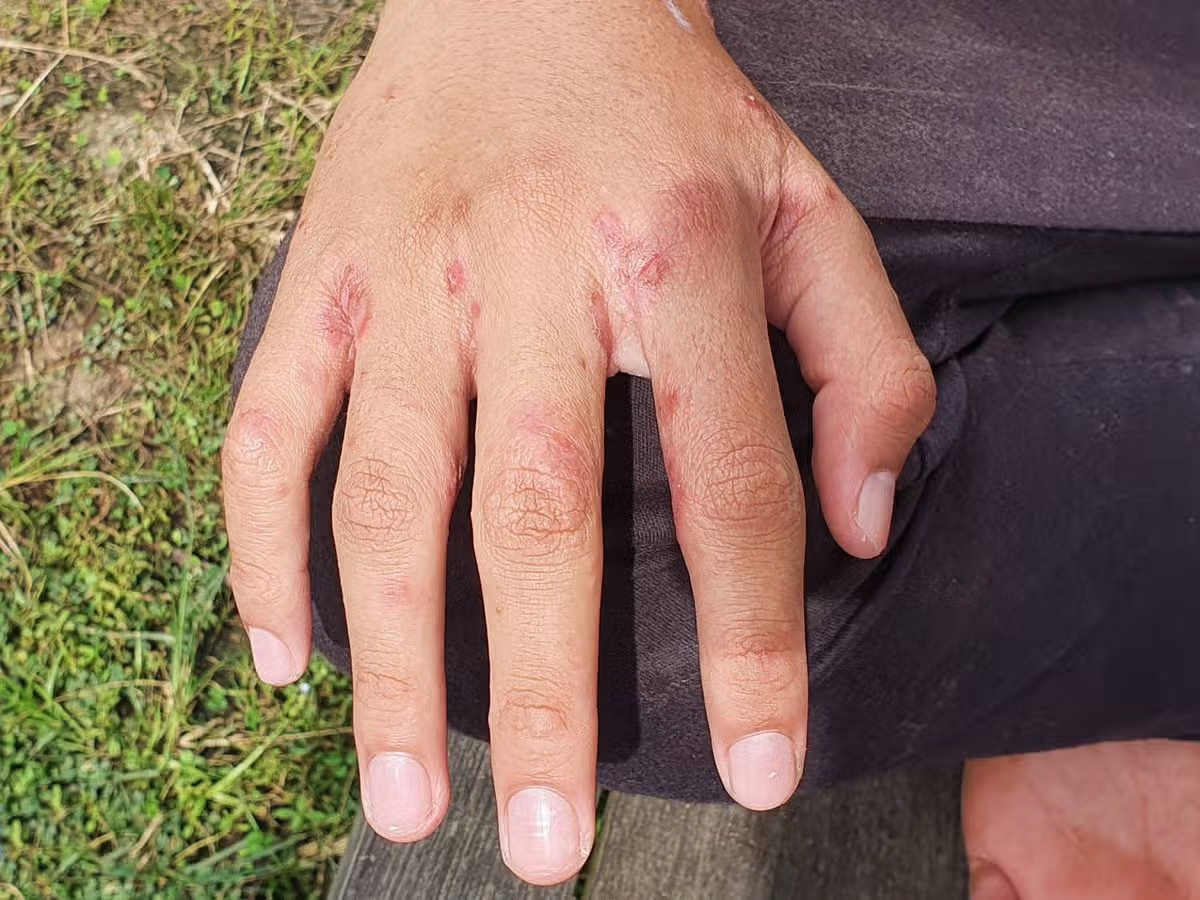
Scabies is caused by nasty eight-legged mites(Image: Getty Images/iStockphoto)
“If anyone has concerns that they might have scabies, they can get advice from their local pharmacy or GP.”
This follows a separate outbreak recorded at Prince Philip Hospital in Llanelli, Carmarthenshire, just last month. Less than a fortnight ago, Hywel Dda Health Board, which oversees the west of Wales, also confirmed it was dealing with “a scabies outbreak” on the Cadog and Dewi Wards at Glangwili General Hospital.
On October 20, the health board stated: “As a precaution, the wards are temporarily closed to new admissions and visitors from today, Tuesday 20 October. The situation is being reviewed regularly and the risk to the wider public remains low.
“The health, safety and wellbeing of our patients, visitors and staff is our priority. We are following national guidance and have taken additional steps to reduce the risk of infection spreading.”
The health board has remained silent on the outbreak since, and its website states: “A number of scabies cases are currently being managed in healthcare and community settings across the Hywel Dda area.”
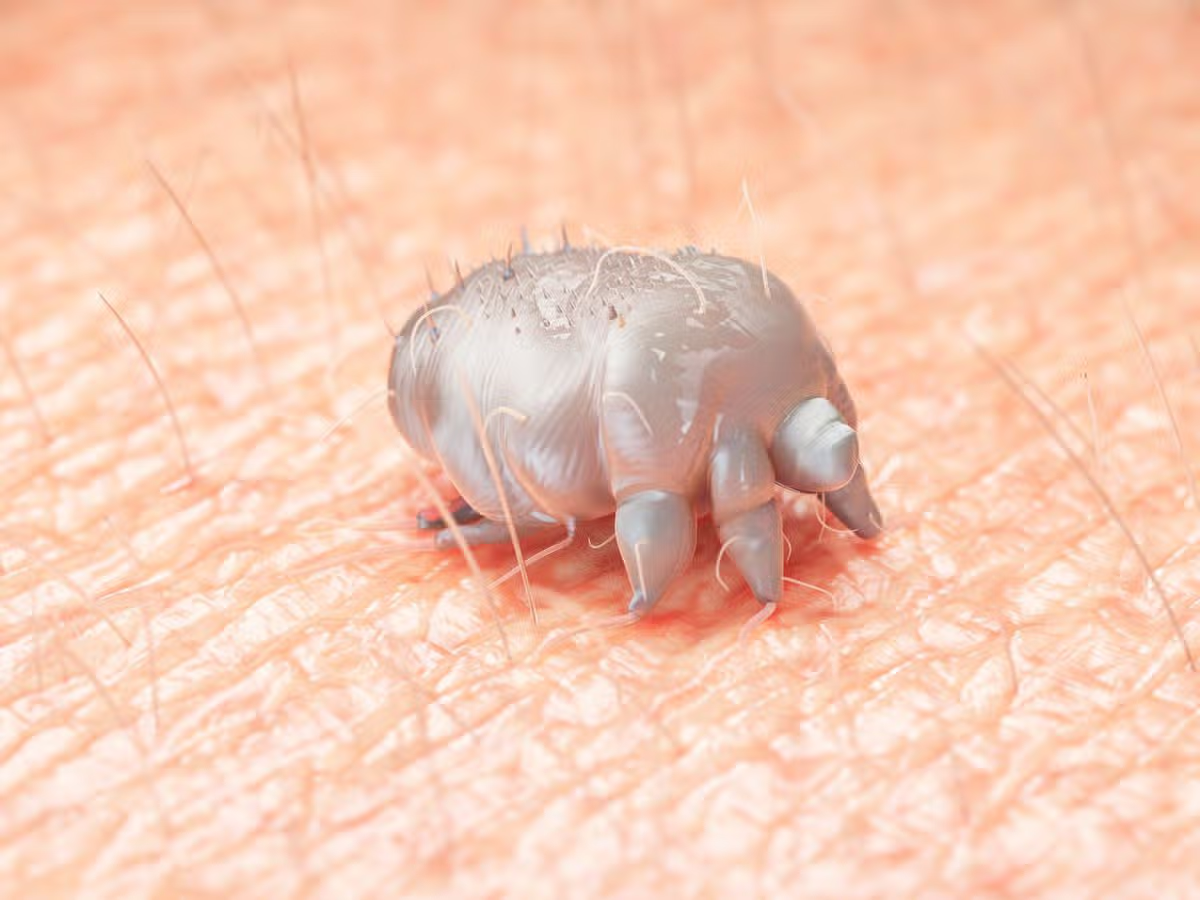
People diagnosed with scabies should begin treatment as soon as possible (Image: Getty Images/Science Photo Library RF)
The nasty parasite can burrow under the skin and lay eggs, leading to a number of health complications. This can leave those suffering from the parasite incredibly itchy and battling blotchy red rashes. These rashes can often be crusty and flaky as areas such as the elbows, knees, feet, hands, and skin between the fingers and wrist can often be affected.
The ailment can often spread to various other parts of the body such as the armpits, waist, groin and bottom. The rashes can sometimes be so severe they lead to secondary bacterial infections.
The UK Health Security Agency states: “Scabies is a parasitic infection of the skin caused by the Sarcoptes scabiei mite, which buries into the skin and causes intense itching and rashes. Transmission from person to person occurs through close physical contact including, but not exclusively, sexual contact.”
Scabies requires treatment to go away, and infections don’t pass with time. According to experts, scabies is not usually a serious condition, but it does need to be treated.
The NHS added: “Scabies is an itchy rash caused by mites. It’s spread through close skin contact, and anyone can get it. It should be treated quickly to stop it spreading.
“Adults and children aged five years or over can go back to work or school as soon as they have started treatment, but it’s important to avoid close contact with other people for the first 24 hours. Children under five years old can go back to nursery or pre-school 24 hours after the first treatment.”