
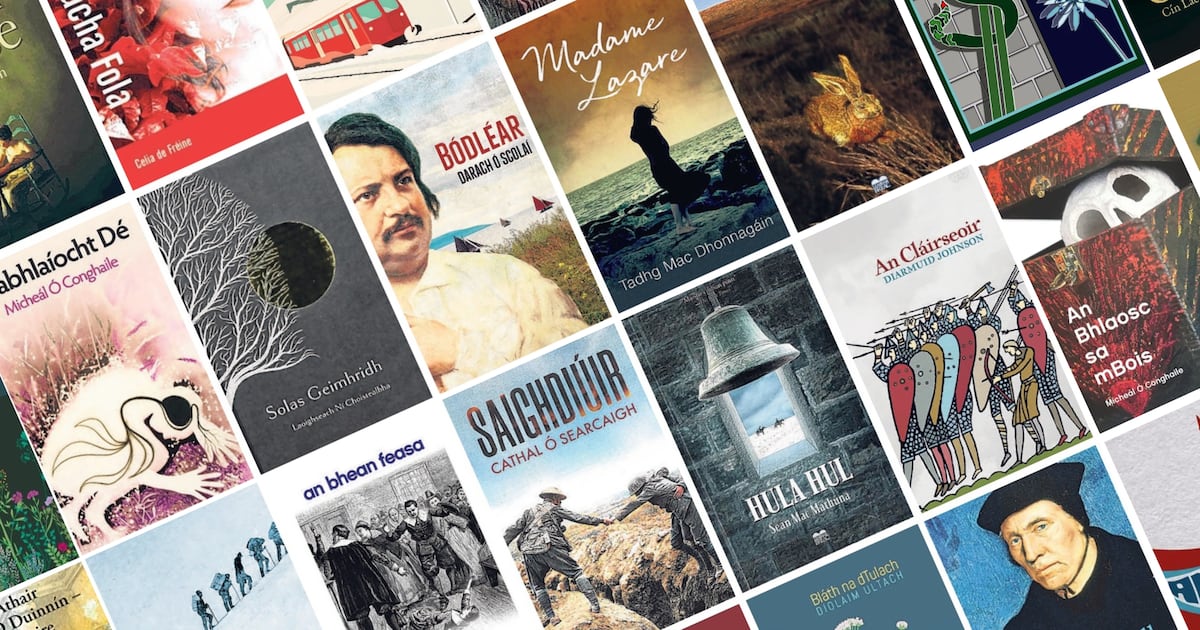
The absence of any Irish-language titles from last year’s survey in The Irish Times of what Irish critics, writers and academics considered to be the 100 best works of Irish fiction of the century so far prompted a few Irish speakers to point out that it was limited to the best Irish fiction in English.
While several selectors were native speakers who both read and write in Irish as well as in English, the majority were not, which placed Irish-language titles at a disadvantage, despite a flourishing Irish-language publishing industry, particularly serving younger readers.
Today we present the results of a survey of 35 experts, whom we invited to list their 25 favourite titles in Irish published since 2000.
Our colleague Cian Traynor painstakingly assembled a list of more than 400 works of fiction, nonfiction and poetry, aimed at both children and adults, which served as an aide-memoire for our selectors, who were also free to nominate their own titles. The only caveat was that writers could not pick their own works, should modesty alone not forbid it.
The result is an impressive list of 50 books, which should serve as an attractive reading list for readers keen to practise their Irish, familiarise themselves with an integral part of our literary culture, and expand their horizons.
Irish prose writing, long the poor relation to poetry in Irish, is now thriving. Unlike poetry, it is seldom if ever translated into English, which shows the novels are being read in the original language. Many titles deal with historical themes as if the current revival of interest in Irish is leading to a revisiting of key periods in the language’s changing fortunes.
Regrettably, the list does not reflect the vibrancy of children’s literature in Irish, such as Rita agus an tEachtrán by Máire Zepf, illustrated by Andrew Whitson – the best-selling Irish-language title this year, with more than 2,000 sales.
Comhar, the Irish-language magazine, published its own list recently; our thanks to Tristan Rosenstock and Bridget Bhreathnach for their assistance.
Madame Lazare by Tadhg Mac Dhonnagáin, our winner, may well confound preconceptions about where fiction in Irish might be set: the Aran Islands, sure, but also London in the second World War, present-day Paris, and the Brussels of Irish-language translators.
Bódléar by Darach Ó Scolaí was in second place, one of his three books in the top 50, just ahead of An Litir by Liam Mac Cóil, the first of a swashbuckling historical trilogy, all of which make the list along with a fourth title. Biddy Jenkinson has four titles in the top 50, and Micheál Ó Conghaile and Diarmuid Johnson three apiece.
50Rince Aeir by Caitríona Ní Chléirchín (Éabhlóid, 2024) 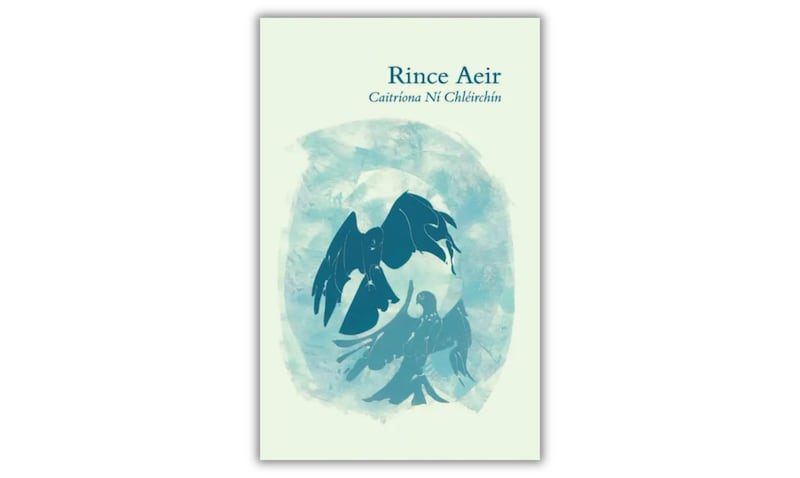
From Emyvale, Co Monaghan, Ní Chléirchín is an Irish-language lecturer at Dublin City University. Her first collection, Crithloinnir, won first prize in the Oireachtas competition for new writers in 2010. An Bhrídeach Sí, her second collection, won the Michael Hartnett Prize in 2015. This, her third, was nominated for the 2025 Gradam Uí Shúilleabháin awards.
49 Criss-Cross Mo Chara by Gearóid Mac Lochlainn (Clo Iar-Chonnacht, 2011)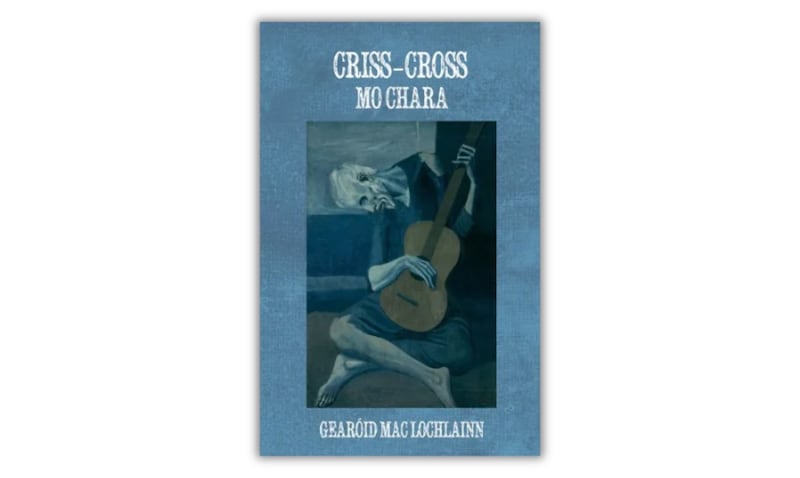
Mac Lochlainn’s beat-up anti-heroes are shape-shifters that hover between cultures. His characters flip a finger at traditions of Irish poetry, translation and storytelling. They leap back and forth, from Bardic to spaghetti westerns, from Mississippi blues to sean-nós, weaving a journey that explores the creative process itself.
48Bealach na Spáinneach by Liam Mac Cóil(Leabhar Breac, 2019)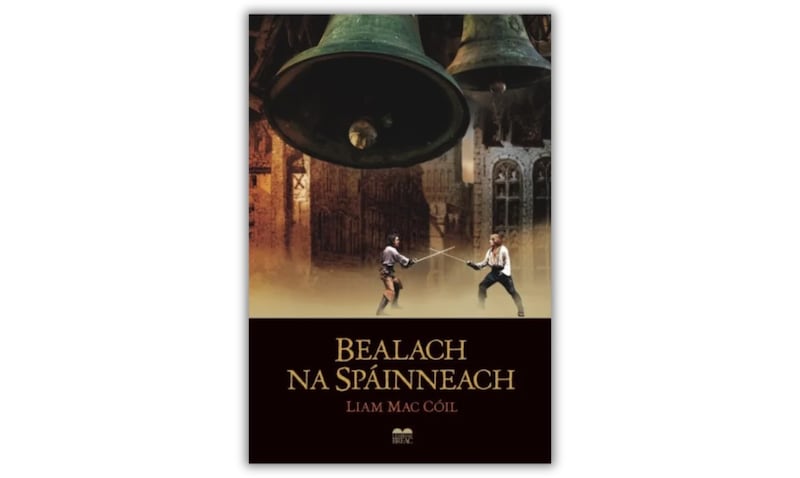
The final part of the Lúcás Ó Briain trilogy. In 1612, a gifted Galway student and swordsman is entrusted with an important letter to deliver to Aodh Mór Ó Néill, Earl of Tyrone, in Rome, where he is seeking the help of Philip of Spain. In pursuit is the enemy’s most devious, brutal spy.
47Dialann mo Mháthar by Pádraic Breathnach(Cló Iar-Chonnacht, 2018)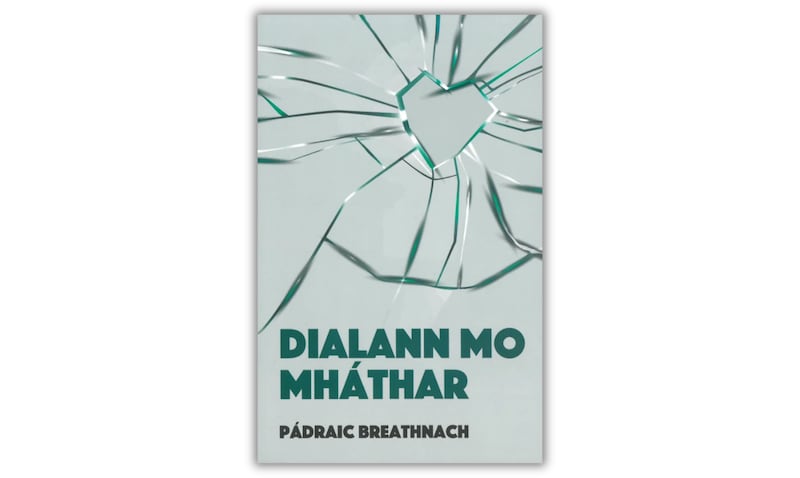
Shortlisted for Gradam Uí Shúilleabháin 2018, the Oireachtas na Gaeilge award for Irish-language book of the year, this novel deals with marital infidelity, seen through the eyes of the couple’s grown-up daughter, Éabha, who finds her mother’s old diary in the attic.
46An Cláirseoir by Diarmuid Johnson (Leabhar Breac, 2025)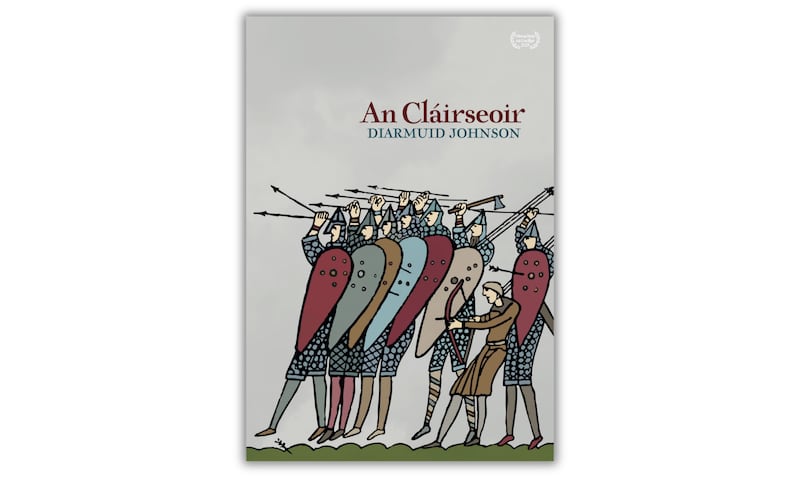
“An Cláirseoir (The Harpist) is a masterpiece that will, I am sure, be ranked among the great novels of the Irish language,” wrote Prof Máire Ní Annrachái. In 1169, a Norman force in Wales was preparing to invade Ireland. But why? This is their story, and ours.
45 Filleann Seoirse by Eilís Ní Anluain(Leabhar Breac, 2011)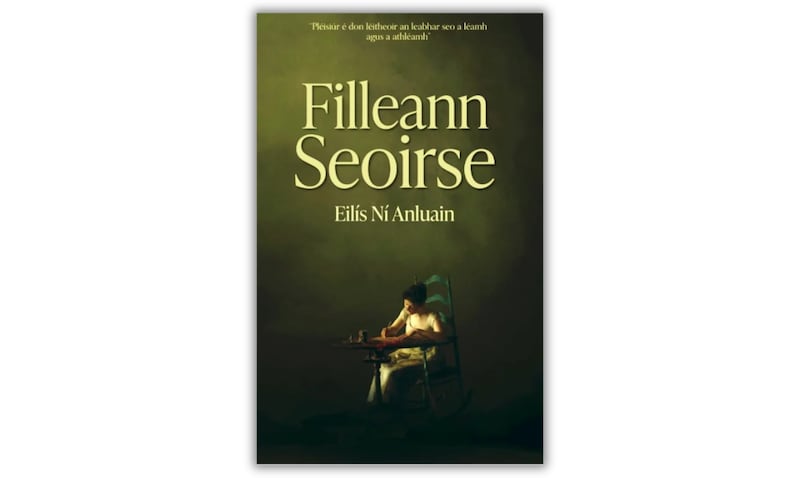
A lyrical, thoughtful debut novel set in a seaside town in contemporary Ireland. A young woman, Lís, risks her life with husband Muiris and their young children by falling in love with their friend Seoirse after he moves in with them.
44Fontenoy by Liam Mac Cóil(Leabhar Breac, 2005)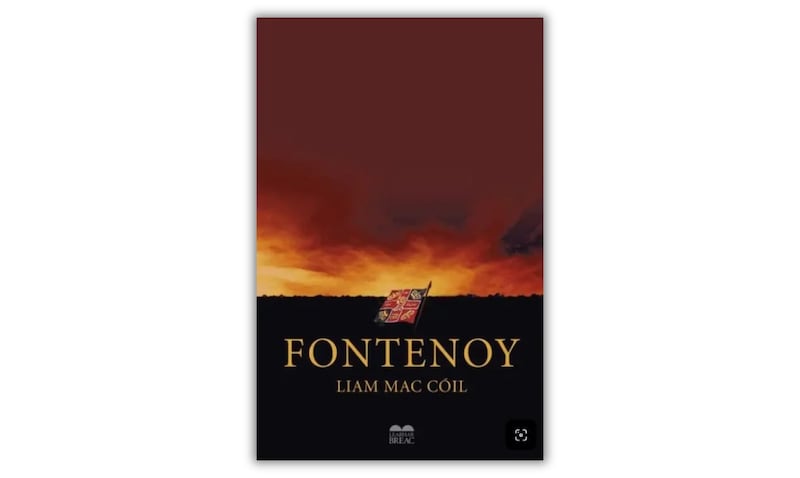
“The recreation of the world of the Irish soldiers of 250 years ago in their own language is a work of artistry of the first order. There is no other novelist in Irish today who writes with the same care, precision and clarity. The novel is a pleasure to read, and is a work of art,” wrote Alan Titley in The Irish Times.
43Diabhlaíocht Dé by Micheál Ó Conghaile(Cló Iar-Chonnacht, 2015)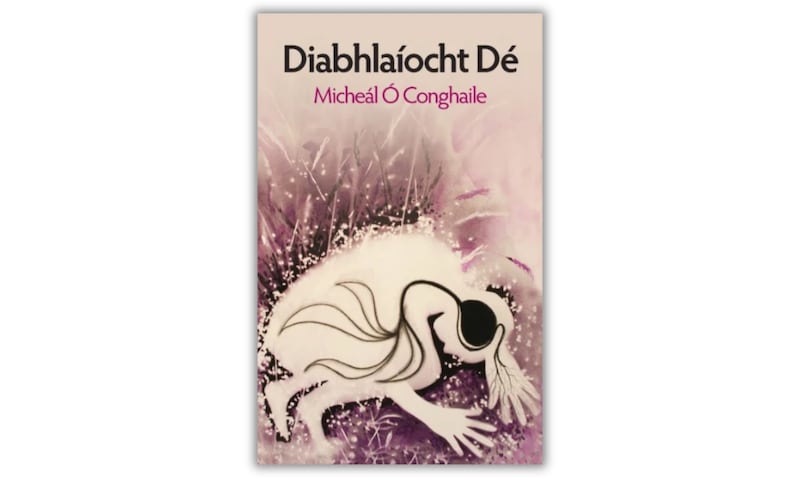
These are mad stories, in which God plays tricks on humanity. Some stories have a biblical flavour, such as Lazarus and Judas Iscariot. Others might come from folklore or mythology: animals that have a talent for speech, and people who have animals as parents or spouses.
42An Ghluaiseacht by Rónán Mac Con Iomaire(Cló Iar-Chonnacht, 2024)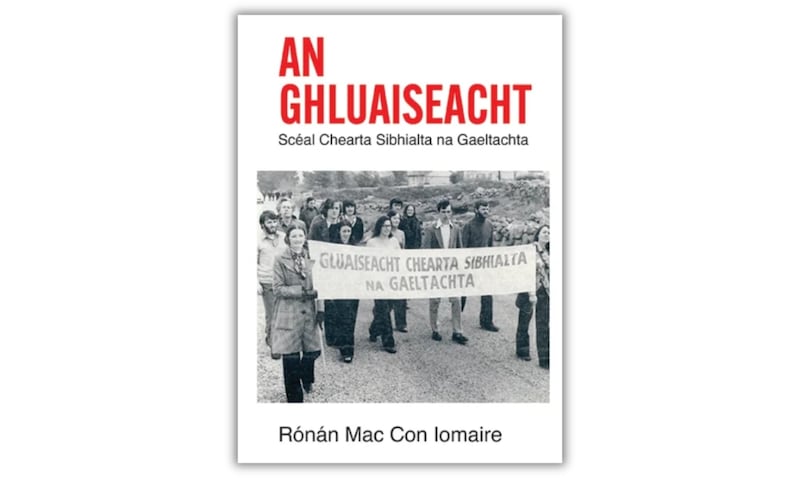
This is the history of the Gaeltacht Civil Rights Movement – the catalyst for Raidió na Gaeltachta, Údarás na Gaeltachta and TG4 – from its inception in 1969 in Teach Furbo, Connemara, to its gradual demise in the late 1970s. The angry, energetic movement provides fascinating material. Mac an Iomaire writes like a novelist, ensuring the history is riveting.
41Sliocht ar Thír na Scáth by Breandán Ó Doibhlin (Coiscéim, 2018)
A priest from Co Tyrone, Ó Doibhlin (1931-2023) set this, his third novel, in a bardic school in his native county, celebrating its rich Gaelic heritage. However, he was also a professor of French influenced by France’s literary tradition, wrestling with large subjects such as the meaning of life, forgiveness, identity and homeland.
40A Bhean Óg Ón … by Máire Mhac an tSaoi(Cló Iar-Chonnacht, 2001)
Máire Mhac an tSaoi, the daughter of 1916 revolutionary Seán McEntee, was best known for her modernist Irish poetry, However, A Bhean Óg Ón… is a novella about the relationship between Piaras Feiritéar, the 17th-century Kerry poet, clan chief and folk hero, and Meg Russell, for whom he composed some of the greatest love poetry.
39Sáirséal agus Dill 1947–1981 by Cian Ó hÉigeartaigh agus Aoileann Nic Gearailt (Cló Iar-Chonnacht, 2014)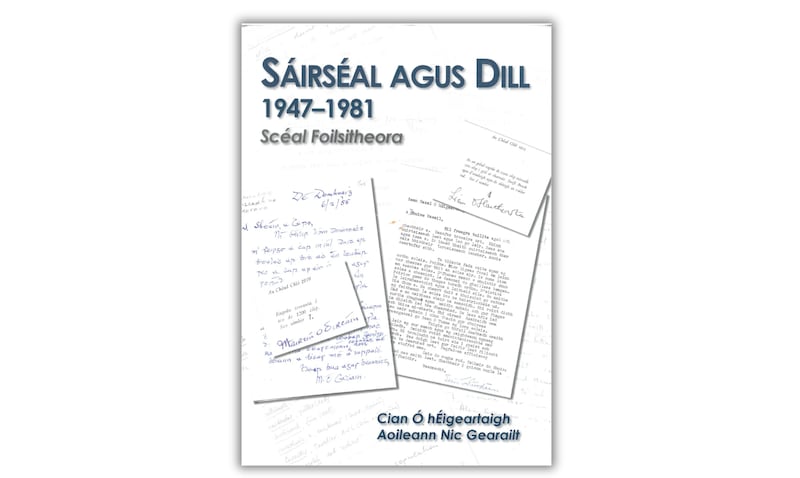
The children of Seán Sáirséal Ó hÉigeartaigh and Bríd Ní Mhaoileoin, the founders of Sáirséal agus Dill, recount the history of the pioneering publisher, whose titles included Máirtín Ó Cadhain’s Cré na Cille and the poetry of Seán Ó Ríordáin and Máire Mhac an tSaoi.
38I dTír Strainséartha by Liam Mac Cóil(Leabhar Breac, 2014)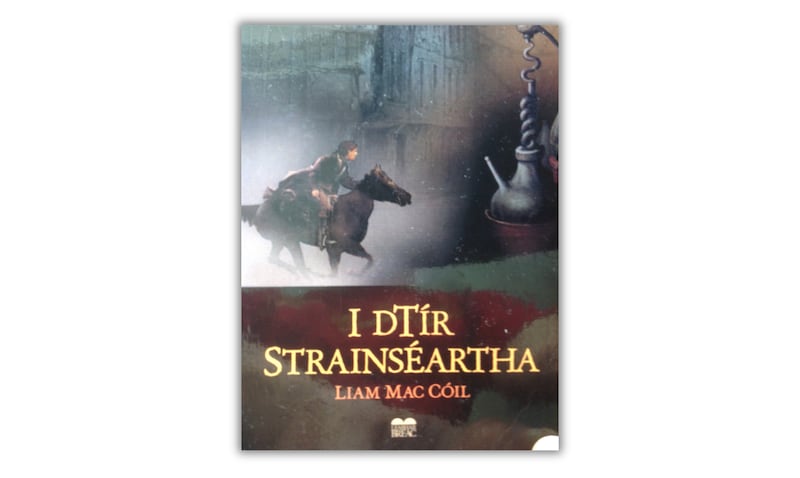
The second book in Mac Cóil’s historical fiction trilogy tells the story of gifted swordsman Lúcas, who is entrusted with an important letter to be delivered into the hands of Aodh Mór Ó Néill, Earl of Tyrone in Rome.
37Ólann mo Mhiúil as an nGainséis by Gabriel Rosenstock (Cló Iar Connacht, 2003)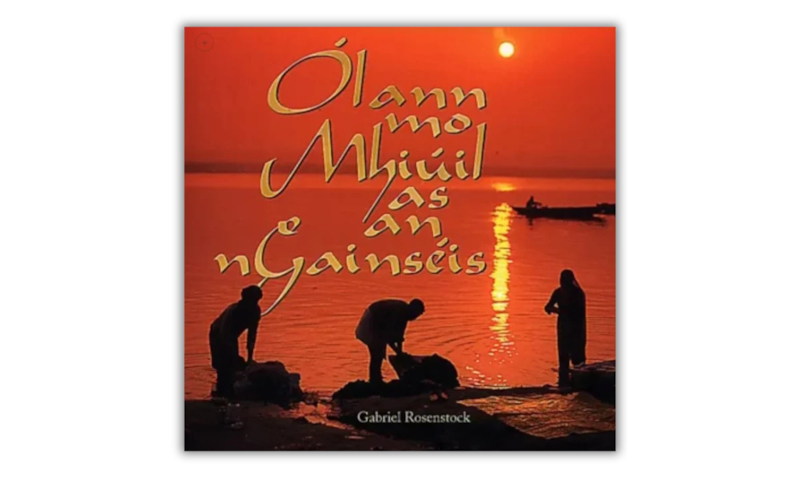
Gabriel Rosenstock and his wife travel through Dubai, India, Hong Kong, Japan, Australia, Chile and the US, recounting their physical and spiritual journey. As well as a memoir, this book is peppered with haikus.
36Súil an Daill by Darach Ó Scolaí(Leabhar Breac, 2021)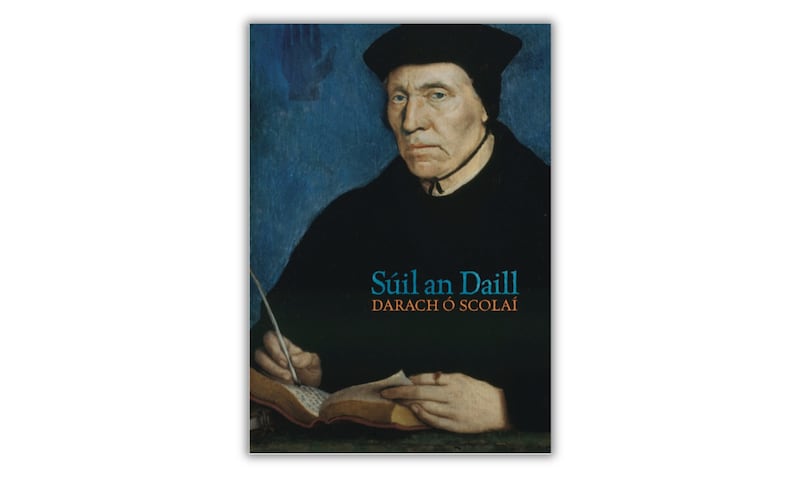
Set in mid-16th century Gaelic Ulster, a region under growing threat from English forces, this historical fiction follows Conchúr Mac Ardail, a Machiavellian figure in the court of the 1st Earl of Tyrone.
35Fiacha Fola by Celia de Fréine(Cló Iar-Chonnacht, 2004)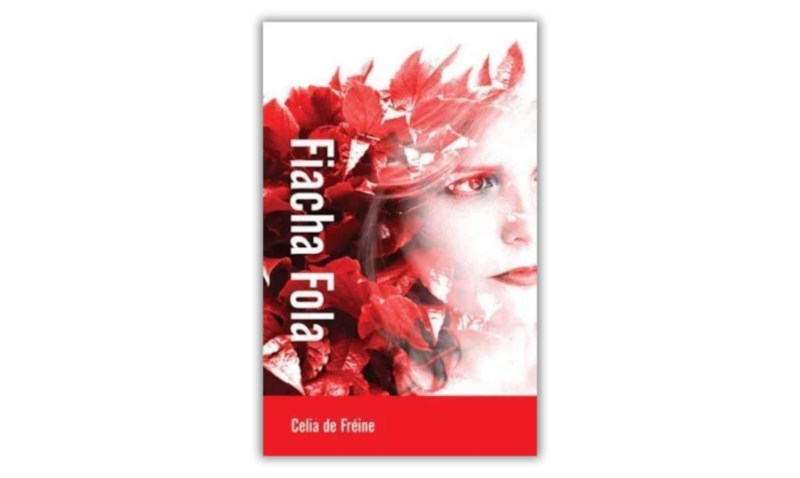
Fiacha Fola, or Blood Debts, is a collection of poems about the Hepatitis C scandal, of which Celia de Fréine was a victim in 1977. Writing in The Irish Times ahead of the release of its English translation, de Fréine said, “One reviewer of Fiacha Fola referred to my voice as angry. No doubt about it. I was livid.”
34Seacht dTír, Seacht dTeanga by Diarmuid Johnson(Leabhar Breac, 2021)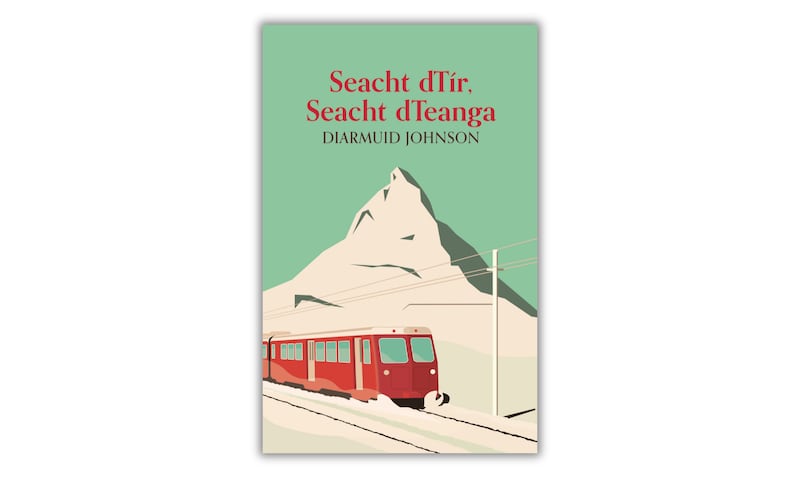
Spanning Inverness to Bucharest, this travel book about language, featuring anecdotes from the Welsh-Irish writer, won the Oireachtas na Samhna prize for best prose in 2021.
33Cé a Mharaigh Emma Mhic Mhathúna? agus dánta eile by Louis de Paor(Éabhlóid, 2024)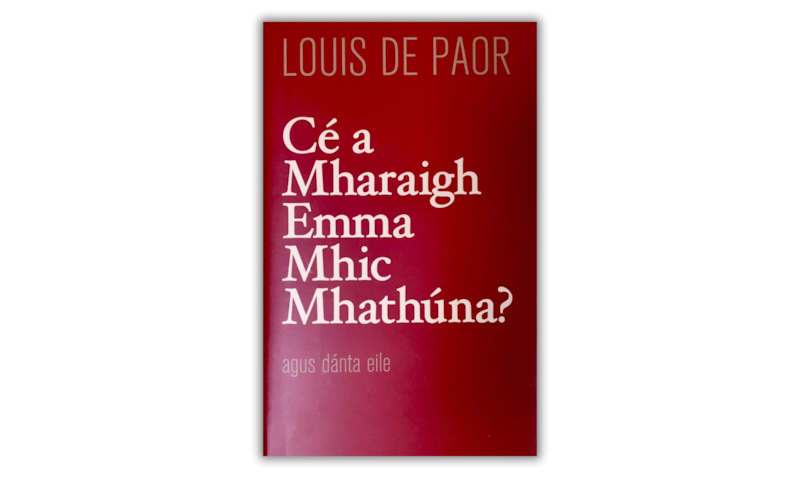
A poetry collection about Irish speaker and activist Emma Mhic Mhathúna, who died in 2018. Her story first came to national attention after she explained live on Raidió na Gaeltachta how she was one of the women affected by the CervicalCheck cancer scandal.
32EL by Thaddeus Ó Buachalla(Coiscéim, 2022)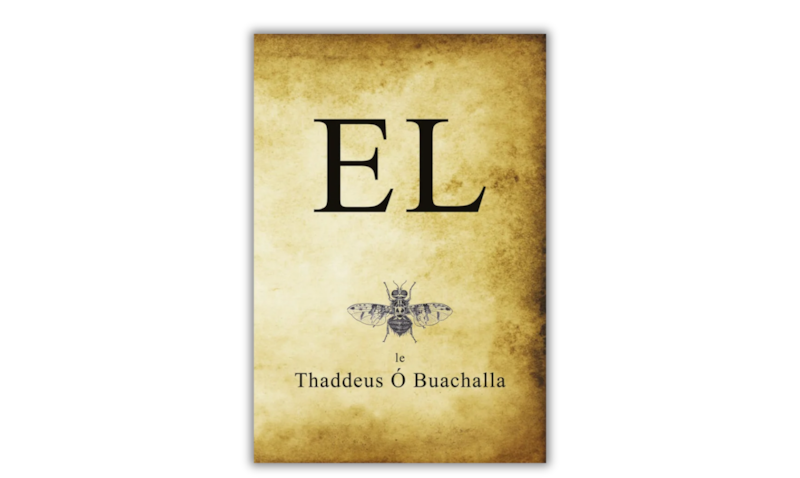
The 2022 Irish Language Book of the Year opens with Seán, an Irish-language student, and his housemate Peadar, a physics student, who discover microscopic blue men crawling from the head of a crushed fly. In this speculative fiction, the discovery reveals a conspiracy that stretches from Galileo’s revolutionary revelations to Brexit.
31Saighdiúir by Cathal Ó Searcaigh(Leabhair Breac, 2023)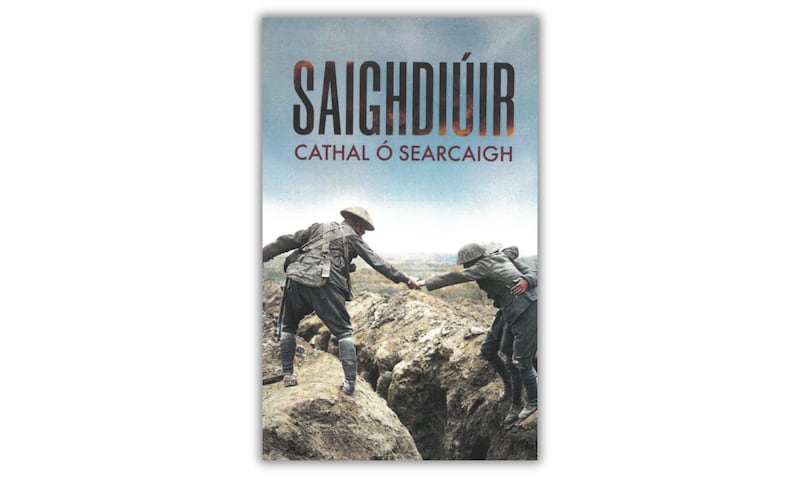
This anti-war novel follows Maitiú Mac Suibhne from Donegal, who enlists in the British army in the first World War with his friend Domhnall Ó Gallchóir, along with 200,000 other Irish men.
30Mé Suibhne by Feargal Ó Béarra(Leabhar Breac, 2021)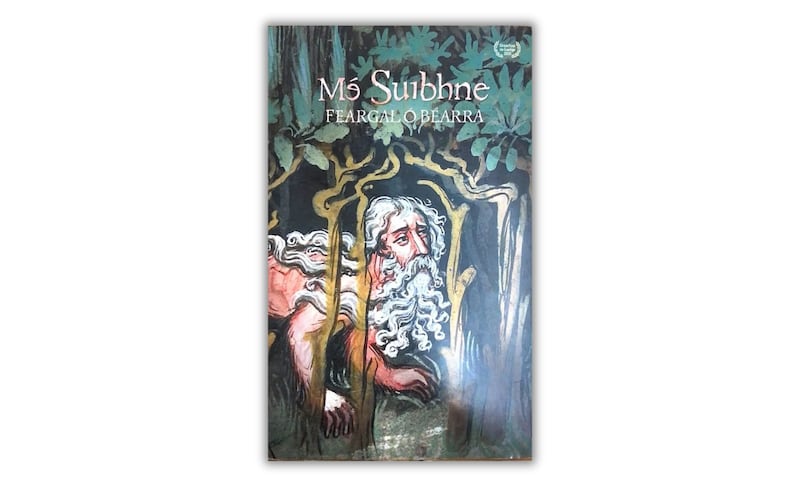
A retelling of the old Irish tale Buile Shuibhne, the Madness of Suibhne – a king who was driven insane by the curse of a saint – Ó Béarra’s version emphasises mental illness.
29Ó Chéitinn go Raiftearaí, Mar a cumadh stair na hÉireann by Vincent Morley(Coiscéim, 2011)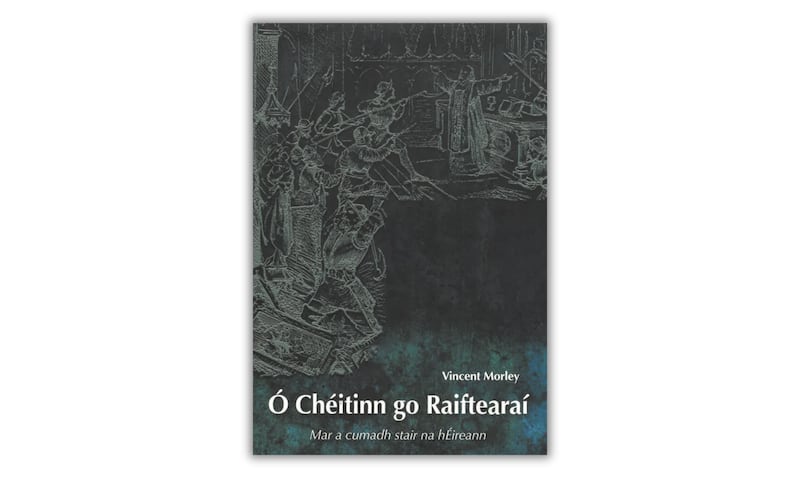
This academic work analyses and criticises the failure of historians to engage with and correctly situate Irish-language sources when writing about Ireland. Scattered in the text are five poems from the 1600s that show the growth of the Irish oral history tradition, one of which is Tuireamh na hÉireann.
28Oíche Bhealtaine by Biddy Jenkinson(Coiscéim, 2005)
Oíche Bhealtaine, or May Eve, which marks the start of the Irish summer, is one of eight volumes of poetry by Biddy Jenkinson with Cóiscéim. The titular poem takes inspiration from a 9th-century poem about the tragic love story of Líadaine agus Cuirithir.
27An Cléireach by Darach Ó Scolaí(Leabhar Breac, 2007)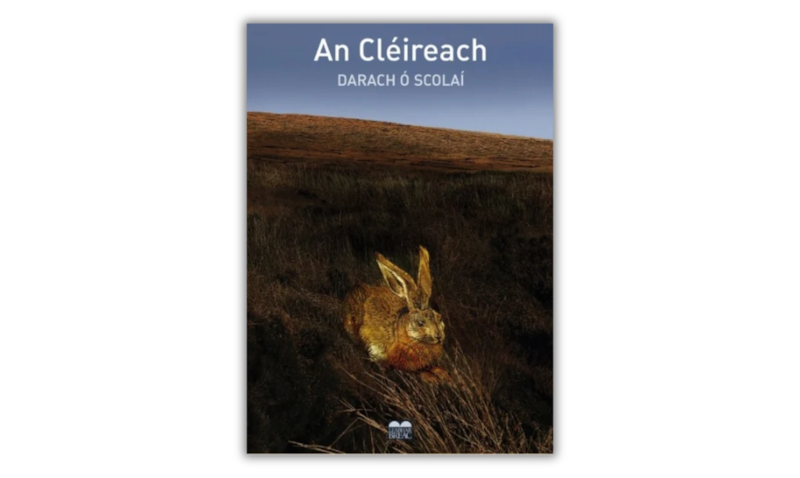
Set during the English Civil War and in the midst of the Cromwellian invasion of Ireland, An Cléireach takes places in north Munster in 1650, when a band of poets and soldier-scribes, heedless of the enemy’s advance, spend the night storytelling and dreaming.
26An Tionscadal by Tomás Mac Síomóin(Coiscéim, 2007)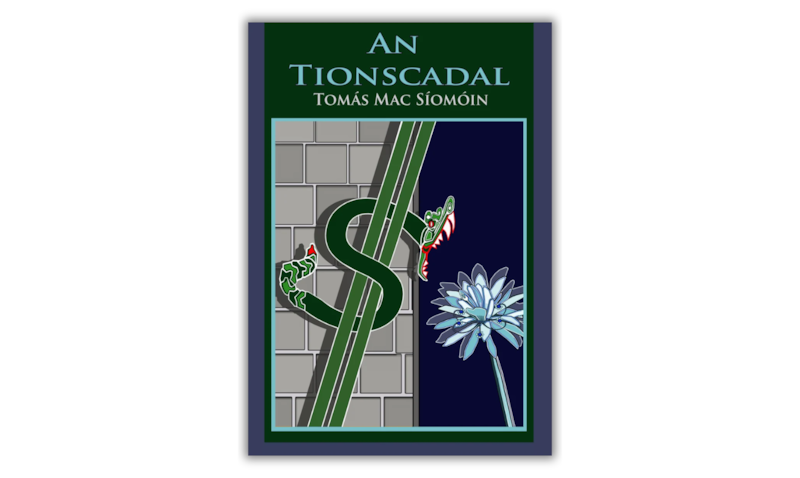
A biology lecturer, Mac Síomóin was also a prominent Irish language writer and Marxist who translated the Communist Manifesto into Irish. Our narrator is Daithí Ó Gallchóir, an Irish employee of a multinational pharmaceutical company in the Pyrenees. The novel won the Oireachtas literary award in 2007 for best novel.
25Mainistir na Feola by Laoighseach Ní Choistealbha(Barzaz, 2025)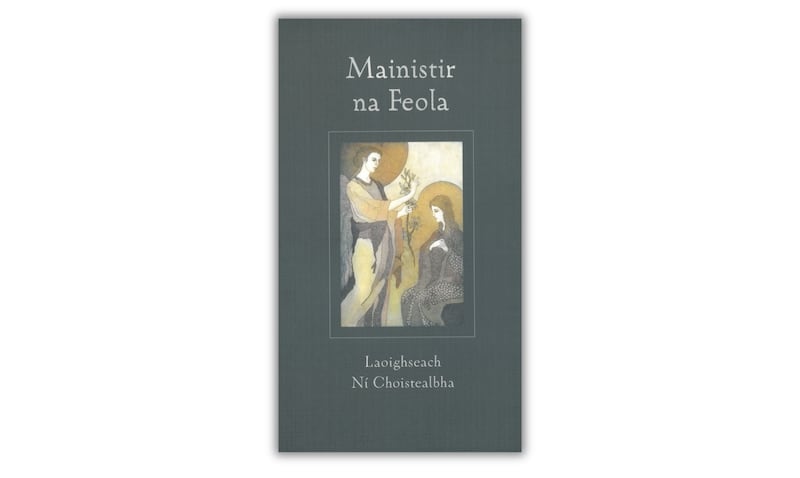
Born in 1994 and raised in Donegal, poet Laoighseach Ní Choistealbha followed her debut, Solas Geimhridh, with this collection, which deals with human rights, religion and the body. St Lucy and the Eye Doctor/San Luíseach agus Lia na Súl (Bloodaxe, 2027), her first Irish-English dual-language edition, with translator Ellen Corbett, draws on both collections as well as later work.
24Solas Geimhridh by Laoighseach Ní Choistealbha(Barzaz, 2023) 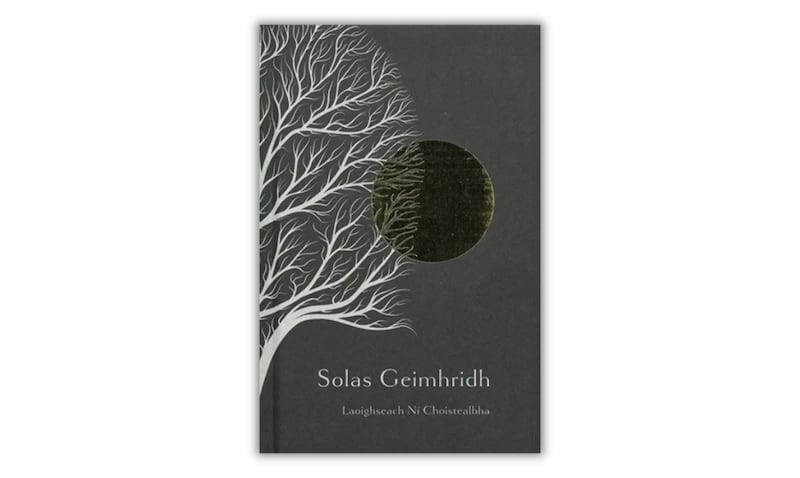
In her first poetry collection, the Donegal writer explores identity, the physicality of the body, and the power and connection of art in the volume. She won the Foras na Gaeilge Award at Listowel Writers’ Week in 2023.
23An Fear nach nDéanann Gáire by Micheál Ó Conghaile(Cló Iar-Chonnacht, 2003) 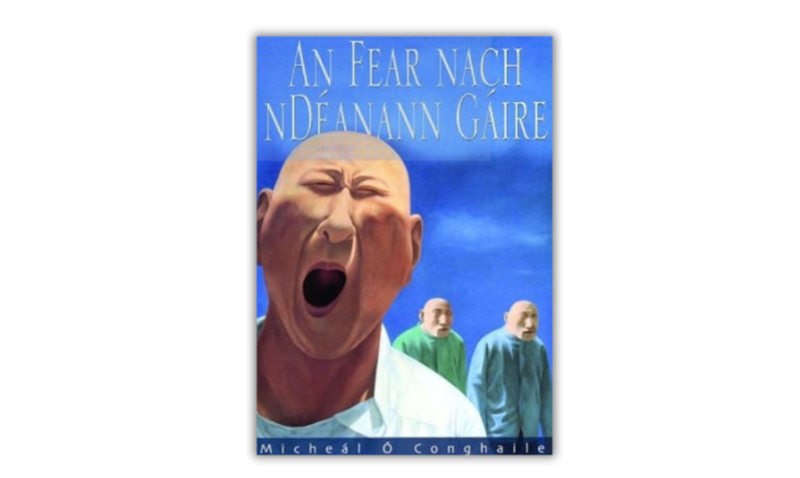
This absurdist and offbeat short story collection deals with the sadness of the deserted train station, a leg severed by a cannibal, and estate agents.
22Imram agus scéalta eile by Róise Ní Bhaoill(Éabhlóid, 2022)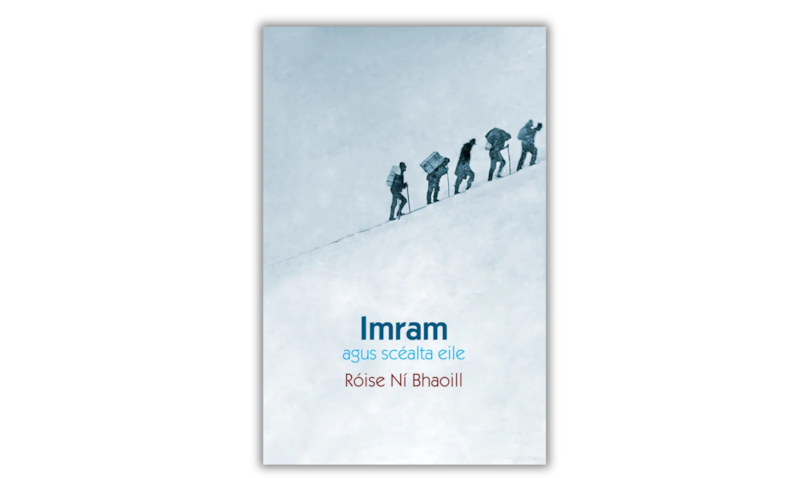
Perhaps best known for her work with Ultach, established in 1989 to promote the Irish language in the North, Ní Bhaoil’s debut collection of short stories won Irish Language Book of the Year. The anthology follows characters on journeys and deals with the theme of migration.
21Gluaiseacht by Alan Titley(An Gúm, 2009)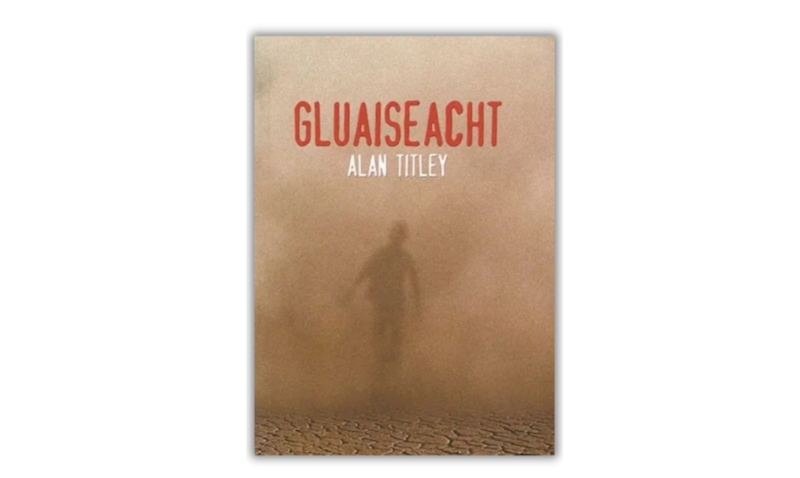
A first-person narrative fiction for young adults that begins in a part of Africa under threat of war. It is told from the perspective of a young man who ends up homeless on the unwelcoming streets of Europe.
20Sa Teach Seo Anocht by Micheál Ó Conghaile(Cló Iar-Chonnacht, 2019)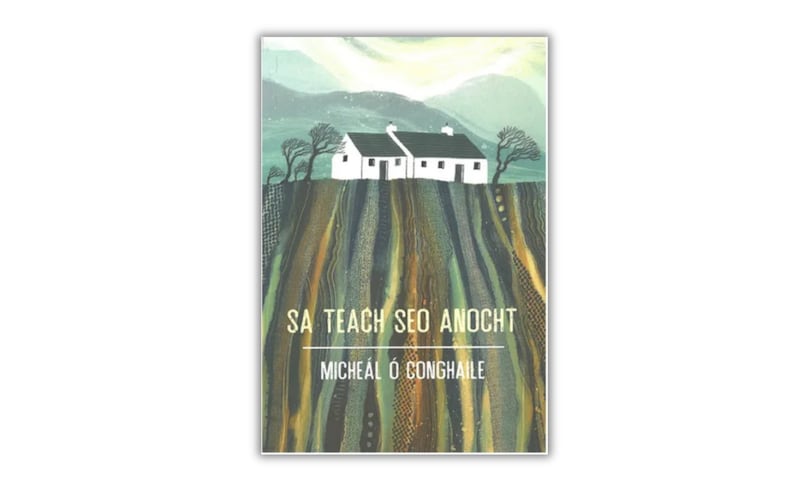
A man is on the cusp of walking out on his failing marriage of 10 years as well as his young son. It takes place on the protagonist’s final night in his ancestral home, where he and his family were born and reared.
19An Grá Riabhach by Biddy Jenkinson(Coiscéim, 2000)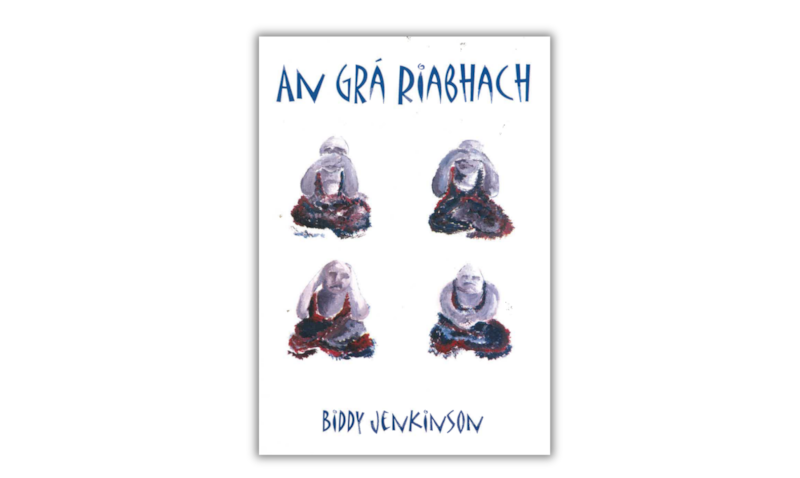
A short story collection dealing with themes of sexuality. The title could be translated as speckled, brindled, streaked, striped, wretched or dull love, every shade of which is explored across 18 stories.
18Mis by Biddy Jenkinson(Binn Éadair, 2001)
An epic poem about a mythological princess, who is driven mad with grief after witnessing the death of her father King Dáire Dóidgheal, fleeing society to live in mourning as a cannibal.
17Gabháil Syrinx by Aifric Mac Aodha(An Sagart, 2010)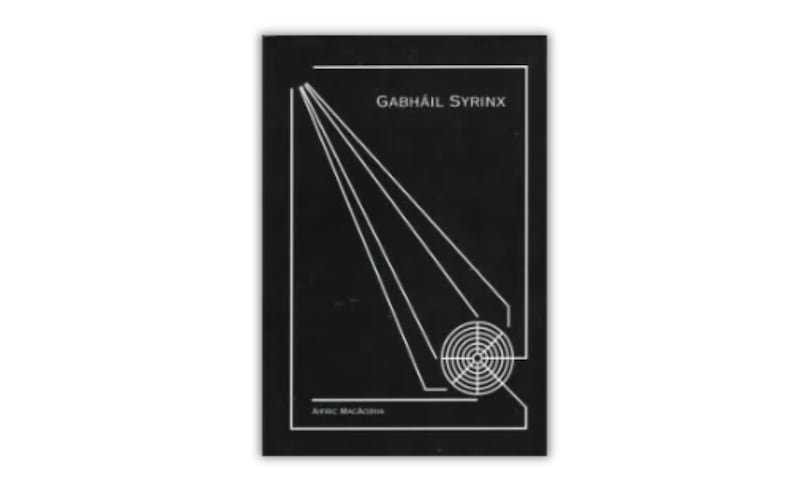
Mac Aodha’s debut poetry collection, Gabháil Syrinx or Capture of the Sphinx, edited by Irish-language scholar and priest Pádraig Ó Fiannachta, draws from Greek as well as Irish mythology.
16An Colm Bán by Liam Ó Muirthile(Cois Life, 2014)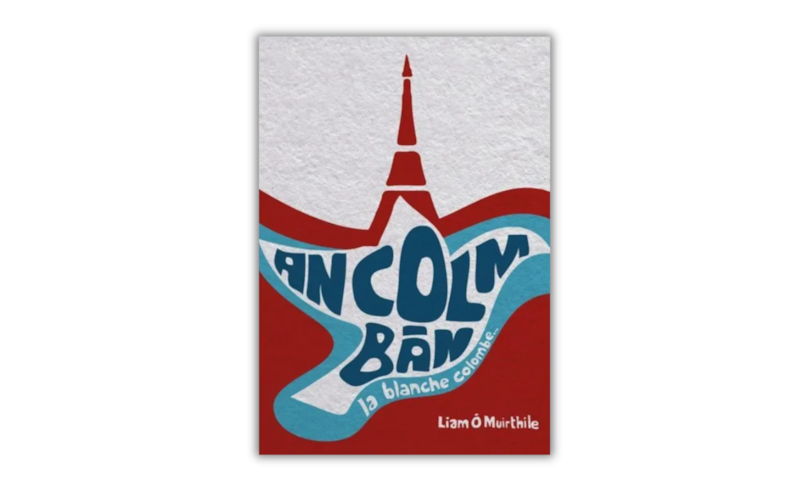
Better known as a countercultural poet at the helm of the Innti literary movement, Ó Muirithile also wrote prose. The final novel published before his death in 2018 is set in Paris, and explores the beginning of the 20th century and the beginning of the 21st through two interwoven stories.
15Oilithreach Pinn by Liam Ó Muirthile(Cois Life, 2017)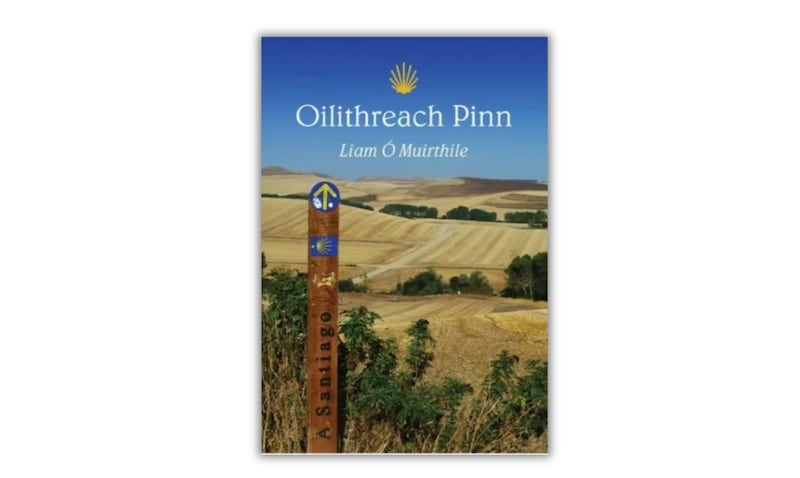
Ó Muirithile’s memoir of his 770km solo journey along the Camino de Santiago in 2015 gives an insight into what the Innti poet dubbed his “pen pilgrimage”.
14Bláth na dTulach: Díolaim Ultach, edited by Réaltán Ní Leannáin, Eoghan Mac Giolla Bhríde and Mícheál Ó Domhnaill(Éabhlóid, 2021)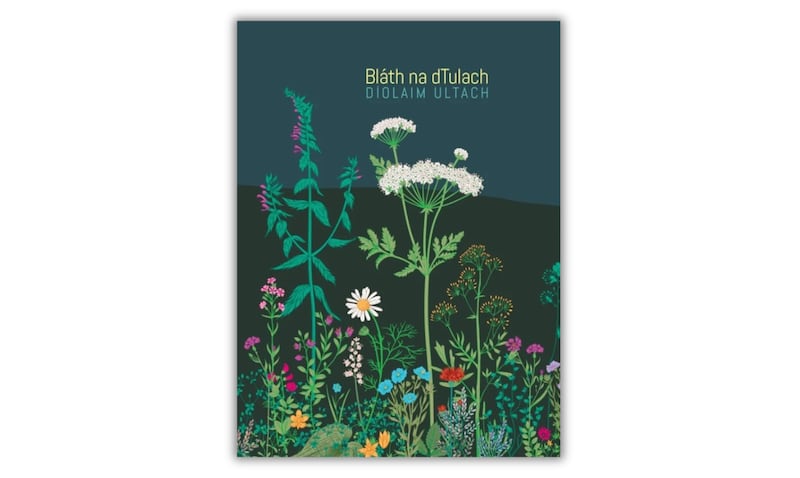
An anthology of 28 short stories by Ulster writers. Featuring Eithne Ní Ghallchobhair, Iarla Mac Aodha Bhuí and Daithí Ó Muirí, it won the Uí Shúilleabháin award at the 2022 Oireachtas na Samhna. An audiobook version is available.
13Ceallach: Cín Lae Fíréin: AD590-620 by Diarmuid Johnson(Trout Book, 2021) 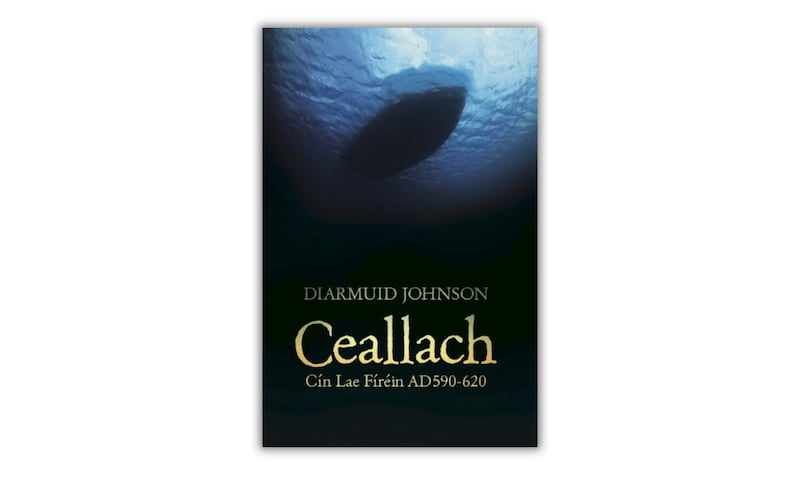
In 591, monks from Bangor, Co Down, led by St Columbanus, set out for the “outskirts of Christianity” to spread the word of God. Ceallach’s diary details their adventures, including that of St Gall, who gave his name to Saint Gallen in Switzerland.
12Hula Hul by Seán Mac Mathúna(Leabhar Breac, 2007) 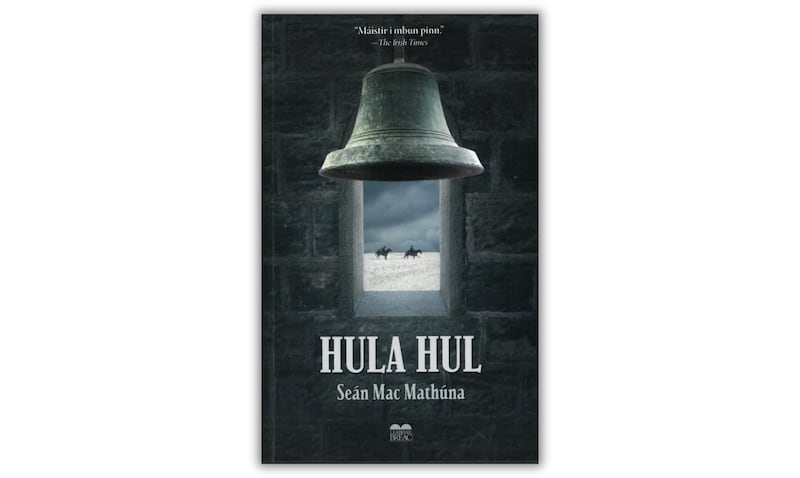
Mac Mathúna’s bestselling romance novel recounts the dilemma faced by an IRA captain who refuses to carry out a vicious order in Kerry in 1923 during the Civil War.
11Cnámh by Eoghan Mac Giolla Bhríde(Éabhlóid, 2020)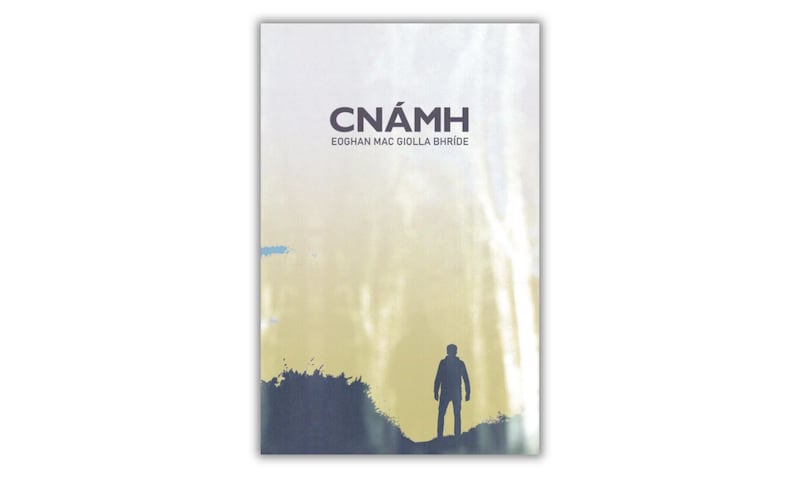
In Mac Giolla Bhríde’s third collection of short stories, the Gaoith Dobhair writer chronicles vignettes of contemporary Irish society. Ailbhe Ní Ghearbhuigh called it “a rich and evocative collection of short stories that reveal the strange intensity of modern life”.
10An Craiceann agus a Luach by Eithne Ní Ghallchobhair(Arlen House, 2021)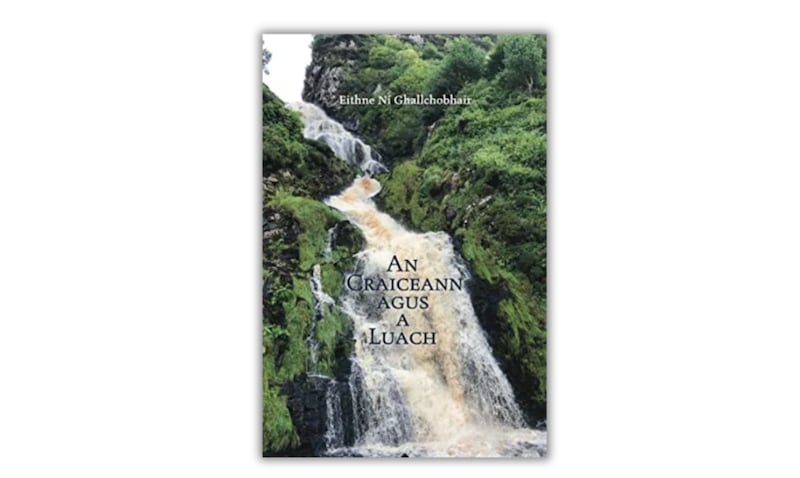
A bilingual book translated into English by Paddy Burke, An Craiceann agus a Luach/Under Her Skin opens on a spring night when Mac Aoidh steals the shawl of a mermaid swimming in the bay, knowing she can never return to her own realm without it. The mermaid is imprisoned under his coercive control until an opportunity to escape arises.
9An Bhlaosc sa mBois by Micheál Ó Conghaile(Cló Iar-Chonnacht, 2024)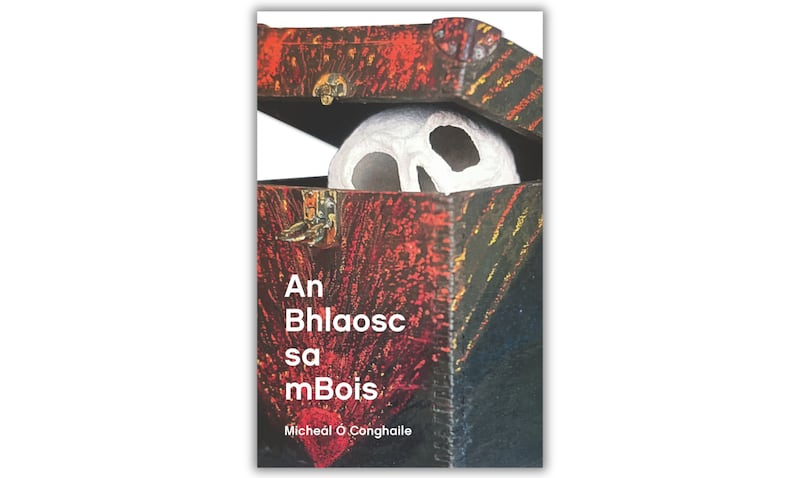 An Bhlaosc sa mBois by Micheál Ó Conghaile
Taking place over the course of a day, this novella follows an elderly man as he crosses south Connemara with the skull of his baby sister. Perhaps he has dementia, perhaps he is delirious – as his aim is unclear. Ó Conghaile explores death, faith, rural life, old age, rural depopulation, and mother and baby homes.
8Trén bhFearann Breac by Máirín Nic Eoin(Cois Life, 2005) 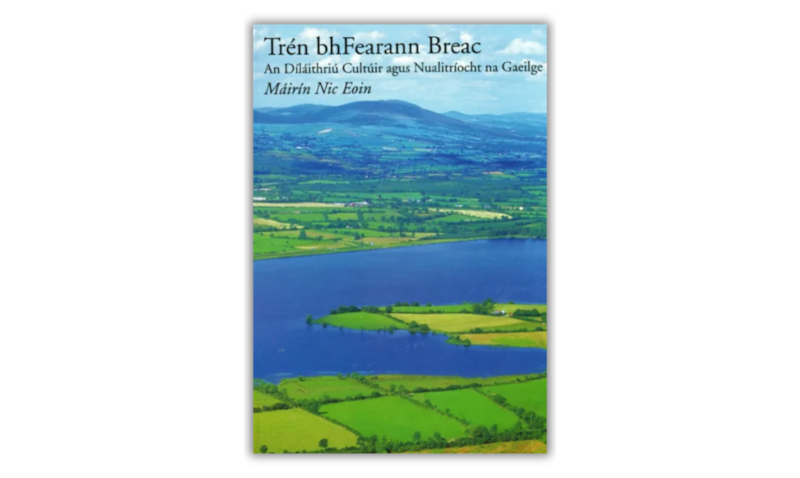
A critical work examining contemporary writing in Irish. Nic Eoin, professor emerita of Irish at DCU, explores how colonialism has affected both the literary content and critical treatment of modern Irish-language writing.
7An tAthair Pádraig Ó Duinnín – Bleachtaire by Biddy Jenkinson(Coiscéim, 2008)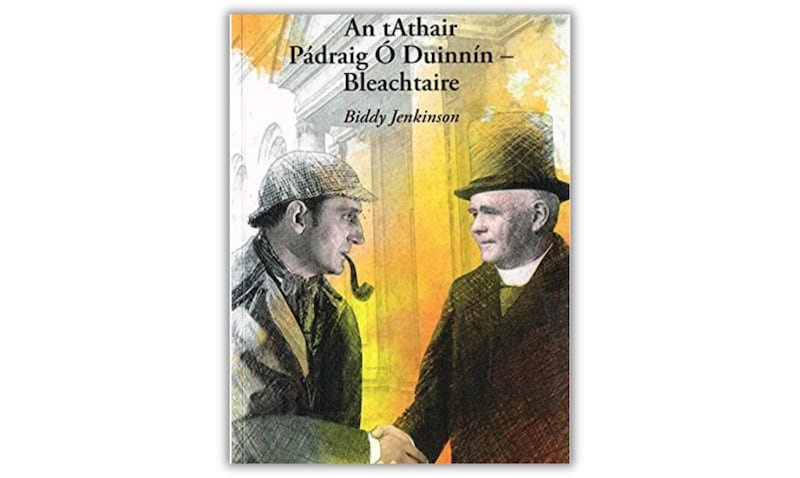
This anthology of short detective stories details a fictionalised account of Father Patrick S Dineen, lexicographer, historian and leading figure in the Gaelic revival movement at the beginning of the 20th century. Jenkinson offers readers an Irish-language version of GK Chesterton’s Father Brown.
6An Bhean Feasa by Alan Titley(Cló Iar-Chonnacht, 2014)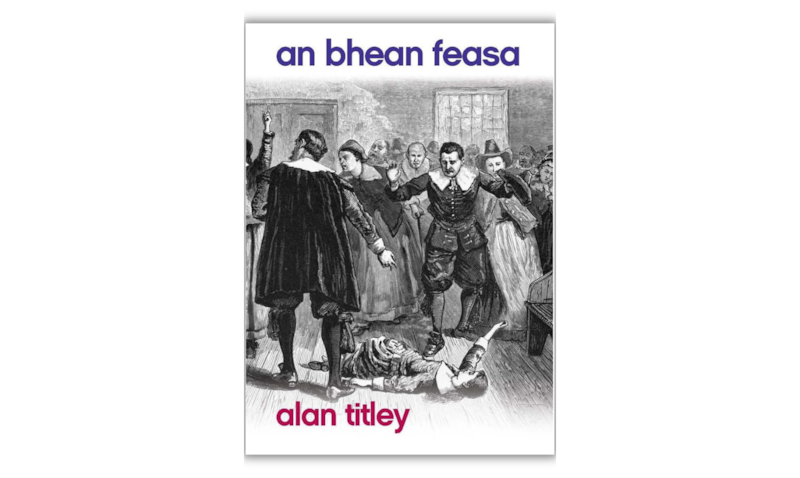
On November 16th, 1688, an Irish woman is convicted of witchcraft and sentenced to death by hanging in New England. The only language she speaks in court is Irish. Appearing to readers under her slave name “Goody Glover”, An Bhean Feasa flits between Ireland, Boston and Barbados using the medium of poetry.
5Tonn Teaspaigh agus Dánta Eile by Ailbhe Ní Ghearbhuigh(Éabhlóid, 2022)
In Tonn Teaspaigh, or heatwave, her third volume of poetry, Ní Ghearbhuigh explores the role of women in society and the realities of being a mother in modern Ireland. Litir ó Barcelona, included in this collection, won the Oireachtas na Samhna prize for best poem in 2022.
4Béal na Péiste by Fionntán de Brún(Cló Iar-Chonnacht, 2023)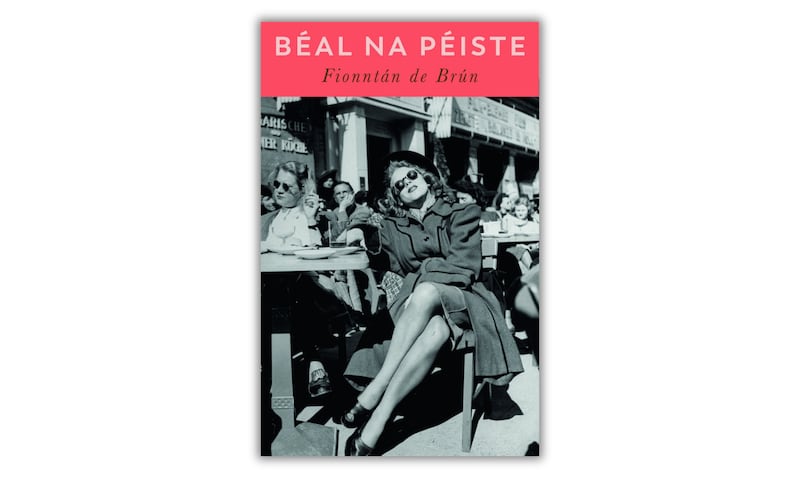
Réamonn Prút returns home to Ardglass, Co Down, in the late 1980s to visit his late parents’ home, having spent a lifetime abroad as a language teacher. De Brún takes readers on a journey through time as the narrative flits between 1980s Ireland and 1940s Germany, when Prút worked as a translator for a Nazi radio channel on their Irish-language propaganda broadcasts.
3An Litir by Liam Mac Cóil(Leabher Breac, 2011)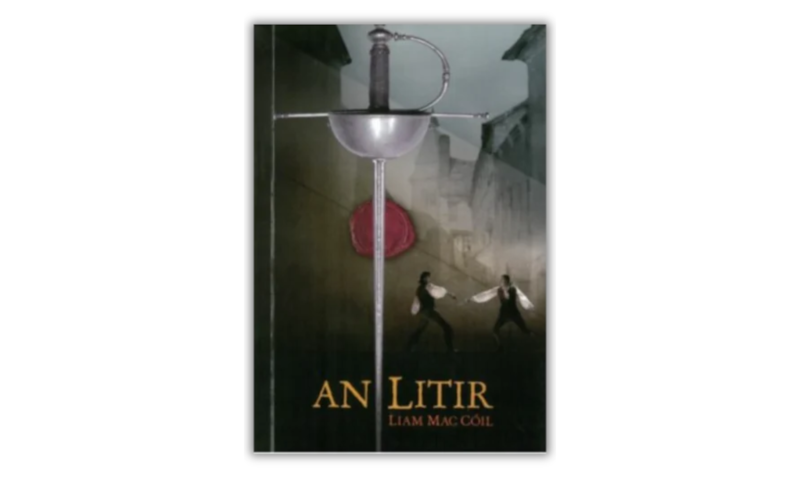
Described in The Irish Times by Pól Ó Muirí as “a swashbuckling adventure set in Galway in 1612”, An Litir follows Lúcás Ó Briain, a young student and a gifted swordsman, who is tasked with carrying a top-secret letter to Hugh Ó Neill in exile in Rome. Using different narrators, this historical fiction spans Dublin, Galway, Bristol, the Spanish Netherlands, the Alps and Rome. The first of a trilogy, it is one of the most ambitious works in scale and breadth created in the Irish language. One for fans of Hilary Mantel’s Wolf Hall.
2Bódléar by Darach Ó Scolaí(Leabhar Breac, 2024) 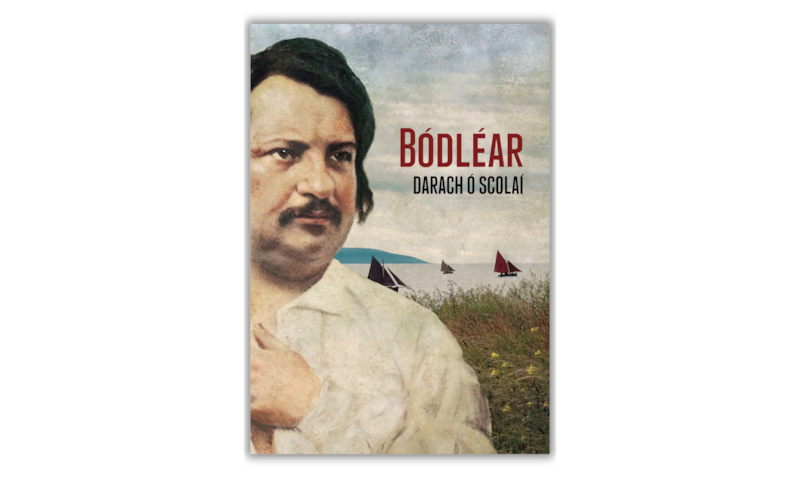
Set on the west coast of Ireland, it follows a local poet who travels annually to Munster to the great gathering of poets. Upon his return, he receives a hero’s welcome from locals eager to hear his new poems and songs. However, this year, the poet has returned in a foul humour and begins composing new rhymeless and toneless poetry, much to the horror of locals. This historical fiction is “a vicious, witty novella about a village poet who pays the price for adopting foreign, newfangled ideas”, writes Aifric Mac Aodha.
1Madame Lazare by Tadhg Mac Dhonnagáin(Barzaz, 2021) 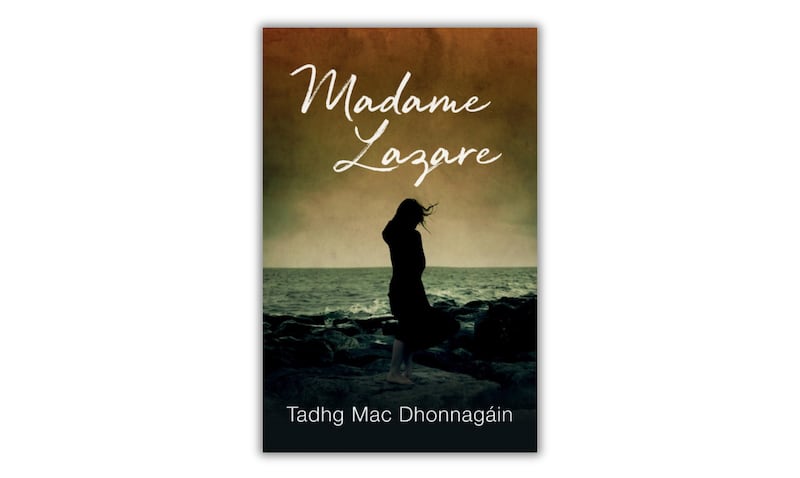
The Irish Language Book of the Year in 2021, which also received a Special Mention at the 2022 European Union Prize for Literature, follows Madame Lazare, a Jewish Holocaust survivor who lives in Paris, and her granddaughter Levana, who works in Brussels. Levana’s grandmother becomes increasingly affected by dementia, until one day she speaks a language her family do not understand.
Part mystery and part thriller, Madame Lazare takes readers from the Aran Islands to London in the second World War, to present-day Paris and the Brussels of Irish-language translators, to reveal an unexpected truth.
Síobhra Aiken explained why it was her No 1 choice. “Madame Lazare is one of the best novels I’ve read in years. Friends who hadn’t read a book in Irish in years got in touch to recommend it. It’s not just the pace, the natural and accessible prose or the beautiful reading by the author if you prefer to listen to the closleabhar (ebook): Madame Lazare is a book in which we see ourselves. Maybe what captures readers is the novel’s central exploration of repressed family histories – something we can all relate to.”
Michael Cronin said: “Madame Lazare is a triumph of the storyteller’s art where Mac Dhonnagáin produces an utterly persuasive account of a woman caught between languages, cultures and identities in the bitter divisions of the 20th century.”
Naoise Dolan called it “one of the most addictively entertaining books I’ve read in years. With stylish understated prose, wry observational humour and deftly plotted twists and turns, Madame Lazare probes deeply on identity, morality and language itself.
“Rarely have I been so torn between my wish to savour each sentence and my desperate compulsion to know what happens next.
“People sometimes turn to Irish-language literature out of a desire to support the language or to improve their grasp of it. These are admirable impulses, but they scarcely break the top 100 reasons to read Madame Lazare; rather, this is a novel any lover of contemporary literature should read on its own merits, and it happens that Irish – or any of the languages it has been translated into – is the price of admission.”
Our panel of experts
Síobhra Aiken; Míchéal MacCraith; Ailbhe Ní Ghearbhuigh; Tadhg Mac Dhonnagáin; Sinéad Mac Aodha; Anna Heussaff; Eilís Ní Anluain; Éanna Ó Caollaí; Tristan Rosenstock; Cathal Póirtéir; Liam Carson; Réaltán Ní Leannáin; Máirín Nic Eoin; Breandán Ó Cróinín; Michael Cronin; Eoghan Mac Giolla Bhríde; Laoighseach Ní Choistealbha; Brian Ó Conchubhair; Alan Titley; Aonghus Ó hAlmhain; Gearóid Ó Tuathaigh; Áine Ní Bhreisleáin; Tracey Ní Mhaonaigh; Fionntán de Brún; Lill Ó Laoire; Catherine Foley; Gráinne Ní Mhuilneoir Uí Riain; Colm Ó Ceallacháin; Naoise Dolan; Bridget Bhreathnach; Dónall Ó Braonáin; Tomaí Ó Conghaile; Aifric Mac Aodha; Eoin P Ó Murchú; and Caitlín Nic Íomhair.