
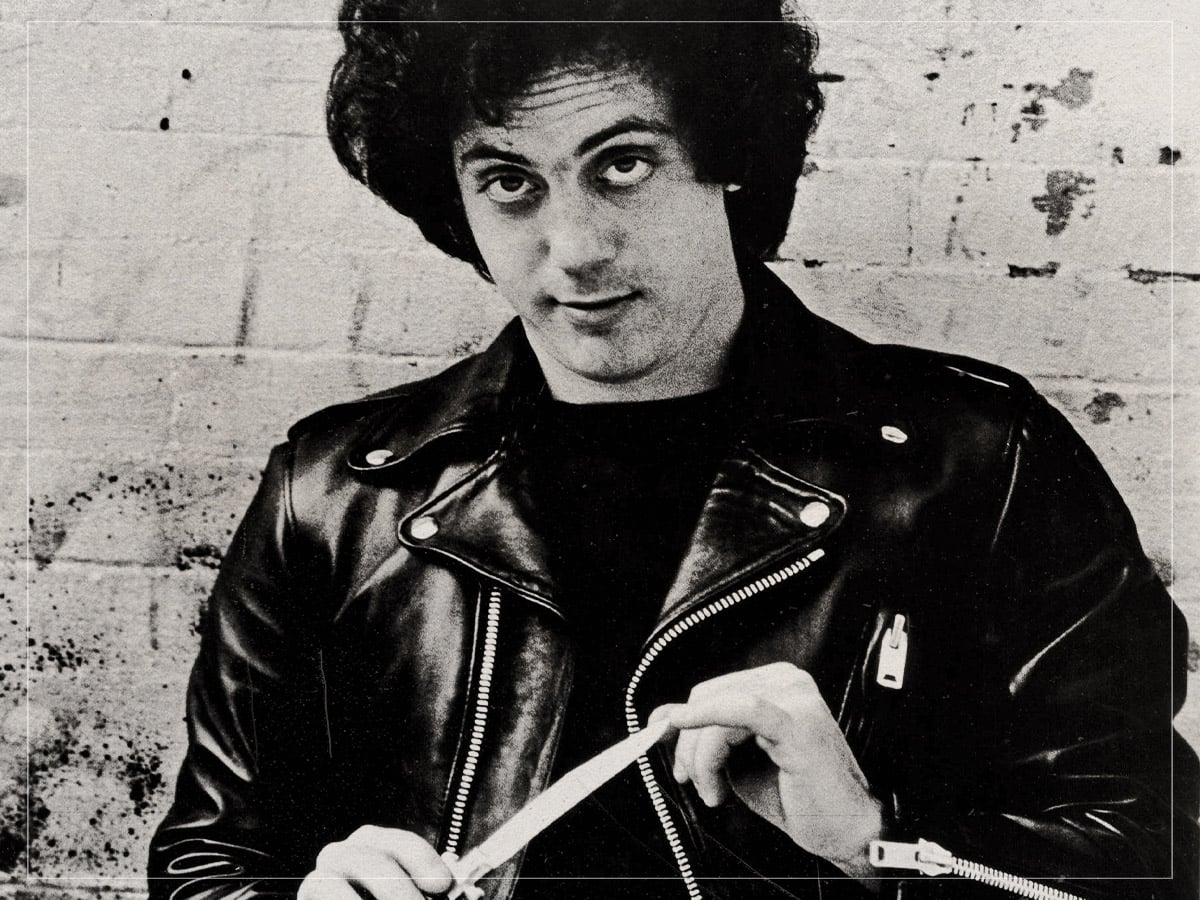
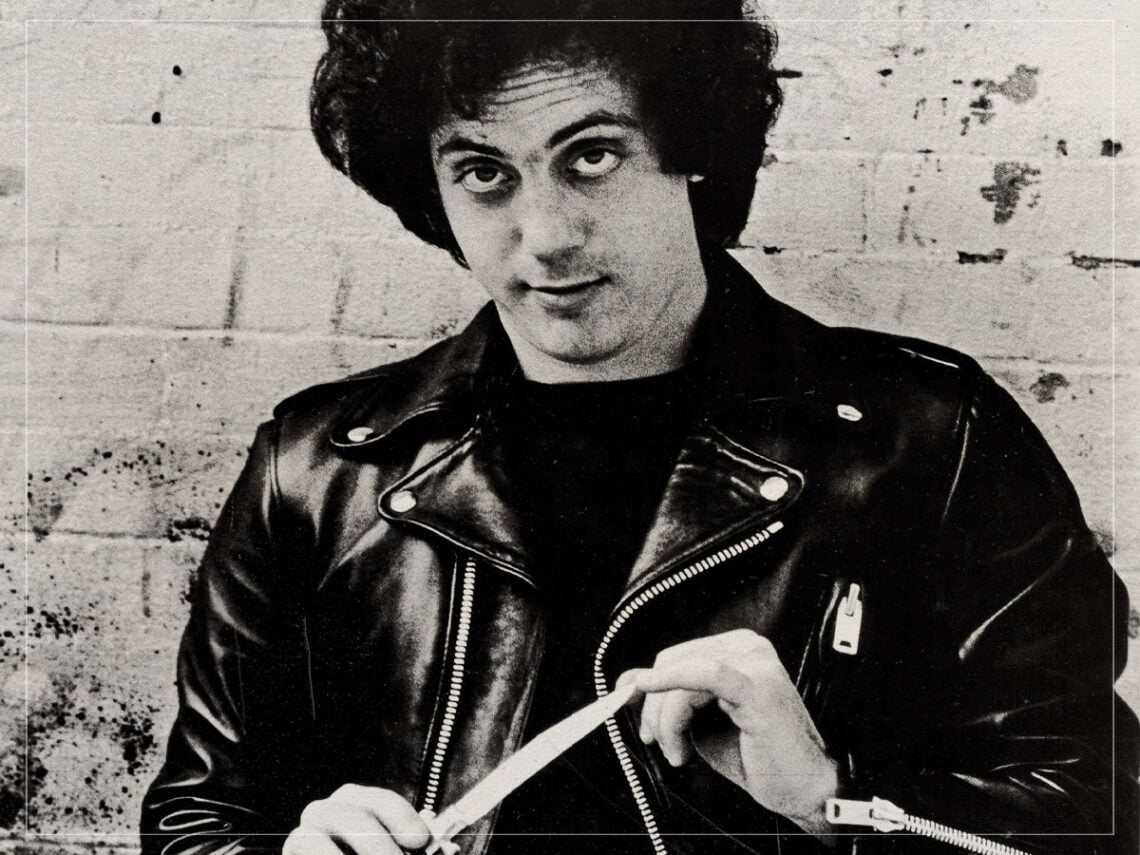
Credit: Far Out / Columbia Records
October 31st, 2026 · 4:31pm GMT
Billy Joel was only a small child when Elvis Presley shocked the nation with his hip movements on The Ed Sullivan Show, but even at such a young age, he was compelled by America’s favourite star.
Even when Presley was dethroned by The Beatles in the 1960s, when Joel was coming of age, Elvis still remained ingrained in the fabric of American culture and remained an impossible presence for him to avoid as he discovered music’s beauty.
In Joel’s mind, Elvis was a superhero with the looks and voice of somebody who’d escaped from a laboratory tasked with creating the perfect superstar. People like Presley simply didn’t exist in the suburbs of New York, and Joel believed it was out of reach for him ever to become a successful musician if the aesthetic of Elvis was the benchmark.
When The Beatles emerged, Joel was infatuated because of their differences from Presley, but that didn’t take away from his adoration of Elvis. He told CBC: “We saw these guys on TV and said, ‘Wait a minute. They don’t look like Fabian; they don’t look like Frankie Avalon; they don’t look like Elvis. ‘They looked like regular guys like people would have hung out with, except their hair was longer. I picked up on that right away and said, ‘That’s possible. I could do that.’”
Nevertheless, Presley was responsible for his first-ever live performance, which occurred in elementary school. This childish endeavour planted a seed within his mind that would eventually lead to him writing ‘Piano Man’ and becoming one of the most cherished artists of his generation.
During an interview with David Sheff, Joel professed his love for The Rolling Stones and The Beatles before explaining how it all began for him with Presley. The singer-songwriter revealed: “Elvis was a little before me, but I do remember doing an Elvis Presley impression when I was in the fourth grade. It was the first thing I ever did in front of people.”
“Well, he came back, you know how he came back? Doing those shit-ass Hollywood movies that they stuck him in – and they made him a joke!”
Billy Joel
“I sang ‘Hound Dog’, and I was jiggling my hips like Elvis,” he continued. “I remember this because the fifth-grade girls started screaming. I really dug the fifth-grade girls. I thought, Hey, this is pretty neat. When the girls started screaming, the teacher pulled me off the stage. She said it was because I was wiggling my hips. Now, in fourth grade, you don’t have hips.”
Further reading: From The Vault
However, Joel has always been one that judged Presley’s career on a whole rather than fixating on the 1950s version that gets sold to the public. During a 1996 interview with Eric Teplitz, he firstly said that “Elvis was great,” before signalling the crucial moment where everything went downhill for the faded star.
“But Elvis went into the army, and that was the end of that, you never heard from him again,” he said, before adding of his supposed comeback, “Well, he came back, you know how he came back? Doing those shit-ass Hollywood movies that they stuck him in – and they made him a joke!”
15 years before those comments about Presley becoming a “joke”, he honoured Presley on ‘Elvis Presley Boulevard’, which also lamented the corporate business he became. The song was initially recorded in 1981, firstly being used as the B-side to ‘Allentown’ in 1982, and eventually appearing on the 2005 off-cut compilation My Lives.
On the rarity, Joel describes taking a trip to Graceland, which he labelled a “silent mansion” selling “plastic souvenirs of Elvis on the cross”. The juxtaposition of the lifeless property, which had become a glorified merchandise store, with the larger-than-life art of Presley, who had enough stage presence to fill an entire city.
Joel agonisingly sings on the track, “Man I was beat, I was driven by the heat, Down to Elvis Presley Blvd. in a one-way dead end street, And I smashed my car to pieces and I said goodbye to youth, I had all the ugly rumours and I could not face the truth.”
The line about waving farewell to his youth sees Joel turn the attention on himself, but Elvis was the perfect creative vehicle for this. He was once viewed as an ageless star, then became a poster-boy for a lost America once his relevance had faded, and by 1981, his legacy was that of a tourist attraction.
The commercialisation of dead celebrities has become even more extreme in the years since Joel wrote ‘Elvis Presley Boulevard’, with holograms of deceased artists becoming increasingly common. None of it sits right with the New Yorker, who laid his cards on the table with this song about the sad decline of an American hero.
