

Listen to this article
Estimated 3 minutes
The audio version of this article is generated by AI-based technology. Mispronunciations can occur. We are working with our partners to continually review and improve the results.
Officials with Nova Scotia’s Office of Mental Health and Addictions told a legislature committee on Wednesday that work continues to increase oversight and public data reporting in the wake of an auditor general’s report.
But the office’s deputy minister said it’s just as important for the public to know that help is available for people when they need it.
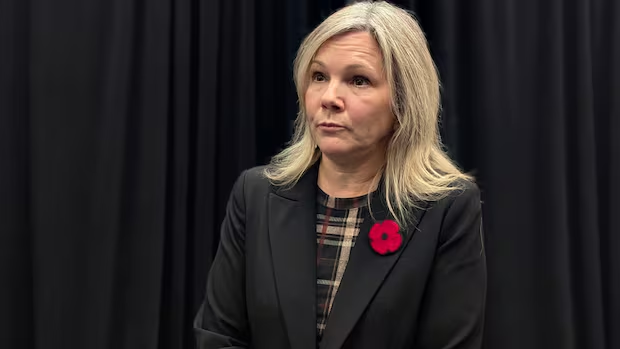
In an interview following the meeting of the legislature’s public accounts committee, Jennifer Glennie said the provincial intake line, which assess callers and directs them to services, is one of the most important improvements of the last five years since the Progressive Conservatives created the office.
“We don’t want Nova Scotians to have to be experts in data or experts in service navigation to be able to access services,” she told CBC News.
“So what we want to see is that people know that they can make a phone call and get some help.”
Auditor General Kim Adair’s report in June said the office has failed to provide effective oversight of services. And despite spending more than $1 billion, the office had not set up standards for service access, the report found.
NDP MLA Lisa Lachance said that there is not enough data available to help the public track the government’s efforts.
Lachance pointed out that published wait time reports online no longer include historic data for all non-urgent clinics, which would allow for the observation of trends.
Government officials are talking about how much money is being spent and what programs are being created, but there’s no way for the public to assess the outcomes of that work, said Lachance.
“We have no idea if investments, say, in the recovery support centres have actually produced good outcomes.”
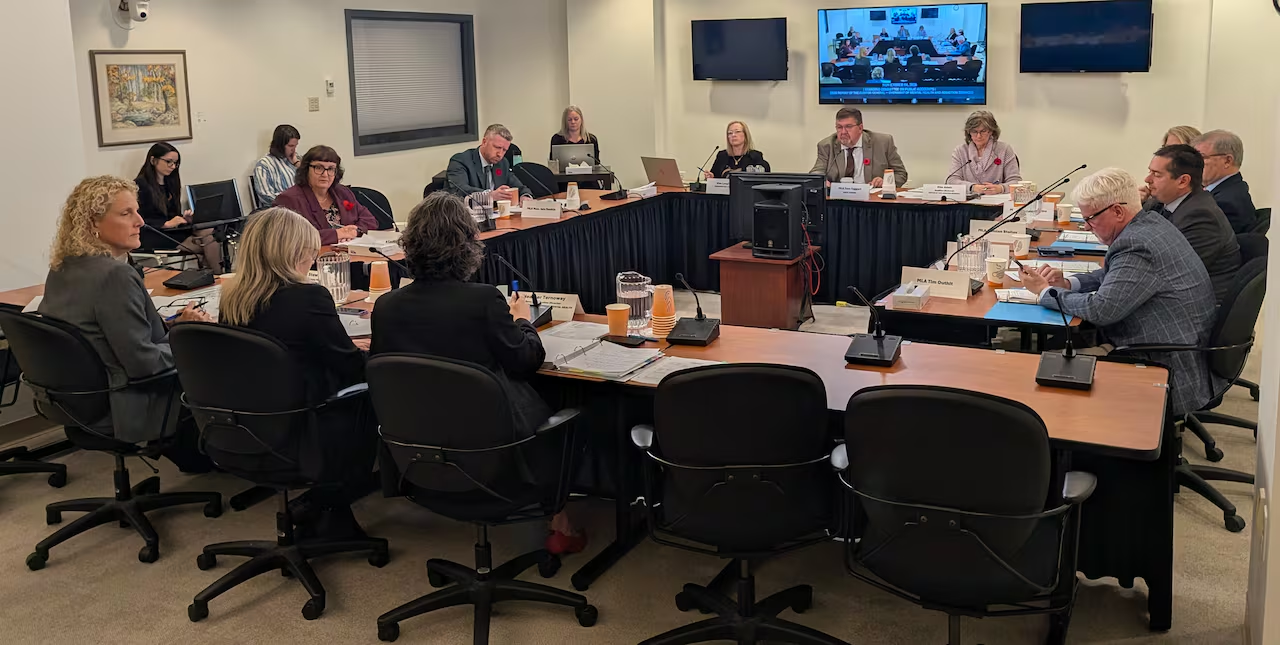
Officials with the Office of Mental Health and Addictions appeared before the Nova Scotia legislature’s public accounts committee on Wednesday. (Neil Benedict/CBC)
Interim Liberal Leader Iain Rankin questioned whether it makes sense for the office to allow other entities to control its data, which in turn could have an impact on the ability to improve public reporting.
Glennie said the office shares some work with the two health authorities and Health Department, and that includes data work. That allows the office to focus on service delivery while relying on expertise that already exists within the Health Department, Nova Scotia Health and IWK Health Centre, she said
Glennie said officials in her office are committed to improved data reporting and performance indicators for the public.
MORE TOP STORIES