
We present an extract from Sounding Ireland: Radio and the Making of Us, the new illustrated book by producer and arts writer Clíodhna Ní Anluain, a celebration and a reflection of what listeners heard on RTÉ Radio during its first century: stories told, voices heard and memories made.
The New Confessional
We cannot know what future generations will make of the last half-century’s sharing of the profoundly personal on air by people whose public lives are well known to us. It seems that in an increasingly secular society, the media – broadcast and more recently online – has become the country’s new confessional. The appeal of such radio is undeniable.
Before the broadcast the presenter advises on the sensitivity of the subject and the circumstances of the recording or live interview. Many listeners cite these interviews as the most memorable and impactful radio experiences of their lives. Perhaps there is some comfort, or some thread of connection formed by hearing that other people’s lives are as complex and fragile as our own. It can also be cathartic for the guest to bare their soul to a nation they have a real relationship with.
Nuala O’Faolain
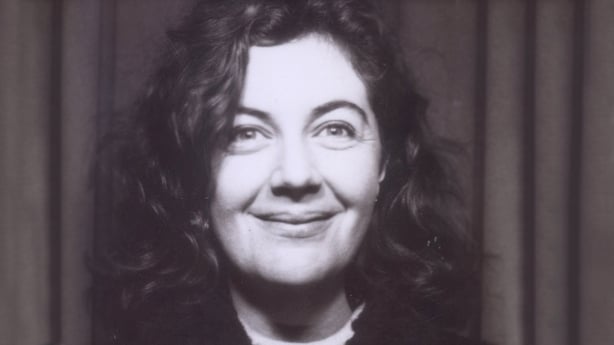
Sometimes such radio catches the intensity of life on the cusp of dying. When Marian Finucane met Nuala O’Faolain for lunch in 2008, O’Faolain told her friend she was dying. Marian later said that unbelievable though it was, once Nuala told her about her cancer, they started talking about doing an interview. Marian had interviewed Nuala a few times since the publication of her memoir, Are You Somebody? She knew that ‘being interviewed live provided [Nuala] with an important means of understanding herself. It was as if answering questions under pressure marshalled all her considerable gifts, allowing her to speak with her wonderful blend of candour, wit and passion.’ And she did. They were recorded within days of the unedited broadcast of the conversation; the stop-starts told their own truth.
O’Faolain talked about getting her diagnosis in the emergency department of a New York hospital. She had built her life there and now that life – with her ‘beloved room’, her friends, writing and Ireland – was suddenly reduced to ‘wretchedness, such sourness with life, and fear …’ She wondered ‘how we all get away with our unthinkingness’ and suggested a record ‘that you might play at the end, I know you don’t go playing records, particularly for dying people but still …’ The song was ‘Thíos i Lár an Ghleanna’ (Down in the Middle of the Glen), sung by Albert Fry: ‘Is a Íosa i lár na bhflaithis, tabhair arais an oíche aréir’. Marian Finucane finished the interview by playing the song for O’Faolain.
Miriam O’Callaghan and Leo Varadkar in 2015
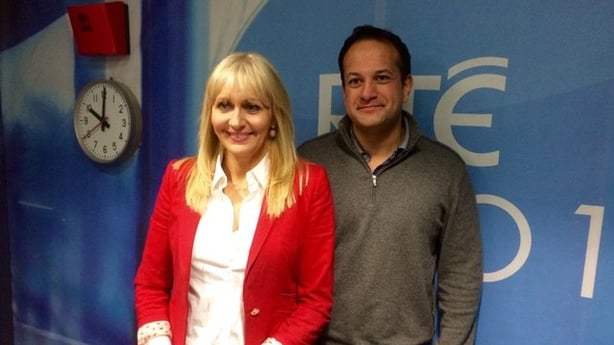
In 2015 Miriam O’Callaghan’s guest on her Sunday morning show was Leo Varadkar. It was his thirty-sixth birthday. She had often interviewed him about policies and crises but said this was ‘not one of those interviews’. During the live interview, he came out as gay to the Irish public – the first serving Irish government minister to do so. The upcoming marriage equality referendum, legislation on surrogacy and whether to change the ban on gay and bisexual men donating blood were coming down the line. As minister for health, Varadkar said he wanted to be honest with people about who he was but also wanted to be ‘an equal citizen in my own country, the country in which I am a member of government and now I am not’. Many parents of gay children called to thank him for speaking out publicly. Others contacted the programme to praise Varadkar for his openness, even if they disagreed with him politically. He hoped that he could be seen as the same person as he was before speaking out. Though Varadkar said he felt better for having done it, he wasn’t sure if the reaction online would be so favourable and hoped the next generation wouldn’t have to come out on air in the same way.
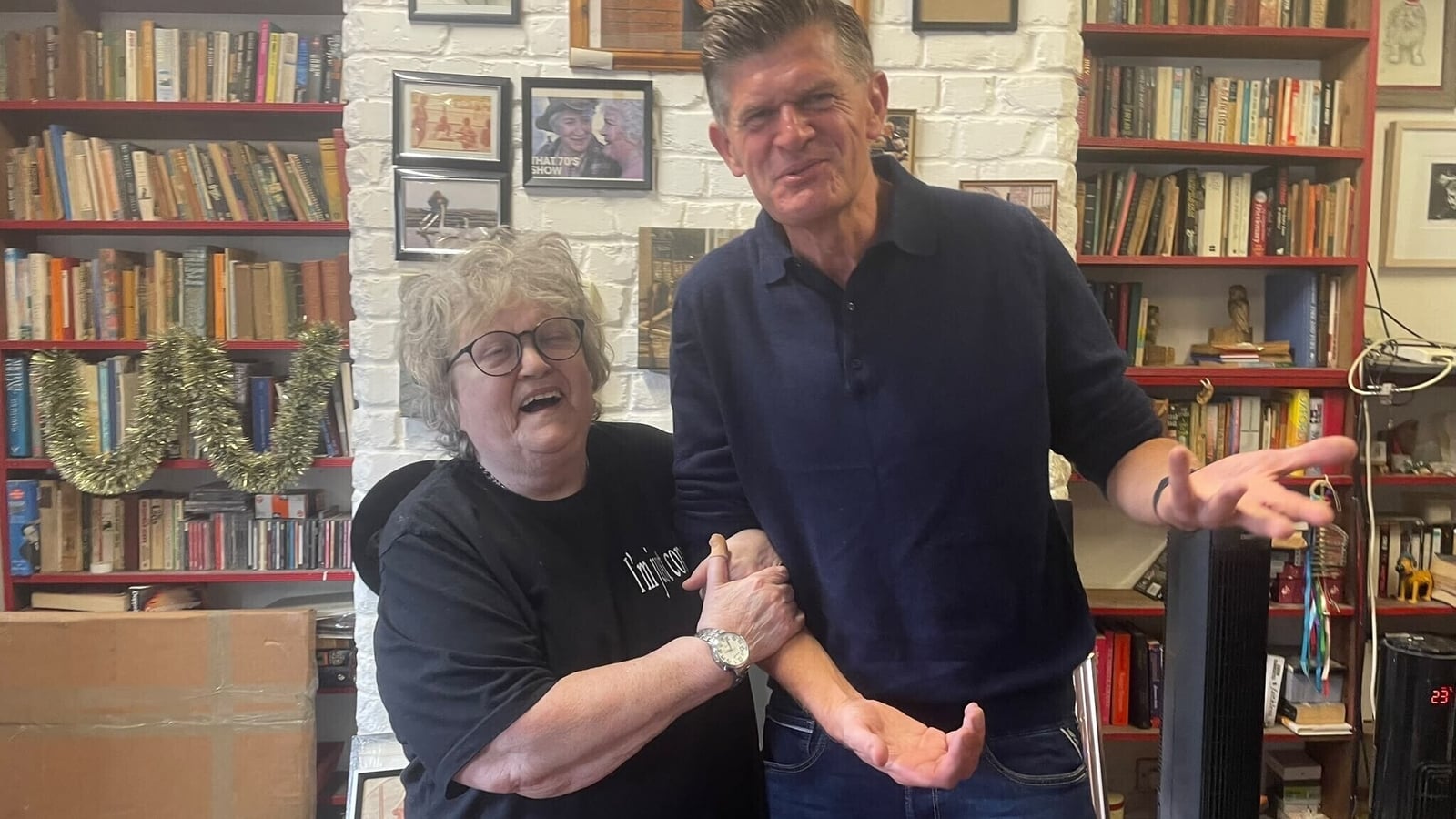
In 2025 Brendan O’Connor introduced a recording made earlier in the week of ‘a grown-up conversation that dealt with difficult themes’ with Brenda Fricker, adding playfully that ‘we don’t normally do house calls’. Brendan described the setting for the listener: Brenda in her bed, her beloved dog Juno beside her, surrounded by pictures and possessions of a life fully lived. Their conversation marked the publication of her memoir, She Died Young, and touched on loneliness, happiness and joy, mental health, rape, marriage, miscarriages, suicide and death.
We need your consent to load this rte-player contentWe use rte-player to manage extra content that can set cookies on your device and collect data about your activity. Please review their details and accept them to load the content.Manage Preferences
She told Brendan she was ‘afraid to cross over thresholds …of moving from one space to another’ and that she was a lovely person when she wasn’t sad. They talked about the brutality of her psychiatric treatment – being over-medicated and physically punished for reacting to its conditions – the ‘general lack of interest in mental health’ and her praise for Dr Anthony Clare, who she said saved her and countless others.
She said she was happy to die quietly that night but that with her luck, she would probably live to 110. In the quietness of the moment O’Connor asked her if she would keep going. She said she would. She died on 16 July 2026, aged 81.
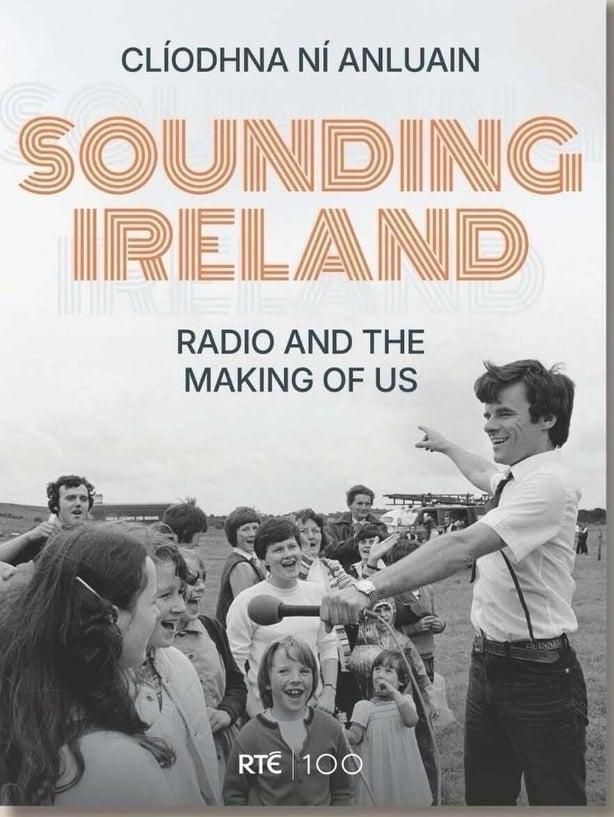
Sounding Ireland: Radio and the Making of Us is published by New Island. A related radio series, also called Sounding Ireland runs on RTÉ Radio 1 on Sundays at 7pm.