

A scientist whose research accurately forecast the rise of artificial intelligence decades ago made a chilling AI doomsday prediction – that civilisation could collapse on Friday, November 13, 2026
Robin Cottle Assistant Editor Trendswatch
16:03, 10 Nov 2026

An expert said the world will end on Friday (stock)(Image: Anadolu via Getty Images)
An expert has predicted that the world will come to an end on Friday (November 13) in a chilling doomsday forecast. Even more alarmingly, one of the researchers behind the study accurately predicted the rise of artificial intelligence several decades ago.
The modern world is challenging enough, with global conflict seemingly on the horizon and mounting economic pressures fuelling widespread instability. As if that weren’t enough, a long-forgotten prophecy about the collapse of civilisation has resurfaced once more.
Respected academic journal Science published research from distinguished scholars at the University of Illinois back in 1960. They warned that a potential apocalyptic scenario could unfold on Friday, November 13, 2026 – just three days from now.
The research team comprised Heinz von Foerster, Patricia M. Mora and Lawrence W.Amiot, who arrived at their spine-chilling conclusion by examining demographic trends across Western civilisation, reports the Daily Star.
Rather than a catastrophic nuclear war or natural disaster wiping out humanity, however, they predicted that the downfall of civilisation would actually be triggered by overpopulation. Their theory centred on the Earth reaching its breaking point as the global population continued to surge.
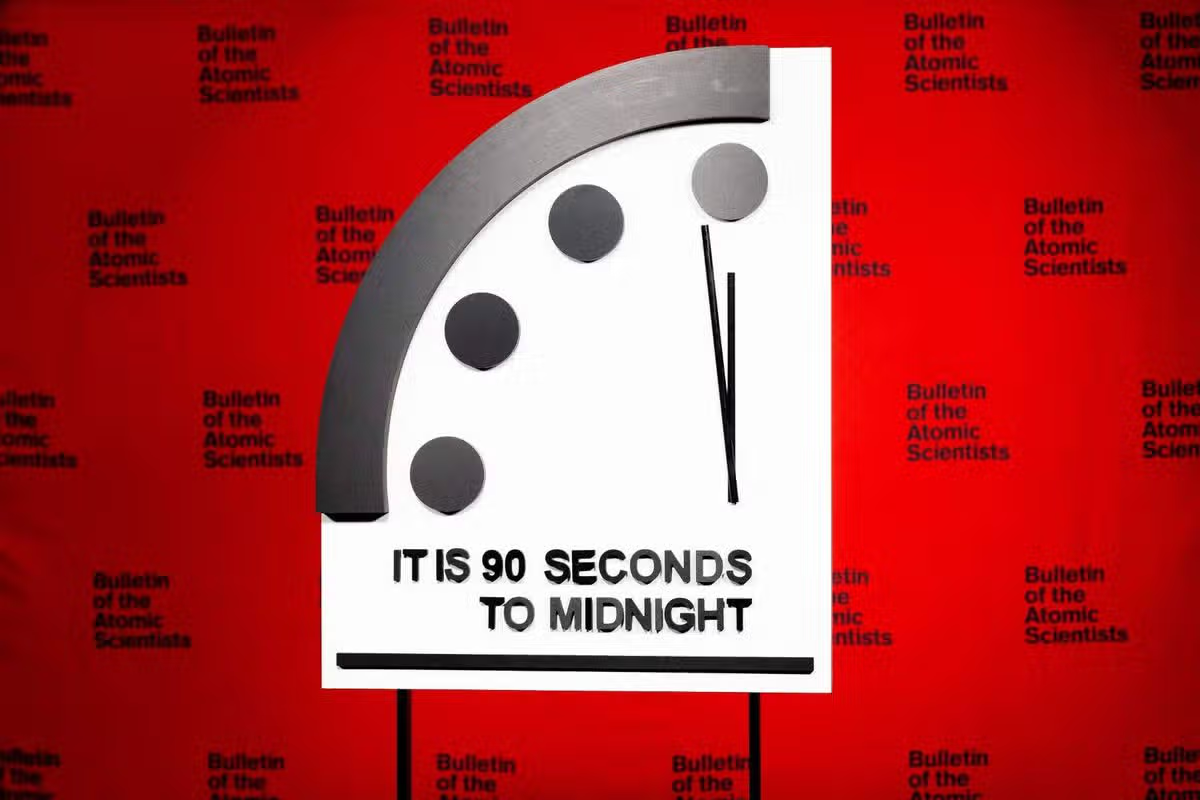
The Doomsday Clock(Image: Hastings Group Media/AFP via Get)
At the time their findings were published, approximately three billion people inhabited the planet – a figure that has since ballooned to a staggering 8.3 billion and continues to climb. This particular study has gained considerable attention due to its grounding in scientific theory.
One of the co-authors, Austrian-American Heinz von Foerster, made a remarkably prescient observation about the dangers posed by AI over three decades ago.
In conversation with The Information Philosopher, he touched on the far-reaching implications of the emerging technology. Von Foerster, who passed away in 2002, cautioned against the misconception that AI “thinks” in the same manner as human beings.
He argued that even when AI carries out tasks that appear intelligent, this does not amount to genuine human understanding, describing the assumption as “dangerous”.
Von Foerster and his fellow researchers drew upon 24 estimates of global population spanning the previous 2,000 years to demonstrate that figures had consistently surpassed expectations.
The world’s population is projected to reach a peak of approximately 10.3 billion around the mid-2080s — a staggering figure — before eventually beginning to decline.
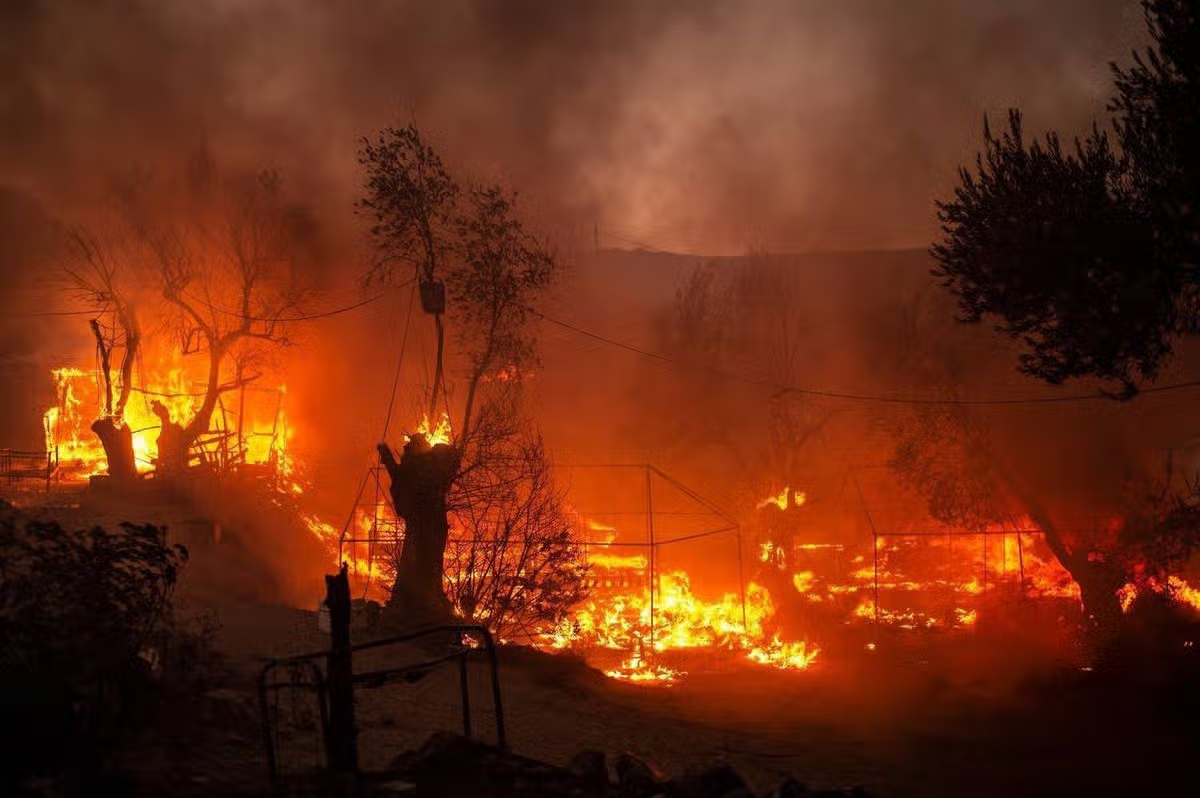
The scientists said the world will be ended due to overpopulation (stock)
While the paper was frequently cited and its predictions initially appeared impressively accurate, by around 1993 the rate of global population growth had begun to fall short of its forecasts.
As far back as 1798, British economist Thomas Malthus warned that humanity would ultimately exhaust its food supply. He said: “Famine seems to be the last, the most dreadful resource of nature.
“The power of population is so superior to the power of the earth to produce subsistence for man, that premature death must in some shape or other visit the human race.”
Malthus made his observations during the industrial revolution. Agricultural advancements have effectively kept pace with the growing worldwide population’s food requirements up until now.
Ensure our latest headlines always appear at the top of your Google Search by making us a Preferred Source. Click here to activate or add us as Preferred Source in your Google search settings