
An Australian-made quantum machine learning processor has delivered results in days that conventional deep learning models took weeks to achieve, according to the country’s largest telco.
Telstra on Monday said it had successfully tested the Silicon Quantum Computing (SQC) hardware over the last 12 months as part of a joint initiative to take quantum computing out of the lab.
The work focused on how SQC’s Quantum Machine Learning (QML) processor could be used to enhance predictive network analytics, one of Telstra’s most complex operational challenges.
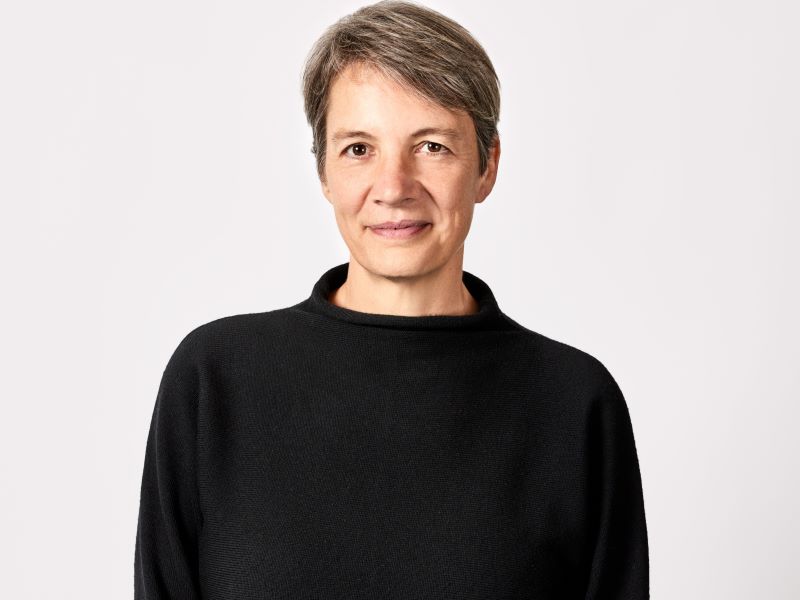 SQC chief executive Michelle Simmons. Image: Supplied
The QML processor, dubbed Watermelon, was tested to assess whether its quantum-generated features could forecast network performance and how they compared against Telstra’s deep-learning AI model.
Telstra currently uses a combination of machine learning and AI to help predict network performance and detect changes in network patterns, allowing the company to fix issues that arise – sometimes before customers are impacted.
The tests revealed that the QML could match the accuracy of Telstra’s current model without the heavy GPU power demands of conventional AI systems and could be trained much faster.
“This trial shows how quantum capabilities could complement our existing systems and technology to deliver faster insights and better outcomes for our customers,” Telstra’s group executive of global networks and technology Shailin Sehgal said.
“The collaboration, and Telstra’s relationship with SQC, shows how Australian industries and homegrown innovation can work together to shape the nation’s digital future.”
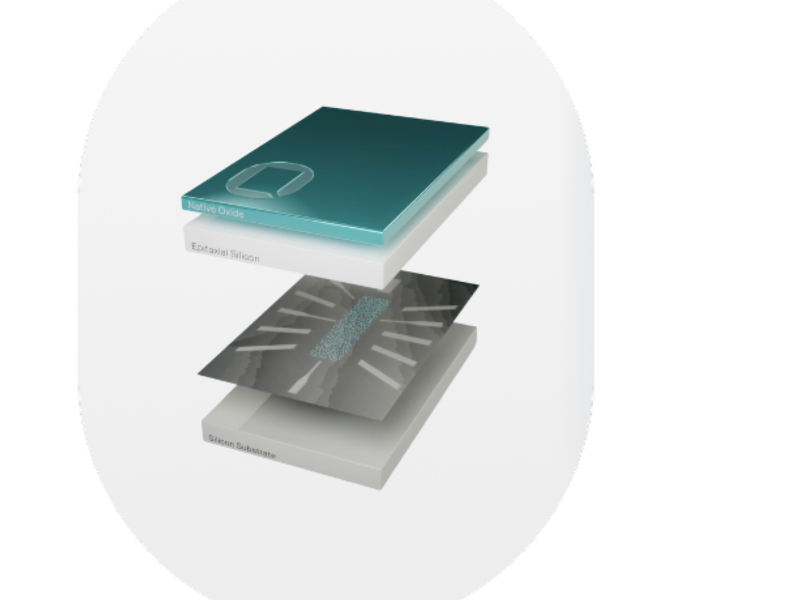 Watermelon schematic: A quantum feature generator for machine learning (accessed on-prem or cloud). Image: Supplied
SQC chief executive Professor Michelle Simmons said the project demonstrated how application-specific quantum systems can already deliver commercial value in data-intensive industries.
“This is an exciting and important step forward in the commercial adoption of quantum technologies,” Professor Simmons said.
“The collaboration with Telstra allowed us to test Watermelon in a real-world telecommunications context — something few quantum companies have achieved. Watermelon’s quantum feature generation helps to reveal complex relationships within classical data, while dramatically reducing training time.”
SQC earlier this year also entered a $3.2 million contract to provide Defence with the QML processor, which the company says “works exceptionally well when applied to sparse, fuzzy datasets”.
At SXSW Sydney last year, Professor Simmons said the company’s first commercial products would focus on quantum systems designed to accelerate artificial intelligence rather than universal quantum computing.
The development also fits into a wider national movement toward sustainable and energy-efficient AI.
Datacentre energy consumption is projected to more than double to 945 TWh by 2030, according to the International Energy Agency — a figure that underscores the value of AI models that train faster and consume less power.
With Justin Hendry
Do you know more? Contact James Riley via Email.