
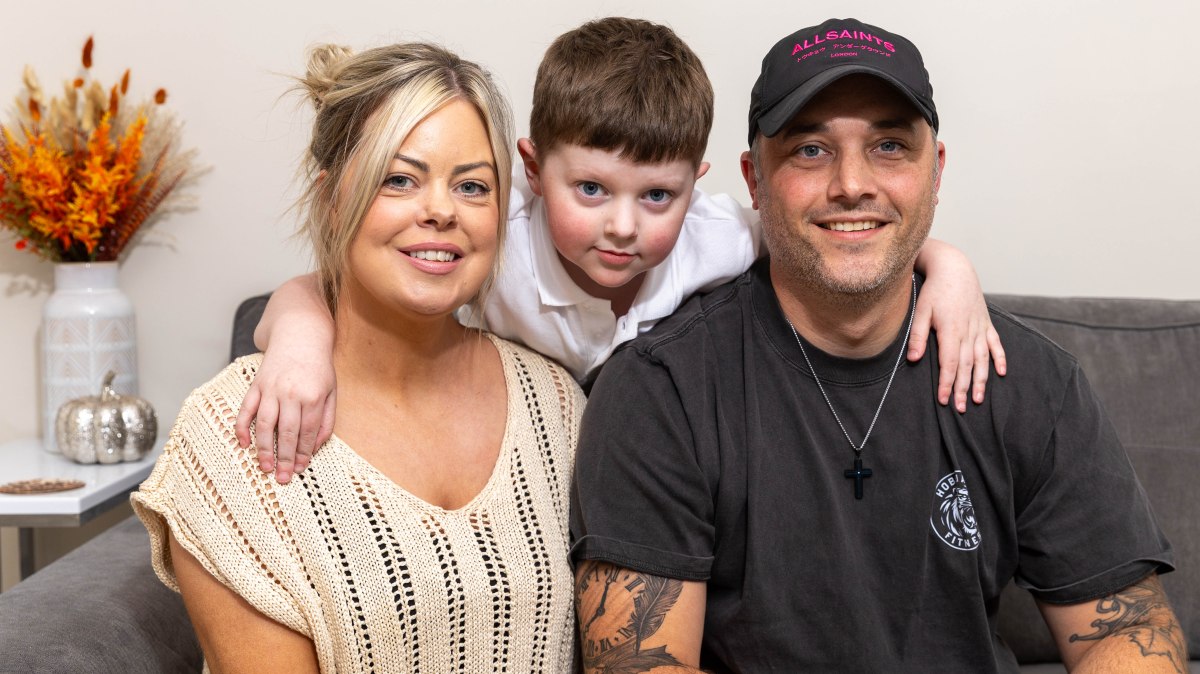
Families in Corby whose children were diagnosed with cancer have been told it is not in the public interest to reveal where contaminated toxic waste may be buried.
Dozens of parents in the Northamptonshire town fear that their children fell sick because waste from the local steelworks was dumped around the town. But North Northamptonshire council has told the solicitor representing the families searching for answers that “a request for a list of sites that are potentially contaminated … would not be provided or disclosed into the public domain”.
The Sunday Times has been reporting on concerns that waste from the steelworks, which was closed in 1979 and whose botched decommissioning inspired the Netflix drama Toxic Town, could be behind a potential cluster of childhood cancer.
The solicitor who won a civil claim against the council in 2009 over its negligent clean-up of the steelworks is representing 50 families he believes could be affected by the way waste was dumped on land that was later redeveloped.
Des Collins wrote to the council in July asking for a list of sites identified as potentially contaminated. In its response, the council refused, arguing that it “considers the weight of public interest [public good] falls in favour of non-disclosure”.
Collins said: “It’s laughable that the council is suggesting it’s not in the public interest. [The council] represents the people who live in Corby and it’s in their interests to find out precisely where and when any toxic material was buried. Why should the council members know about it when any potential victims are kept in the dark?”
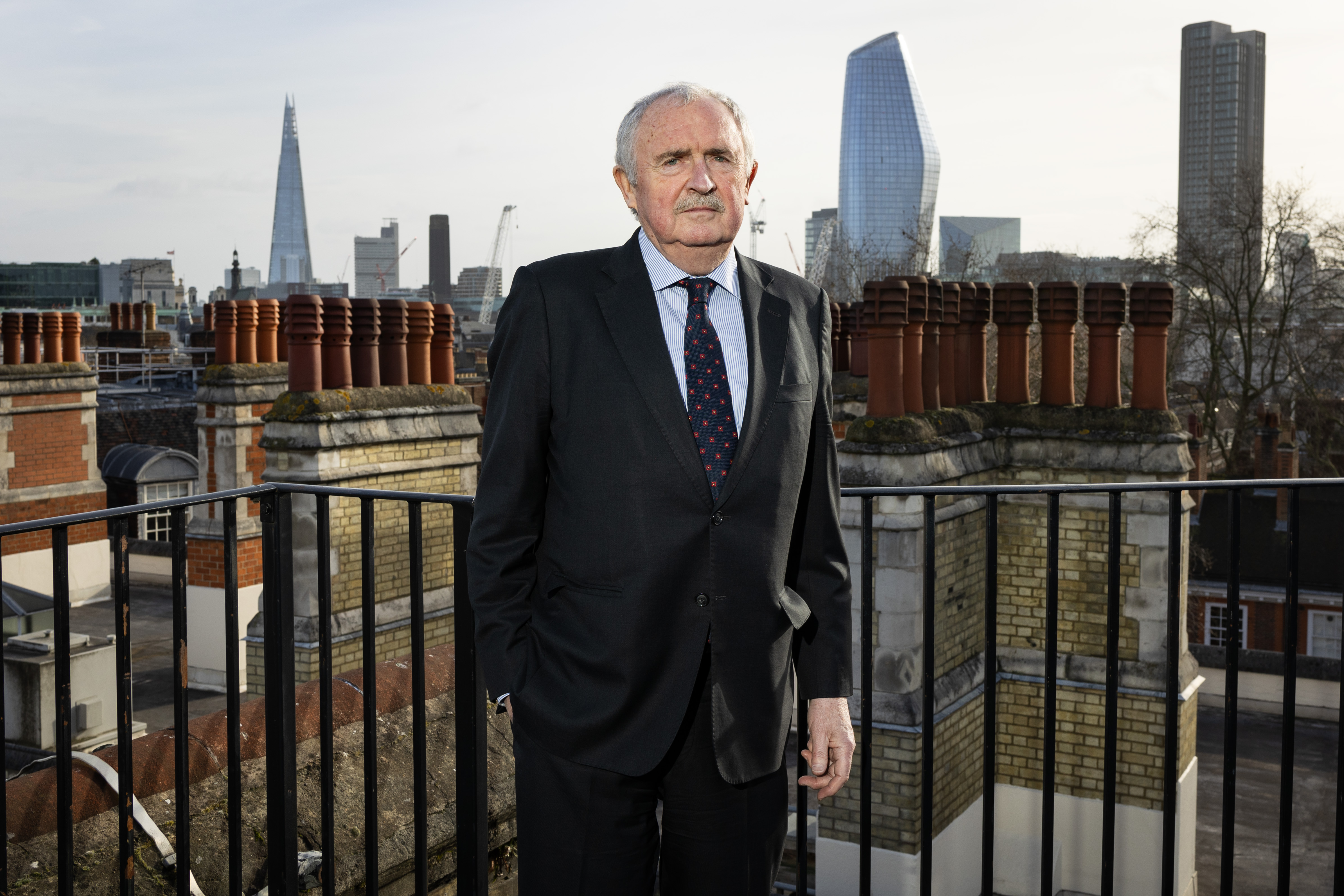
Des Collins
JOSHUA BRATT FOR THE SUNDAY TIMES
Collins said he intended to bring a judicial review of the decision: “I’m disappointed that they’re not approaching this differently, given it’s a completely different council from the one who defended the first class action [in 2009],” he said. (Labour-run Corby council was merged with three others in 2021 to become North Northamptonshire council, which has been run since May by Reform UK.)
The parents Collins represents also want the council to keep its promise to release data on childhood cancer rates. It is more than a month since North Northamptonshire’s director of public health wrote to families saying it had local childhood cancer data for the past ten years and that it had “nearly completed” its analysis and would be convening a meeting to give it to them imminently. Yet no meeting has materialised.
• We had cancer as schoolmates in Corby. Was it really coincidence?
Alison Gaffney, whose son, Fraser, was diagnosed with rare blood cancer as a toddler, said: “The families are waiting. We want to know, why hasn’t it come out yet?”
Gaffney has compiled detailed records of 50 cases of childhood cancer in Corby over the past four decades — and knows of 130 — but wants to see official figures. “We have to know the rates,” she said. “With the history of this town and the proven mismanagement of toxic waste, we feel we have a duty to look into this for our son and for every other family in this town.”
Families concerned about a possible cluster of cases in the 1990s, when the clean-up of the steelworks was under way, are also demanding to know why data before 2014 is not being looked at.
• Toxic waste harmed a town’s babies. is it giving children cancer too?
A teacher who gave lessons to child patients on Leicester Royal Infirmary’s oncology ward in the 1990s said there were “an incredible number of children that were admitted from Corby”.
She recalls researchers arriving in about 1995 to investigate the incidences of cancer in children from the town, and whether there was any correlation with where their fathers worked. She said it was a topic of conversation on the ward, adding: “We talked about it among ourselves. We said, ‘There’s got to be something going on here. Why are we getting so many young children diagnosed with cancers and leukaemia from Corby, whose fathers are working in the steelworks?’
“I remember one very sweet little boy, and his dad worked in the steelworks, and [the father] was mortified because he said, ‘I’ve done this to him. This is my fault. I’ve brought the thing home with me.’ ”
Studies also suggest Corby had high rates of childhood cancer when the steelworks was operational.
Corby had more than 2.5 times the number of expected deaths of under-fours from leukaemia in the town between 1946 and 1965, according to a study published in the Lancet in 1990. Corby’s steelworks went through a programme of expansion from the late 1940s. Sixteen people aged under 24 died from blood cancer in that period.
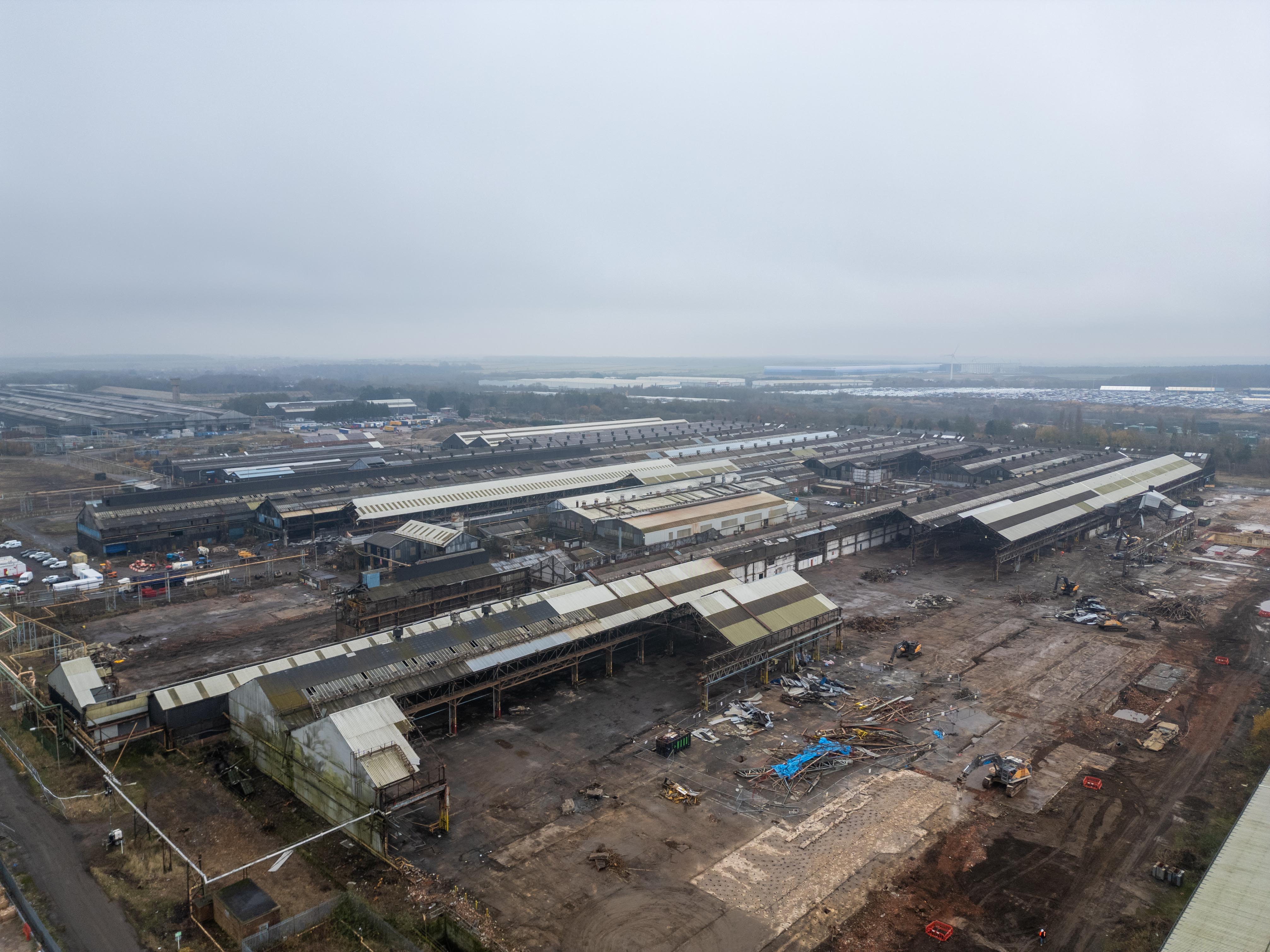
Final demolition in Corby after the steelworks were decommissioned
TERRY HARRIS FOR THE SUNDAY TIMES
Among Corby’s six wards, most of the leukaemia cases among children aged under four were in the areas with the largest population increases. Corby’s population rose rapidly with an influx of workers from Scotland to man the steelworks.
The study hypothesised that Corby was one of several new towns that had seen a spike in leukaemia because of a rare response to an unidentified infection that arose when large numbers of people came together. This study was also later used to argue that a cluster of childhood cancer cases in Seascale, Cumbria, was unrelated to the nuclear site at Sellafield.
Jerry Fagliano, a professor of environmental and occupational health at Drexel University in Philadelphia, found a strong statistical link between leukaemia in girls and their mothers’ exposure to wells contaminated by a dump site in New Jersey. He said that “establishing the causal connections between childhood cancer and environmental conditions has been really challenging” but that “some metals we know, under some exposure conditions, can result in higher incidents of cancers”.
Fagliano gave the example of arsenic, which “is known to cause a variety of different cancers”. Scrubland in Corby earmarked for development as a playground was shown to have arsenic levels twice those acceptable for growing food.
He said there was reason to suspect that a foetus or child exposed to contaminated waste could be vulnerable to both birth defects and cancer — and that the two could be linked. “The kinds of biological effects that would lead to a birth defect could also lead to cancer,” he said.
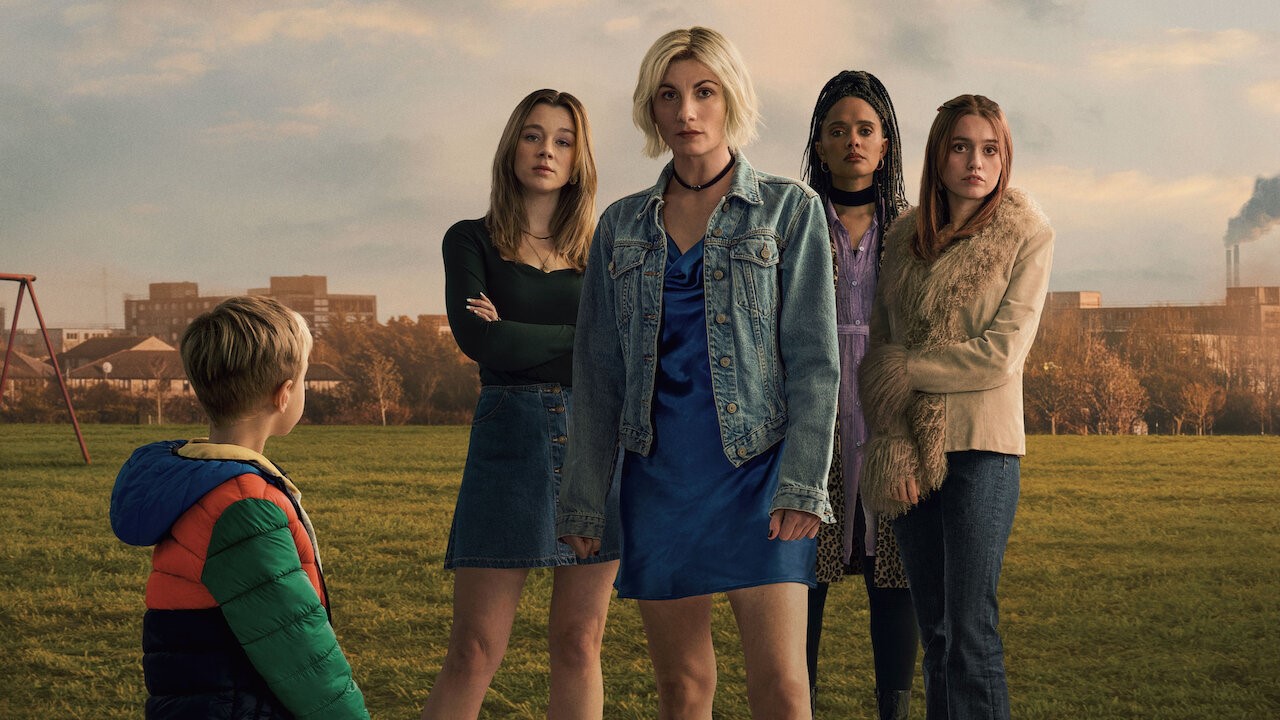
Jodie Whittaker starred in the Netflix series Toxic Town about the Corby scandal
NETFLIX
Awadhesh Jha, professor of genetic toxicology and ecotoxicology at Plymouth University, said levels of exposure were crucial to understand whether cancer could be linked to metals, such as cadmium, that were a by-product of the steelworks.
He said there was not enough available evidence to establish a link, however, and that “there need to be long-term epidemiological studies in these areas and also laboratory-based studies”.
Jha added: “We also need to consider that cancer is a multifactorial disease. There are many confounding factors, for example smoking, drinking and the nutritional status of the parents.”
North Northamptonshire council said its public health team was conducting data analysis of hospital statistics using the residence of the patient.
“The data analysis will capture all children diagnosed with cancer who were resident in North Northamptonshire in the ten-year period, regardless of where their cancer was diagnosed and where they received cancer care and treatment,” a spokesman said. “This approach recognises that children who lived in Corby could have been admitted to and treated in various locations.”