
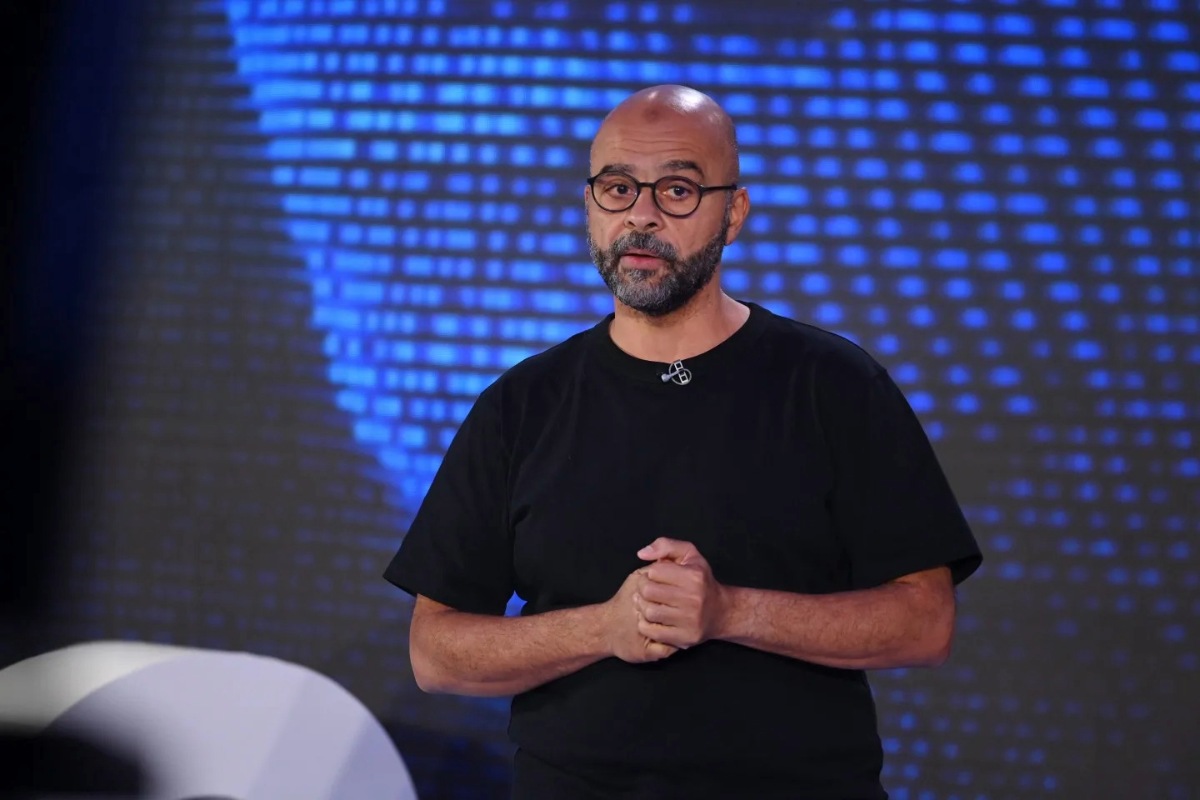
Silicon Valley says AI will make us all more employable, yet a former Google X insider claims the countdown points the other way. Is this fear for sale, or the warning we cannot afford to ignore?
Mo Gawdat does not mince words on AI’s fallout. The former Google X executive says a cascade of job losses could begin by 2027, pointing to his Emma.love startup as proof of how little human labor tomorrow’s companies may need. His stark outlook clashes with the optimism of Jensen Huang and Mark Cuban, even as figures from Fortune and the World Economic Forum show employers already paring back roles for automation. Between warnings of social unrest and a post-2040 society built on creativity, basic income and heavy taxes on AI enterprises, he urges swift action on how the technology is used before the ground shifts under workers.
Mo Gawdat’s bold predictions: what lies ahead for AI and jobs?
Mo Gawdat, former chief business officer at Google X and an outspoken advocate for decoding the impact of artificial intelligence (AI), has shared a stark warning: AI is poised to dramatically reshape the job market, and not in the way many might hope. According to Gawdat, the so-called balance between jobs AI creates and those it replaces is a myth. The timeline? 2027, a mere 15 months away from seismic changes that could shake the very foundations of global economies.
Could AI really replace humans so quickly?
Gawdat doesn’t shy away from controversial predictions. He points to examples like his own AI startup, Emma.love, where a fraction of a typical team achieves results that were once unthinkable without large human resources. For Gawdat, this efficiency signals an alarming shift: AI could outperform humans even in roles traditionally considered untouchable, including high-level CEOs. Could your job be next?
Yet, not every industry leader aligns with this vision. Jensen Huang of Nvidia and entrepreneur Mark Cuban remain optimistic, arguing AI will complement human ingenuity rather than overpower it. So, why is Gawdat convinced otherwise? He and other scholars, including figures like Geoffrey Hinton, highlight data showing the tech job market already contracting, with employers citing AI advancements as a key driver for workforce reductions. It’s a chilling thought.
The ripple effects of job losses
What would mass unemployment on this scale look like? Gawdat envisions a “dystopia” described by chaos, inequality, and economic strain. He is particularly critical of how capitalism, left unchecked, often prioritizes profits over the people it impacts. Organizations like the World Economic Forum have already reported clear signs of change, with businesses actively planning job cuts due to automation on a global scale, and Gen Z workers are feeling the heat.
The decline of technology sector jobs reported in Fortune magazine.
A growing gap in access to retraining programs or upskilling opportunities.
The likelihood of profound wealth imbalances driven by unchecked AI innovations.
Despite acknowledging these risks, Gawdat doesn’t see regulating AI itself as the priority. Instead, he emphasizes the urgent need for balanced policies to prevent societal breakdown, perhaps including caps on AI-driven ventures or changes to taxation frameworks.
A silver lining: the possibility of reinvention
There’s a glimmer of hope in his vision, though. Gawdat believes in the potential emergence of a post-AI society where humans thrive. Imagine a world with universal basic income, freeing people from the drudgery of repetitive work and allowing them to focus on creativity, relationships, and community-building. However, achieving this balance requires heavy taxation of AI enterprises and bold shifts in policymaking. Post-2040, Gawdat argues, humanity might finally unlock this future, but not without pain along the way.
What needs to happen now?
The stakes couldn’t be higher. Gawdat calls for immediate collective awareness and action. While some warn about AI’s technical risks, he’s clear that it’s the socioeconomic system accelerating its chaos we need to address now. Could we restructure the economy and rethink our relationship with work? If not, we may witness the unraveling of the job market and society as we know it sooner than many anticipate.