
UK Chancellor Rachel Reeves has said Brexit made the UK’s economy and productivity “weaker” than initially forecast when the UK voted to leave the European Union.
But Ms Reeves expressed determination that “the past doesn’t define our future” as she set out plans to scrap paperwork and red tape for thousands of UK businesses in a bid to boost lacklustre economic growth at the Regional Investment Summit in Birmingham on Tuesday.
The gathering of business leaders and investors came after more gloomy news, as UK government borrowing in September hit the highest level for the month in five years.
The data from the Office for National Statistics piles more pressure on Ms Reeves ahead of the November 26th Budget, in which she will have to fill a black hole estimated at around £50 billion by some economists.
Ms Reeves said the autumn statement will detail her “plans based on the world as it is, not necessarily the world as I might like it to be” as global volatility and a hike in defence spending “puts pressure on our economy”.
She said exiting the EU had caused more damage than forecasters had expected at the time, with the expected downgrade of the budget watchdog’s previous assumptions likely to make her task of balancing the books even harder.
The Chancellor told reporters: “The Office for Budget Responsibility do the forecasts for the economy. When we left the European Union, or when we voted to leave, they made an estimate about the impact that would have.
“What they’ve done this summer is go back to all of their forecasts and look at what actually happened compared to what they forecast.
“What that shows – and what they will set out – is that the economy has been weaker and productivity has been weaker than they forecast, despite the fact that they forecast that the economy would be weaker because of leaving the EU…
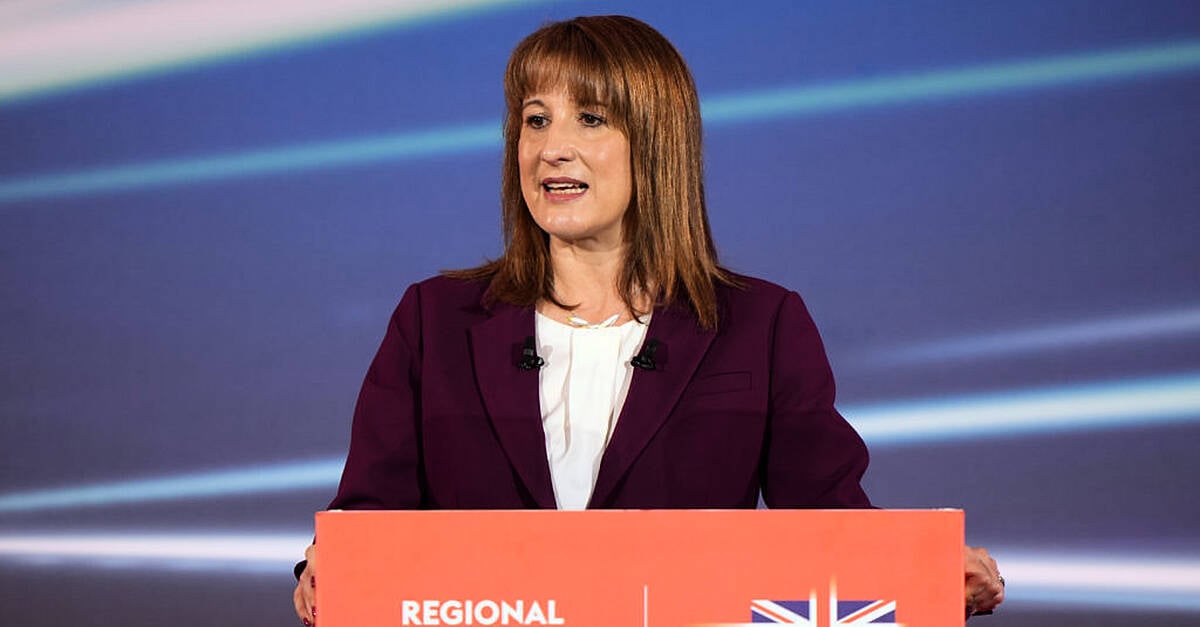
 Chancellor Rachel Reeves has acknowledged she is looking at potential tax rises and spending cuts in her Budget (Joe Giddens/PA)
“I am determined that the past doesn’t define our future and that we do achieve that economic growth and productivity with good jobs in all parts of the country.”
Ms Reeves highlighted more than £10 billion in investment commitments secured at the summit, as well as deregulation and reform to planning and capital markets.
The OBR’s assessment will be published in detail alongside the Budget, in which Ms Reeves has already acknowledged she is looking at potential tax rises and spending cuts.
The National Institute of Economic and Social Research has suggested Ms Reeves will need to find around £50 billion a year by 2029-39 to meet her goal of balancing day-to-day spending with tax revenues while maintaining “headroom” of around £10 billion against that target.