
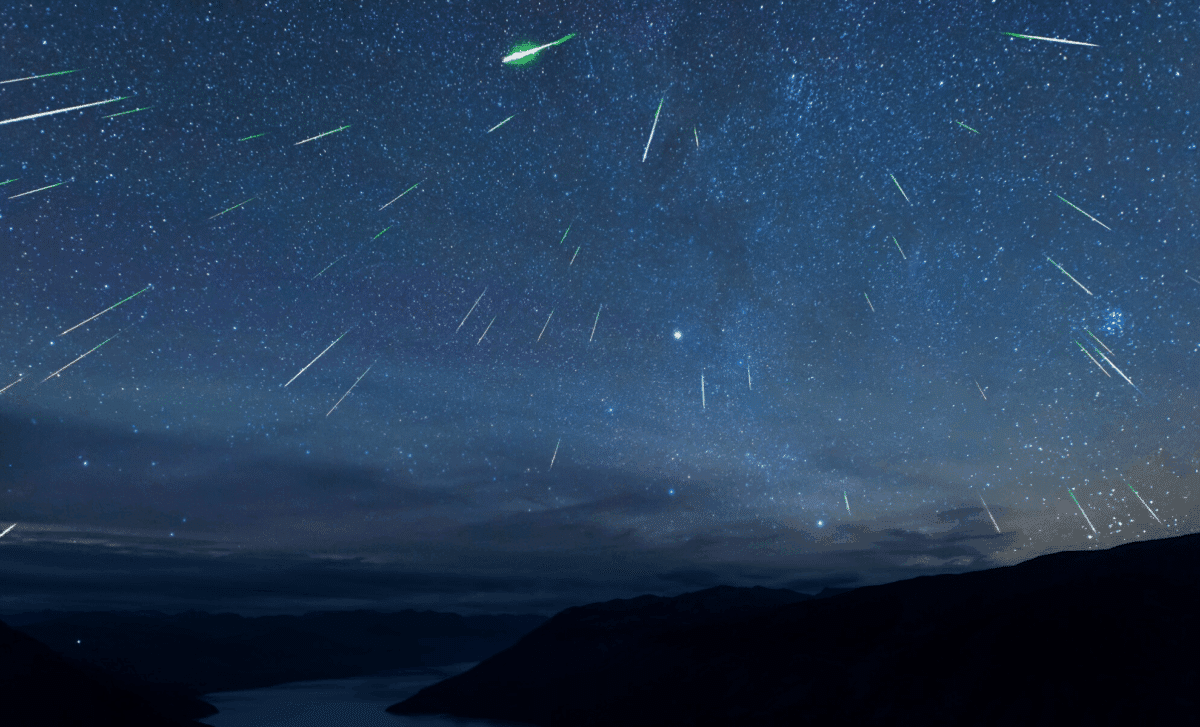
This November, the Taurid meteor shower is putting on one of its most spectacular shows. While many meteor showers have short-lived peaks, the Taurids are known for their long duration, with meteors visible from mid-October to mid-November. As the moon’s brightness fades, stargazers can catch glimpses of these slow, majestic meteors streaking across the sky. With fireballs lighting up the night, this is one cosmic event not to miss.
What Makes The Taurids So Special?
The Taurid meteor shower is a unique celestial event due to its slow-moving meteors and the occasional appearance of fireballs. Unlike other meteor showers, which tend to have shorter visibility windows, the Taurids can be seen for a longer stretch—starting in mid-October and lasting until mid-November. During this time, meteors appear to originate from the constellation Taurus, and many of them are strikingly bright and often yellowish-orange in hue. These characteristics make the Taurids stand out as one of the most memorable meteor showers of the year.
Fireballs, which are larger-than-usual meteors, are a signature feature of the Taurids. This happens because the debris from Comet Encke—the comet that gives rise to the Taurids—is relatively large and often produces spectacular, bright streaks across the sky. These fireballs can be awe-inspiring, creating flashes of light that seem to last longer than typical meteors. Because of the slower speed of these meteors, they tend to appear in the sky for a longer time, offering a longer viewing experience for those lucky enough to spot them.
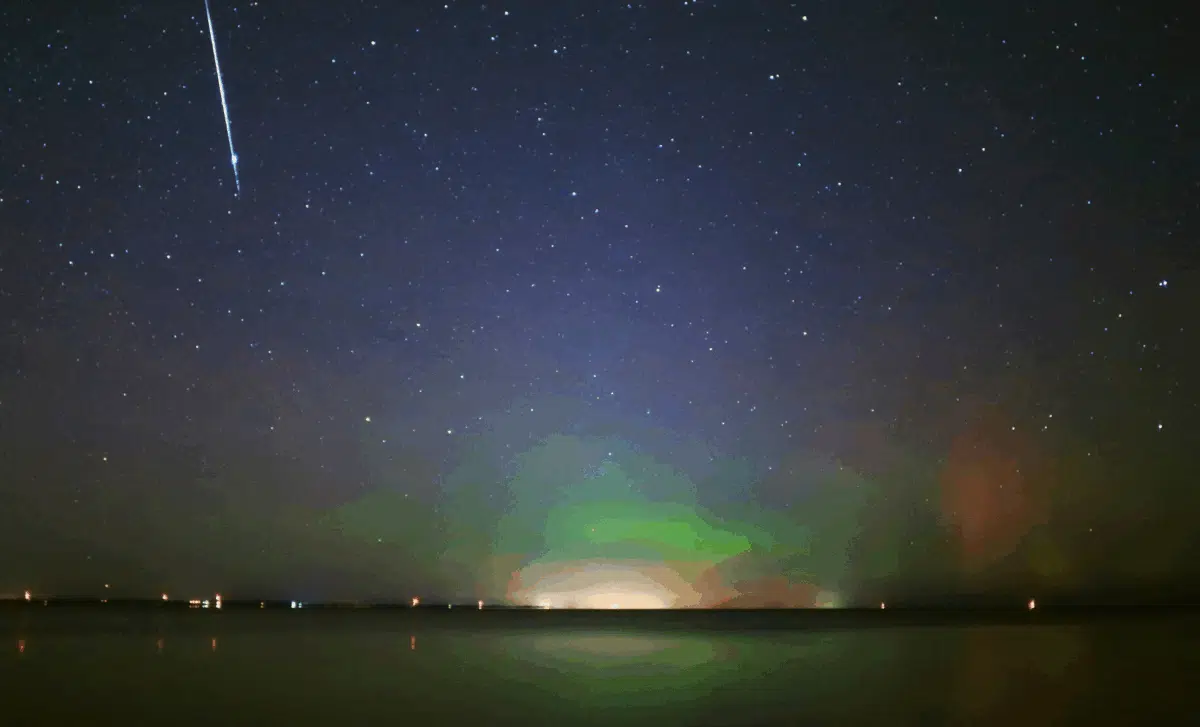 Image credit: Canva
The Best Viewing Times
According to Space.com, while the full moon at the beginning of November may have dimmed some of the Taurids’ brilliance, there is still plenty of time left to catch a stunning display. The moon has been gradually waning, allowing for a clearer view of the meteors as the week progresses. In fact, November 12 is expected to be the ideal night for stargazing, as the moon will rise later in the evening, giving viewers several hours of dark, moonless skies—perfect for spotting the meteors.
As the moon continues to shrink and rise later, the window for observing the Taurids will steadily open, allowing viewers to see up to 15 meteors per hour on clear nights. So, whether you’re an experienced skywatcher or a casual observer, this is your chance to witness a captivating meteor display.
Where To Look: Spotting The Taurids In The Night Sky
If you’re planning to watch the Taurids, knowing where to look is key. The meteors seem to radiate from the constellation Taurus, which becomes visible in the eastern sky a couple of hours after sunset. By 1:30 a.m., Taurus will be nearly overhead, making it the perfect time to spot the meteors. Since the Taurids are best viewed away from city lights, heading to a location with clear skies and minimal light pollution will give you the best chance of seeing these cosmic wonders.
Keep your eyes peeled for slow-moving streaks of light, often with a yellowish or orange tint. This distinctive color and slow movement are characteristic of the Taurids, setting them apart from faster meteor showers like the Perseids or Leonids. And, if you’re lucky, you may even spot a fireball—a bright, slow-moving meteor that leaves a lasting trail across the sky.
The Science Behind The Taurids
The Taurids are not just beautiful to watch—they also have a fascinating scientific origin. These meteors are remnants of Comet Encke, which has the shortest orbital period of any known comet, taking just 3.3 years to complete one orbit around the Sun. The debris left behind by Encke consists of larger fragments than other comets, which is why the Taurids often produce fireballs. These fragments burn up in Earth’s atmosphere, creating the stunning meteor streaks we see from the ground.
The slow speed at which the Taurids travel—just 17 miles per second—also contributes to their long-lasting glow and slower movement across the sky. This slower pace means they appear to hang in the sky for longer, providing more time to enjoy their beauty. Despite their slower pace, the Taurids can still pack a punch with their bright, eye-catching displays.
Why The Taurids Are Worth Watching This Year
This year’s Taurid shower promises to be especially captivating. Despite the early interference from the full moon, the waning moon later in the week will provide ideal conditions for watching the meteors. The shower’s relatively slow meteors and occasional fireballs make it one of the more visually striking meteor showers of the year. Whether you’re watching solo or sharing the experience with friends and family, it’s an opportunity to witness a beautiful celestial event that won’t come around again until next year.
In addition, November holds another treat for stargazers—the Leonid meteor shower. Peaking on November 18, the Leonids will offer another chance to see meteors streak across the sky. However, unlike the Taurids, the Leonids will be much faster and are expected to produce fewer meteors. Together, these two showers create an exciting week for meteor enthusiasts.