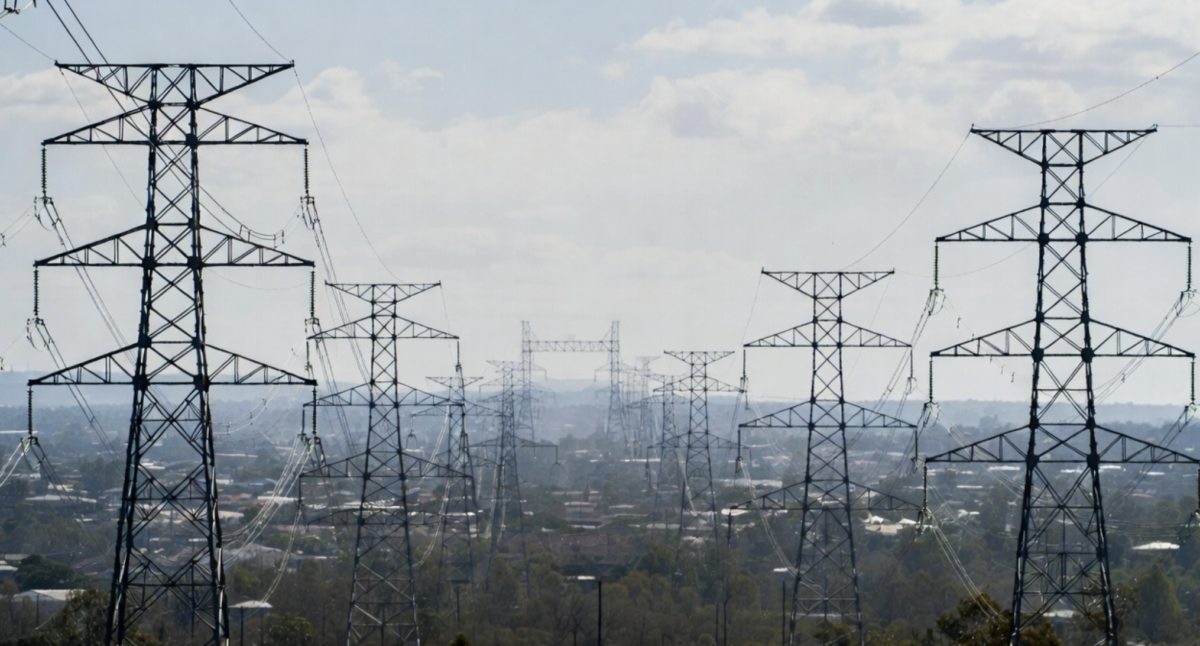
Intium says long and unpredictable grid-connection timelines are undermining investor confidence and complicating Australia’s clean-energy buildout.
November 17, 2025
Ev Foley
Intium, a wholly owned subsidiary of Australian network operator Essential Energy, has said that 20% of surveyed renewable energy developers waited two to three years for grid-connection approval, with delays threatening national renewable energy targets. Developers who reached the commissioning stage and beyond said timelines ran more than 18 months longer than anticipated, according to the energy solutions provider.
Intium Executive General Manager Nathan Rhodes said not getting the grid-connection process right is one of the most significant risks to Australia’s renewable energy goals.
“The need to solve this challenge spans all asset classes central to the energy transition, whether it be utility-scale solar, wind farms, battery energy storage systems (BESS), or microgrids, which must efficiently connect to the grid to deliver energy at scale,” Rhodes said. “If we don’t address these current grid connection delays, they could pose significant risk towards Australia’s 2050 net zero goal progress. This is a nationally important issue that, in our view, deserves greater attention and public discussion.”
The 36 developers surveyed said delays disrupt commercial operations and erode investor confidence, adding pressure to future projects and the broader energy transition.
Business leaders identified change in technical requirements as a key risk, with 44% pointing to unclear and evolving standards that create a “domino effect” for project timelines. Nearly 70% reported missing financial close, often with substantial cost overruns, and 78% said network-connection costs exceeded initial modelling.
Survey respondents cited several additional causes of delay, including access and environmental approvals, Australian Energy Market Operator (AEMO) approvals and signoffs, initial application checks, and procurement of grid-connection equipment.
Respondents said modelling and engineering work must meet higher quality thresholds to satisfy network technical specifications, and that early engagement with specialist expertise can help reduce delivery risk.
Developers identified standardized regulatory processes, greater transparency on network capacity, and increased investment in infrastructure upgrades as the most effective ways to de-risk projects in the National Electricity Market.
Energy developers said they are exploring alternatives to incumbent providers and expressed frustration with the rigidity of commercial structures and limited pricing transparency in contestable markets.
Rhodes said there is strong demand for partners who can provide more certainty on timelines and technical requirements.
“Developers have told us that grid connection delays can derail commercial operations and impact investor confidence. In our view, the risk of not getting it right is hugely significant and must not be underestimated,” Rhodes said. “By engaging specialist expertise from the feasibility stage through to connection, companies may be able to reduce regulatory friction and gain greater clarity and speed, helping address what many investors and developers in the industry see as one of Australia’s most significant energy bottlenecks.”
This content is protected by copyright and may not be reused. If you want to cooperate with us and would like to reuse some of our content, please contact: editors@pv-magazine.com.
Popular content