
Debt justice is therefore not a slogan. It is a prerequisite for development. And it rests on principles that African scholars – including Ibn Khaldun centuries ago – have long emphasised: transparency, accountability, fairness, justice, effectiveness and responsibility. These are not abstract ideals. They are the benchmarks of a fiscally legitimate state. When they are absent, inequality flourishes.
Today’s debt architecture fails all six.
Negotiations remain opaque. Parliaments and citizens are often excluded from decisions that will shape their country’s future for a generation. Creditors face no obligation to disclose terms or assess human-rights impacts. Borrowing frameworks lack transparency. And austerity conditions frequently fall hardest on communities with the least capacity to absorb them.
At the same time, African countries lose far more each year through illicit financial flows and aggressive tax avoidance than they receive in loans. No conversation about inequality is complete without acknowledging this basic asymmetry: Africa is a net creditor to the world. Yet it pays interest as if it were the opposite.

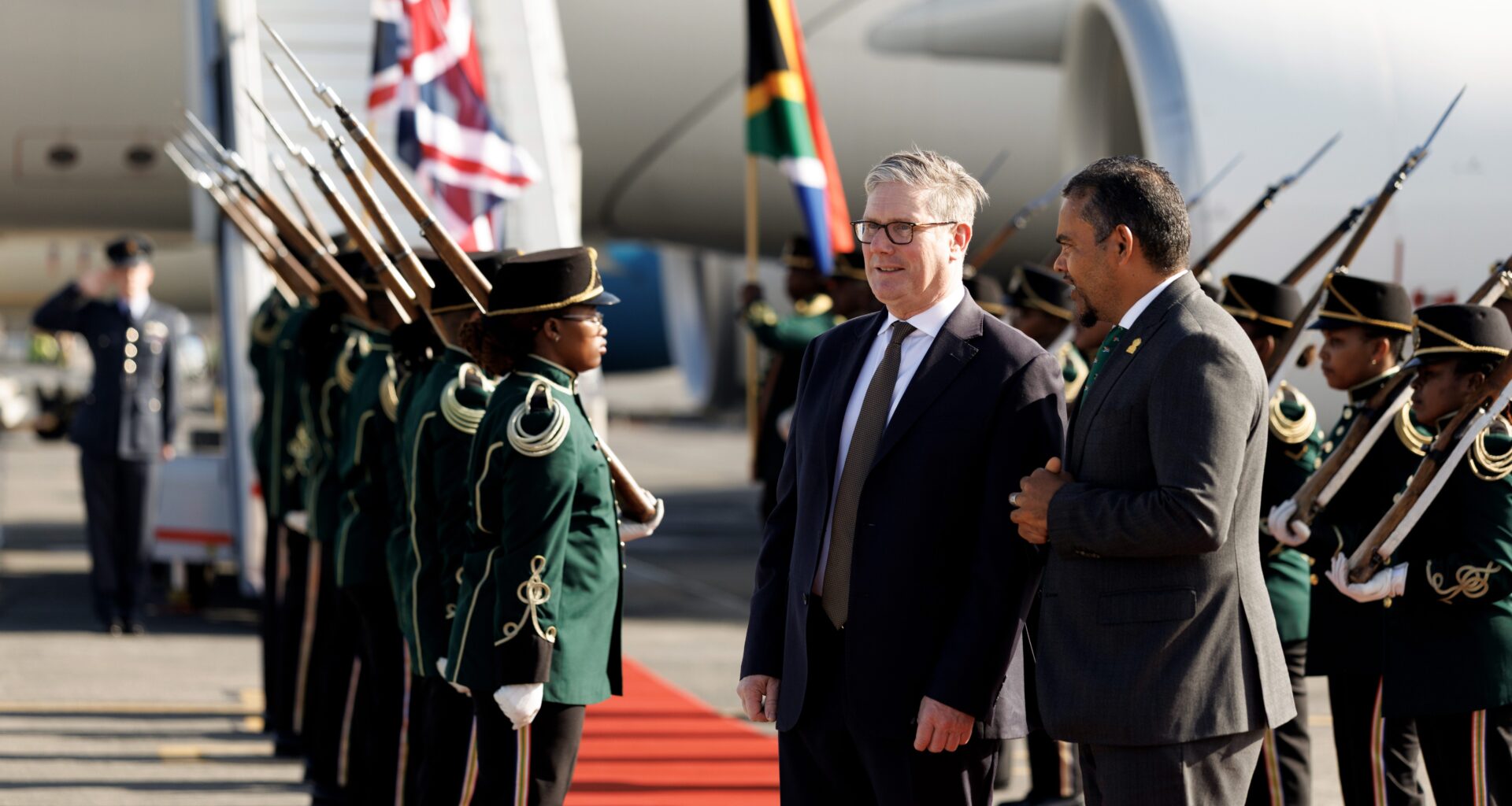
The G20 in Johannesburg offers a rare opportunity to confront these structural injustices. If inequality is truly the organising principle of this summit, then three commitments are essential.
First, the G20 must support a fair, timely and transparent sovereign debt workout mechanism. No country should wait years for relief because creditors cannot coordinate. Rules must be predictable, human-rights based, and shield essential public services from harmful cuts.
Second, global tax rules must change. African countries need stronger taxing rights, updated treaties, and a global approach that treats multinational companies as unitary entities. Without tax justice, debt justice is impossible.
Third, borrowing decisions must be brought into the open. Parliaments should have clear oversight, governments must publish terms, and creditors should disclose the full conditions attached to their lending.
Africa did not choose the rules that constrain its fiscal space. But hosting the G20 gives the continent an opportunity to help rewrite them. Inequality will not be solved by statements of concern. It will be solved by building a global fiscal system anchored in justice.
Debt justice is where that work must begin.
Professor Attiya Waris is a UN expert on foreign debt and international finance, a professor of fiscal law at University of Nairobi and author of Financing Africa.
Do you have a story to tell or opinions to share about this? Get in touch and tell us more.
Change a vendor’s life this Christmas.
Buy from your local Big Issue vendor every week – or support online with a vendor support kit or a subscription – and help people work their way out of poverty with dignity.