
We are living through a truly unique moment in history. The year 2025 may well be remembered by future generations as a turning point between two radically different eras. On one side, the 20th century—finally fading away—shaped by rigid political, economic, and energy systems that dominated our world for nearly a century. On the other, a rising 21st century powered by revolutionary technologies that promise to reshape how we live, work, and even think.
The end of an era: the decline of older systems
Since the end of World War II, institutions such as the American welfare state, major carbon-based industries, and the Pax Americana have structured our societies. But today, these systems are showing unmistakable signs of decline. Their rigidity and their inability to meet today’s political, social, and environmental challenges are making them obsolete. We are witnessing their breakdown—sometimes abrupt—on multiple fronts.
For example, certain populist movements are challenging long-established state bureaucracies, while efforts to combat climate change require a gradual abandonment of fossil fuels. Beneath this apparent chaos lies a profound transformation.
Technologies as engines of a new world
At the heart of this shift, three major technological revolutions are taking hold: artificial intelligence, renewable energy, and bioengineering. These breakthroughs are not just another wave of innovation; they mark a historic turning point capable of transforming human civilization.
Artificial intelligence: a revolution underway
AI—especially generative AI like ChatGPT—has advanced at breathtaking speed. These systems rely on algorithms capable of learning autonomously by processing vast amounts of data, enabling them to understand, generate, and even anticipate content with remarkable accuracy.
This leap began in 2012 with the breakthrough of AlexNet, a deep-learning model that revolutionized image recognition. Since then, AI has moved from the lab into everyday life, creating opportunities across industry, healthcare, education, and more.
Clean energy: solar power and mass electrification
At the same time, an energy revolution is rapidly unfolding. The large-scale production of solar panels—especially in China—has driven prices down by more than 80 percent in a decade. Today, solar power is cheaper than coal and has become the dominant energy source in many countries.
This transition is critical in the fight against climate change. Electric vehicles are also seeing explosive growth, reducing dependence on fossil fuels and cutting greenhouse gas emissions.
Bioengineering: redesigning life at the molecular level
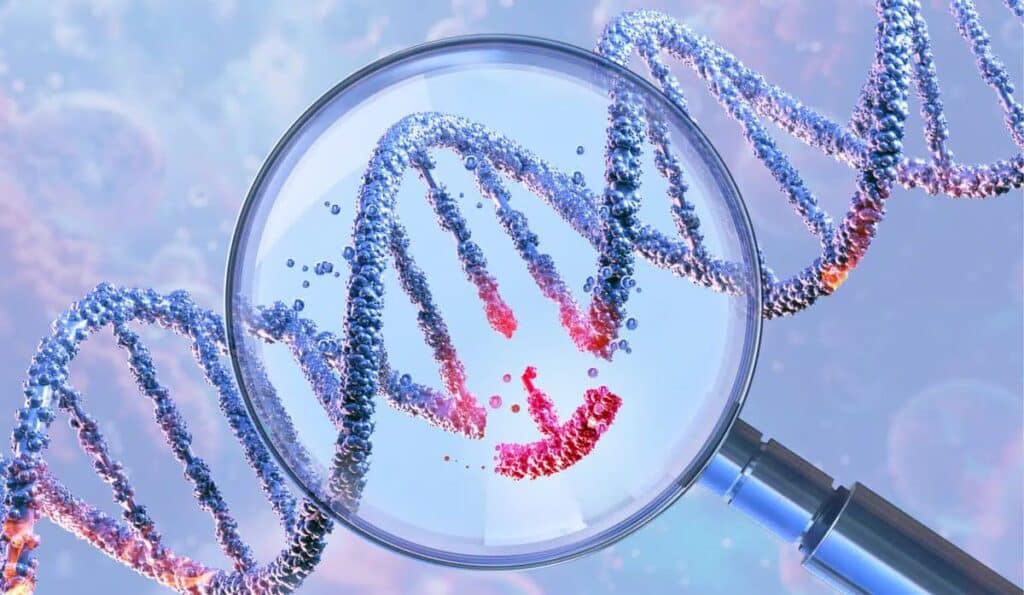
Finally, bioengineering—particularly through CRISPR-Cas9, discovered in 2012—is opening up previously unimaginable possibilities. This tool allows precise gene editing, revolutionizing medicine, agriculture, and biology more broadly.
With CRISPR, scientists can envision correcting genetic diseases, developing more resilient crops, or even designing organisms adapted to new ecological challenges. This field is becoming a key pillar of synthetic biology, a rapidly expanding industry.
A tipping point toward exponential growth
These three sectors—AI, clean energy, and bioengineering—have all reached a breakthrough moment over the past fifteen years. Each began with slow progress accessible only to elite researchers and engineers. Then, a tipping point arrived: innovations became widely accessible, and adoption accelerated exponentially.
This shift may surprise those who haven’t followed these developments closely, but it is essential for understanding the world now taking shape. These technologies intertwine, amplify one another, and lay the foundation for a new socioeconomic system capable of addressing 21st-century challenges.
© quantic69/istock
Why this transition is also an opportunity
It’s understandable that these upheavals raise concerns. Artificial intelligence sparks fears of massive job losses, bioengineering raises major ethical questions, and the move toward renewable energy upends entire industries.
But focusing only on the risks means overlooking the extraordinary opportunities these technologies offer. They can reinvent our way of life, dramatically reduce our ecological footprint, improve human health and longevity, and support more sustainable and equitable economic growth.
The challenge is to understand this momentum and participate actively. Instead of trying to preserve outdated systems, it is time to build new structures suited to our era.
An invitation to shape a better future
The transformation we’re experiencing is comparable in scale to the sweeping changes that occurred after World War II. At that time, the world built new institutions and new models that fueled decades of unprecedented progress.
Today, we have the chance to replicate that achievement—but on a larger scale and at a far faster pace, thanks to these revolutionary technologies. The responsibility is collective: governments, businesses, researchers, and citizens must all take part in this Great Progression unfolding toward 2050.
This transformation will not happen automatically. It requires understanding, engagement, innovation, and collaboration. But the tools are available, and their potential is immense.
Seizing the historic moment
In 2025, you are standing in the midst of an extraordinarily intense historic moment. Old systems are collapsing, new technologies are exploding, and a major chapter of human history is being written right now.
Instead of simply enduring this transition, we can understand it, anticipate it, and turn it into a powerful force to build a fairer, more sustainable, and more innovative world.
That is both the challenge—and the extraordinary promise—of our time.