
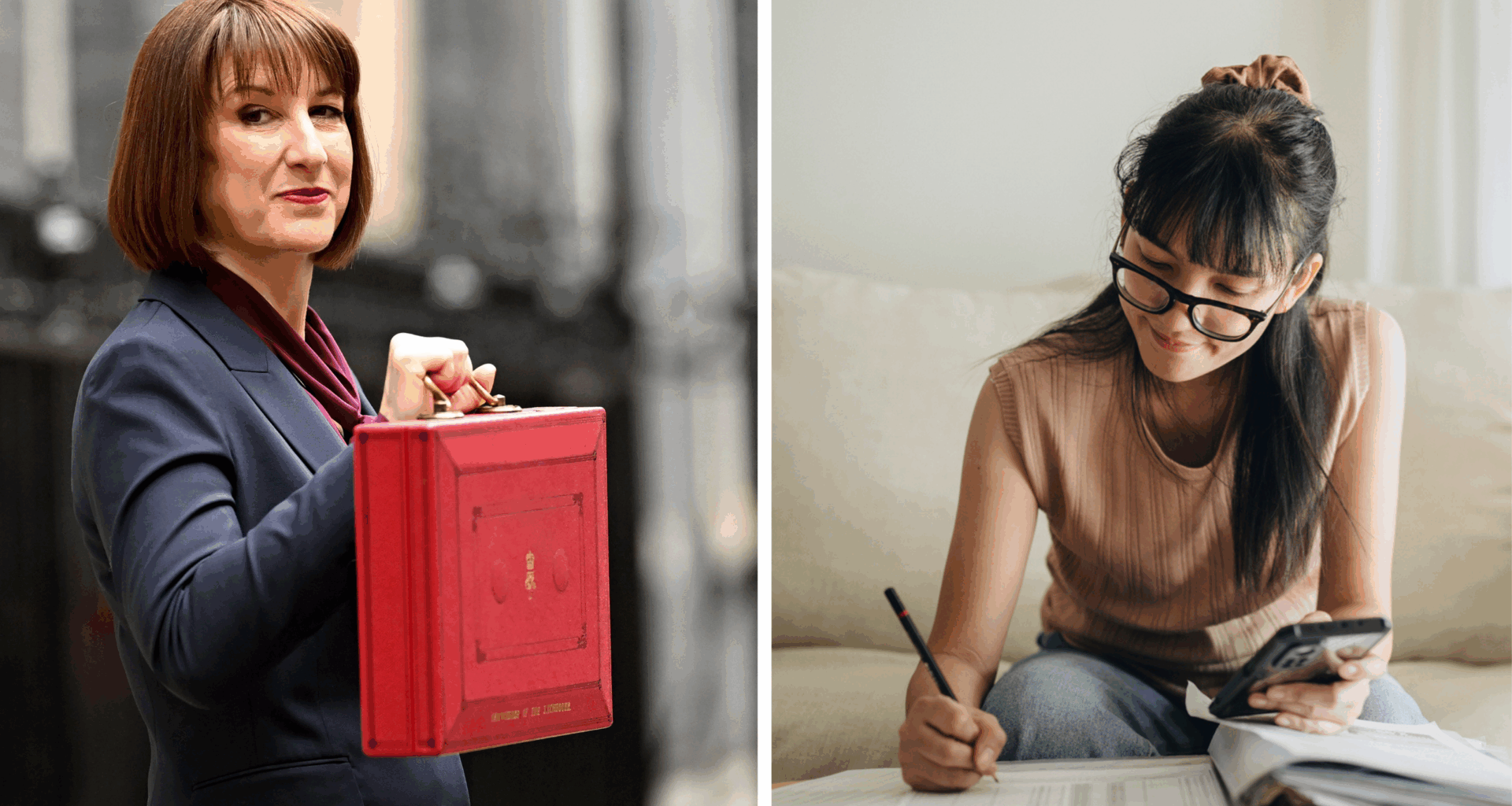
After months of speculation, leaks and dramatic headlines, the Chancellor of the Exchequer Rachel Reeves, has finally confirmed what’s changing. Now comes the important part: what does it actually mean for you and your finances?
Whether you’re planning for the future or navigating a career transition, the chancellor’s decisions on taxes, pensions, energy costs, and public services can have a very real impact. Taking time to understand what the Budget means for you will help you make informed choices that protect your lifestyle and financial security.
DAY-TO-DAY LIVING COSTS
Will life get any cheaper? There’s some modest relief on energy bills and a freeze on certain transport costs. It’s not a huge saving but at a time when everything feels more expensive, small cuts help
Best picks for you
Energy bills: From April 2026, £150 will be cut from energy bills across England, Scotland, and Wales with the scrapping of green levies. If you are on a fixed-rate tariff, this saving should be passed on. Martin Lewis is pushing for cast-iron confirmation. Sarah Pennells, consumer finance specialist at Royal London, says: “As more women than men are on a low income, whether during work or in retirement, and energy bills make up a bigger proportion of the outgoings of people on a low income, women will benefit more from this.”Rail fares: Regulated rail fares in England are frozen until March 2027, including some season tickets, some off-peak long-distance tickets and flexible city travel options.Buses: The £3 cap on most single fares in England remains until March 2027.Fuel duty: The 5p “temporary” cut is extended from April. Duty will begin to rise in stages from September 2026.EV charges: From 2028, electric vehicle and hybrid drivers will pay new road maintenance taxes – 3p per mile for EVs, and 1.5p per mile for plug-in hybrids, rising annually with inflation.Prescriptions: Charges remain frozen at £9.90 – welcome news for anyone on regular medication or HRT.YOUR PAY PACKET
Income tax thresholds remain frozen until 2031. Any rise in your income – pay rise, lucrative new side hustle – could tip you into a higher tax bracket. This could pinch women especially hard, given peak earning years often collide with high outgoings: kids, older parents, mortgage, and pension building.
Sarah Coles, head of personal finance, Hargreaves Lansdown, warns: “Pay rises will push even more people into paying more tax – and more at a higher rate. It’s not just the tax on earnings that’s affected. Crossing thresholds can also mean a lower personal savings allowance and higher rates of dividend tax and capital gains tax.
So how can you soften the blow? “You can cut the tax you pay on your salary by boosting your pension contributions and getting tax relief at your highest marginal rate. You can protect savings interest from income tax in a cash ISA, and a stocks and shares ISA will protect you from tax on dividends and capital gains,” says Sarah Coles.
Self-employed or run a small business? New rules mean tax will be paid sooner. From 2029, employees will have to pay more of their tax bill as they go along through the PAYE system. For the self-employed, the government will consult early next year on accelerating payments.
“On paper, this should help avoid some people being wrong-footed by the gap between earning and paying tax. But the transition will need care so people aren’t suddenly confronted with tax bills for multiple years,” says Sarah Coles.
Polly Dhaliwal, COO at Enterprise Nation, says: “Most female entrepreneurs will feel the tax screw tightening, with higher taxes on dividends, property and savings, and new National Insurance charges on salary-sacrifice pensions all raising the effective burden on small business owners.
SAVINGS AND INVESTMENTS
ISAs have done a brilliant job of encouraging millions of us to save tax-efficiently. But from April 2027, the amount you can save tax-free each year in a cash ISA will drop from £20,000 to £12,000. “The measure to limit the amount that can be saved in a Cash ISA is not designed to raise tax, rather to encourage more people to invest. Women are far less likely than men to invest in a Stocks and Shares ISA than men,” says Sarah Pennells.
Only a quarter of cash ISA savers currently exceed £12,000 a year. But for those who do, this change will slow wealth building. According to analysis by Investec Save, currently the average cash ISA pays a rate of 2.7% a year. A saver depositing £12,000 a year will take 28 years to save £500,000, compared with 19 years if they were able to save £20,000 a year.
There aren’t many years when many people have this kind of money to save, but there may be years when you do – because of anything from downsizing to inheriting or taking the tax-free cash from a pension. “If you have too much for a cash ISA and end up in a normal savings account as well, you need to be aware that if the interest you make on your savings busts your personal savings allowance, the budget hiked the rate of tax you pay on savings income,” says Sarah Coles.
Dividend tax also rises by 2% for basic and higher-rate taxpayers, making it even more important to shelter investments in ISAs and pensions.
PENSIONS: A CHANGE THAT COULD HIT YOUR RETIREMENT PLANS
Salary sacrifice- currently one of the most – tax-efficient ways to boost your pension – is being capped. From April 2029, only the first £2,000 of employee contributions via salary sacrifice will be exempt from national Insurance. You can still contribute more but National Insurance will apply.
Helen Morrissey, head of retirement analysis, Hargreaves Lansdown explains: “Someone earning £50,000 and sacrificing 5% (£2,500) of salary into their pension will pay £40 more National Insurance. This is because they would be subject to NI at 8% on the amount over £2,000 sacrificed. These extra costs could put people off choosing to increase their pension contributions over and above auto-enrolment minimums.”
The good news: there’s time. The change doesn’t come in until 2029. “If you have spare cash and you contribute to a salary sacrifice arrangement it could make sense to boost your contributions and make the most of the income tax and National Insurance savings to boost your long-term resilience,” says Helen.
FAMILY SUPPORT
The two-child benefit cap for Universal Credit is being scrapped – a major shift for low-income families. It does not affect Child Benefit or the overall benefit cap. The Office for Budget Responsibility says removing the cap will benefit an estimated 560,000 families by 2029-30, who will gain an average of £5,310 a year,
And, there’s more support for carers. This April, the earnings limit for Carer’s Allowance rose from £151 to £196 per week, (around 16 hours at the National Living Wage). With the minimum wage rising to £12.71 an hour from April, the government says the Carer’s Allowance earnings limit will continue to keep pace.
The Chancellor has also allocated £75 million over the next three years to address Carer’s Allowance overpayments. Helen Walker, chief executive of Carers UK, called it a vital step towards addressing the injustices carers have faced for far too long. If this affects you, keep an eye out at CarersUK if this applies to you.
PROPERTY & HOUSING
The most significant new measure is the so-called ‘Mansion Tax’: a Council Tax surcharge on properties worth over £2 million. It’s an added annual charge, not a replacement for the existing council tax.
Tanya Elmaz, managing director of intermediary sales at mortgage lender, Together, warns: “With elevated house prices, London and the south-east will be particularly badly hit. Asset-rich but cash-poor older homeowners could really struggle, as this tax could be equivalent to an entire year’s state pension.”
There are four price bands, starting at £2,500 for a property valued in the £2m- £2.5m, rising to £7,500 for homes over £5m.
Lifetime ISAs may be scrapped. The government plans to consult in early 2026, on a new simpler ISA to help first time buyers, which would replace the Lifetime ISA. Paula Higgins, CEO of the HomeOwners Alliance says: “This is a positive for buyers frustrated by current limits: while Lifetime ISAs give a 25% bonus on up to £4,000 of annual savings, they can only be used to buy homes under £450,000, and if you need to withdrawal your money for any reason will trigger a fee.” Until any reform, the £4,000 annual limit will stay in place for the 2027 tax year.
‘If parents are feeling very generous you can gift savings so your child can benefit from 25% extra from government,” says Paula.