
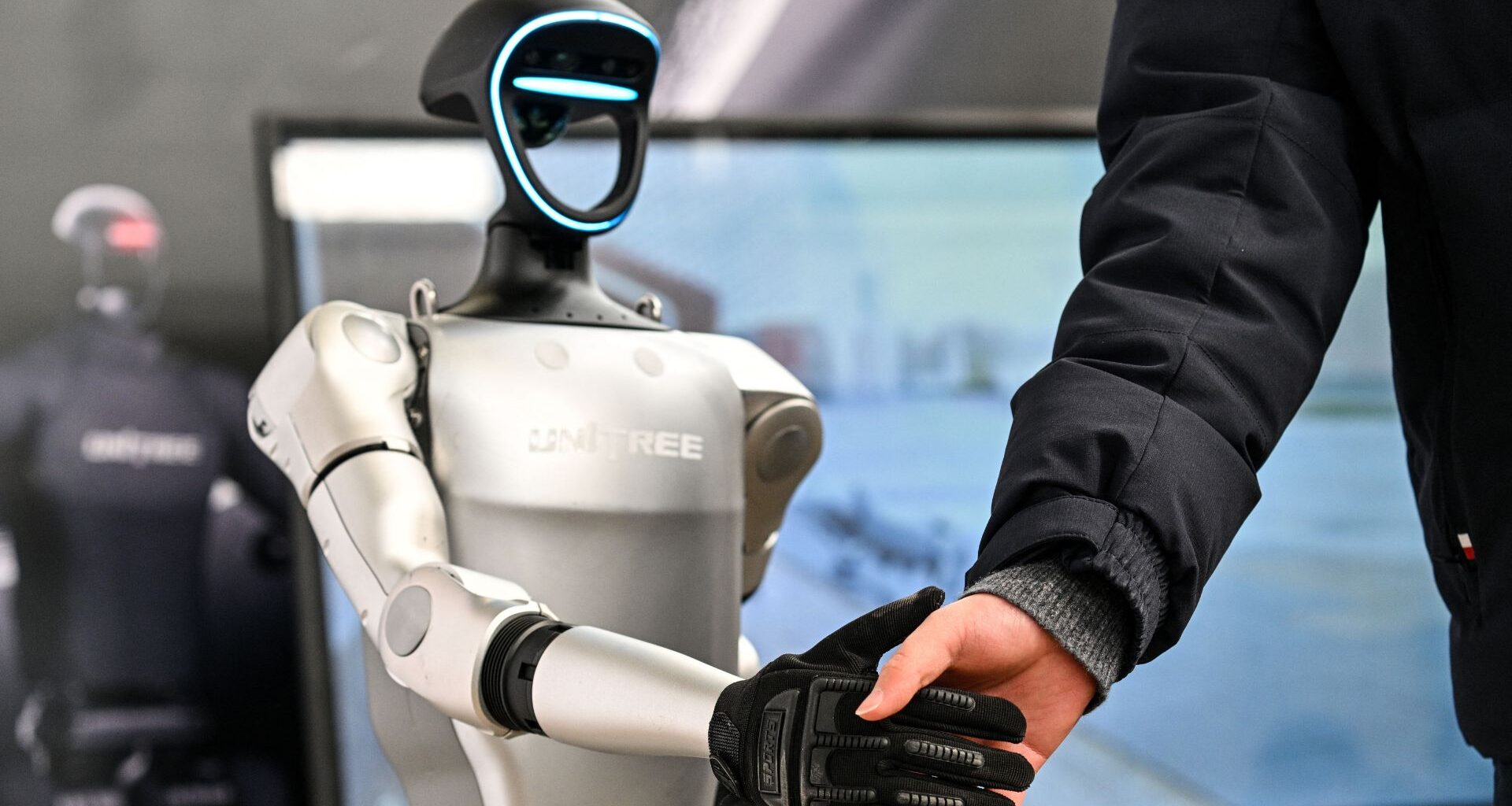
China is racing to lead the future of humanoid robotics, but its top economic planner is now signalling caution. The country’s rapid surge in investment, companies, and prototypes has fueled excitement, yet regulators worry the momentum could outpace reality.
Speaking in Beijing on Thursday, National Development and Reform Commission (NDRC) spokesperson Li Chao urged the industry to grow responsibly.
She warned that humanoid robotics must balance fast development with the risk of overheating. Investment has poured into the sector despite limited proven use cases in factories or homes.
Industry scale grows fast
Li said more than 150 companies in China are now working on humanoid robotics. Over half are either new startups or firms pivoting from other sectors. She cautioned that the rush could lead to repetitive products and stagnation.
According to her, “Frontier industries have long grappled with the challenge of balancing the speed of growth against the risk of bubbles — an issue now confronting the humanoid robot sector as well.”
The remarks stand out because Beijing has previously positioned embodied intelligence, the technology powering humanoid robots, as a core strategic priority.
It is one of six industries listed by the Communist Party as a future driver of economic growth as the country shapes its development roadmap to 2030.
The pace of growth has been rapid. In the last two years, major Chinese trade fairs have showcased multiple prototype humanoid robots, often capable of walking, manipulating objects, and performing basic assistance tasks.
Many companies have also begun demonstrating robots designed for warehouse logistics, simple production line handling, and customer service roles.
Investors and analysts see these demonstrations as proof that the sector is maturing, even if most deployments remain pilots rather than large-scale contracts.
Investment heats up despite slow adoption
Investor interest remains strong. Citigroup expects “exponential” growth in robot production next year as more Chinese firms scale up manufacturing, Bloomberg reported. Corporations are reporting early traction.
UBTech, one of the more high-profile players, has announced orders worth more than one billion yuan.
Market performance reflects the enthusiasm. The Solactive China Humanoid Robotics Index, which tracks companies in the space, has jumped about 26 percent this year. But despite the confidence, actual adoption is limited.
Real-world deployment in factories and consumer environments is still rare, and the timeline for mainstream use remains unclear.
Regulator plans tighter oversight
Li said authorities will work to prevent a wave of “highly similar” products and protect room for innovation.
Regulators plan to improve rules for entry and exit, create more competitive conditions, and support essential research areas.
She added that the government will strengthen resources for testing and training facilities and encourage companies to consolidate knowledge and technology.
The message is clear – China wants the sector to flourish, but not at the cost of stability.