
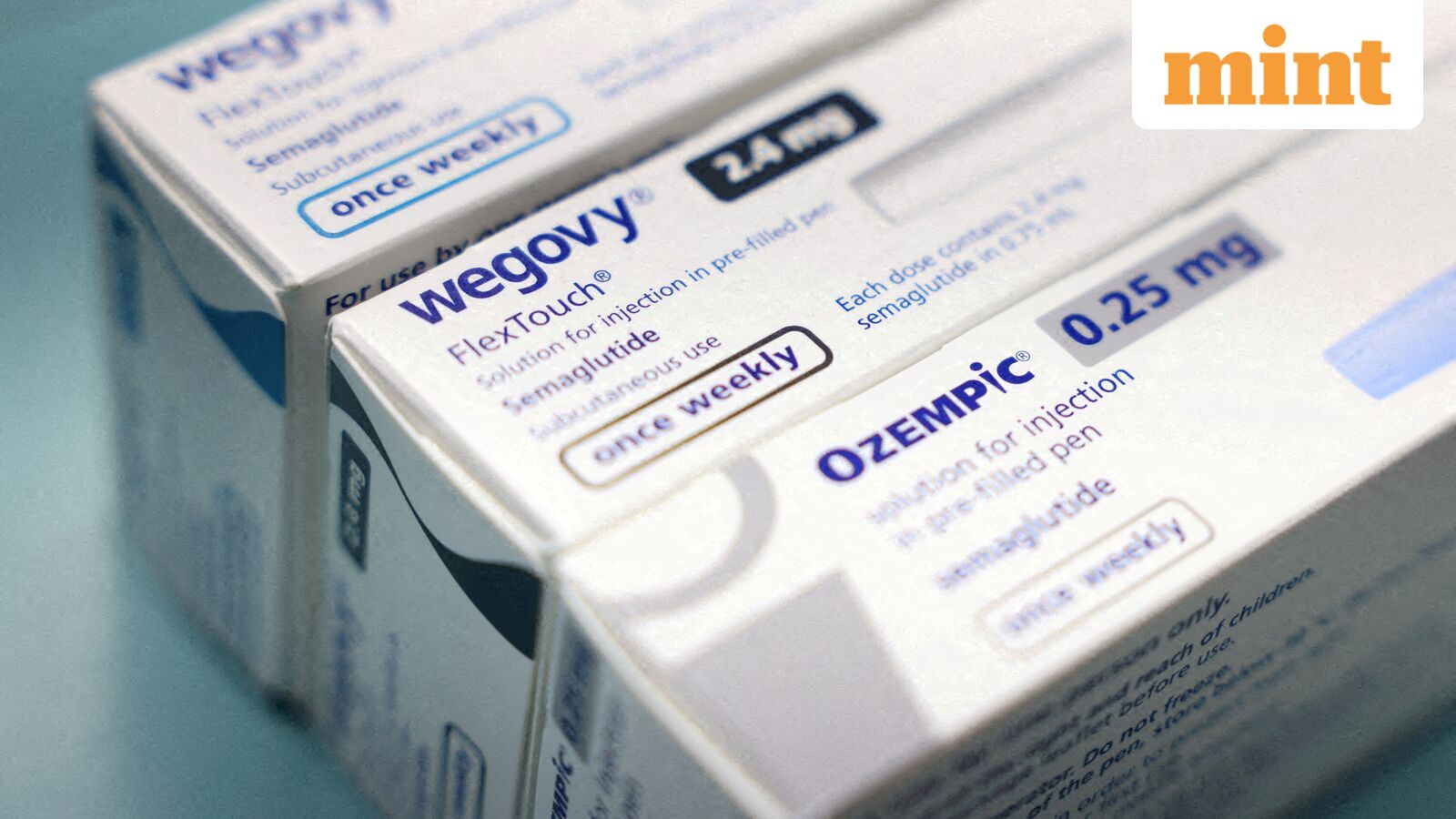
The World Health Organization (WHO) has come out with the first-ever guidelines on the global use of Glucagon-Like Peptide-1 (GLP-1) medicines for “treating obesity as a chronic, relapsing disease.”
In a blog post published on 1 December, WHO noted that obesity afflicts people worldwide and linked to 3.7 million deaths from the disease in 2024. The health body warned that without decisive action, the figure could double by 2030.
The GLP-1 therapies were added to the WHO’s Essential Medicines List for managing type 2 diabetes in high-risk groups. Now, with the new guideline, it has recommended the use of such drugs to overcome the ‘serious health challenge’ of obesity. However, the blog post stresses that such drugs form a part of a comprehensive approach and cannot work on their own.
The WHO recommends a healthy diet, regular physical activity, and consultation with health professionals as well.
Dr Tedros Adhanom Ghebreyesus, WHO Director-General, said regarding obesity, “Obesity is a major global health challenge that WHO is committed to addressing by supporting countries and people worldwide to control it effectively and equitably. Our new guidance recognizes that obesity is a chronic disease that can be treated with comprehensive and lifelong care,” adding, “While medication alone won’t solve this global health crisis, GLP-1 therapies can help millions overcome obesity and reduce its associated harms.”
Two key recommendations by WHO
The WHO has issued two key recommendations regarding GLP-1 drugs:
1. The GLP-1 drugs may be used by adults, except for pregnant women, in order to treat long-term obesity. However, the recommendation is on a conditional basis, since data on the long-term side effects of these drugs is limited. There are also issues of maintenance of the treatment, the costs of these therapies, as well as the lack of preparedness of the health systems.
2. Adults living with obesity and prescribed GLP-1 treatments may also be offered intensive behavioural interventions, including healthy diets and physical activity. Low-certainty evidence suggests that these interventions might enhance outcomes of this treatment.
Australian regulator issues mental health warning
The Therapeutic Goods Administration (TGA), the Australian drug regulator, has issued a warning for those taking GLP-1 receptor agonist drugs like Ozempic, Wegovy, Saxenda, Trulicity and Mounjaro.
The warning says that these pose mental health risks, and it advises doctors to “monitor patients for the emergence or worsening of depression, suicidal thoughts or behaviours, and/or any unusual changes in mood or behaviour,” as per a report by The Guardian.
Dozens of reports of suicidal behaviour and ideation prompted the warning, but researchers have found no clear evidence to prove a causal link.
Moreover, the Moujnaro label now comes with a warning that women using this drug might see a possibly reduced effect of oral contraceptives.