
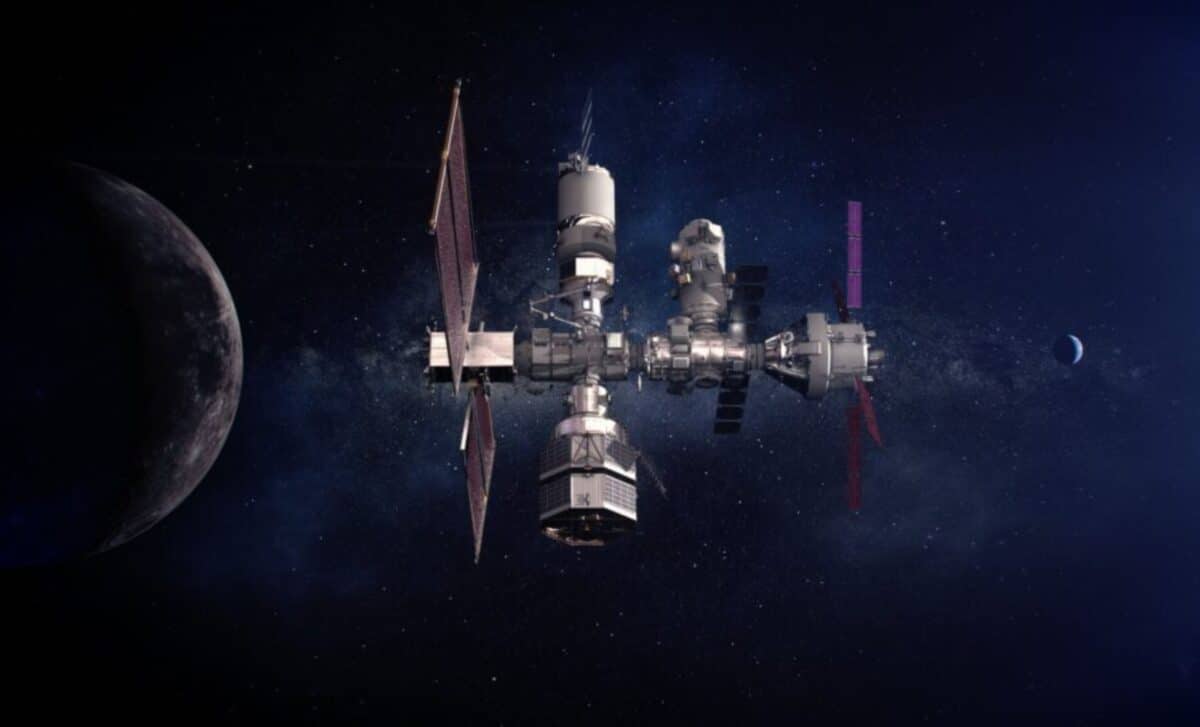
The European Space Agency (ESA) is pushing ahead with its ambitious plans for the Lunar Gateway, a space station that will orbit the Moon. After some rocky moments, ESA has made it clear that it is fully invested in the project. This station, expected to be the first of its kind, will serve as a critical base for future lunar missions and could even help take astronauts farther into space.
This commitment to the Lunar Gateway comes at a time when space exploration is facing major transitions. The International Space Station (ISS) will soon be retired, and countries like the United States, Russia, and China are all looking toward the next big leap.
The Gateway’s Role in Moon Exploration
According to the NASA, the Lunar Gateway will be a central hub for astronauts traveling to the Moon, providing them with the necessary infrastructure for their missions. Essentially, the Gateway will function as a launchpad, but it will also support those working on the lunar surface. As ESA astronaut Alexander Gerst explained:
“We will build the Gateway. It’s a space station that’s set to orbit the moon as a base station, as a base camp to go down to the surface.”
The station is a major part of NASA’s Artemis program, which aims to put the first woman and the next man on the Moon by 2025. According to Gerst, the Gateway will make these missions possible, with Europe playing a significant role—two modules of the Gateway will be built by ESA.
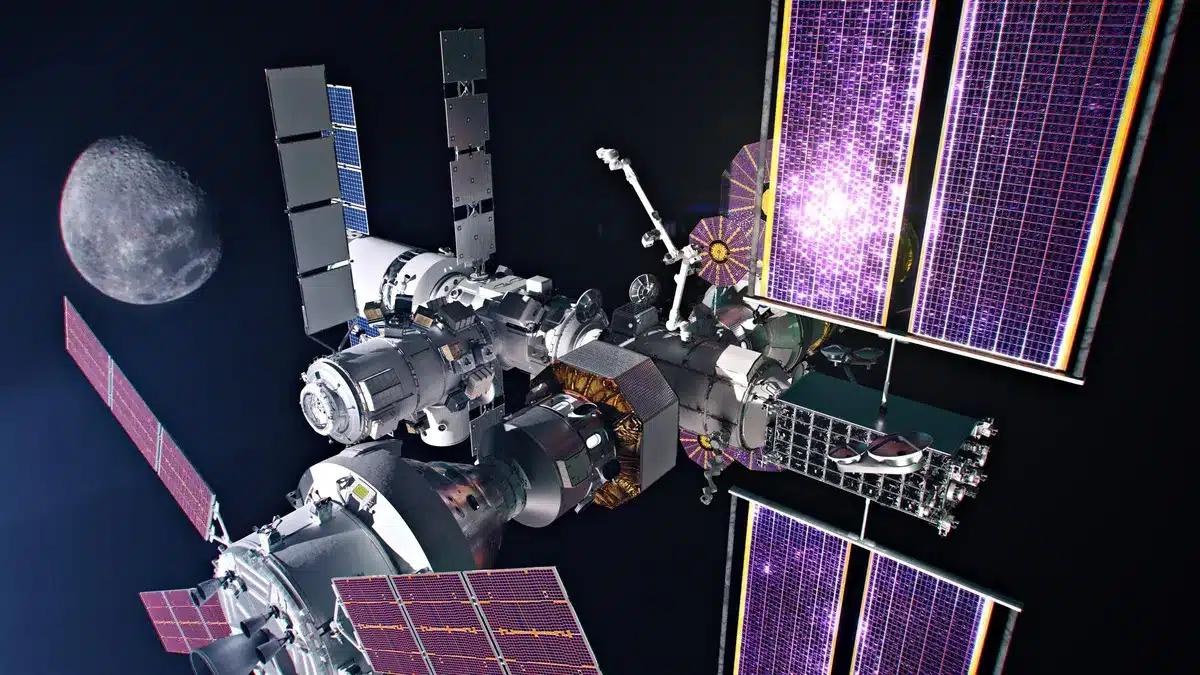 Artist’s rendition of the complete Gateway configuration. Credit: NASA
The European Service Module (ESM), which is already part of NASA’s Orion spacecraft, will also support the Artemis missions. If all goes according to plan, ESA will help create an international partnership that could make space exploration more sustainable.
Budget Cuts and the Future of the Lunar Gateway
The future of the Lunar Gateway wasn’t always so certain. Back in 2026, the Trump administration proposed severe budget cuts, threatening to halt the project altogether. The cuts also eliminated vital European contributions, including hardware for the Artemis program. Despite these setbacks, ESA has stayed committed to the project.
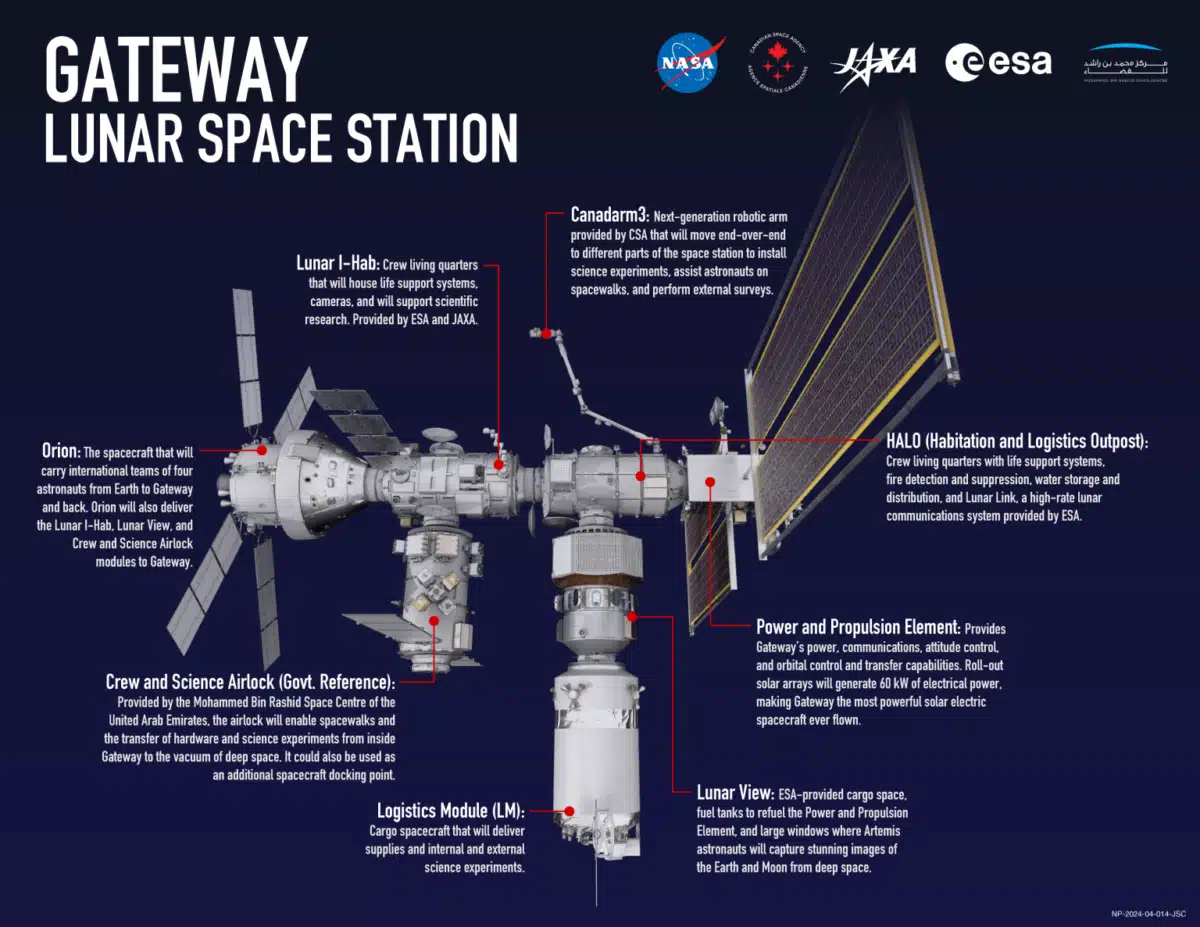 Artist’s concept of the Gateway Lunar Space Station, showcasing key modules like the Orion spacecraft, Lunar I-Hab, HALO, and the Power and Propulsion Element. Credit: NASA
In fact, according to reports, the agency is continuing to develop solutions like the autonomous cargo tug, which could help deliver supplies to the Gateway. It’s not just about building the Gateway, though. ESA’s leadership in these space projects represents an evolving vision for future exploration.
Overcoming New Obstacles with Bold Goals
With the ISS’s retirement date looming, ESA is facing a new set of challenges. The agency isalso working on the LEO Cargo Return Service, a spacecraft designed to transport materials to and from space. This initiative could be tested as early as 2029, and if successful, it will represent a major step forward in ESA’s ability to operate independently in Low Earth Orbit (LEO).
ESA also has its sights set on creating reusable spacecraft, which would be a huge leap forward in reducing the cost of space missions. Samantha Cristoforetti, an ESA astronaut, pointed out that creating such vehicles is no small task.
“We have never mastered that capability and demonstrated it. So for Europe it’s a big step, and I really hope that it’s a step towards enhanced ambition.”
It’s about mastering the complexities of human spaceflight, including how to bring astronauts back safely and deal with emergencies. This is something ESA is clearly preparing for, and if they succeed, it could be a game-changer for European space exploration.