
The Global Peace Index (GPI) ranks 163 countries across three areas: societal safety and security, ongoing domestic and international conflict, and degree of militarisation.
Also ranked second in 2024, Ireland retained its place thanks to reductions in political terror and “improvements in the perception of criminality”.
Ireland’s neutrality, low rate of incarceration and “high-functioning” democratic institutions also contributed to its place on the list.
The country also scored well for its controlled level of militarisation, where it ranked fifth overall.
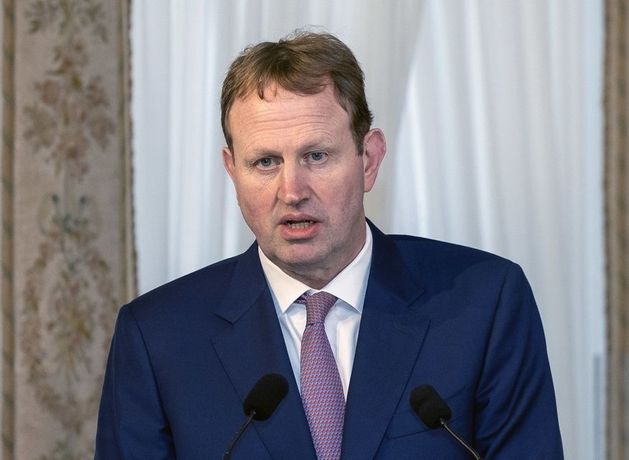
Justice Minister Jim O’Callaghan said he is glad Ireland “is getting international recognition for being the second most peaceful country in the world”.
“This reflects very well on our strong communities and the Gardaí,” he wrote in a post on X.
The GPI has been produced by the Institute of Economics and Peace (IEP) every year since 2008.
Iceland retained the number one spot in the rankings, a place it has held every year since the GPI was first produced.
The European nation had a perfect score in the ongoing conflict area, “indicating no involvement in domestic or international conflict”.
Its place atop the list reflected strong institutions, low crime, minimal militarisation and “robust levels of social trust”, according to the IEP.
The top three was rounded out by New Zealand, which rose from fifth in 2024, making it the most peaceful country in the Asia-Pacific region.
New Zealand improved in both the ongoing conflict and safety and security areas, with “notable” improvements seen in the number of violent demonstrations and the impact of terrorism.
Austria, Switzerland, Singapore, Portugal, Denmark, Slovenia and Finland made up the rest of the top 10.
While Ireland remains high on the list, the 2025 GPI found that global peace is at its lowest level since the first edition in 2008, and “the conditions that precede conflict are the worst since World War II”.
It found global peacefulness has deteriorated every year since 2014, with 100 countries deteriorating in the last decade.
The number of active state-based conflicts stood at 59, the most since the end of World War II, with 152,000 conflict-related deaths recorded in 2024.
Conflicts around the world are also becoming more internationalised, with 78 countries involved in conflicts beyond their own borders.