
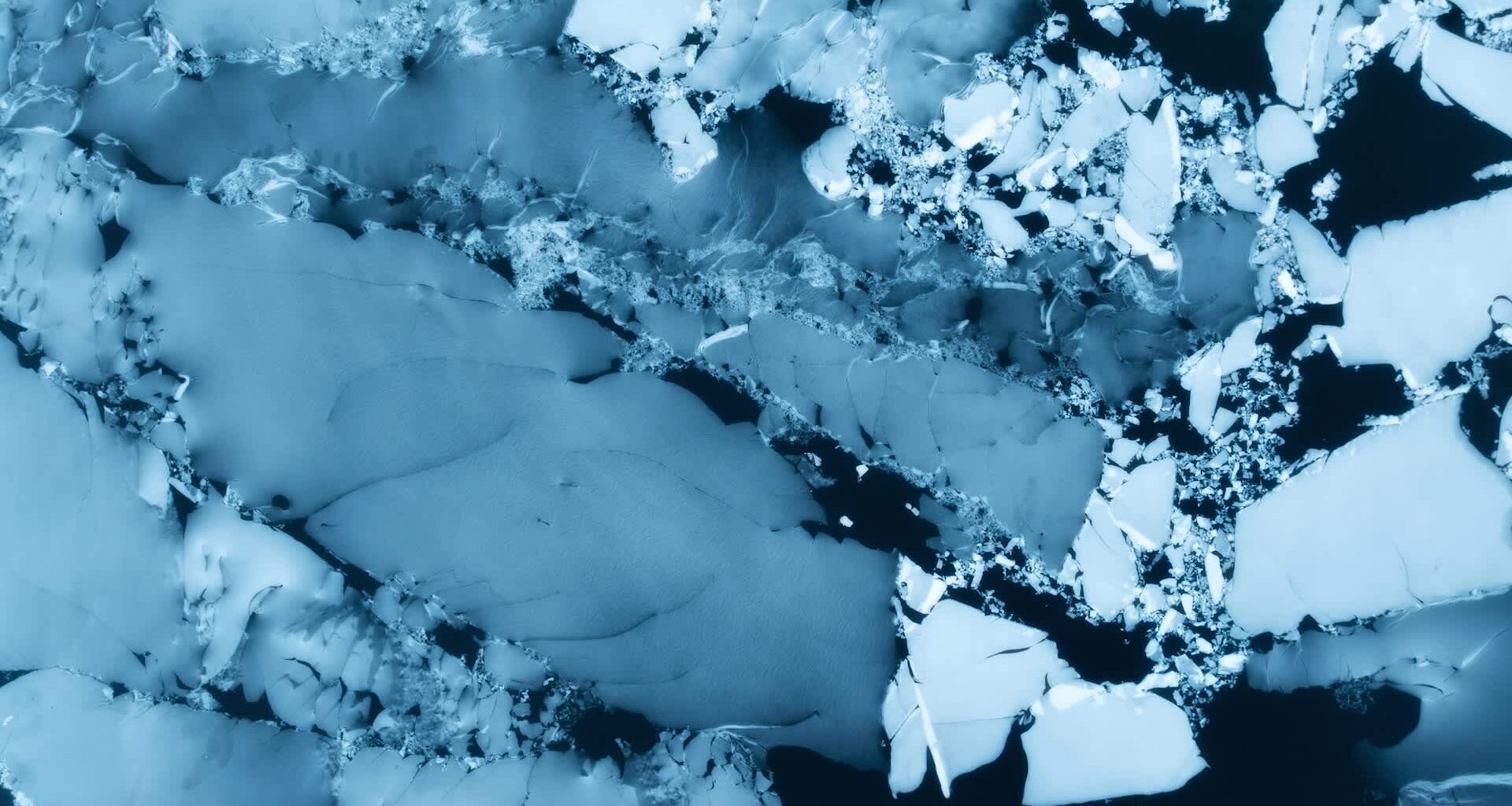
Glaciers move in mysterious ways, speeding up and slowing down as the seasons change.
However, as India Today noted, scientists still don’t fully understand what natural forces govern their movement.
By analyzing millions of satellite images from around the world, scientists identified patterns in glacier movement that could predict which areas will experience the most melting as our world continues to warm.
What’s happening?
Scientists at NASA’s Jet Propulsion Laboratory published a study in the journal Science examining how glaciers around the world respond to seasonal temperature changes.
Glaciers tend to move faster in the summer and slower in the winter, in sync with temperature fluctuations. This cycle happens every year, but the long-term increase in global temperatures is causing glaciers to shrink year-over-year, contributing to sea level rise.
According to the authors of the study, “The data suggest that future atmospheric warming could amplify and alter the timing of seasonal glacier dynamics worldwide.”
TCD Picks » Upway Spotlight
💡Upway makes it easy to find discounts of up to 60% on premium e-bike brands
Why are melting glaciers concerning?
Rising sea levels from melting glaciers pose a major threat to coastal communities. Nearly 30% of the U.S. population lives near the coast, according to the National Oceanic and Atmospheric Administration, putting millions of people at risk for flooding during storm surges.
Plus, when salty ocean water floods onto coastal agricultural lands or mixes with irrigation water, it can destroy crops and threaten our food supply. Rising ocean waters can also expose people to health risks ranging from contaminated drinking water to harmful parasites.
That’s not to mention the effects that melting glaciers could have on the wildlife that call them home. Polar bears, for example, are especially vulnerable to Arctic ice melt.
What’s being done about sea level rise?
Scientists have come up with some radical ideas for halting glacier melt, including installing giant underwater curtains to prevent them from melting into the ocean.
Still, the only surefire way to stop glaciers from melting is to stop burning dirty fuels in favor of cleaner alternatives.
However, there are steps that coastal communities can take to brace themselves for the effects of sea level rise. People can lower their flood risk by making sure their houses are properly elevated, conserving natural flood barriers like sand dunes, and spreading awareness about sea level rise in their communities.
Even if you don’t live near the coast, you can make a difference by getting informed about climate issues and taking steps to reduce your own consumption of dirty fuels.
Get TCD’s free newsletters for easy tips to save more, waste less, and make smarter choices — and earn up to $5,000 toward clean upgrades in TCD’s exclusive Rewards Club.
