
A new analysis by evolutionary anthropologists Colin Shaw (University of Zurich) and Daniel Longman (Loughborough University) argues that the modern world has developed faster than human biology can adapt. Their work proposes that chronic stress and many widespread health concerns stem from a fundamental mismatch between our nature-shaped physiology and the highly industrialized environments most people live in today.
For hundreds of thousands of years, humans evolved to meet the physical and psychological demands of hunter-gatherer life, which required frequent movement, short bursts of intense stress and daily exposure to natural settings. Industrialization has altered these conditions within only a few centuries by adding noise, air and light pollution, microplastics, pesticides, continuous sensory input, artificial lighting, processed foods and long periods of sitting.
“In our ancestral environments, we were well adapted to deal with acute stress to evade or confront predators,” says Colin Shaw, who leads the Human Evolutionary EcoPhysiology (HEEP) research group with Daniel Longman. “The lion would come around occasionally, and you had to be ready to defend yourself — or run. The key is that the lion goes away again.”
Modern stressors such as traffic, workplace pressure, social media and persistent noise activate the same biological pathways that once helped humans survive predators. Unlike the rapid resolution our ancestors experienced, these stressors rarely subside. “Our body reacts as though all these stressors were lions,” Longman explains. “Whether it’s a difficult discussion with your boss or traffic noise, your stress response system is still the same as if you were facing lion after lion. As a result, you have a very powerful response from your nervous system, but no recovery.”
Industrialization and Its Impact on Health and Reproduction
In their review, Shaw and Longman evaluate research suggesting that the shift toward industrial and urban living is reducing human evolutionary fitness. Evolutionary success depends on both survival and reproduction, and the authors argue that both have been negatively influenced since industrialization began.
They highlight falling fertility rates across much of the world and increasing rates of inflammatory and autoimmune conditions as evidence that modern environments are placing stress on human biology. “There’s a paradox where, on the one hand, we’ve created tremendous wealth, comfort and healthcare for a lot of people on the planet,” Shaw says, “but on the other hand, some of these industrial achievements are having detrimental effects on our immune, cognitive, physical and reproductive functions.”
One of the most studied examples is the steady decline in sperm count and sperm motility observed since the 1950s. Shaw notes that these trends appear to be linked to environmental exposures. “This is believed to be tied to pesticides and herbicides in food, but also to microplastics,” he says.
Searching for Solutions That Support Human Wellbeing
Technological and environmental conditions continue to change far more rapidly than biological evolution can respond to. “Biological adaptation is very slow. Longer-term genetic adaptations are multigenerational — tens to hundreds of thousands of years,” Shaw says.
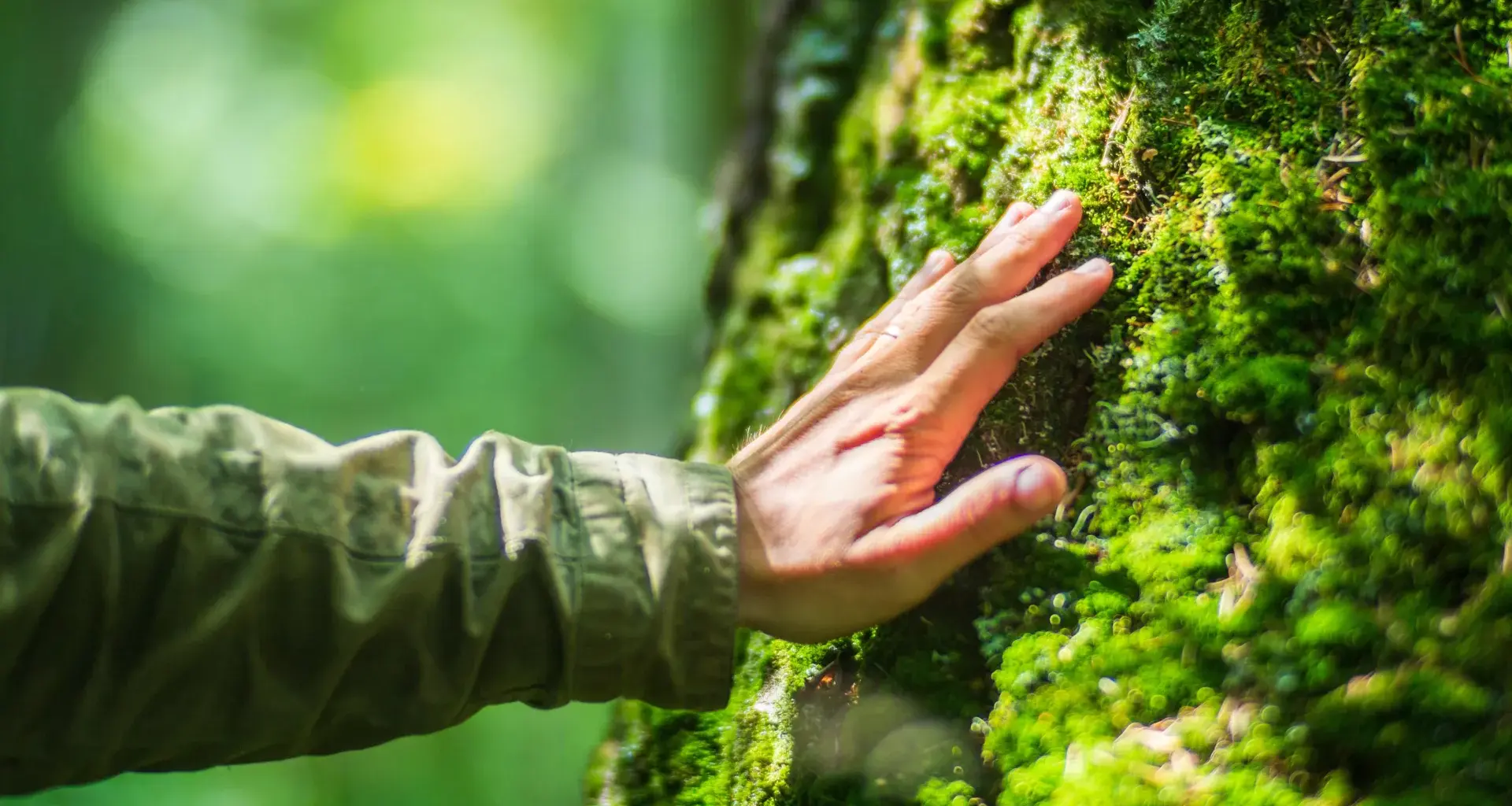
According to the researchers, this means the mismatch between human physiology and modern living conditions will not correct itself through natural evolutionary processes. Instead, they argue that societies must take active steps to reduce these pressures by strengthening connections to nature and creating healthier, more sustainable environments.
Addressing this mismatch requires both cultural and environmental changes. Shaw suggests treating nature as a crucial component of public health and protecting or restoring landscapes that resemble those in which humans originally evolved. He also advocates for rethinking city design to better align with human physiology and reduce harmful exposures.
“Our research can identify which stimuli most affect blood pressure, heart rate or immune function, for example, and pass that knowledge on to decision-makers,” Shaw says. “We need to get our cities right — and at the same time regenerate, value and spend more time in natural spaces.”