
TORONTO — There’s been a lot to keep up with this year, so it’s easy to have missed new developments on the personal finance front even if they might mean more money in your pocket.
To help stay up to date, here’s a look at some notable changes for 2025:
Interest rates and inflation
Price growth steadied this year, allowing the Bank of Canada to push its key interest rate down by a full percentage point in 2025 to 2.25 per cent. But with higher prices already baked-in, an increasing number of consumers struggled with debt.
The annual rate of inflation slowed to 2.2 per cent in October, the most recent available data, though pressure remained in key areas.
“Essential costs remain elevated as grocery prices rose 3.4 per cent year-over-year, and food costs continue to outpace the general rate of inflation,” said Natasha Macmillan, senior business director of everyday banking at Ratehub.ca, by email.
“Add in higher tariffs and supply chain costs, and everyday spending remains a challenge for many households.”
The higher costs have also led to more Canadians falling behind on payments. Equifax Canada said the non-mortgage delinquency rate hit 1.63 per cent in the third quarter, up 14 per cent from a year earlier, while average non-mortgage debt was up $511 from the year before to $22,321.
Taxes
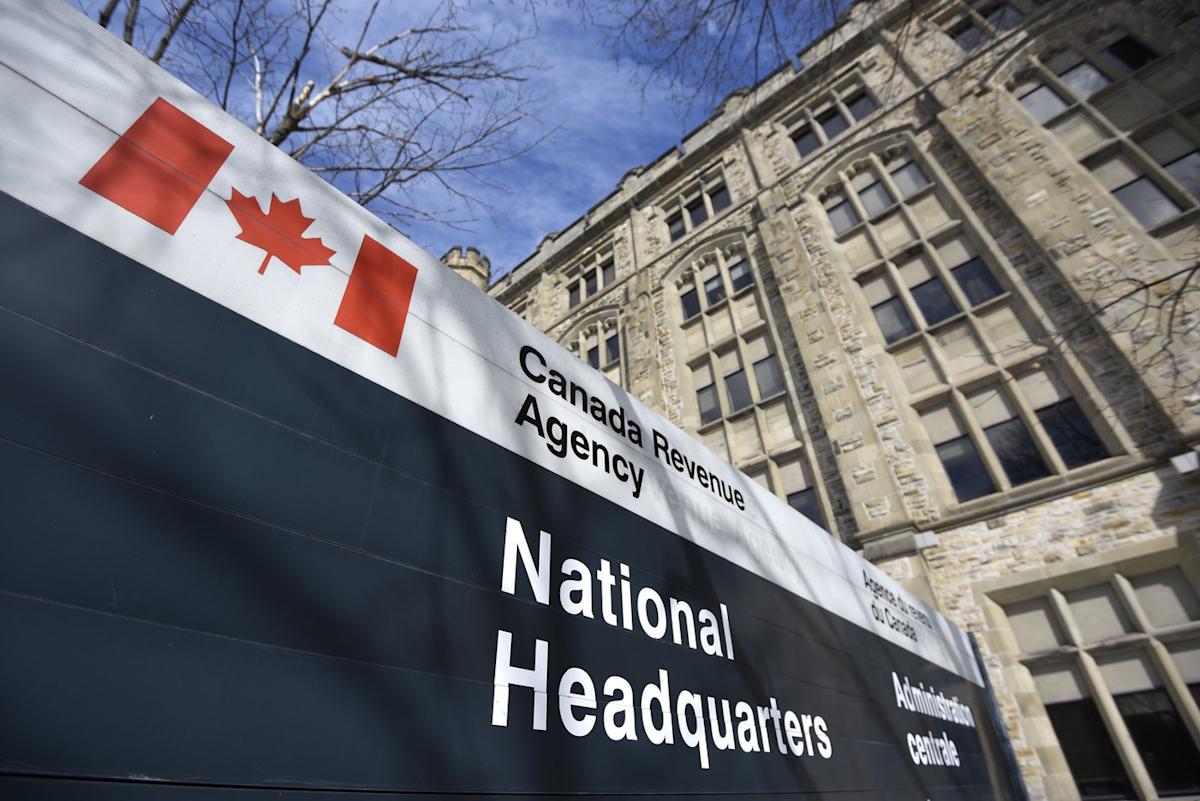
The federal government delivered a one per cent income tax cut this year, reducing the lowest marginal rate to 14 per cent. Because the cut went into place midway through the year, the effective rate will be 14.5 per cent this year. The full cut will go into place in 2026.
That means savings of about $206 this year, and a $420 tax cut next year, or a potential $840 in savings for a two-income household.
“For many households in the middle-income range, this change may provide noticeable after-tax relief,” said Macmillan.
Prime Minister Mark Carney also cancelled the hike to the capital gains inclusion rate that his predecessor had proposed. The increase would have made two-thirds of capital gains subject to income tax, but instead it remains at half.
Proponents had noted that the inclusion rate would have only changed for those with $250,000 or more in capital gains and affect an estimated 0.13 per cent of Canadians, but Carney said that halting the increase should catalyze investment and incentivize entrepreneurs to take risks.
For those shopping for a first home, eligibility for a GST rebate on new homes up to $1 million went into place for purchases on or after May 27. The government has still to pass the law that will allow payouts, but the rebate will save first-time buyers up to $50,000. Homes sold between $1 million and $1.5 million receive a partial rebate.
Story Continues
Carney also removed the personal carbon tax as of April 1 in his first move as prime minister, saying it had become too divisive.
The removal of the carbon tax and related rebate however still meant many Canadians came out ahead, especially those who drive less. The government had estimated the net benefit to households was between $157 and $723 last year, depending on the province, with lower-income Canadians generally seeing higher benefits.
Banking
An expanded program to offer low- and no-cost bank accounts went into effect at the start of December.
Canadians can now get a bank account for no more than $4 a month from 14 financial institutions with 50 per cent more debit transactions included as part of the fee.
No-fee accounts must be available for students, Canadians 18 and under, beneficiaries of registered disability savings plans and seniors receiving the guaranteed income supplement, while other groups could also be eligible. Newcomers can access a free account in their first year.
The government also launched consultations on increasing deposit insurance to cover $150,000, up from $100,000, but it has yet to formally make the change.
Artificial Intelligence
AI has been showing up everywhere this year, for better or for worse. On a markets level, it has raised concerns about a massive speculative bubble that threatens to hit retail investors if it pops, though so far the bet on continued growth in AI has largely made them richer.
It has also meant some people getting potentially unreliable financial guidance, while also opening up new avenues to those who find it hard to talk about their financial problems with a human.
Bruce Sellery, chief executive of Credit Canada, said that while AI has created concerns about fraud and job losses, the non-profit has also seen benefits as it launched its own AI agent called Mariposa.
“You can actually complete an entire credit counselling appointment, including a debt assessment, without talking to a human if you don’t want to. It’s genius,” he said by email.
Looking ahead
Next year, some of the big changes expected include the potential for open banking to finally launch. The system will give Canadians more control of their financial data, allowing them to safely control multiple accounts in one place, among other benefits.
Trade issues will also still loom as the review of the Canada-United States-Mexico Agreement approaches. Any further disruptions in trade could threaten jobs in Canada, while also putting more pressure on inflation to force the Bank of Canada to raise rates.
As it stands, analysts expect the central bank to start to raise rates later next year or at the start of 2027, but as Bank of Canada governor Tiff Macklem said, the future is especially hard to predict these days.
“Uncertainty remains high, and the range of possible outcomes is wider than usual,” Macklem said in a press conference Wednesday.
This report by The Canadian Press was first published Dec. 11, 2025.
Ian Bickis, The Canadian Press