
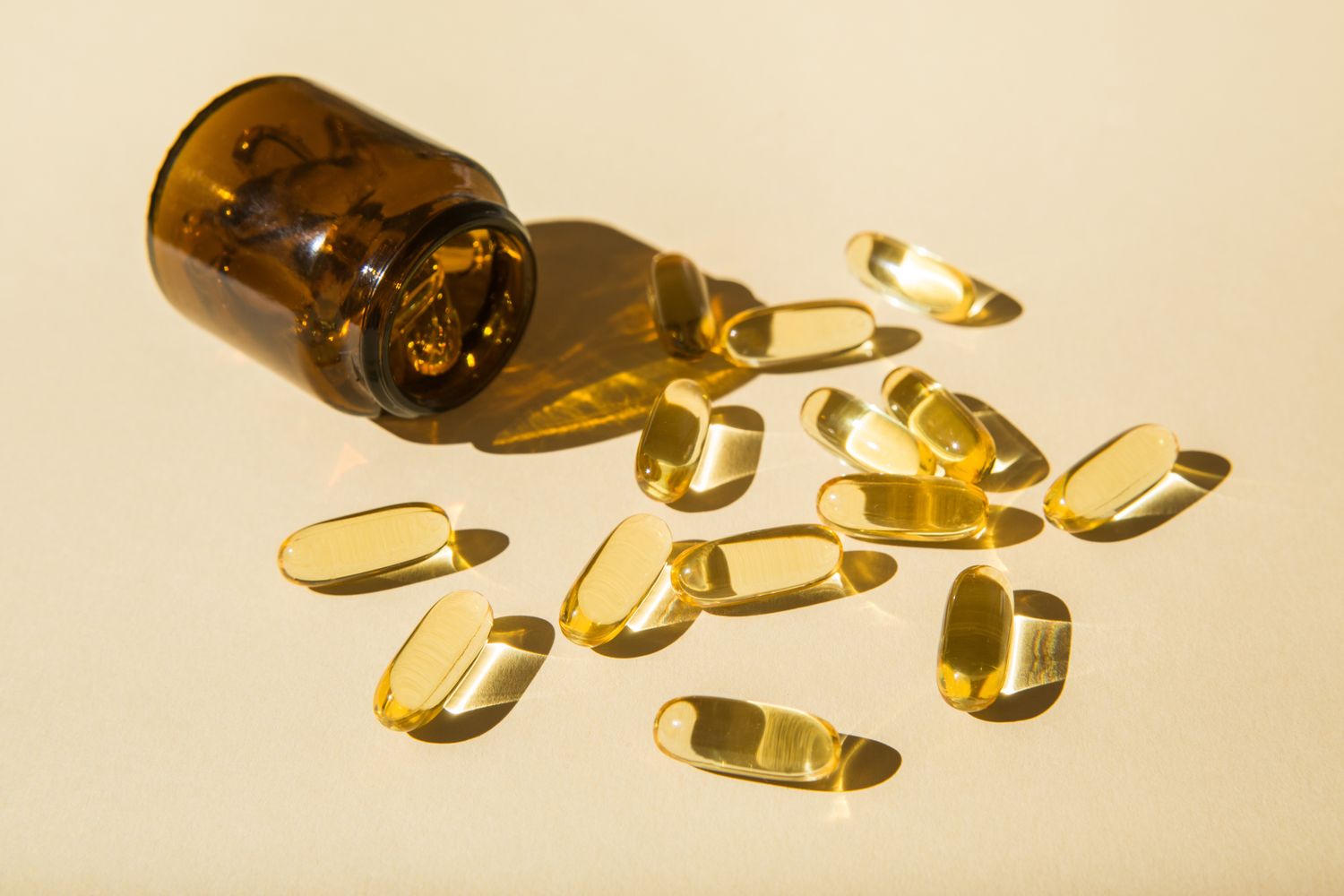
Vitamin D is an essential vitamin that your body cannot make on its own. You can obtain it naturally from certain foods and exposure to sunlight. However, many people do not get enough, especially in cold, dark months.
We asked our chief medical officer, Sohaib Imtiaz, MD, if it’s really necessary for everyone to take a vitamin D supplement in the winter.
*This interview has been edited and condensed for clarity.
Q: We know that our primary source of vitamin D is sunlight, so it stands to reason that we get less vitamin D in cold, dark months when we have less sun exposure. Who can benefit the most from a vitamin D supplement in the winter?
Imtiaz: Most people might need vitamin D during the winter months, which I would typically define as the period from around October to about March. But some people are at a higher risk for deficiency than others, for example:
People who don’t consume enough vitamin D-fortified foods. However, it’s challenging to get enough vitamin D through diet alone.
People whose bodies don’t absorb enough vitamin D from food, often due to conditions like Crohn’s or Celiac disease.
People who don’t get enough exposure to sunlight, such as those living in Northern latitudes or spending most of their time indoors.
People whose liver or kidneys cannot convert vitamin D to its active form, which is typically due to chronic liver or kidney disease.
People who take medicines that interfere with vitamin D absorption, such as some cholesterol drugs and weight loss medications, among others.
However, you should confirm that you have a deficiency before starting a vitamin D supplement.
How Can You Tell If You’re Vitamin D Deficient?
One of the telltale signs of low vitamin D is fatigue, a symptom that many people also experience in response to changes in their circadian rhythm in the winter months.
The primary difference between vitamin D deficiency-related fatigue and circadian rhythm-related fatigue is their timing:
Vitamin D deficiency: You may experience sustained fatigue throughout the day.Seasonal changes: You may feel more tired in the morning or evening.
That said, the best way to tell if you’re deficient is to get a blood test to determine your baseline vitamin D levels.
How Do You Get Tested?
Your healthcare provider can perform a blood test to check for a vitamin D deficiency, but I know that it can sometimes be challenging to get, depending on your insurance, scheduling, and other factors.
Many reputable online sites have partnered with labs like Quest Diagnostics, where you can order blood tests and go to a local lab for testing and accurate results. For some, it’s much more efficient to obtain blood tests through the commercial route rather than visiting their primary care provider.
A lot of these tests are also HSA and FSA-eligible, so they may not cost you anything out of pocket.
Verywell Health uses only high-quality sources, including peer-reviewed studies, to support the facts within our articles. Read our editorial process to learn more about how we fact-check and keep our content accurate, reliable, and trustworthy.
National Institutes of Health Office of Dietary Supplements. Vitamin D.
MedlinePlus. Vitamin D deficiency.

Thanks for your feedback!
What is your feedback?
Helpful
Report an Error
Other