

Natural capital — the forests, farms, rivers and ecosystems our economy depends on — is rapidly moving into mainstream investing.
Large institutional investors, from LGPS pools to DC master trusts, are already building a 2 per cent strategic allocation across three areas: sustainable forestry, regenerative agriculture and payments for ecosystem services — long-term contracts that pay for outcomes such as flood protection or cleaner water.
What began as a specialist area is becoming a core part of how long-term investors manage risk and build resilience. And it’s happening for a simple reason: nature risk is now financial risk.
 Advisers don’t need to become ecologists. They need to answer four clear questions
Flooding, drought, water shortages, soil decline and ecosystem degradation are already pushing up costs for companies and households.
They are affecting insurance markets, property values, supply chains and even day-to-day business operations. In other words: restoring nature isn’t a ‘nice-to-have’. It’s becoming part of how you protect wealth.
I believe 2026 will be the year natural capital solutions arrive on retail platforms and enter adviser propositions.
Advice firms that prepare now will be ahead of the curve. Those that don’t will be playing catch-up with clients, regulators and product providers.
The 2% baseline
Institutional investors aren’t moving into natural capital for moral or ESG reasons. They’re doing it because the numbers stack up.
Just a 2 per cent allocation brings three powerful benefits: steadier long-term returns, thanks to slow-and-steady revenue streams that behave differently to equities and bonds; better diversification, because these assets don’t move in lockstep with markets; and protection against nature-related shocks, as restoring nature reduces the very risks that increasingly affect portfolios, from flooding and drought to water quality and climate-driven volatility.
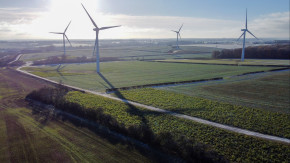
Insurance industry embedding sustainability in investment
If nature risk is rising, nature restoration becomes part of the solution.
That’s why the institutional world has already moved. Retail will follow.
For advice firms, this isn’t about giving advisers a new script. It’s about preparing the business — its governance, research processes, and people.
A 2 per cent allocation may sound small, but it raises big questions for any firm’s centralised investment proposition.
Where does natural capital sit within your CIP? How does it fit within your investment beliefs? How will it integrate into risk-rated portfolios, and how will your firm explain it to clients clearly and confidently?
These aren’t questions you want to answer in a hurry once products hit the platform.
Updating governance and investment-belief documents now and positioning natural capital as part of your core real-asset approach, alongside property, infrastructure and private markets, is the first step.
A similar shift is needed in research and due diligence.
A 2 per cent natural capital allocation spans forestry, regenerative agriculture and ecosystem services contracts, each with distinct revenue models and risk profiles.
Govt needs to ‘show teeth’ with policies that support nature investing
They prompt new due diligence questions about who is paying for the outcomes and for how long, how reliable the cash flow is, how impact is measured and verified, and what policy or regulatory risks sit in the background.
Firms that update due diligence questions, research templates and investment-committee checklists now will be ready to evaluate these solutions confidently when they arrive.
The final step is adviser and client understanding.
Clients are already experiencing the issues natural capital assets help address: floods, water shortages, soaring insurance costs, declining soil and disrupted supply chains.
Advisers don’t need to become ecologists. They need to answer four clear questions:
What is natural capital?
Why are large investors allocating 2 per cent?
How can restoring nature reduce financial risk?
And where does this sit within a diversified portfolio?
Adding natural capital literacy into 2026 CPD plans and refreshing client materials — simple, factual and focused on long-term outcomes — will make that possible.
Advice firms that move early will gain three advantages: a more resilient investment proposition thanks to steady, uncorrelated returns; a clearer competitive edge, looking modern, informed and aligned with institutional best practice; and stronger regulatory alignment as the FCA and global reporting standards move towards greater consideration of nature-related risk.
The bottom line is simple.
A 2 per cent allocation to natural capital is becoming standard among sophisticated investors.
In 2026, equivalent solutions will enter the advised market. Advice businesses that prepare now by updating governance, strengthening due diligence and building adviser capability, will be ready to guide clients confidently and lead the next evolution of long-term investing.
Rob Gardner is CEO & co-founder of Rebalance Earth