
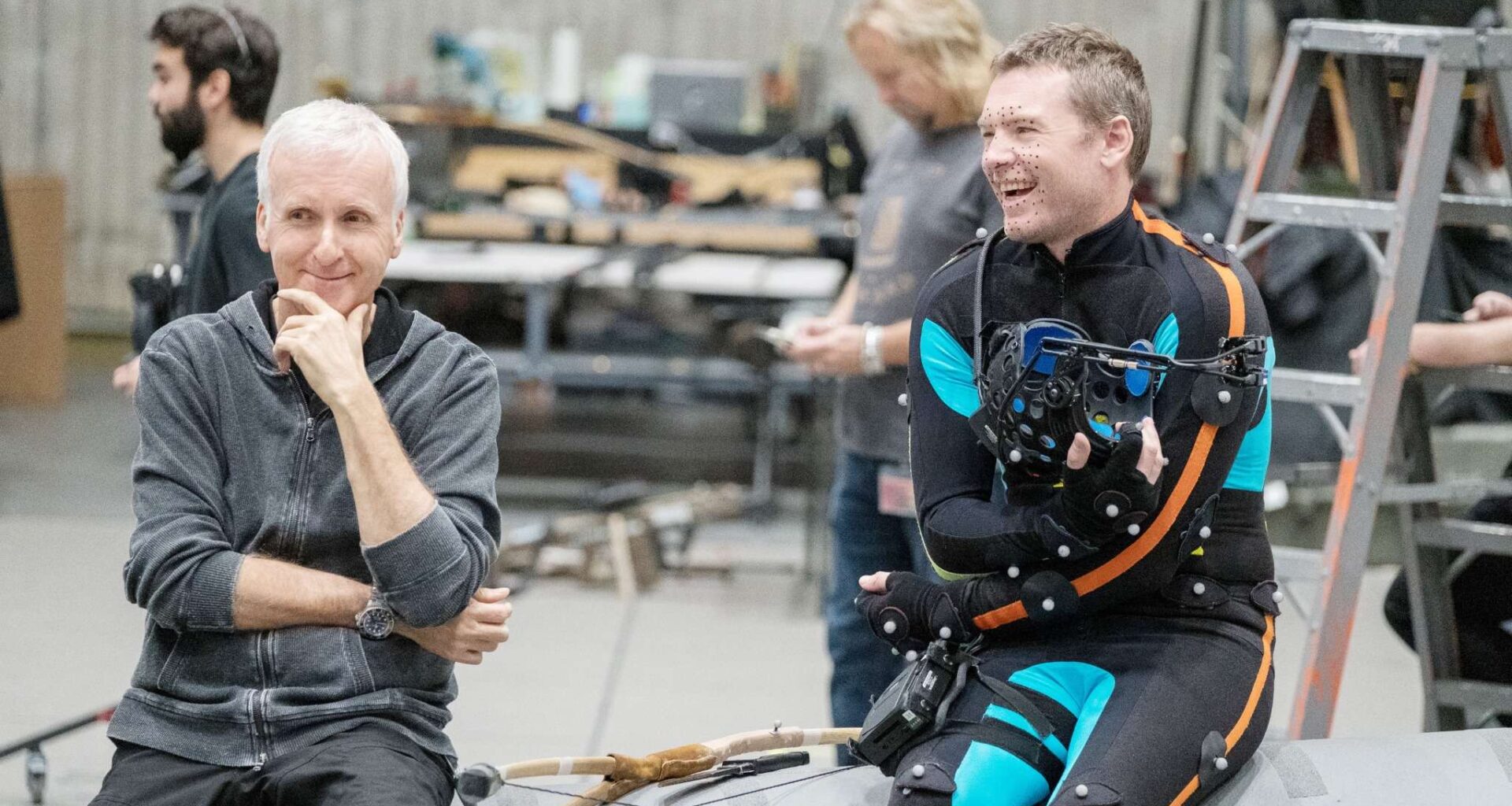
Few filmmakers are as closely tied to New Zealand as James Cameron. The director behind Avatar has built a life, a studio base, and a long-term creative vision in the country. But Cameron is now striking a more cautious note — not only about the future of his own blockbuster franchise, but about the economic and policy pressures reshaping global cinema and threatening New Zealand’s place within it.
Where Avatar stands now
Cameron’s next chapter in the Avatar saga, Fire and Ash, is arriving amid a very different industry landscape from the one that greeted the original film in 2009. Back then, cinema attendance was robust and the economics of mega-budget filmmaking felt sustainable. Today, Cameron has acknowledged that future instalments beyond the next film are not guaranteed — and that decisions about further sequels will depend on box-office performance, costs, and the broader health of the theatrical market.
The message is striking because Avatar remains one of the most successful franchises in cinema history. Yet Cameron has been clear that even proven brands cannot continue “at any cost”. Big-screen spectacle still matters to him — he argues that the immersive experience of a cinema cannot be replicated at home — but the financial model that once supported such films is under strain. Recent industry reporting has highlighted how cost control is now central to whether the series continues beyond the next release (as outlined in Reuters’ coverage of Cameron’s comments on making future films viable).
Why blockbuster filmmaking is under pressure
The challenge is not unique to Avatar. Across the industry, cinema attendance has struggled to fully recover from pandemic-era disruption. Streaming has reshaped audience habits, while inflation and rising production expenses have pushed budgets higher at the same time revenues have become less predictable.
For studios, this has made risk harder to justify. For filmmakers like Cameron, it has forced a recalibration. He remains committed to theatrical cinema, but he has spoken openly about the need to control costs and adapt production methods if large-scale films are to survive. In that sense, Avatar has become a test case for whether the old blockbuster model can still work in a changed world.
New Zealand’s film industry under strain
Cameron’s comments land uncomfortably in New Zealand, a country whose screen industry has long punched above its weight. From the early success of large-scale international productions to the development of world-class post-production and visual effects talent, New Zealand built a reputation as a reliable, innovative filmmaking hub.
That edge has dulled. Industry figures point to rising costs, uncertainty around incentives, and fierce competition from countries such as the UK, Australia, and Canada, all of which have aggressively strengthened their rebate schemes. After Covid-19, production pipelines became less predictable, and skilled workers faced gaps between projects.
Cameron has described the local industry as “injured” rather than broken — a distinction that matters. His warning is not that New Zealand lacks talent or infrastructure, but that without consistent, long-term policy support, productions will simply go elsewhere. In an industry where mobility is high, even a small loss of competitiveness can have outsized consequences.
A personal stake, not an outside critique
What gives Cameron’s intervention particular weight is his personal commitment to the country. He lives in New Zealand, has become a citizen, and has invested heavily in local production capacity. His career decisions affect not just Hollywood studios but hundreds of New Zealand crew, technicians, and creatives.
That makes his message less a criticism from afar than a plea from within. Cameron has repeatedly said he wants to keep making films in New Zealand. He sees the country not merely as a backdrop, but as a creative base capable of sustaining ambitious work — if the conditions are right.
“Being part of the solution”
Rather than simply sounding the alarm, Cameron has framed himself as part of the answer. He has argued for stable, forward-looking policy that gives producers confidence to commit to New Zealand over the long term. That includes incentives that remain competitive internationally, as well as investment in training and infrastructure to ensure the local workforce continues to evolve with new technologies.
His stance on artificial intelligence underscores this approach. While wary of generative AI replacing human craft, Cameron has emphasised the importance of using technology to support — not undermine — skilled workers. For New Zealand, that balance could be critical in maintaining its reputation for high-quality, technically sophisticated filmmaking (see RNZ’s interview coverage on Cameron and AI).
Why this moment matters
The stakes extend beyond the film set. Screen production supports thousands of jobs, contributes to tourism, and shapes how New Zealand is seen around the world. When global audiences watch films made in or from New Zealand, they absorb a sense of the country’s creative identity.
Cameron’s warning, then, is not just about whether Avatar continues beyond its next chapter. It is about whether New Zealand can remain a serious player in a rapidly consolidating global industry. The window to act, he suggests, is narrowing — but it has not yet closed.
For now, Cameron remains committed, cautiously optimistic, and vocal. Whether policymakers, industry leaders, and the wider public respond may determine not only the future of Avatar, but the future of large-scale filmmaking in New Zealand itself.
You may also like: More trending culture and entertainment stories on Swikblog