
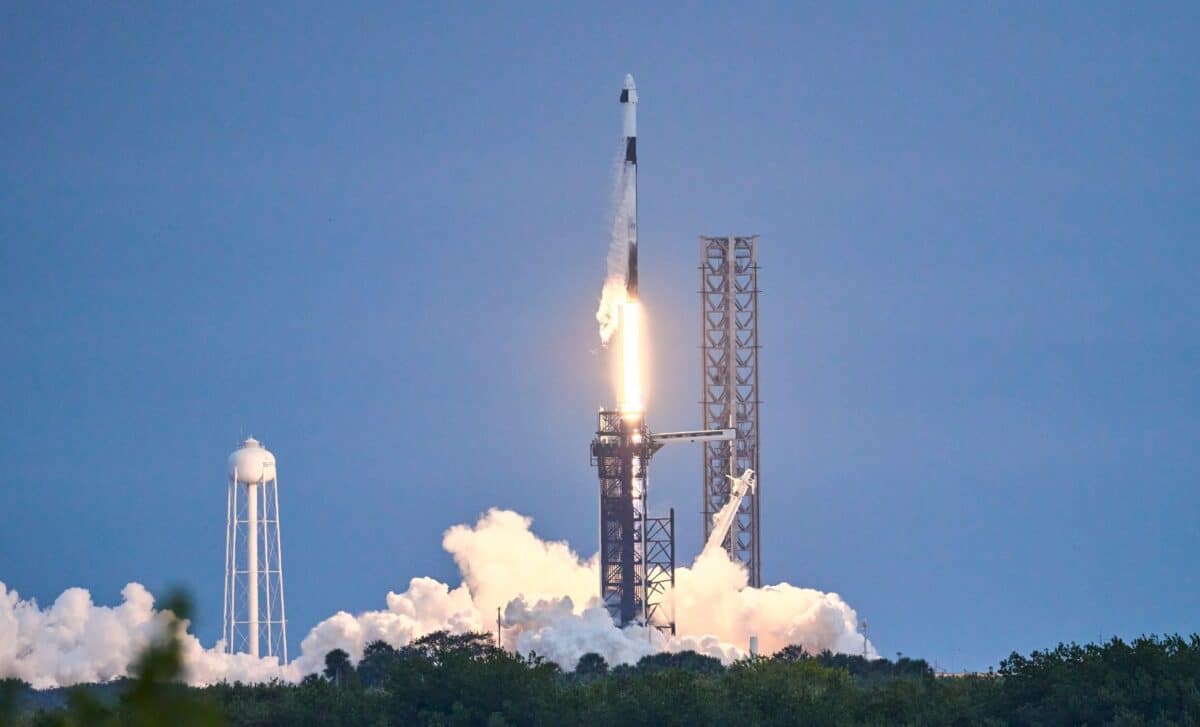
SpaceX has launched the first of five scheduled missions in just eight days from Florida’s Space Coast, signaling an intense week of activity at Cape Canaveral and Kennedy Space Center. The Starlink 6-90 mission, which successfully deployed 29 satellites, marks the beginning of a flurry of launches aimed at expanding SpaceX’s global Starlink internet network.
With SpaceX and United Launch Alliance (ULA) teaming up for a packed week of rocket launches, the region is seeing an unprecedented level of activity. The quick turnaround between missions, including several within just hours of each other.
A Record-Breaking Launch Schedule
SpaceX is on track for an intense period of launches, with five missions scheduled within the next eight days. Thursday’s launch of the Starlink 6-90 mission, which sent 29 satellites into orbit, marked the first of this busy schedule. Notably, the mission set a record for the fastest turnaround at Space Launch Complex 40, with just two days, two hours, and 44 minutes passing since the previous mission (NROL-77) on December 9.
Following Thursday’s mission, SpaceX will continue with another Starlink launch, targeting December 15. Also, United Launch Alliance plans to join the activity with an Atlas V rocket launch early Monday morning, carrying 27 satellites for Amazon’s Project Kuiper. According to the report, this flurry of launches will continue throughout the week, with four more missions scheduled through Friday, December 19, marking a new high in space launch frequency for the region.
LA-04 update: Our encapsulated payload left Amazon’s processing facility on Friday for integration with Atlas V, with @ulalaunch targeting Dec. 15 to send another 27 Leo satellites into orbit. pic.twitter.com/slyBW1Wd85
— Amazon Leo (@Amazonleo) December 8, 2025
Expanding Starlink’s Reach
SpaceX’s Starlink constellation continues to be a focal point of the company’s ambitions in space. The Starlink 6-90 mission was just one of many planned for the coming days. Another Starlink mission, Starlink 6-82, is slated for Dec. 15, targeting a launch window between 9:43 p.m. and 1:43 a.m. This will be the ninth flight of its first-stage booster, which will again attempt a recovery landing on the droneship A Shortfall of Gravitas.
SpaceX has already launched over 3,000 Starlink satellites in 2025, pushing its total number of operational satellites beyond 9,000. With the planned launches over the coming days, the company aims to continue expanding its constellation to ensure global coverage. By 2029, Elon Musk’s space company intends to have more than 3,200 Starlink satellites in orbit, a major step toward delivering high-speed internet to underserved areas worldwide.
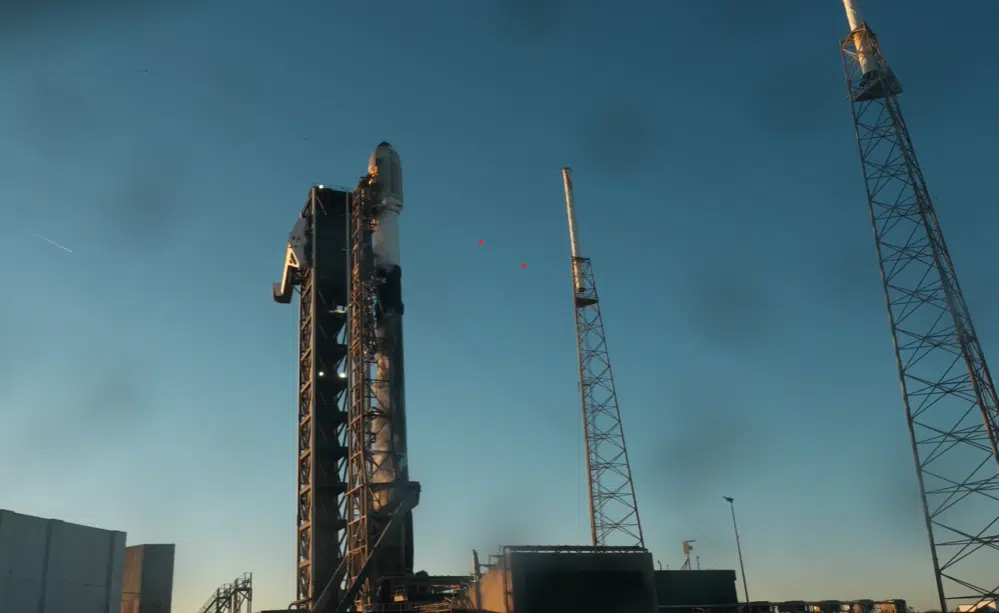 Starlink Mission. Credit: SpaceX via X
Space Coast Sets New Launch Records
This stretch of launches is not just a busy week for SpaceX but also part of a larger trend in the Space Coast’s rising activity levels. As stated by the same source, this year alone, SpaceX, ULA, and Blue Origin have collectively launched 106 missions from the Cape Canaveral Space Force Station and Kennedy Space Center, surpassing the previous record of 93 launches set last year. SpaceX has been the main contributor to this number, with the company responsible for nearly all of the 106 missions.
In early November, the region set another record when four missions were launched within 34 hours, including The private space giant’s pair of Starlink missions, ULA’s ViaSat-3 F2 mission, and Blue Origin’s NG-2 mission. This intense activity, driven largely by SpaceX, has cemented Florida’s Space Coast as a leading hub for commercial space operations. The pace of these launches shows no signs of slowing, as SpaceX prepares for even more Starlink and other missions in the coming months.